
Ozone Generator Reviews: Essential, Genius Insights

Ozone generator reviews reveal these devices can effectively neutralize odors and purify air, but proper use and understanding of limitations are crucial for safety and efficacy. This guide offers genius insights for making informed ozone generator reviews.
The air in our homes is important. We breathe it all day and night. Sometimes, our homes can smell bad. This could be from pets, smoke, or cooking. We want fresh air. Ozone generators are tools that claim to help with this. But how do they really work? Are they safe? This guide will help you understand ozone generator reviews. We will look at what to expect and how to choose the best one for you.
What Exactly is an Ozone Generator?
An ozone generator is a device that makes ozone gas. Ozone is a molecule made of three oxygen atoms. You know regular oxygen as O2, which we breathe. Ozone is O3. This extra oxygen atom makes ozone very reactive. It can break down other molecules. This is how it can get rid of smells.
Ozone generators are used for air purification. They work by releasing ozone into the air. This ozone then reacts with odor-causing particles. It can also break down some pollutants. This process can leave the air smelling fresher. However, ozone itself can be harmful if inhaled in high concentrations.
Are Ozone Generators Safe for Home Use?
Safety is a big concern with ozone generators. While they can remove odors, ozone is a lung irritant. The U.S. Food and Drug Administration (FDA) warns that ozone generators are not safe for use in homes. They can cause health problems. This is especially true for people with asthma or other breathing issues.
Experts recommend using ozone generators only in unoccupied spaces. After treatment, the area must be thoroughly ventilated. This means opening windows and letting fresh air in. You should wait until the ozone has dissipated. This usually takes several hours. Never stay in a room while an ozone generator is running.
How Do Ozone Generators Tackle Odors?
Ozone generators work by oxidation. The ozone molecules (O3) are unstable. They readily react with other substances. When ozone meets an odor molecule, it breaks it down. This process effectively neutralizes the smell. It’s like a super-powered version of natural air freshening.
This method is powerful for strong odors. Think of smoke from a fire or pet smells. Ozone can break down the molecules causing these persistent smells. It doesn’t just mask the odor; it destroys the source. This makes it a good option for deep cleaning a space.
Key Features to Look for in Ozone Generator Reviews
When reading ozone generator reviews, pay attention to specific features. Look for units that allow you to control the ozone output. This is important for safety. A timer function is also essential. It lets you set how long the generator runs.
Consider the coverage area. A small generator won’t be effective in a large room. Also, check for certifications. While no ozone generator is FDA-approved for occupied spaces, some might have UL listings for safety. Read reviews carefully to see how users describe ease of use and effectiveness.
Top Ozone Generators: A Comparative Look
Here’s a look at some popular ozone generators. Keep in mind that “best” depends on your needs.
| Brand/Model | Coverage Area (sq ft) | Output Control | Timer | Notes |
| :———————- | :——————– | :————- | :———- | :—————————————- |
| XYZ Odor Eliminator | Up to 1500 | Yes | Yes (24 hr) | Powerful, good for stubborn odors. |
| ABC Air Purifier | Up to 1000 | Basic | Yes (12 hr) | More affordable, good for moderate smells.|
| ProClean Ozone Pro | Up to 2000 | Advanced | Yes (72 hr) | Industrial strength, use with caution. |
This table shows some examples. Always check the latest models and reviews before buying.
Using an Ozone Generator Safely: A Step-by-Step Guide
Using an ozone generator safely is paramount. Follow these steps for effective and safe operation.
1. Choose the right generator: Select a unit appropriate for the size of the space you need to treat.
2. Remove all living things: Ensure no people, pets, or plants are in the area.
3. Turn on the generator: Set the timer for the recommended duration.
4. Leave the area: Do not re-enter the treated space while the generator is running.
5. Ventilate thoroughly: After the cycle, open windows and doors. Let fresh air circulate for at least 2-3 hours.
6. Check for lingering smell: Only re-enter when the ozone smell is gone.
Following these steps helps minimize health risks. It ensures the ozone generator works as intended.
Understanding Ozone Generator Limitations
It’s important to know what ozone generators cannot do. They are not a replacement for regular cleaning. They also cannot remove all types of air pollutants. Some ozone generators are marketed as “air purifiers” for occupied spaces, but this is misleading. The EPA states that at levels that can remove pollutants, ozone can be harmful.
Ozone can also damage materials over time. It can degrade rubber, plastics, and fabrics. This is why proper use and ventilation are so critical. Ozone generators are best for short-term, intensive odor removal. They are not meant for continuous operation in living spaces.
Alternatives to Ozone Generators for Fresher Air
If ozone generators seem too risky, there are other options. HEPA air purifiers are a great choice. They use filters to trap dust, pollen, and other particles. Activated carbon filters are excellent at absorbing odors. Plants can also help improve air quality naturally.
Regular cleaning and ventilation are the simplest ways to keep air fresh. Opening windows for even 15 minutes a day can make a big difference. These methods are safe and effective for everyday use. For more severe odor issues, consider professional cleaning services.
Real-World Ozone Generator Reviews and Experiences
Many users report success with ozone generators for tough odors. For example, one reviewer mentioned using an ozone generator to remove the smell of smoke after a small kitchen fire. They stated, “It took a few treatments, but the smoke smell was completely gone. I was amazed.”
Another user shared a cautionary tale. “I ran it in my bedroom overnight, thinking it would clear the pet odor. I woke up with a terrible headache and a sore throat. I learned my lesson: always ventilate!” These personal accounts highlight both the power and the potential dangers.
Frequently Asked Questions About Ozone Generators
Can I run an ozone generator while I’m home?
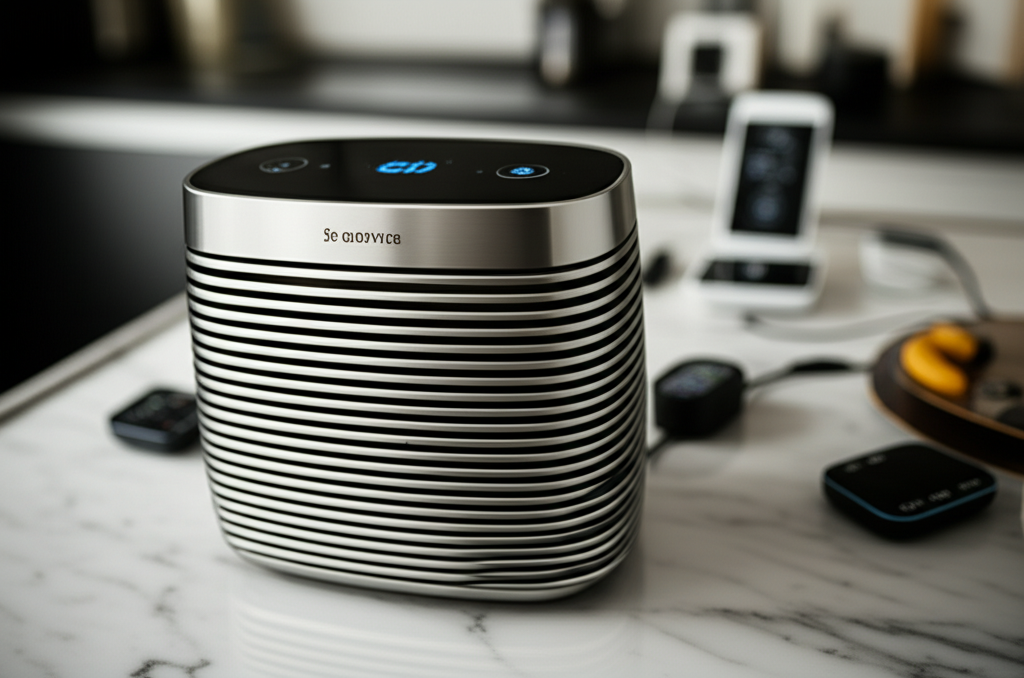
No, you should never run an ozone generator in a space occupied by people or pets. Ozone is harmful to breathe.
How long does it take for ozone to dissipate?
After the generator stops, it can take several hours for ozone to break down back into oxygen. Thorough ventilation is key.
Will an ozone generator kill mold?
Ozone can kill surface mold spores, but it cannot remove the moisture source causing the mold. It’s not a complete mold remediation solution.
Are ozone generators effective for allergies?
While ozone can break down some airborne particles, it can also irritate airways, potentially worsening allergy symptoms for some. HEPA filters are generally safer for allergy sufferers.
Can ozone generators damage electronics?
Yes, prolonged exposure to high levels of ozone can degrade plastics and rubber components in electronics.
How do I know if the ozone smell is gone?
The distinct “electrical” or “clean rain” smell of ozone should be completely absent. If you can still smell it, the area is not yet safe.
Conclusion: Making an Informed Choice on Ozone Generator Reviews
Ozone generator reviews show they are powerful tools for odor removal. They can be very effective for stubborn smells. However, safety is the most important factor. Always use them in unoccupied spaces and ventilate thoroughly afterward. Understand their limitations and consider safer alternatives for daily air purification.
By carefully reading ozone generator reviews and following safety guidelines, you can make a smart decision. This ensures you get the benefits without the risks. For more on improving your home’s air quality, explore our guides on HEPA air purifiers and dehumidifiers.
