
Ozone Generator How It Works: Proven Essential Guide

Learn how an ozone generator works to purify your air, understand its benefits for odor removal and sanitization, and discover its limitations and safety precautions in this essential guide.
Ozone generators are becoming popular for cleaning indoor air. You might be wondering how these devices actually work to make your home feel fresher. Many people struggle with persistent odors or worry about unseen airborne particles. This guide will break down the science behind ozone generators in a simple way. We’ll explore what they do, how they do it, and what you need to know before using one. Get ready to understand your ozone generator inside and out!
What is Ozone and How Do Generators Make It?
Ozone is a gas made of three oxygen atoms. Normal oxygen has two atoms. An ozone generator creates ozone from the oxygen already in the air. It uses electricity to do this. This process is called the “corona discharge” method or “UV light” method.
The Corona Discharge Method
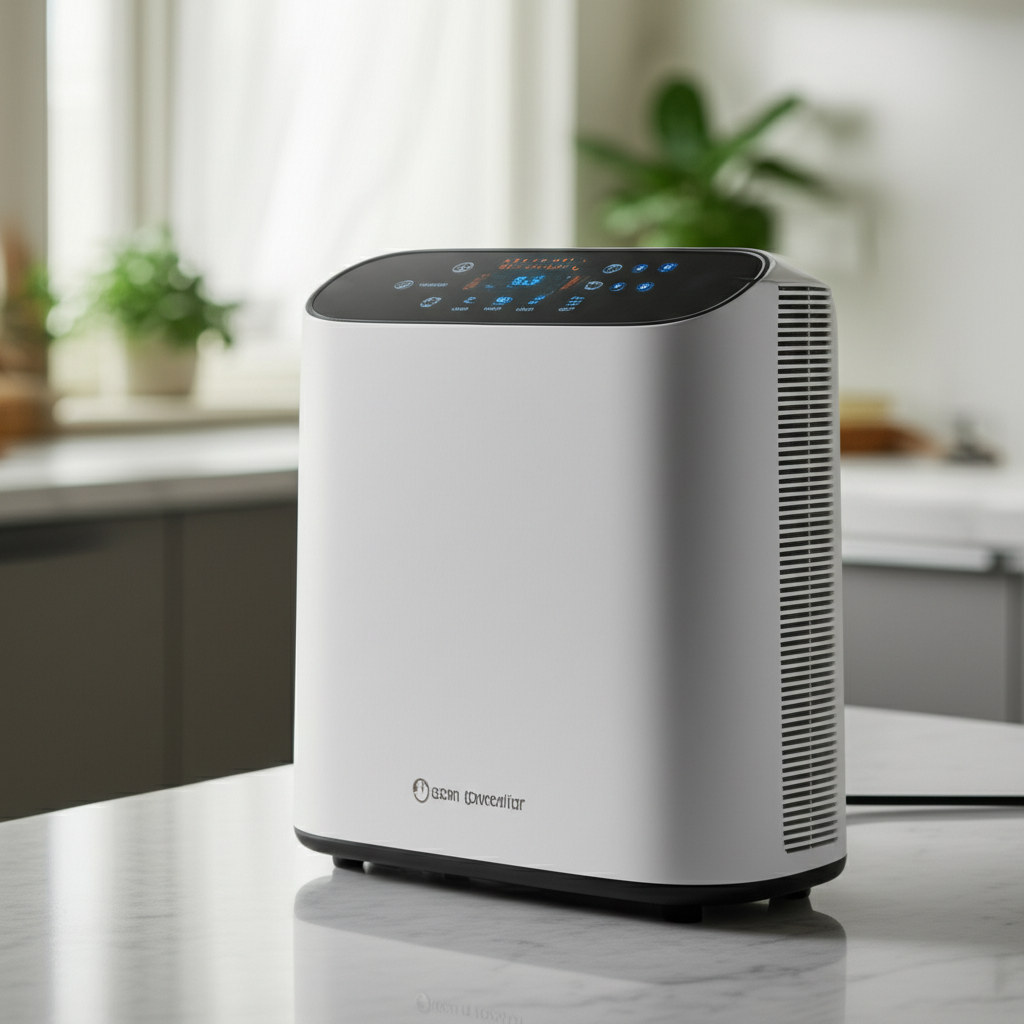
This is the most common way ozone generators work. Electricity creates a spark, like a tiny lightning bolt. This spark splits oxygen molecules (O2) in the air. These single oxygen atoms then join with other O2 molecules to form ozone (O3).
The UV Light Method
Some ozone generators use ultraviolet (UV) light. This UV light also splits oxygen molecules. The single oxygen atoms then combine with other O2 molecules to create ozone. This method is similar to how ozone is naturally formed in the Earth’s upper atmosphere.
How Ozone Generators Purify Your Air
Ozone generators work by releasing ozone gas into the air. This ozone gas then reacts with pollutants. It breaks down the molecules that cause odors and other contaminants. This process effectively neutralizes them.
Ozone’s Oxidizing Power
Ozone is a powerful oxidizer. This means it readily reacts with other substances. When ozone encounters odor-causing compounds, bacteria, or viruses, it attacks their molecular structure. It essentially “destroys” them by changing their chemical makeup.
What Ozone Can Target
Ozone is effective at breaking down many common indoor pollutants. This includes smoke odors, pet smells, cooking fumes, and mold and mildew smells. It can also neutralize some airborne bacteria and viruses. However, it’s important to understand its limits.
Understanding the Ozone Generation Process
The generation process itself is quite simple, but crucial for effective air purification. The machine needs a power source and a way to manipulate oxygen molecules. Different models use slightly different techniques, but the end goal is the same: creating O3.
Input and Output
An ozone generator takes in regular air, which is mostly nitrogen and oxygen. It then uses its internal mechanism to convert some of this oxygen into ozone. The ozone is then released into the room. The generator doesn’t add anything new to the air besides ozone.
The Role of Electricity
Electricity is the key ingredient for ozone generation. Whether through corona discharge or UV light, electrical energy is used to break apart stable oxygen molecules. This unstable state allows for the formation of ozone. The amount of electricity used can influence ozone output.
Where Ozone Generators Are Used
Ozone generators are used in various settings to tackle tough air quality issues. They are often employed when other methods haven’t worked. Their ability to reach all corners of a space makes them useful for complete treatment.
Residential Use
Homeowners use ozone generators for stubborn odors from pets, smoke, or cooking. They can also be used after water damage or fires to remove lingering smells. It’s important to use them correctly in unoccupied spaces.
Commercial and Industrial Applications
Businesses use ozone generators for similar reasons. Hotels might use them to refresh rooms between guests. Restoration companies use them after floods or fires. They are also used in some industrial settings for sanitation.
Safety Precautions When Using an Ozone Generator
Using an ozone generator requires careful attention to safety. Ozone gas can be harmful to humans, pets, and plants. It is crucial to follow all instructions and operate the generator in an unoccupied space. Never be present in a room while an ozone generator is running.
Why Unoccupied Spaces Are Essential
Ozone can irritate the lungs and respiratory system. High concentrations can cause coughing, shortness of breath, and chest pain. It is also harmful to plants and can damage rubber and plastics over time. Always ensure the area is empty of people, pets, and plants.
Ventilation After Use
After the ozone generator has finished its cycle, thorough ventilation is critical. Open windows and doors to allow fresh air to circulate. This helps to dissipate any remaining ozone gas. Wait until the air smells fresh and normal before re-entering the space.
Limitations of Ozone Generators
While ozone generators can be effective, they are not a perfect solution for all air quality problems. It’s important to understand what they can and cannot do. They are best used for specific tasks rather than continuous air purification.
Not a Filter
Ozone generators do not filter particles from the air. They work by chemical reaction, not by trapping pollutants. For particulate matter like dust, pollen, or allergens, an air purifier with a HEPA filter is more effective.
Effectiveness Varies
The effectiveness of an ozone generator depends on several factors. These include the concentration of ozone produced, the size of the space, and the type of pollutant. Some pollutants are more resistant to ozone than others.
Ozone Generators vs. Air Purifiers
It’s important to distinguish ozone generators from air purifiers. They serve different purposes and work in fundamentally different ways. Understanding these differences helps you choose the right tool for your needs.
| Feature | Ozone Generator | Air Purifier (HEPA) |
| :—————- | :————————————————– | :————————————————- |
| How it Works | Releases ozone (O3) to oxidize pollutants. | Filters air through physical media to trap particles. |
| Primary Use | Odor removal, sanitization of unoccupied spaces. | Continuous removal of airborne particles. |
| Safety | Requires unoccupied space during operation. | Safe for continuous use in occupied spaces. |
| Particle Removal | Does not remove particles. | Effectively removes dust, pollen, allergens, etc. |
When to Choose Which
Choose an ozone generator for deep cleaning and stubborn odor removal in unoccupied areas. Select an air purifier for ongoing removal of allergens and other airborne particles in rooms where people and pets are present. Many people use both for comprehensive air quality management.
The Science Behind Ozone’s Effectiveness
Ozone’s effectiveness comes from its inherent instability. The third oxygen atom in O3 is loosely bound. It easily breaks away to react with other molecules. This reaction changes the chemical structure of the target substance.
Breaking Down Odor Molecules
When ozone encounters an odor molecule, it attaches to it. This chemical reaction breaks the odor molecule apart. The resulting compounds are often odorless or less noticeable. This is why ozone is so good at eliminating strong smells.
Impact on Microorganisms
Ozone can also damage the cell walls of bacteria and viruses. This inactivation makes them unable to reproduce or cause harm. However, ozone is a gas and its effectiveness against microorganisms in the air can be limited by contact time and concentration. For guaranteed sanitization, professional treatments are often recommended. You can find more information on ozone’s properties from scientific resources like the Environmental Protection Agency (EPA).
Potential Health Concerns with Ozone
As mentioned, ozone is a lung irritant. Even at low levels, it can cause respiratory problems. Prolonged exposure can lead to more serious health issues. This is why safety guidelines are so strict.
Respiratory Irritation
Breathing in ozone can irritate your airways. This can cause symptoms like coughing, throat irritation, and shortness of breath. People with asthma or other respiratory conditions are particularly vulnerable.
Long-Term Effects
While short-term exposure is the primary concern, there is ongoing research into the long-term effects of low-level ozone exposure. The consensus among health organizations is to avoid breathing ozone. This is why manufacturers emphasize using ozone generators in empty spaces.
How to Operate an Ozone Generator Safely
Operating an ozone generator safely is paramount. Always read and follow the manufacturer’s instructions carefully. Proper usage ensures you get the benefits without the risks.
Step-by-Step Operation Guide
1. Remove all living things: Ensure no people, pets, or plants are in the treatment area.
2. Seal the area: Close doors and windows to contain the ozone.
3. Set the timer: Set the generator for the recommended treatment time based on room size.
4. Start the generator: Turn on the ozone generator.
5. Leave the area: Immediately exit the room and do not return until the cycle is complete.
6. Ventilate thoroughly: After the cycle, open all windows and doors. Allow fresh air to circulate for at least 30 minutes to an hour.
7. Wait before re-entry: Ensure the air smells normal before re-entering.
Choosing the Right Size and Setting
Match the ozone generator’s output to the size of the space you need to treat. A generator that is too small may not be effective. One that is too large might produce excessively high ozone levels, requiring longer ventilation times. Always follow the dosage recommendations.
Conclusion: Ozone Generators – A Powerful Tool When Used Wisely
An ozone generator works by creating ozone gas, which then chemically breaks down odors and other pollutants. It’s a powerful tool for deep cleaning and eliminating stubborn smells in unoccupied spaces. Remember, it’s not a substitute for an air purifier that filters particles. Always prioritize safety by using it in empty rooms and ventilating thoroughly afterward. When used correctly, an ozone generator can significantly improve the freshness of your environment.
FAQ
What is the main purpose of an ozone generator?
The main purpose is to remove strong odors and sanitize unoccupied spaces by releasing ozone gas.
Can I stay in a room while an ozone generator is running?
No, you should never be in a room with an operating ozone generator. Ozone can be harmful to your health.
How long does it take for an ozone generator to work?
Treatment times vary, usually from 30 minutes to several hours, depending on the model and room size.
Do ozone generators kill mold?
Ozone can kill mold spores, but it is most effective when used in unoccupied spaces with proper ventilation afterward. It doesn’t remove existing mold growth.
Is ozone safe for pets?
No, ozone is not safe for pets. They must be removed from the area during operation and ventilation.
Can ozone generators damage my belongings?
Prolonged exposure to high levels of ozone can degrade rubber, plastics, and some fabrics over time.
How do I know if the room is safe to re-enter after using an ozone generator?
The room should be well-ventilated until the air smells fresh and natural, with no lingering chemical odor.
