Ozonator vs Air Purifier: Essential Clarity

Ozonator vs air purifier: Understand the key differences to choose the best for your home. An ozonator releases ozone gas to clean the air, which can be harmful, while an air purifier uses filters to trap pollutants. This guide clarifies which is right for you.
Breathing clean air at home is important for health. Many people want to improve their indoor air quality. You might have heard about ozonators and air purifiers. These devices sound similar, but they work very differently. Choosing the wrong one can even be bad for you. This article will explain everything clearly. We will help you understand ozonator vs air purifier. You will know which device is best for your home.
What is an Ozonator?
An ozonator is a device that creates ozone gas. Ozone is a molecule made of three oxygen atoms. It is a powerful oxidizer. This means it can break down other molecules. Ozonators are sometimes used to remove strong odors or kill mold. However, ozone gas is not safe to breathe for people or pets.
How Ozonators Work
Ozonators typically use electricity to create ozone. This can be done through a process called corona discharge or UV light. The ozone gas is then released into the air. It reacts with pollutants, odors, and microorganisms. This reaction changes the chemical structure of these substances. This is how it attempts to “clean” the air.
What is an Air Purifier?
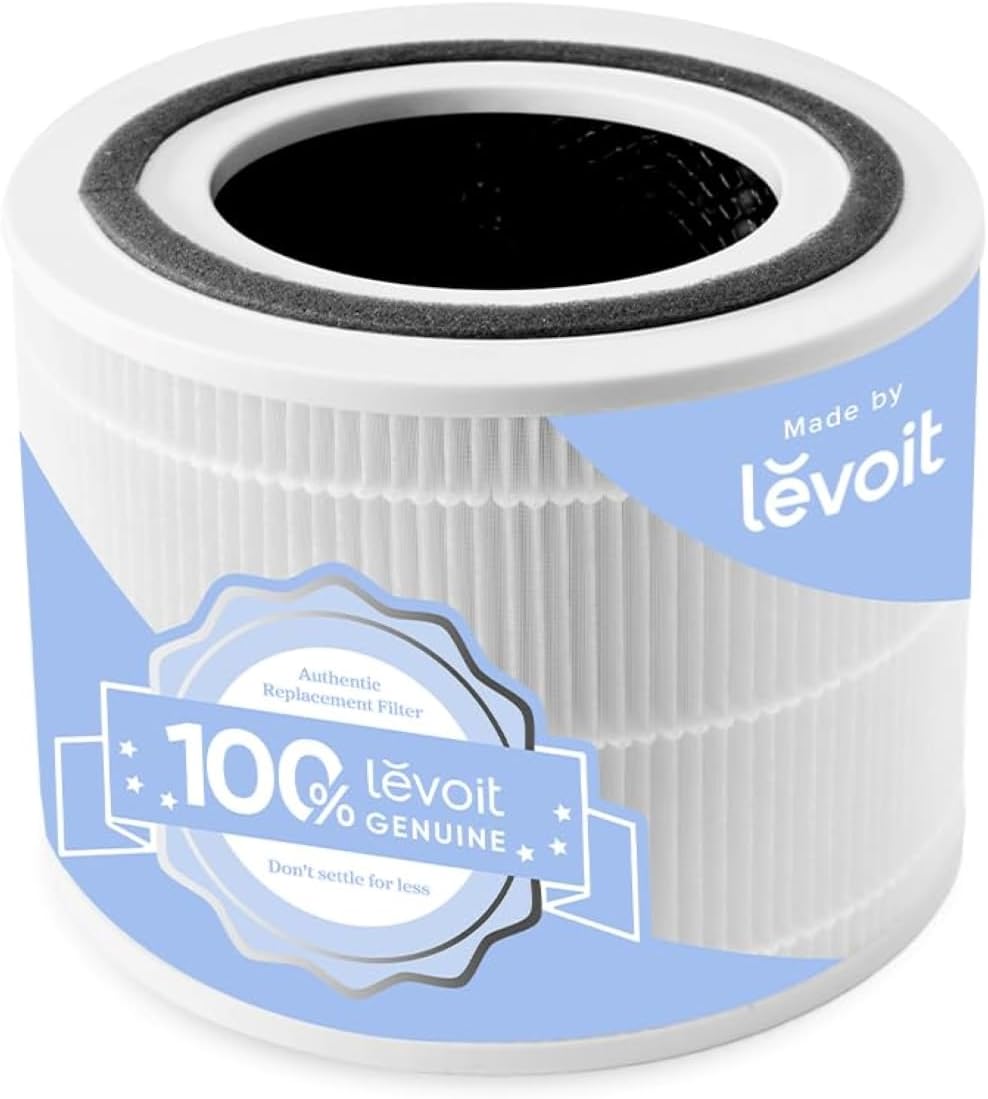
An air purifier is a device that removes pollutants from the air. It does this using filters. These filters trap particles like dust, pollen, pet dander, and smoke. Some air purifiers also use activated carbon to absorb odors and gases. They are designed to be safe for continuous use in occupied spaces.
How Air Purifiers Work
Air purifiers draw in air from a room. This air passes through one or more filters. A HEPA filter is common. It captures very small particles. Activated carbon filters capture gases and smells. Clean air is then released back into the room. This process is safe for everyone.
Ozonator vs Air Purifier: The Core Difference
The main difference between an ozonator and an air purifier lies in their method of air treatment and safety. Ozonators actively produce ozone gas, a known lung irritant, to neutralize contaminants. Air purifiers passively filter the air, trapping pollutants without releasing harmful byproducts. For occupied spaces, air purifiers are the safe and recommended choice.
Safety Concerns with Ozonators
Ozone gas is harmful to your respiratory system. Even low levels can cause coughing, shortness of breath, and throat irritation. High levels can cause more severe lung damage. The U.S. Environmental Protection Agency (EPA) warns against using ozone generators in occupied spaces. They are best used in unoccupied areas for specific remediation tasks.
Key Features of Air Purifiers
Air purifiers come with various features. These include different types of filters and fan speeds. Some have smart features like air quality sensors. They are designed to improve indoor air quality safely. You can run them continuously in your home.
Types of Air Purifier Filters
HEPA Filters: High-Efficiency Particulate Air filters capture 99.97% of particles 0.3 microns in size. This includes dust, pollen, pet dander, and mold spores.
Activated Carbon Filters: These filters absorb odors, smoke, and volatile organic compounds (VOCs). They make the air smell fresher.
Pre-filters: These capture larger particles like hair and dust bunnies. They help extend the life of the main filters.
When to Use an Ozonator (With Caution)
Ozonators are generally not recommended for everyday home use. They are best suited for professional mold remediation or odor removal in unoccupied spaces. For example, after a fire or flood, an ozonator can be used in an empty house. It needs to be aired out thoroughly before people can return.
Professional Applications of Ozone Generators
In certain industrial or specialized cleaning settings, ozone generators have a role. They can be used to decontaminate unoccupied rooms or vehicles. This is done by trained professionals. Strict safety protocols are followed. Air quality is tested before re-entry.
When to Choose an Air Purifier
You should choose an air purifier for daily use in your home. They are ideal for improving general indoor air quality. This is especially true if you have allergies, asthma, or pets. Air purifiers can help reduce airborne irritants. They create a healthier living environment.
Benefits of Using an Air Purifier Daily
Reduces Allergens: Traps pollen, dust mites, and pet dander.
Removes Odors: Activated carbon filters can eliminate cooking smells and pet odors.
Captures Smoke Particles: Helps clear smoke from cooking or wildfires.
Improves Sleep: Cleaner air can lead to better rest.
Safer for Pets and Children: Operates without releasing harmful gases.
Understanding Ozone Levels and Health Risks
Ozone is a gas that irritates the lungs. The EPA states that ozone is a lung irritant. It can worsen asthma and other respiratory conditions. Even at low concentrations, it can cause chest pain and coughing. The recommended safe level for ozone in homes is zero.
Scientific Consensus on Ozone Generators
Many health organizations and government agencies advise against using ozone generators in homes. They are considered a potential health hazard. The research consistently shows that ozone is harmful when inhaled. This is why air purifiers that don’t produce ozone are preferred.
Comparing Performance: Ozonator vs Air Purifier
When comparing ozonator vs air purifier, their performance differs greatly. An ozonator might quickly eliminate odors. However, it does so by releasing a harmful gas. An air purifier works more slowly. It physically removes particles and gases. This makes it a safer, long-term solution.
Effectiveness Against Different Pollutants
| Pollutant Type | Ozonator Effectiveness | Air Purifier Effectiveness |
| :——————- | :——————— | :————————- |
| Odors | High (but temporary) | Moderate to High |
| Dust & Allergens | None | High |
| Mold Spores | Partial (can kill) | High (traps) |
| Bacteria & Viruses | Partial (can kill) | Moderate (some models) |
| VOCs (Gases) | Moderate | Moderate to High |
Choosing the Right Device for Your Needs
Your choice depends on your goal. If you need to sanitize an unoccupied space after a specific incident, an ozonator might be considered by a professional. For continuous improvement of your home’s air quality, an air purifier is the clear and safe choice. Always prioritize health and safety.
Factors to Consider for Air Purifiers
Room Size: Choose a purifier rated for the square footage of your room.
CADR Rating: Clean Air Delivery Rate indicates how quickly it purifies.
Filter Type: Ensure it has a HEPA filter and an activated carbon filter for comprehensive cleaning.
Noise Level: Check decibel ratings for bedrooms or quiet spaces.
* Energy Consumption: Look for ENERGY STAR certified models.
Expert Opinions and Recommendations
Experts agree that air purifiers are the standard for improving indoor air quality in homes. They recommend devices with true HEPA filters. The American Lung Association also advises caution with ozone generators. They highlight the risks associated with inhaling ozone gas.
What Health Authorities Say
The U.S. Food and Drug Administration (FDA) has also issued warnings about ozone generators. They emphasize that ozone can be harmful. For general air cleaning in homes, HEPA air purifiers are the recommended technology. They offer effective air cleaning without health risks.
Frequently Asked Questions (FAQ)
Can I run an ozonator and an air purifier at the same time?
It’s generally not recommended. An ozonator releases ozone, which can damage the filters in an air purifier. Also, running both would expose you to harmful ozone gas.
Are air purifiers effective against viruses and bacteria?
Yes, HEPA filters can capture many airborne bacteria and viruses. Some air purifiers also have UV-C light technology to help neutralize them. However, they are not a substitute for good hygiene practices.
How often should I replace air purifier filters?
This varies by model and filter type. Typically, pre-filters need cleaning every few weeks. HEPA and carbon filters usually need replacement every 6 to 12 months. Check your purifier’s manual for specific recommendations.
Can air purifiers remove smoke smell?
Yes, air purifiers with activated carbon filters are very effective at removing smoke odors. They absorb the smell molecules from the air.
Is ozone from an ozonator good for you?
No, ozone is not good for you to breathe. It is a lung irritant and can cause health problems. It is best to avoid ozone exposure.
Conclusion: Your Healthier Air Choice
When considering ozonator vs air purifier, the choice for your home is clear. Air purifiers offer a safe and effective way to clean the air you breathe every day. They trap pollutants without releasing harmful gases. Ozonators have specific, limited uses in unoccupied spaces and should be handled with extreme caution. Prioritize your family’s health by choosing a quality air purifier. This will help create a fresher, cleaner, and safer indoor environment for everyone.
If you’re looking for a reliable way to improve your home’s air quality, explore our selection of top-rated air purifiers designed for everyday use.