
Multi Surface Floor Cleaner: Genius Essential Guide

The best multi surface floor cleaner tackles dirt and grime on all your floors. This guide helps you choose the right one for a spotless home, saving time and effort with smart cleaning solutions.
Cleaning floors can feel like a constant battle. Different rooms have different floors. Wood floors need gentle care. Tile needs something tough. Carpets demand deep cleaning. Trying to find the perfect cleaner for each can be confusing and expensive. It’s frustrating when one product damages another floor type. Wouldn’t it be easier to have one reliable cleaner that works everywhere? This guide will show you how to pick the best multi surface floor cleaner. It will make your cleaning life simpler and your home sparkle.
What is a Multi Surface Floor Cleaner?
A multi surface floor cleaner is a special cleaning solution designed to safely and effectively clean various types of flooring. This includes hard surfaces like tile, laminate, vinyl, and sealed hardwood, as well as sometimes carpets and rugs. It aims to simplify cleaning by reducing the need for multiple specialized products, saving you time and storage space.
Think of it like a universal remote for your floors. Instead of needing a different remote for your TV, DVD player, and sound system, one remote controls them all. A multi surface cleaner does the same for your floors, making cleaning less of a chore.
Why Choose a Multi Surface Floor Cleaner?
Choosing a multi surface floor cleaner offers significant advantages for busy households. It cuts down on clutter by replacing several specialized bottles. This saves money as you buy one product instead of many. It also simplifies your cleaning routine, making it faster and more efficient.
A good multi surface cleaner means you don’t have to stop and switch products between rooms. You can go from your kitchen tile to your living room hardwood without missing a beat. This convenience is a huge plus for anyone looking to streamline their chores.
Types of Multi Surface Floor Cleaners
Multi surface floor cleaners come in various forms to suit different cleaning needs and preferences. You can find them as liquids, sprays, or even convenient wipes. Some are concentrated and need to be diluted with water, while others are ready to use straight from the bottle.
There are also specialized formulas. Some are eco-friendly, using plant-based ingredients. Others are designed for specific concerns like pet messes or strong odors. Understanding these types helps you pick the one that best fits your home and cleaning style.
Key Ingredients to Look For
When selecting a multi surface floor cleaner, pay attention to its ingredients. Look for gentle yet effective cleaning agents like surfactants, which help lift dirt. For disinfecting properties, ingredients like hydrogen peroxide or specific quaternary ammonium compounds are common.
Avoid harsh chemicals like ammonia or bleach if you have sensitive surfaces or pets. Many eco-friendly options use natural degreasers and plant-derived cleaning agents. Always check the label to ensure it’s safe for all your floor types. For instance, a good cleaner for tile might contain mild acids to tackle grout grime, while one for wood would be pH-neutral.
How to Use a Multi Surface Floor Cleaner Effectively
Using a multi surface floor cleaner correctly ensures the best results without damaging your floors. Always start by sweeping or vacuuming loose dirt and debris. This prevents scratching surfaces when you mop.
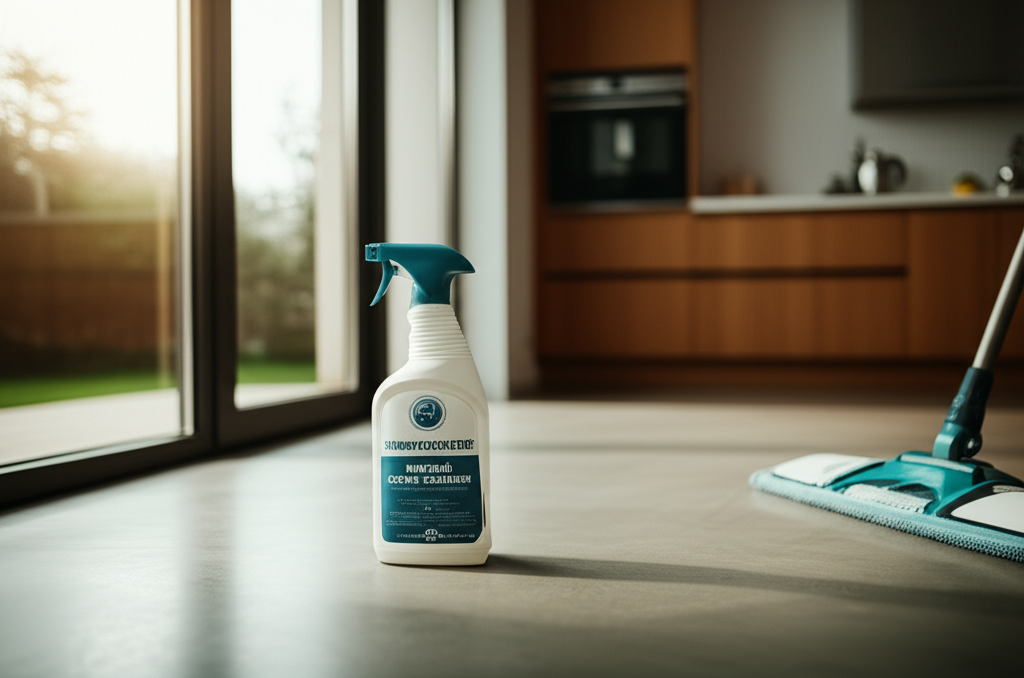
Next, follow the product’s instructions carefully. If it’s a concentrate, mix it with the recommended amount of water in your bucket. For spray bottles, simply spray evenly onto the floor section you are cleaning. Mop or wipe the area, rinsing your mop frequently.
Step-by-Step Cleaning Guide:
1. Preparation: Sweep or vacuum all floors thoroughly.
2. Dilution (if needed): Mix concentrate with water in a bucket as directed.
3. Application: Apply cleaner to a section of the floor using a mop or spray bottle.
4. Cleaning: Mop or wipe the area, working in sections.
5. Rinsing (optional): Some cleaners require a rinse with clean water, others do not. Check the label.
6. Drying: Allow floors to air dry or wipe with a clean, dry cloth for a streak-free finish.
Best Multi Surface Floor Cleaners for Different Needs
Choosing the right cleaner depends on your specific needs and floor types. For everyday cleaning and shine, many brands offer reliable solutions. For homes with pets, look for cleaners that tackle odors and are pet-safe.
Eco-conscious consumers can opt for natural or biodegradable formulas. If you have very sensitive flooring like unsealed wood or natural stone, you might need a highly specialized cleaner, even if it’s labeled “multi-surface.” Always test in an inconspicuous area first.
Here’s a quick look at some popular options:
| Cleaner Type | Best For | Key Features | Example Brands |
| :—————- | :—————————————– | :——————————————- | :—————————– |
| All-Purpose Liquid | Tile, laminate, vinyl, sealed wood | Concentrated, good value, fresh scent | Pine-Sol, Fabuloso, Clorox |
| Spray Cleaner | Quick cleanups, spot cleaning | Ready-to-use, convenient, streak-free finish | Swiffer WetJet solution, Windex |
| Natural/Eco-Friendly | Sensitive floors, allergies, environment | Plant-based, biodegradable, gentle | Method, Mrs. Meyer’s, Seventh Generation |
| Pet-Specific | Pet stains, odors, pet-friendly homes | Enzyme-based, odor neutralizers, safe | Nature’s Miracle, Rocco & Roxie |
How to Clean Different Floor Types Safely
While a multi surface cleaner is versatile, some floors require extra care. Sealed hardwood floors need cleaners that won’t strip the finish. Avoid excessive water, as it can damage the wood.
Laminate and vinyl floors are more forgiving but can be dulled by harsh chemicals. For tile and grout, you might need something that can cut through grease and grime effectively. Always refer to your flooring manufacturer’s recommendations if you’re unsure.
For example, when cleaning sealed hardwood floors:
Always dilute the cleaner as instructed.
Use a damp (not soaking wet) mop.
Avoid letting standing water sit on the floor.
Consider using a cleaner specifically formulated for wood floors if you have concerns.
Common Mistakes to Avoid
Many people make simple mistakes that can harm their floors or reduce cleaning effectiveness. Using too much cleaner is a common error; it can leave a sticky residue that attracts more dirt. Using a dirty mop or bucket also spreads grime instead of cleaning it.
Another mistake is using a cleaner not suited for a particular floor type, like using an abrasive cleaner on delicate wood. Always read the label and test in a small area first. Harsh scrubbing can also damage finishes.
Mistakes to Avoid:
Using too much product.
Using a dirty mop or water.
Using the wrong cleaner for your floor type.
Not sweeping or vacuuming first.
* Scrubbing too hard.
Maintaining Your Floors for Longevity
Regular maintenance is key to keeping your floors looking great for years. This includes daily sweeping or vacuuming to remove grit that can scratch surfaces. Promptly cleaning up spills prevents stains from setting in.
Using the right multi surface floor cleaner and following proper cleaning techniques contributes to floor longevity. Avoid abrasive tools or harsh chemicals that can dull finishes or damage materials. A little consistent care goes a long way.
Frequently Asked Questions (FAQ)
Q1: Can I use a multi surface floor cleaner on my hardwood floors?
Yes, but only if the cleaner is specifically labeled as safe for sealed hardwood. Always test in an inconspicuous area first and use a damp mop.
Q2: How often should I clean my floors with a multi surface cleaner?
This depends on foot traffic and how dirty your floors get. For most homes, cleaning once or twice a week is sufficient.
Q3: Do I need to rinse after using a multi surface floor cleaner?
Check the product label. Some are no-rinse formulas, while others require a wipe-down with clean water to prevent residue.
Q4: Are natural multi surface floor cleaners as effective as chemical ones?
Many natural cleaners are highly effective for general cleaning. For very tough grime or disinfection, some chemical cleaners might offer stronger results.
Q5: Will a multi surface cleaner disinfect my floors?
Some multi surface cleaners have disinfecting properties, but not all. Look for labels that state “disinfects” and check the active ingredients.
Conclusion
Finding the perfect multi surface floor cleaner can truly simplify your cleaning routine. By understanding the different types, key ingredients, and proper usage for your specific floor types, you can achieve a spotless home with less effort. Remember to always read labels, test new products, and prioritize gentle yet effective cleaning. Making informed choices ensures your floors stay beautiful and well-maintained for years to come.
