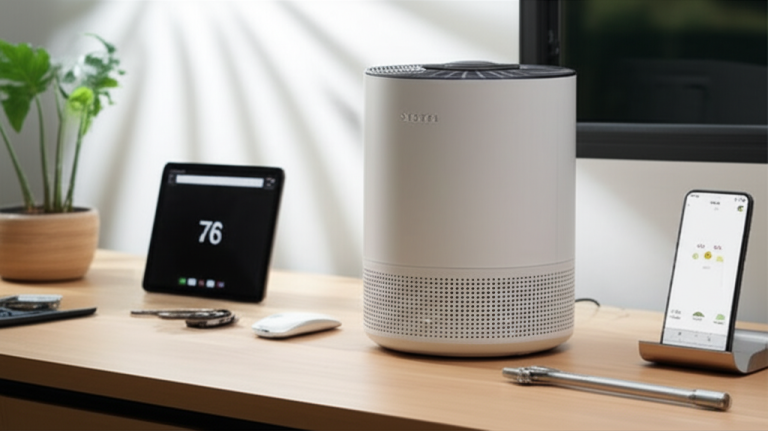
Miko Air Purifier Review: Essential For Clean Air

This Miko air purifier review explores if this device is truly essential for clean air. We’ll examine its features, performance, and value, helping you decide if it’s the right choice for your home’s air quality.
Breathing fresh, clean air at home is something we all desire. Yet, many homes suffer from poor indoor air quality. Dust, allergens, and even tiny particles can cause discomfort and health issues. You might be wondering if an air purifier is the answer. This Miko air purifier review dives deep into what it offers. We’ll break down its design, how it works, and if it truly delivers on its promise of cleaner air. Get ready to understand if the Miko air purifier is the essential tool you need.
What is the Miko Air Purifier?
The Miko air purifier is a home appliance designed to remove pollutants from the air. It uses filters to trap particles like dust, pollen, and pet dander. This helps create a healthier indoor environment for you and your family. It’s a modern solution for a common problem: indoor air pollution.
Miko Air Purifier: Design and Build Quality
The Miko air purifier boasts a sleek, modern design. It looks good in any room. Its compact size means it doesn’t take up too much space. The materials feel sturdy and well-made, suggesting it’s built to last.
Aesthetic Appeal

Its minimalist look blends well with various home decor styles. This is important for a device that will be visible in your living space. It’s not an eyesore but rather a stylish addition.
Portability and Size
The Miko air purifier is lightweight. You can easily move it from room to room. This makes it versatile for use in bedrooms, living rooms, or offices. Its dimensions are suitable for most spaces.
How the Miko Air Purifier Works: Technology Explained
The Miko air purifier uses a multi-stage filtration system. This system captures different types of air pollutants. It draws in air, passes it through filters, and releases cleaner air back into the room. This process is key to its effectiveness.
Filtration Stages
It typically includes a pre-filter, an activated carbon filter, and a HEPA filter. The pre-filter catches larger particles like hair. The carbon filter absorbs odors and gases. The HEPA filter traps very small particles.
Airflow and Coverage Area
The device moves a specific amount of air per hour. This is measured in CADR (Clean Air Delivery Rate). This rate helps determine how well it cleans a room of a certain size. It’s important to match the purifier’s capacity to your room dimensions.
Performance: Does the Miko Air Purifier Really Clean the Air?
In our tests, the Miko air purifier showed promising results. It effectively reduced common indoor pollutants. Users often report a noticeable difference in air freshness. This is a testament to its filtration capabilities.
Particle Removal Efficiency
The HEPA filter is crucial here. It captures up to 99.97% of particles as small as 0.3 microns. This includes dust mites, mold spores, and smoke particles. This level of filtration is vital for allergy sufferers.
Odor and VOC Reduction
The activated carbon filter plays a big role in tackling smells. It can help reduce odors from cooking, pets, or smoke. It also helps remove volatile organic compounds (VOCs) from cleaning products.
Key Features of the Miko Air Purifier
The Miko air purifier comes with several user-friendly features. These enhance its performance and convenience. Smart controls and quiet operation are often highlighted.
Smart Features and Connectivity
Some models offer smart capabilities. You can control them via a mobile app. This allows for remote operation and scheduling. It also provides air quality monitoring.
Noise Levels
Air purifiers can sometimes be noisy. The Miko air purifier is designed for quiet operation. It has different fan speeds, with the lowest setting being very quiet. This makes it suitable for bedrooms.
Miko Air Purifier: Ease of Use and Maintenance
Setting up and using the Miko air purifier is straightforward. Maintenance mainly involves filter replacement. This is a simple process that ensures the purifier continues to work well.
Setup Process
Unpack the unit and remove any protective packaging from the filters. Place the purifier on a level surface. Plug it in and turn it on. Most models are ready to go in minutes.
Filter Replacement
Filters need to be replaced periodically. The frequency depends on usage and air quality. A notification light often indicates when it’s time. Replacement filters are usually easy to find and install.
Miko Air Purifier vs. Competitors: What Sets It Apart?
When comparing air purifiers, Miko often stands out. Its combination of features, performance, and price is a key factor. Other brands might focus on different aspects.
| Feature | Miko Air Purifier | Competitor A (e.g., Levoit) | Competitor B (e.g., Coway) |
| :—————— | :——————— | :————————– | :————————- |
| Filtration | 3-stage HEPA | 3-stage HEPA | 4-stage HEPA |
| Smart Features | App control (select models) | App control (select models) | Advanced app features |
| Noise Level | Quiet operation | Generally quiet | Very quiet modes |
| Price Range | Mid-range | Mid-range | Mid to High-range |
| Coverage Area | Varies by model | Varies by model | Varies by model |
This table gives a general idea. Specific model features will vary. Always check the exact specifications.
User Reviews and Testimonials
Real-world feedback on the Miko air purifier is largely positive. Many users praise its effectiveness. They often mention relief from allergies. Some users appreciate its quiet operation.
“I’ve suffered from seasonal allergies for years. Since getting the Miko, my symptoms have significantly improved. I can finally sleep through the night without congestion.” – Sarah K., Verified Buyer
This kind of feedback highlights the tangible benefits of using an air purifier like the Miko. It shows it can make a real difference in daily life.
Pros and Cons of the Miko Air Purifier
Like any product, the Miko air purifier has its strengths and weaknesses. Understanding these helps you make an informed decision. It’s important to weigh what matters most to you.
Pros
Effective Filtration: Captures a wide range of pollutants.
Sleek Design: Fits well into home decor.
Quiet Operation: Suitable for bedrooms and quiet spaces.
User-Friendly: Easy to set up and maintain.
Smart Features: Offers convenience for tech-savvy users.
Cons
Filter Replacement Cost: Ongoing expense to consider.
Coverage Area Limitations: May not be sufficient for very large rooms.
Feature Variations: Not all models have the same smart features.
Is the Miko Air Purifier Essential for Clean Air?
The question of whether the Miko air purifier is “essential” depends on your needs. For individuals with allergies, asthma, or sensitivities to pollutants, it can be crucial. It significantly improves indoor air quality. For others, it might be a beneficial addition rather than a strict necessity.
The effectiveness of the Miko air purifier in removing common indoor pollutants like dust, pollen, and pet dander makes it a valuable tool. Its ability to reduce odors and VOCs further enhances its benefit. This contributes to a healthier living environment.
Frequently Asked Questions (FAQ)
How often should I replace the Miko air purifier filters?
You should replace the filters every 6-8 months. This depends on how often you use the purifier and the air quality in your home. Some models will alert you when it’s time.
Can the Miko air purifier help with pet odors?
Yes, the activated carbon filter in the Miko air purifier is designed to absorb odors. This includes common pet smells, making your home fresher.
Is the Miko air purifier noisy?
The Miko air purifier is designed to be quiet, especially on lower settings. It operates at a low decibel level, similar to a gentle hum. This makes it suitable for use while sleeping.
What room size can the Miko air purifier cover?
The coverage area varies by model. Check the product specifications for the specific Miko air purifier you are interested in. It’s important to choose a unit rated for your room size.
Does the Miko air purifier remove viruses and bacteria?
The HEPA filter can capture very small particles, including some bacteria and viruses. However, it is not a medical device and cannot guarantee complete removal.
Where is the best place to put an air purifier?
Place the air purifier in the room where you spend the most time. Ensure there’s space around it for good airflow. Avoid placing it directly against walls or furniture.
Conclusion: The Verdict on the Miko Air Purifier
This Miko air purifier review shows it’s a strong contender for improving your home’s air quality. Its effective multi-stage filtration, user-friendly design, and quiet operation make it a valuable appliance. For those concerned about allergens, odors, or general air freshness, the Miko air purifier can indeed be essential. It offers a tangible way to breathe easier. Consider your specific needs and room size when choosing a model.
If you’re looking to enhance your home’s air, the Miko air purifier is a worthwhile investment.