Living Air Air Purifier Reviews: Essential & Genius

Living Air air purifier reviews reveal these devices offer essential and genius solutions for cleaner indoor air, tackling allergens and pollutants effectively.
Breathing clean air at home is super important. Many homes have stuff in the air that isn’t good for us. This can make us cough or sneeze more. It can also make breathing harder for some people. Finding the right air purifier can feel like a big puzzle. We want to help you solve it. This guide will look at Living Air air purifiers. We’ll explore if they are a genius choice for your home.
Why Clean Air Matters So Much
Clean air is vital for our health and well-being. Indoor air can be up to five times more polluted than outdoor air. This is according to the U.S. Environmental Protection Agency (EPA). These pollutants include dust, pollen, pet dander, mold spores, and even tiny particles from cooking or smoke. Breathing these in can lead to allergies, asthma, and other respiratory problems. Living Air air purifiers aim to remove these harmful particles. They help create a healthier environment inside your home.
The Invisible Invaders in Your Home
Many things we can’t see are floating in our air. These include microscopic dust mites, tiny bits of skin we shed, and pollen that blows in. Mold can grow in damp places and release spores. Pet dander is a common trigger for allergies. Even cooking and burning candles create particles. These invisible invaders can affect how we feel and breathe every day.
What is a Living Air Air Purifier?
Living Air air purifiers are designed to clean the air in your home. They use different technologies to capture and remove airborne particles. The goal is to make the air you breathe fresher and healthier. They can help reduce symptoms for people with allergies or breathing issues. Many models are also designed to be quiet and easy to use.
How Do They Work?
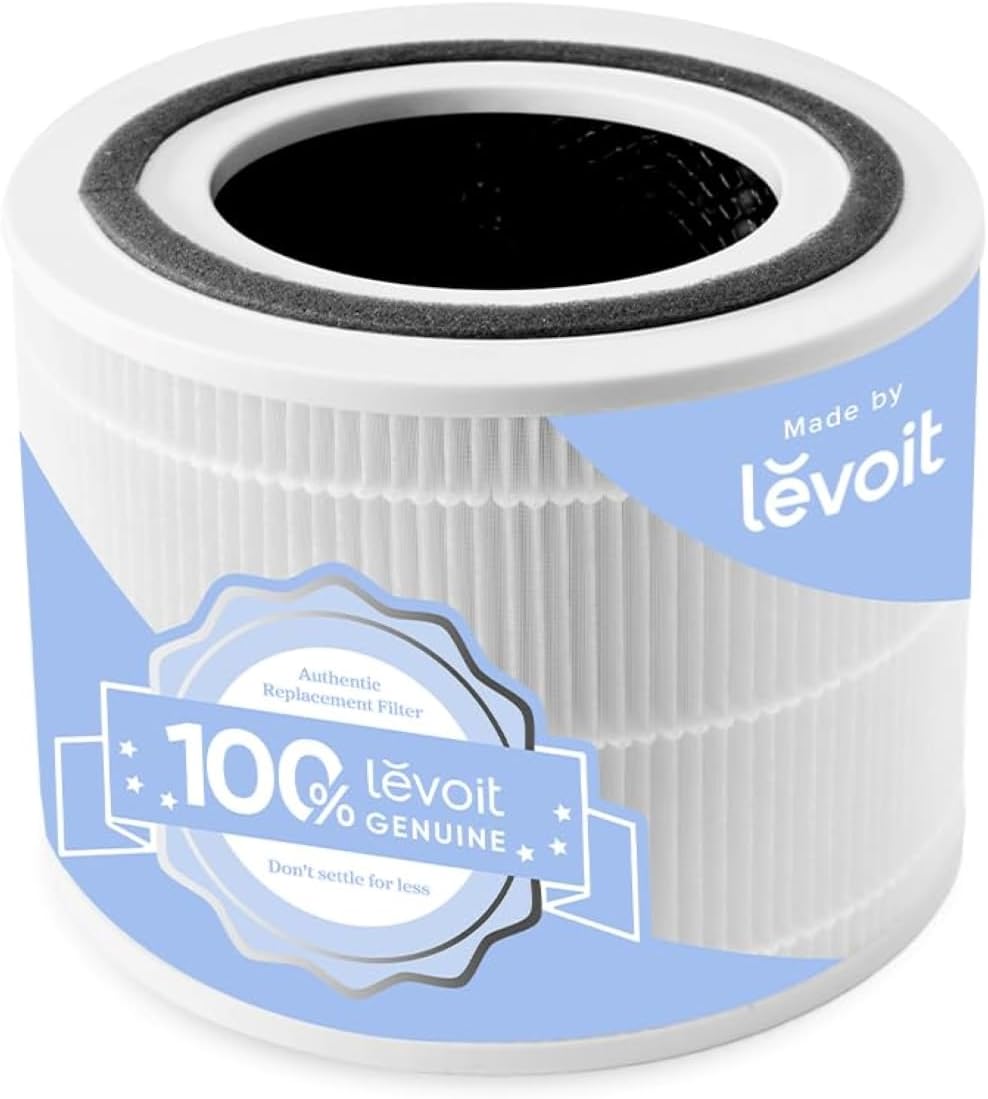
Most Living Air air purifiers use a multi-stage filtration system. This often includes a pre-filter for larger particles like hair. Then, a HEPA filter captures smaller particles like dust and pollen. Some models also have an activated carbon filter. This filter helps remove odors and gases. Certain Living Air models might use other technologies like UV-C light. This is to help kill germs.
Key Features to Look For in Living Air Air Purifiers
When choosing a Living Air air purifier, several features are important. These help ensure it works well for your needs. Think about the size of the room it will be in. Also, consider the types of pollutants you want to remove. Noise level is another factor for many people. Ease of use and filter replacement are also key considerations.
Filtration Technology: HEPA and Beyond
The heart of any air purifier is its filter. A True HEPA filter is a must-have. It captures 99.97% of particles as small as 0.3 microns. This includes things like dust, pollen, and pet dander. Look for models with an activated carbon filter too. This is great for getting rid of smells from pets, cooking, or smoke. Some advanced models might offer additional purification methods.
Room Coverage and CADR Ratings
It’s crucial to match the air purifier’s size to your room. Air purifiers have a Clean Air Delivery Rate (CADR) rating. This tells you how quickly it can clean the air in a specific room size. A higher CADR means faster cleaning. Check the manufacturer’s recommendations for room size. Using a purifier that’s too small won’t be effective.
Noise Levels and Sleep Modes
Air purifiers can sometimes be noisy. This can be disruptive, especially in bedrooms. Many Living Air models offer quiet operation. Look for models with decibel (dB) ratings. Lower numbers mean quieter operation. Many also have a “sleep mode.” This mode runs the purifier at its lowest, quietest setting. It often turns off the display lights too.
Smart Features and App Control
Some Living Air air purifiers come with smart technology. You can often control them using a smartphone app. This lets you adjust settings, check filter life, and set schedules from anywhere. Some models can even monitor your indoor air quality. They might automatically adjust their fan speed based on pollution levels. This adds convenience and efficiency.
Living Air Air Purifier Models: A Closer Look
Living Air offers a range of models. Each is designed for different needs and room sizes. Let’s explore some popular options and what makes them stand out. This will help you see which might be the best fit for your home.
Living Air Classic Series: Reliable and Effective
The Living Air Classic series is often a top choice for many homes. These units are known for their solid performance. They typically feature a multi-stage filtration system. This includes HEPA and carbon filters. They are great for general air purification. They handle common allergens and odors well.
Living Air Smart Series: Connected and Convenient
If you love technology, the Living Air Smart series is for you. These models offer app control. You can manage your air purifier from your phone. They also often have advanced sensors. These sensors detect changes in air quality. The purifier can then adapt its settings automatically. This provides a hands-off approach to clean air.
Living Air Compact Models: Small Spaces, Big Impact
For smaller rooms like offices or bedrooms, compact Living Air models are ideal. They provide powerful purification in a smaller footprint. These units are still effective at removing pollutants. They are a great option when space is limited. They offer a quiet and efficient way to improve air quality.
User Experiences and Living Air Air Purifier Reviews
Real user feedback is incredibly valuable. Reading Living Air air purifier reviews can give you insights. Many users report a noticeable difference in air quality. They often mention reduced allergy symptoms. Some praise the quiet operation. Others appreciate the ease of use and filter changes.
What Users Love About Living Air
Many reviewers highlight the effectiveness of Living Air purifiers. They often say they notice less dust. People with pets frequently mention a reduction in pet odors. The quietness of some models is also a big plus. Users find the smart features in the newer models very convenient.
Common Criticisms and Considerations
Some users might find filter replacement costs a bit high over time. Others might wish for more advanced features on the basic models. It’s important to consider the long-term cost of filters. Always check the specific model’s features. This ensures it meets all your expectations.
Living Air vs. Competitors: Where Do They Stand?
The air purifier market is competitive. Many brands offer similar features. Comparing Living Air to other brands helps you make an informed choice. Brands like Coway, Blueair, and Levoit are popular. Each has its strengths and weaknesses.
Price and Value Comparison
Living Air often falls in the mid-range price category. They offer good value for the features provided. Some competitors might be cheaper but offer fewer features. Others might be more expensive with specialized technology. For essential purification, Living Air provides a strong balance.
Performance and Features Compared
When looking at performance, Living Air models hold their own. Their HEPA filtration is standard and effective. Their smart features are competitive with other brands. Some high-end competitors might offer more advanced sensors or unique purification methods. However, for most homes, Living Air covers the essentials brilliantly.
Setting Up and Maintaining Your Living Air Purifier
Getting your Living Air air purifier set up is usually straightforward. Following a few simple steps ensures it works its best. Regular maintenance is key to its long-term performance. This keeps the air flowing and the filters working efficiently.
Initial Setup Steps
1. Unpack the unit: Carefully remove all packaging materials.
2. Remove filter packaging: Open the purifier and take off any plastic wrap from the filters.
3. Place the unit: Position it on a flat surface in the room you want to purify. Ensure good airflow around it.
4. Plug it in: Connect the power cord and turn it on.
5. Select a setting: Choose a fan speed or mode.
Filter Replacement Schedule
Filters don’t last forever. They get clogged with all the particles they capture. You will need to replace them periodically. The exact schedule depends on your air quality and how often you run the purifier. Most Living Air models have a filter life indicator. This will tell you when it’s time for a change. Typically, HEPA filters need replacing every 6-12 months. Carbon filters might need changing more often.
Is a Living Air Air Purifier Right for You?
Deciding if a Living Air air purifier is the best choice depends on your needs. They are generally well-regarded for their effectiveness. They offer a good blend of features and value. Consider your budget, room size, and specific air quality concerns.
Who Benefits Most from Living Air?
Allergy Sufferers: If you struggle with seasonal allergies, a Living Air unit can trap pollen and dust.
Pet Owners: They are great for reducing pet dander and odors.
City Dwellers: Homes in urban areas often benefit from improved air quality due to pollution.
Health-Conscious Individuals: Anyone wanting to ensure a healthier indoor environment will find them useful.
Making Your Final Decision
Living Air air purifiers offer essential purification with some genius features. They are a solid choice for many households. They effectively remove common pollutants. They are user-friendly and offer good value. For essential and genius air cleaning, they are a strong contender.
Frequently Asked Questions About Living Air Air Purifiers
Q1: How often do I need to replace the filters in my Living Air air purifier?
Most Living Air air purifiers have filters that need replacing every 6 to 12 months. This depends on how dirty your air is and how much you use the purifier. Check your model’s manual for specific times. Many units have a filter indicator light.
Q2: Can Living Air air purifiers help with smoke odors?
Yes, Living Air air purifiers with activated carbon filters are very effective at removing smoke odors. The carbon absorbs the smell particles. This makes your air smell fresher.
Q3: Are Living Air air purifiers noisy?
Many Living Air models are designed for quiet operation. They often have different fan speeds. The lowest setting is usually very quiet. Some models have a special sleep mode for minimal noise.
Q4: What does CADR mean for a Living Air air purifier?
CADR stands for Clean Air Delivery Rate. It measures how fast an air purifier can clean a room. A higher CADR means it cleans the air more quickly. Living Air units are rated for specific room sizes.
Q5: Can I leave my Living Air air purifier on all the time?
Yes, it is generally safe to leave your Living Air air purifier on all the time. Running it continuously helps maintain good air quality. It’s designed for constant use to keep your air clean.
Q6: Do Living Air air purifiers use ozone?
Most Living Air air purifiers do not produce ozone. They rely on HEPA and carbon filters. Some older or different types of air cleaners might use ionization. Always check the product specifications if ozone is a concern for you.
Conclusion: Essential Clean Air Solutions from Living Air
In summary, Living Air air purifiers offer essential and genius solutions for cleaner indoor air. They effectively tackle common pollutants like dust, pollen, and odors. With various models to suit different needs and budgets, they provide real value. Many users find them to be a reliable way to improve their home’s air quality. If you’re looking for a straightforward yet effective air purification system, Living Air air purifier reviews show they are a smart investment for a healthier home. Consider your room size and specific needs to find the perfect Living Air model for you.