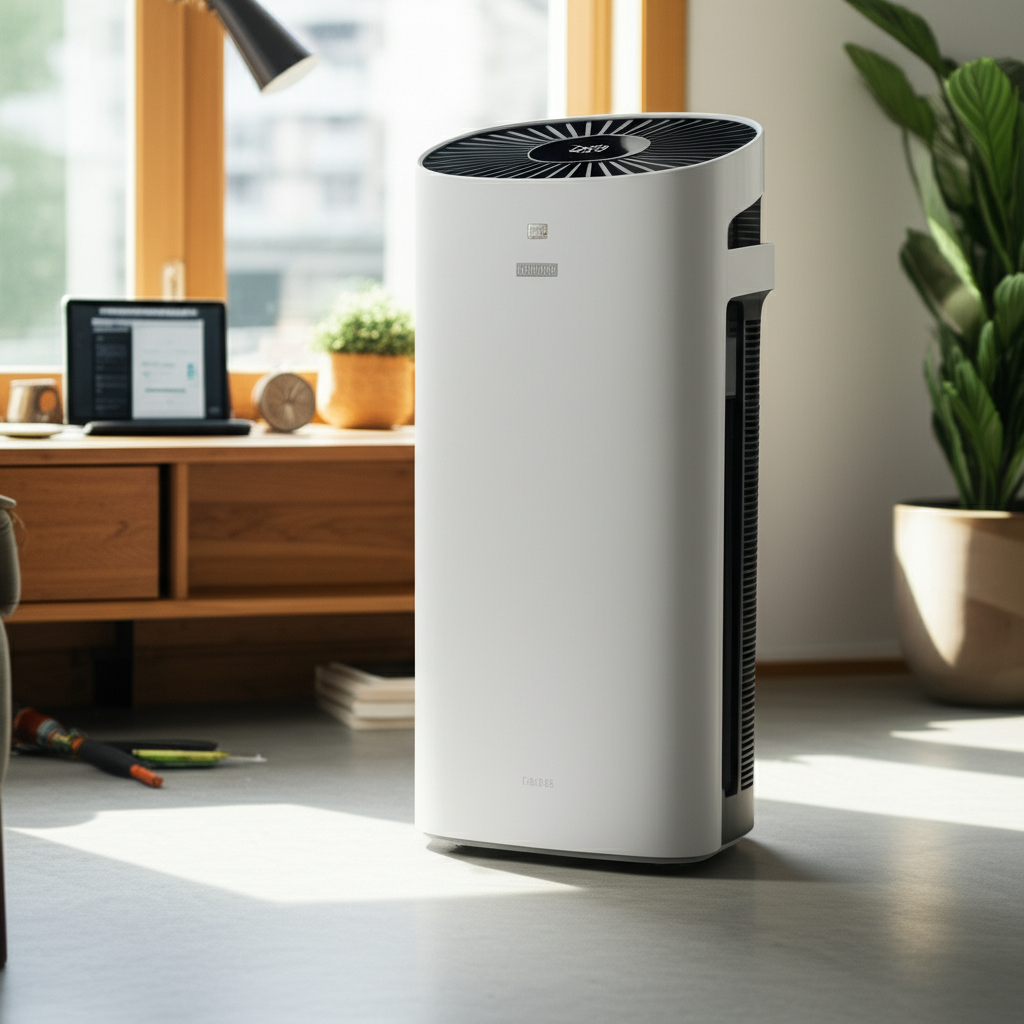
Large Room Air Purifier Reviews: Essential Buys

Discover the best large room air purifier reviews to ensure clean air in your spacious home. We break down top models, essential features, and what truly matters for healthy living spaces.
Breathing fresh air at home is important for everyone. But in larger rooms, the air can feel stuffy. Dust, pet dander, and allergens can build up quickly. Finding the right air purifier for a big space can seem tricky. This guide will help you choose the perfect large room air purifier. We will look at the best options available.
Why You Need a Large Room Air Purifier
A large room air purifier is designed to clean the air in bigger spaces. Standard purifiers might not be strong enough for living rooms, open-plan areas, or master bedrooms. These machines use filters to trap tiny particles like dust, pollen, and smoke. This can make breathing easier, especially for people with allergies or asthma. It also helps reduce odors.
A good air purifier for a large room can significantly improve your home’s air quality. It works by circulating the air and passing it through a series of filters. These filters capture pollutants, leaving the air cleaner and fresher.
Key Features to Look For in Large Room Air Purifiers
When choosing a large room air purifier, certain features are crucial. You want a unit that can handle the volume of air in your space. Look for a high CADR (Clean Air Delivery Rate). This rating tells you how fast the purifier cleans the air. Also, consider the filter type. HEPA filters are the gold standard for capturing small particles.
Other important features include noise levels, energy efficiency, and smart controls. Some models offer app connectivity for remote operation. Think about the size of the room you need to cover. Manufacturers usually specify the room size each purifier is best suited for.
Understanding Air Purifier Ratings and Certifications
Air purifier ratings and certifications help you understand performance. The CADR rating is vital for large rooms. Higher CADR means faster air cleaning. The Association of Home Appliance Manufacturers (AHAM) provides CADR ratings. Look for ENERGY STAR certification for energy efficiency. This means the unit uses less electricity, saving you money.
Some purifiers are also certified by independent bodies. These certifications ensure they meet specific standards for performance and safety. Always check for these seals to be sure.
Top Large Room Air Purifier Reviews: Our Picks
After reviewing many models, we’ve identified some top performers for large spaces. The Coway Airmega 400 is often praised for its powerful performance and coverage. It uses a multi-stage filtration system. The Levoit Core 300S is another popular choice, known for its quiet operation and smart features. It’s great for medium to large rooms.
The Blueair Classic 605 offers excellent air cleaning power and a sleek design. It is suitable for very large areas. These models consistently receive high marks in user reviews for their effectiveness.
Comparing Air Purifier Performance: A Data Snapshot
To help you compare, here’s a look at some key specs for popular large room air purifiers.
| Model | Room Size Coverage (sq. ft.) | CADR (Smoke) | Noise Level (dB) | Filter Type |
| :——————- | :————————— | :———– | :————— | :————— |
| Coway Airmega 400 | Up to 1,575 | 272 | 22-53 | HEPA, Carbon |
| Levoit Core 300S | Up to 540 | 141 | 24-50 | HEPA, Carbon |
| Blueair Classic 605 | Up to 782 | 350 | 32-56 | HEPA, Carbon |
This table shows how different models stack up. Remember that CADR ratings can vary by pollutant. Always check the manufacturer’s specifications for your specific needs.
Filter Types Explained: HEPA, Carbon, and Beyond
The type of filter in an air purifier determines what it can remove. A True HEPA filter is essential. It captures at least 99.97% of airborne particles 0.3 microns in size. This includes dust, pollen, pet dander, and mold spores. Activated carbon filters are also important. They absorb odors from cooking, pets, and smoke.
Some purifiers use pre-filters to catch larger particles like hair. This extends the life of the main HEPA filter. Understanding these filters helps you choose the best protection for your home.
Advanced Features: Smart Controls and Air Quality Sensors
Modern large room air purifiers often come with smart features. Many connect to Wi-Fi and can be controlled via a smartphone app. This allows you to adjust settings, check filter life, and monitor air quality remotely. Air quality sensors are also a great addition. They automatically adjust the fan speed based on the current air pollution levels.
These sensors can detect changes in real-time. This ensures your purifier works efficiently without constant manual adjustments. It provides peace of mind.
Installation and Maintenance: Keeping Your Purifier Running
Setting up your large room air purifier is usually straightforward. Most models are plug-and-play. You just need to remove the filters from their packaging. Then, place the unit in your desired location. Ensure there’s enough space around it for air circulation.
Maintenance is key to effective performance. You’ll need to clean or replace the filters regularly. The frequency depends on your air quality and the purifier model. Always follow the manufacturer’s instructions. A clean filter works best.
User Experiences and Expert Opinions on Large Room Air Purifiers
Many users report significant improvements in air quality after using large room air purifiers. People with allergies often notice fewer symptoms. Pet owners appreciate the reduction in pet odors and dander. Experts agree that for larger homes, a powerful, well-rated unit is a wise investment.
A study by the Environmental Protection Agency (EPA) highlights the benefits of air cleaners for indoor air quality. They state that air cleaners can reduce particle pollution. Choosing a purifier with a high CADR is often recommended for large spaces.
Frequently Asked Questions About Large Room Air Purifiers
Q1: How large a room can a large room air purifier cover?
Most large room air purifiers are designed for spaces between 500 and 1,500 square feet. Always check the manufacturer’s recommended coverage area. This ensures it can effectively clean the air in your specific room.
Q2: How often do I need to replace the filters?
Filter replacement varies by model and usage. Typically, HEPA filters need replacing every 6 to 12 months. Carbon filters might need replacing more often if you have strong odors. Check your purifier’s manual for specific recommendations.
Q3: Are air purifiers noisy?
Noise levels vary greatly between models. Lower settings are usually very quiet, often under 30 dB. Higher settings will be louder, similar to a fan. Look for models with a “sleep mode” for quiet operation at night.
Q4: Do air purifiers really help with allergies?
Yes, air purifiers can significantly help with allergies. They capture allergens like pollen, dust mites, and pet dander. This reduces the amount of these irritants in the air you breathe. Many allergy sufferers find relief with consistent use.
Q5: Can an air purifier remove smoke smell?
A good air purifier with an activated carbon filter can effectively remove smoke smells. The carbon absorbs odor molecules. For heavy smoke, a purifier with a high CADR and a substantial carbon filter is best.
Q6: Is it worth buying a smart air purifier?
Smart features can be very convenient. They allow remote control and air quality monitoring. If you like technology and want to manage your air purifier from your phone, it’s a great addition.
Conclusion: Investing in Your Home’s Air Quality
Choosing the right large room air purifier is an investment in your health and comfort. These machines are essential buys for anyone with a larger living space. They tackle airborne pollutants effectively. Look for high CADR ratings and True HEPA filters. Smart features can add convenience. By following these tips, you can find a purifier that keeps your large rooms filled with clean, fresh air. Your lungs will thank you.