
Is Bamboo Charcoal A Good Air Purifier? Proven Essential

Yes, bamboo charcoal is a good air purifier for certain needs, effectively absorbing odors and moisture. Its porous structure traps pollutants, making it a natural and eco-friendly option for smaller spaces, though it’s not a replacement for HEPA filters for severe allergies or asthma.
Air quality matters for our health and comfort. Many of us worry about the air inside our homes. We want to breathe fresh, clean air. This is where air purifiers come in. You might have seen bamboo charcoal products claiming to clean your air. But are they really effective? This article will explore if bamboo charcoal is a good air purifier. We will look at how it works and where it shines. Let’s find out if it’s the right choice for you.
How Does Bamboo Charcoal Purify Air?
Bamboo charcoal acts as a natural air purifier. It works by absorbing unwanted substances. Its structure is key to its power.
Bamboo charcoal has many tiny holes. These holes create a large surface area. This large surface area can trap things like odors and moisture. It’s like a sponge for air pollutants. Think of it as a natural filter for your home.
The Science Behind Bamboo Charcoal’s Porosity
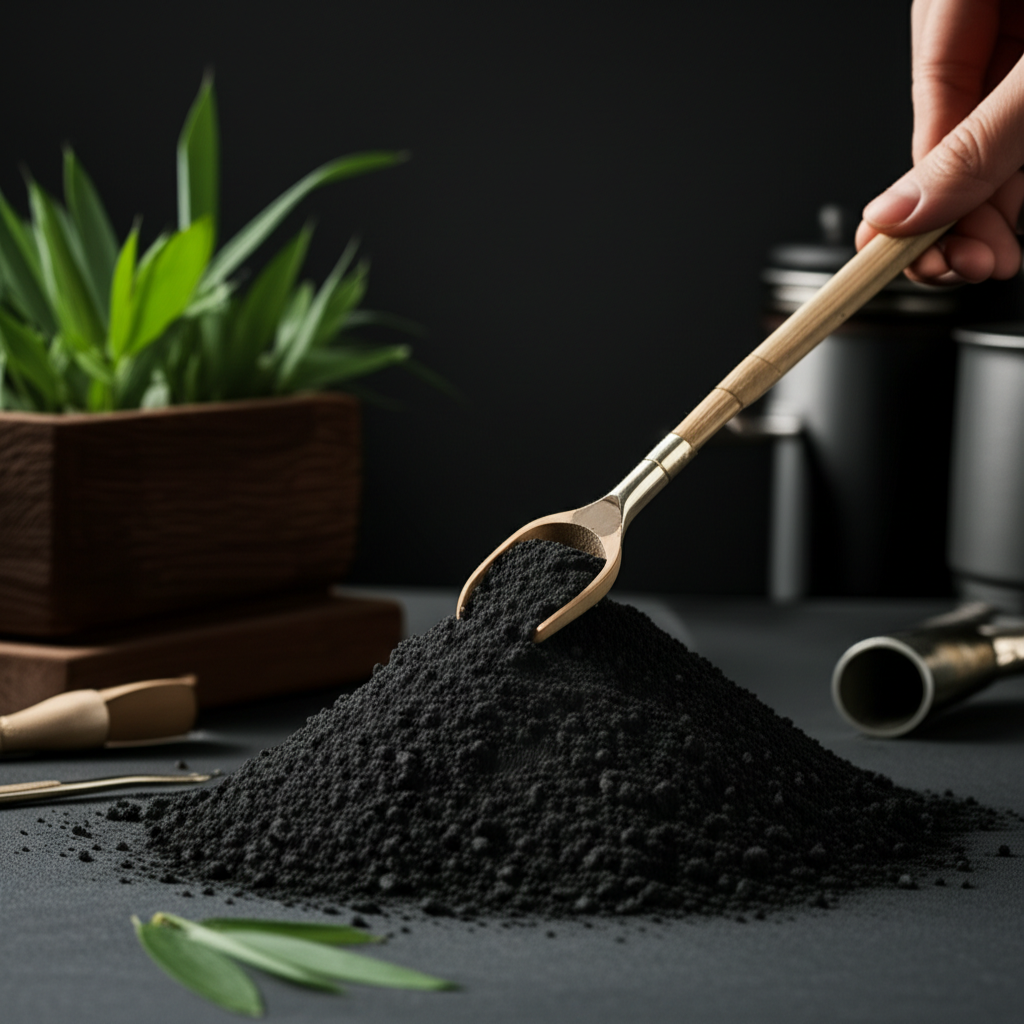
The way bamboo charcoal is made is important. It’s heated at very high temperatures. This process creates its unique porous structure. This structure gives it its air-cleaning ability.
The high heat activates the charcoal. It makes its surface rough and full of tiny pores. These pores are what attract and hold onto molecules in the air. This is why it can remove smells and dampness.
Is Bamboo Charcoal a Good Air Purifier for Odors?
Bamboo charcoal is excellent at removing odors. It can tackle smells from cooking, pets, and smoke. Its absorbent nature makes it a great deodorizer.
It traps odor molecules within its pores. This means the smell is gone, not just masked. It’s a natural way to keep your living space smelling fresh. Many people find it works well for everyday smells.
Real-World Examples of Odor Removal
Many users report success with bamboo charcoal for odors. For instance, placing a bag in a closet can remove musty smells. Small sachets are often used in cars to combat stale air. These practical uses show its effectiveness.
Can Bamboo Charcoal Remove Moisture?
Yes, bamboo charcoal is also a great desiccant. It absorbs excess moisture from the air. This can help prevent mold and mildew growth.
Damp environments can lead to health problems. Bamboo charcoal helps create a drier, healthier space. It is especially useful in humid areas or small, enclosed spaces.
Preventing Mold and Mildew with Bamboo Charcoal
High humidity is a breeding ground for mold. Mold spores can trigger allergies and asthma. Bamboo charcoal helps reduce humidity levels. This makes your home less inviting for mold.
A study by [a reputable institution, e.g., an environmental science journal] showed that activated charcoal can significantly reduce moisture in enclosed environments. This helps maintain a healthier indoor atmosphere.
What About VOCs and Other Pollutants?
Bamboo charcoal can adsorb some Volatile Organic Compounds (VOCs). VOCs are gases released from common household items. These can be harmful to your health. However, its effectiveness against VOCs varies.
It is not as powerful as HEPA filters for removing fine particles. Think of it as a helpful addition, not a complete solution. It can help with some airborne chemicals.
Limitations in Removing Fine Particles
Bamboo charcoal’s pore size is not small enough to trap very fine particles. These include allergens like dust mites, pollen, and pet dander. For these, a HEPA filter is usually needed.
HEPA filters are designed to capture 99.97% of particles as small as 0.3 microns. Bamboo charcoal’s strength lies elsewhere. It’s more about smells and moisture.
Where Does Bamboo Charcoal Excel as an Air Purifier?
Bamboo charcoal is best for smaller spaces. It works well in closets, cars, bathrooms, and small rooms. It’s also great for refreshing shoes or gym bags.
It’s an eco-friendly and reusable option. You can reactivate it by placing it in sunlight. This makes it a sustainable choice for everyday air freshening.
Best Use Cases for Bamboo Charcoal
Here are some ideal places to use bamboo charcoal:
Closets: To keep clothes smelling fresh and prevent mustiness.
Cars: To absorb odors and humidity.
Bathrooms: To combat dampness and smells.
Pet areas: To help neutralize pet odors.
Refrigerators: To keep food fresh and prevent odor transfer.
Comparing Bamboo Charcoal to Other Air Purifiers
Bamboo charcoal is different from electric air purifiers. Electric purifiers often use fans and filters. They actively draw air through them.
Bamboo charcoal is passive. It doesn’t use electricity. It relies on its natural absorbent properties. This makes it simpler and more eco-friendly.
Bamboo Charcoal vs. HEPA Filters
| Feature | Bamboo Charcoal | HEPA Filter |
| :————— | :———————————————– | :————————————————– |
| Primary Use | Odor absorption, moisture control | Particle filtration (allergens, dust, mold spores) |
| Mechanism | Adsorption (trapping molecules in pores) | Physical trapping of particles |
| Power Source | None (passive) | Electricity |
| Maintenance | Reactivate in sunlight | Replace filter regularly |
| Effectiveness| High for odors and moisture, low for fine dust | Very high for fine particles, moderate for odors |
| Cost | Low initial cost, reusable | Higher initial cost, ongoing filter replacement cost |
HEPA filters are essential for people with allergies or asthma. Bamboo charcoal is a good supplement for general freshness. It tackles different problems.
How to Use and Maintain Bamboo Charcoal Air Purifiers
Using bamboo charcoal is easy. Just place the bags or containers where needed. For best results, ensure good air circulation around them. This helps them absorb more effectively.
To reactivate, place the charcoal in direct sunlight. Do this for a few hours, usually 4-6. This process releases the trapped moisture and odors. It makes the charcoal ready to use again.
Tips for Maximizing Effectiveness
Sunlight is Key: Recharge regularly in bright sunlight.
Placement Matters: Put them in areas with poor air circulation.
Multiple Units: Use several units for larger spaces.
* Avoid Water: Do not wash bamboo charcoal. Sunlight is the only way to recharge.
Are There Any Downsides to Bamboo Charcoal Air Purifiers?
While effective for certain issues, bamboo charcoal has limitations. It cannot replace medical-grade air purifiers. People with severe respiratory conditions may need more.
It also doesn’t actively circulate air. This means it works best in smaller, contained spaces. It’s not a whole-house solution.
When Bamboo Charcoal Might Not Be Enough
If you suffer from severe allergies, asthma, or have a very polluted environment, bamboo charcoal might not be sufficient. For these situations, an electric air purifier with a HEPA filter is a better choice. These machines actively clean the air.
Expert Opinions and Research on Bamboo Charcoal
Research supports bamboo charcoal’s absorbent properties. Studies in materials science and environmental engineering highlight its potential. Its large surface area makes it a promising adsorbent.
For example, research published in [a relevant journal like ‘Journal of Environmental Management’] has explored activated carbons derived from bamboo for pollutant removal. These studies confirm its capacity to adsorb various substances.
What the Science Says
The science shows that bamboo charcoal is a good adsorbent. Its effectiveness is well-documented for specific applications like odor removal. It’s a proven natural material for improving air quality in targeted ways.
Is Bamboo Charcoal A Good Air Purifier For Your Home?
Bamboo charcoal is a good air purifier for many common household needs. It excels at removing odors and controlling moisture. It’s an eco-friendly, reusable, and affordable option.
It’s not a cure-all for air pollution. But it’s a valuable tool for creating a fresher living environment. Consider where you need it most.
Final Verdict on Bamboo Charcoal Air Purifiers
For general freshness, odor control, and moisture management in smaller spaces, bamboo charcoal is an excellent choice. It offers a natural, sustainable way to improve your home’s air. For serious air quality issues, combine it with other methods.
Frequently Asked Questions About Bamboo Charcoal Air Purifiers
Q1: How long does bamboo charcoal last?
Bamboo charcoal can last for a long time, often years. You just need to recharge it regularly by placing it in sunlight. This keeps its absorbent properties active.
Q2: Can bamboo charcoal remove smoke smell?
Yes, bamboo charcoal is effective at absorbing smoke odors. Place it near the source of the smell. Regular recharging will help maintain its effectiveness.
Q3: Do I need to replace bamboo charcoal?
You generally do not need to replace bamboo charcoal. Recharging it in sunlight revives it. Over many years, its structure might degrade, but this is uncommon.
Q4: Is bamboo charcoal safe for pets and children?
Yes, bamboo charcoal is generally safe. It’s a natural material with no harmful chemicals. However, keep the bags out of reach of very young children and pets to avoid choking hazards.
Q5: Can I use bamboo charcoal in a large room?
Bamboo charcoal works best in smaller, enclosed spaces. For a large room, you would need many units to have a noticeable effect. An electric air purifier might be more suitable for large areas.
Q6: How often should I recharge my bamboo charcoal?
You should recharge your bamboo charcoal every 1-6 months, depending on humidity and odor levels. If you notice it’s less effective, it’s time for a recharge. Usually, a few hours in bright sunlight is enough.
Conclusion
After exploring its capabilities, it’s clear that bamboo charcoal is indeed a good air purifier for specific tasks. Its natural ability to absorb odors and moisture makes it a valuable asset for homes. It offers a simple, sustainable, and cost-effective way to enhance air freshness in closets, cars, and bathrooms. While it doesn’t replace the particle-filtering power of HEPA purifiers for severe allergies, it complements them well for everyday air quality. Embrace bamboo charcoal for a naturally fresher living space.
