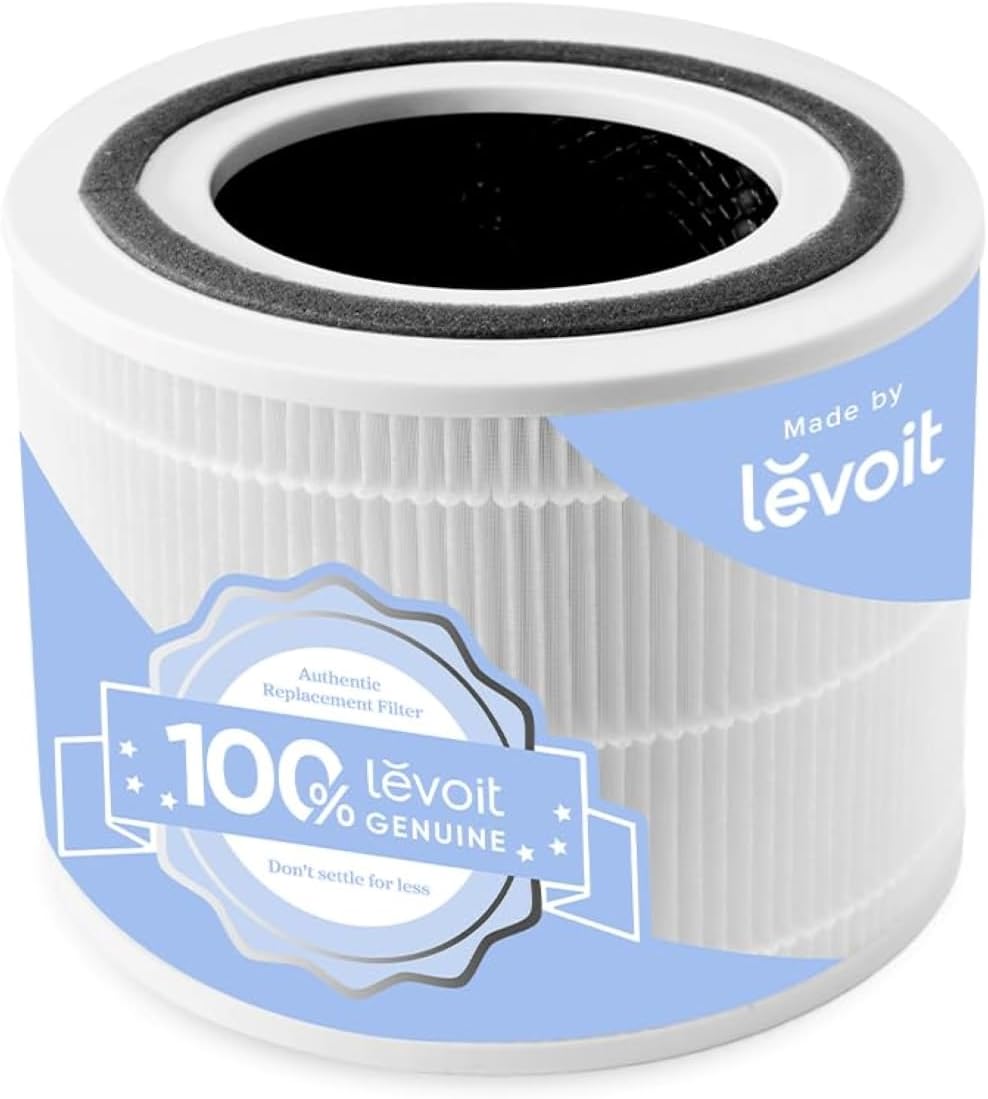
Is an Air Purifier Good for COPD? Proven Relief!

Yes, an air purifier can be good for COPD by significantly reducing airborne irritants and allergens that trigger symptoms. Proven relief comes from cleaner air, leading to fewer flare-ups and easier breathing. This article explores how air purifiers work for COPD and what to look for.
Breathing can be a struggle for people with COPD. Small particles in the air, like dust and smoke, can make symptoms worse. You might wonder if an air purifier can help make breathing easier. The good news is that a good air purifier can remove these tiny irritants. It can make a real difference in your daily life. Let’s explore how.
How Air Purifiers Help COPD Sufferers
Air purifiers clean the air you breathe indoors. They use filters to trap tiny particles. These particles can include dust, pollen, pet dander, and smoke. For someone with COPD, these can trigger coughing and shortness of breath. By removing these, an air purifier helps create a healthier breathing environment. This can lead to fewer COPD flare-ups.
Understanding COPD Triggers in Your Home
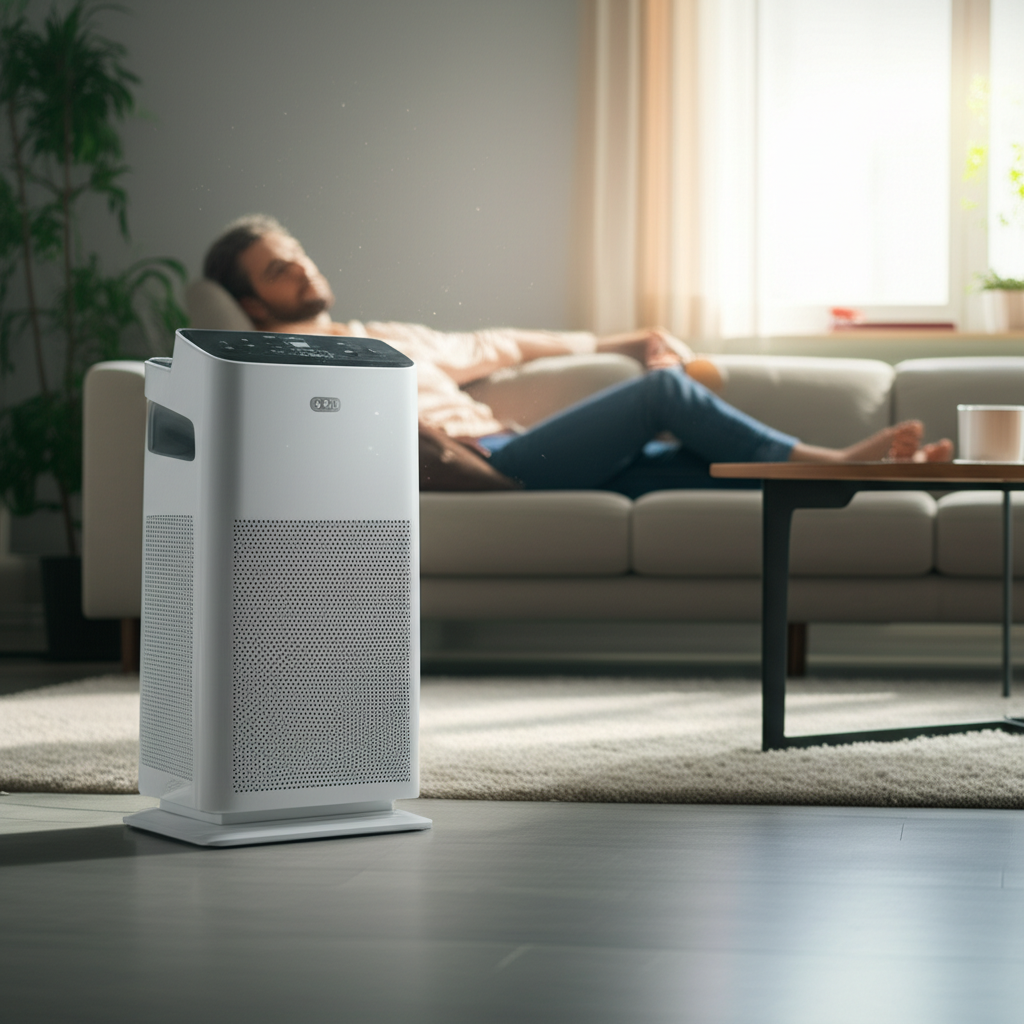
COPD symptoms can worsen due to things in the air inside your home. Common triggers include fine dust, mold spores, and even strong smells. Smoke from cooking or fireplaces is also a big problem. Pet dander is another common trigger for many people. Identifying these triggers is the first step to managing them.
The Science Behind Air Filtration for COPD
Air purifiers use different types of filters. The most important is usually a HEPA filter. HEPA stands for High-Efficiency Particulate Air. A true HEPA filter can capture at least 99.97% of particles that are 0.3 microns in size. This is very small. These tiny particles are often what irritate the lungs of people with COPD.
Choosing the Right Air Purifier for COPD Relief
When picking an air purifier for COPD, look for specific features. A true HEPA filter is essential. Also, consider the size of the room the purifier will be in. You need a purifier rated for that room size. Some purifiers also have activated carbon filters. These help remove odors and gases, which can also irritate lungs.
Key Features to Look For
True HEPA Filter: This is the most crucial feature for capturing fine particles.
Activated Carbon Filter: Helps remove odors, gases, and VOCs (volatile organic compounds).
CADR Rating: Clean Air Delivery Rate shows how quickly it cleans a room. Higher is better.
Room Size Coverage: Ensure the purifier is designed for the square footage of your space.
Low Noise Level: Especially important for bedrooms or living areas.
What to Avoid in an Air Purifier
Some air purifiers use ozone. Ozone can actually irritate the lungs and is not good for people with COPD. Avoid purifiers that produce ozone. Also, avoid models that rely only on ionizers without a good HEPA filter. These might not capture particles effectively.
Proven Benefits of Air Purifiers for COPD Patients
Studies show that using air purifiers can lead to better health outcomes for COPD patients. Cleaner indoor air means less inflammation in the airways. This can result in fewer hospital visits and a better quality of life. It helps manage the chronic nature of the disease.
Reducing Flare-Ups and Hospitalizations
By consistently cleaning the air, air purifiers can significantly reduce the frequency and severity of COPD exacerbations, also known as flare-ups. This reduction in flare-ups can lead to fewer emergency room visits and hospital admissions. Research from institutions like the American Lung Association often highlights the importance of air quality for respiratory health.
Improved Lung Function and Breathing Comfort
When lung irritants are removed from the air, people with COPD often experience an improvement in their breathing. This can mean less coughing, less wheezing, and a general feeling of easier breathing. Over time, this consistent exposure to cleaner air can contribute to better overall lung function.
Better Sleep Quality
Breathing difficulties can disrupt sleep. By making the air cleaner, especially in the bedroom, an air purifier can help individuals with COPD sleep more soundly. This improved sleep is vital for recovery and overall well-being. A quiet air purifier is best for nighttime use.
How to Use an Air Purifier Effectively for COPD
Simply buying an air purifier is not enough. You need to use it correctly to get the most benefit. This means placing it in the right spot and maintaining it properly. Regular filter changes are key to its effectiveness.
Strategic Placement in Your Home
Place your air purifier in the room where you spend the most time. This is often the bedroom or the living room. Ensure there’s enough space around the unit for air to flow freely. Don’t hide it behind furniture. It needs to draw in air and circulate clean air effectively.
Regular Maintenance and Filter Replacement
Air purifiers require regular maintenance to work well. This includes cleaning the pre-filter and replacing the HEPA and carbon filters as recommended by the manufacturer. A clogged filter cannot clean the air properly. Check your user manual for specific instructions. This is crucial for sustained relief.
Maintenance Schedule Example
| Component | Frequency | Action |
| :————— | :—————————————— | :———————————– |
| Pre-filter | Every 2–4 weeks | Wash or vacuum |
| HEPA Filter | Every 6–12 months (or as directed) | Replace |
| Activated Carbon | Every 6–12 months (or as directed) | Replace |
| Exterior | Monthly | Wipe down with a damp cloth |
Note: Filter life can vary based on air quality and usage.*
Top Air Purifier Brands for COPD Sufferers
Several brands offer air purifiers that are well-suited for individuals with COPD. These brands often focus on HEPA filtration and effective air cleaning. Brands like Coway, Levoit, and Blueair are frequently recommended. Always check the specifications to ensure they meet your needs.
What Experts Recommend
Many respiratory health organizations and medical professionals recommend air purifiers with true HEPA filters. They emphasize the importance of medical-grade filtration for sensitive individuals. The Environmental Protection Agency (EPA) also provides guidance on improving indoor air quality.
User Reviews and Testimonials
Real-world experiences can be very helpful. Many users with COPD report significant improvements in their breathing and a reduction in symptoms after using air purifiers. Look for reviews that specifically mention COPD or respiratory issues. For example, one user shared, “Since I got my air purifier, my morning cough is much less severe.”
Frequently Asked Questions About Air Purifiers and COPD
Here are some common questions people have about using air purifiers with COPD.
Can an air purifier cure COPD?
No, an air purifier cannot cure COPD. COPD is a chronic condition. However, it can significantly help manage symptoms and improve your quality of life by cleaning the air.
How many air purifiers do I need for my home?
It depends on the size of your home and how you use different rooms. A good starting point is one for the bedroom and one for the main living area where you spend most of your time.
Are air purifiers noisy?
Many air purifiers have different fan speeds, including a quiet mode for sleeping. Check the decibel (dB) rating before buying. Lower dB levels mean quieter operation.
How often should I change the filters?
Filter replacement schedules vary by model and usage. Generally, HEPA and carbon filters need replacing every 6 to 12 months. Always follow the manufacturer’s recommendations.
Can an air purifier help with dust mites?
Yes, air purifiers with HEPA filters are very effective at capturing dust mite allergens. This can be a significant benefit for those with COPD who are sensitive to dust.
Final Verdict: Is an Air Purifier Good for COPD?
The answer is a resounding yes: an air purifier is good for COPD. It is a valuable tool for managing symptoms and improving breathing comfort. By effectively removing airborne irritants, it helps reduce flare-ups and enhances daily life. Choosing a purifier with a true HEPA filter and proper maintenance are key to unlocking these proven benefits. If you have COPD, consider how cleaner indoor air can support your respiratory health.
I hope this guide has helped you understand the benefits of air purifiers for COPD. If you found this information useful, please consider sharing it with others who might benefit.