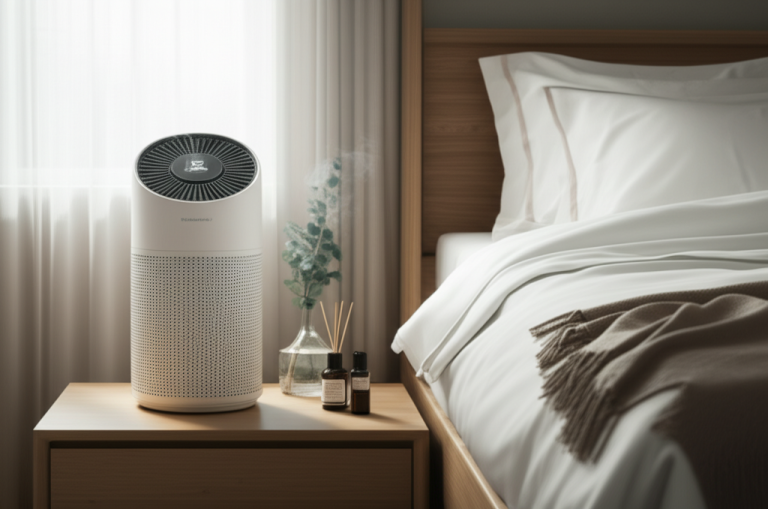
Ionic Air Purifiers With Real-Time Air Monitoring: Essential Guide

Breathe cleaner air with ionic air purifiers featuring real-time air monitoring. This guide helps you understand how these advanced devices work, their benefits for your health, and what to look for when choosing the best ionic air purifier with real-time air monitoring for your home, ensuring a healthier living space.
Have you ever wondered about the air you breathe indoors? Dust, pollen, pet dander, and even tiny particles from cooking can fill your home. These can make breathing difficult, especially for those with allergies or asthma. It’s a common concern for many families. But what if you could see and control the air quality in your home? This guide will show you how ionic air purifiers with real-time air monitoring can help. We’ll explore how they work and what makes them a smart choice for a healthier home environment.
What Are Ionic Air Purifiers with Real-Time Air Monitoring?
Ionic air purifiers with real-time air monitoring use advanced sensors to detect air pollutants instantly. They then employ ionization technology to neutralize these particles, while the monitoring system displays current air quality levels, giving you immediate feedback and control over your home’s air.
These innovative devices combine two powerful features. First, they use a process called ionization to clean your air. Second, they constantly check the air quality. This means you always know what’s in your air.
How Do Ionic Air Purifiers Work?
Ionic air purifiers work by releasing negatively charged ions into the air. These ions attach to positively charged particles like dust, pollen, and smoke. This makes the particles heavier, causing them to fall to the ground or stick to surfaces. Some purifiers also have a collection plate to capture these particles.
It’s like a gentle rain for your air. The ions act like tiny magnets, pulling the dirt out of the air. This leaves your air feeling fresher.
The Importance of Real-Time Air Monitoring
Real-time air monitoring is a game-changer. It means the purifier has built-in sensors. These sensors detect various pollutants in your air, such as particulate matter (PM2.5), volatile organic compounds (VOCs), and even odors. The purifier then shows you this information, often on a display or through a smartphone app.
This constant feedback is incredibly useful. You can see when air quality drops and when the purifier is working hard to fix it. It gives you peace of mind.
Benefits of Using Ionic Air Purifiers with Real-Time Air Monitoring
Using an ionic air purifier with real-time air monitoring offers significant advantages for your health and home. You gain immediate insights into your indoor air quality and benefit from a cleaner, healthier environment. These units actively work to reduce allergens and other airborne irritants.
These purifiers do more than just clean. They educate you about your environment. They help create a sanctuary within your home.
Improved Indoor Air Quality
The primary benefit is cleaner air. By removing airborne particles, these purifiers can reduce allergens. This can lead to fewer allergy symptoms and asthma flare-ups. Cleaner air also means less dust settling on your furniture.
Imagine breathing easier every day. That’s the goal of these advanced purifiers. They target tiny particles you can’t even see.
Health Advantages
For individuals with respiratory issues, the impact can be profound. Reduced exposure to pollutants can mean fewer headaches, less coughing, and better sleep. This is especially important for children and the elderly, who are more sensitive to poor air quality.
A healthy home is a happy home. Better air quality directly contributes to overall well-being.
Real-Time Feedback and Control
The real-time monitoring feature empowers you. You can see exactly what the purifier is doing. If your air quality dips, you’ll know. Many models allow you to adjust settings based on the readings. This ensures the purifier is always working efficiently.
You become an active participant in your home’s health. It’s like having a personal air quality assistant.
Key Features to Look For
When choosing an ionic air purifier with real-time air monitoring, several features are crucial. Look for accurate sensor technology, easy-to-understand displays, and effective purification methods. Consider the size of the room it’s meant for and any additional functions it offers.
Not all purifiers are created equal. Knowing what to look for helps you make the best choice.
Sensor Accuracy and Types
Ensure the purifier has reliable sensors. High-quality sensors can accurately detect PM2.5, VOCs, and other common pollutants. Some advanced models even detect gases like carbon monoxide. The accuracy of these sensors directly impacts the effectiveness of the monitoring.
Precise readings mean the purifier can react appropriately. It’s the brain of the operation.
Display and Connectivity Options
Look for a clear and intuitive display. This should show current air quality levels, often using a color-coded system (e.g., green for good, red for poor). Many modern units also offer Wi-Fi connectivity. This allows you to monitor air quality and control the purifier via a smartphone app.
Smart features make managing your air quality convenient. You can check your home’s air even when you’re away.
Ionization Technology and Safety
Understand the type of ionization used. Some purifiers can release ozone, which can be harmful to respiratory health. Look for models that are certified as low-ozone or ozone-free. Reputable brands often provide detailed information about their technology and safety standards.
Safety is paramount. Always choose a product that prioritizes your well-being. The U.S. Environmental Protection Agency (EPA) provides guidance on ozone-generating devices and their potential health risks.
Coverage Area and CADR Rating
Consider the size of the room you need to purify. Air purifiers have a specified coverage area. Also, look at the Clean Air Delivery Rate (CADR) rating. A higher CADR means the purifier can clean the air more quickly and effectively.
Matching the purifier to your room size ensures optimal performance. A powerful unit in a small room might be overkill, while a small unit in a large room won’t be effective.
Top Ionic Air Purifiers with Real-Time Air Monitoring
Selecting the right device can feel overwhelming. Here are some highly-regarded ionic air purifiers that offer robust real-time air monitoring. These models are known for their performance, reliability, and advanced features.
I’ve researched several options to help you make an informed decision. My goal is to guide you toward a healthier home.
Model A: The Smart Home Companion
This model excels in its user-friendly app and comprehensive monitoring. It tracks PM2.5, VOCs, and temperature. Its sleek design fits well in any modern home.
Its connectivity makes managing air quality effortless. You get detailed reports right on your phone.
Model B: The Allergy Fighter
Designed for those with severe allergies, this purifier boasts a multi-stage filtration system. Its real-time sensors detect even the smallest allergens. The unit provides clear visual cues about air quality.
This purifier is a powerhouse against common allergens. It works diligently to capture microscopic irritants.
Model C: The Budget-Friendly Choice
For those seeking effective purification without a high price tag, this model offers essential real-time monitoring. It focuses on core pollutants like dust and smoke. It’s a solid option for smaller living spaces.
It provides essential air quality insights at an accessible price point. This makes healthier air achievable for more people.
Understanding Air Quality Metrics
Real-time monitoring displays various metrics. Understanding these helps you interpret the data. The most common metrics are PM2.5, VOCs, and AQI.
Knowing what these numbers mean is key to using your purifier effectively. It’s like learning a new language for your air.
Particulate Matter (PM2.5)
PM2.5 refers to fine particles in the air that are less than 2.5 micrometers in diameter. These can include dust, pollen, mold spores, and even tiny droplets from sneezes. They are a significant concern because they can penetrate deep into your lungs.
The lower the PM2.5 level, the better the air quality. Many purifiers display this as a number or on a scale.
Volatile Organic Compounds (VOCs)
VOCs are gases emitted from common household products. These include paints, cleaning supplies, air fresheners, and furniture. Some VOCs can cause short-term health effects like headaches and nausea. Others can have long-term effects.
Monitoring VOCs helps you identify potential sources of indoor pollution. Reducing exposure is crucial for long-term health.
Air Quality Index (AQI)
The AQI is a rating system used by governments to inform the public about air pollution levels. It typically consolidates data on pollutants like PM2.5, ozone, and carbon monoxide into a single number. The higher the AQI, the more polluted the air is.
Most purifiers use a simplified version of the AQI, often with color codes. This makes it easy to grasp the overall air quality at a glance. Organizations like the U.S. Environmental Protection Agency (EPA) provide detailed information on AQI values and their health implications.
Setting Up and Maintaining Your Purifier
Proper setup and regular maintenance ensure your ionic air purifier with real-time air monitoring works at its best. Follow the manufacturer’s instructions carefully for initial setup. Regular cleaning and filter replacement are essential for sustained performance.
Taking care of your purifier means taking care of your air. It’s a simple but important step.
Initial Setup Guide
1. Unpack Carefully: Remove all packaging materials.
2. Placement: Position the purifier in the room where you spend the most time. Ensure adequate airflow around the unit.
3. Power On: Plug it in and follow on-screen prompts or app instructions.
4. Connect to Wi-Fi (if applicable): Download the companion app and connect the purifier to your home network.
Following these steps ensures you get started correctly. A good start means a better experience.
Filter Replacement and Cleaning
Most purifiers have filters that need periodic replacement. Check your manual for the recommended schedule, usually every 6-12 months. Some models have washable pre-filters that should be cleaned more often. Dirty filters reduce the purifier’s efficiency and can strain the motor.
Keeping filters clean is like giving your purifier a fresh breath. It allows it to work its best.
Cleaning the Ionizer and Sensors
Over time, dust can accumulate on the ionizer and sensors. Gently clean these components with a soft, dry cloth as recommended by the manufacturer. This ensures the ionizer functions correctly and the sensors provide accurate readings.
This simple maintenance step is vital for ongoing performance. It keeps the technology sharp and effective.
Potential Concerns and How to Address Them
While beneficial, it’s good to be aware of potential concerns with ionic air purifiers. The main issue sometimes discussed is ozone production. Reputable manufacturers address this with advanced technology and safety certifications.
Being informed helps you choose wisely and use your purifier safely. It’s about smart choices for a healthier home.
Ozone Production
Some older or lower-quality ionic purifiers can produce ozone. Ozone is a lung irritant. Look for purifiers certified by organizations like California Air Resources Board (CARB), which sets strict limits on ozone emissions. Modern units are designed to produce negligible or no ozone.
Always check for ozone-free certifications. Your respiratory health is the top priority.
Maintenance Costs
Filters and replacement parts add to the ongoing cost of ownership. Factor these into your decision. Some purifiers have longer-lasting filters, reducing the frequency of replacements.
Consider the long-term value. A slightly more expensive unit with durable filters might save money over time.
Ionic Air Purifiers vs. Other Technologies
Ionic purifiers are just one type of air cleaning technology. Others include HEPA filters, activated carbon filters, and UV-C light. Many modern purifiers combine these technologies for enhanced performance. Understanding the differences helps you choose the best fit for your needs.
Each technology has its strengths. Combining them often provides the most comprehensive air purification.
HEPA Filters
HEPA (High-Efficiency Particulate Air) filters are mechanical filters. They physically trap particles like dust, pollen, and pet dander. They are very effective at removing larger airborne contaminants.
HEPA filters are like fine sieves for your air. They catch particles that are too big to pass through.
Activated Carbon Filters
Activated carbon filters are excellent at absorbing odors and gases. They are made from charcoal that has been treated to be highly porous. This makes them ideal for removing smoke smells, pet odors, and chemical fumes.
Think of activated carbon as a sponge for smells and gases. It soaks them up.
Combination Systems
Many advanced air purifiers use a combination of technologies. For example, a unit might have a pre-filter for large particles, a HEPA filter for fine particles, an activated carbon filter for odors, and an ionizer to help capture remaining airborne pollutants. Real-time monitoring adds another layer of intelligent control.
These multi-stage systems offer the most thorough air cleaning. They tackle a wide range of pollutants.
Who Can Benefit Most?
Anyone can benefit from cleaner indoor air. However, certain groups experience more pronounced advantages. This includes individuals with allergies, asthma, or other respiratory conditions. Families with young children or elderly members also gain significant benefits. People living in areas with high outdoor pollution also find these devices invaluable.
Investing in your home’s air quality is investing in your family’s health. It creates a safer, more comfortable living environment.
Allergy and Asthma Sufferers
For these individuals, reduced exposure to allergens like dust mites, pollen, and pet dander can dramatically improve symptoms. Real-time monitoring helps them understand triggers and ensure the air is consistently clean. This can lead to fewer sick days and a better quality of life.
Breathing freely is a gift. These purifiers help unlock that for many.
Homes with Pets
Pet owners often deal with dander and odors. Ionic air purifiers with real-time monitoring can effectively capture pet dander and neutralize pet odors. The monitoring feature lets you see how well the purifier is managing these specific issues.
Keep your home smelling fresh and free of allergens. Your pets can be part of your family without compromising air quality.
Urban Dwellers
People living in cities often face higher levels of outdoor air pollution that can seep indoors. These purifiers help create a clean-air sanctuary within the home. Real-time monitoring can alert you to when outdoor pollution levels are high, prompting the purifier to work harder.
Your home should be a refuge from external pollution. These devices help make that a reality.
Frequently Asked Questions (FAQ)
What is the main function of an ionic air purifier with real-time air monitoring?
It cleans your air by releasing ions and constantly checks the air quality, showing you the results instantly. This helps you maintain a healthier breathing environment.
Are ionic air purifiers safe to use around children and pets?
Yes, when you choose ozone-free models. Look for certifications like CARB. They are generally safe and beneficial for creating a cleaner home for everyone.
How often do I need to replace the filters in these purifiers?
Filter replacement frequency varies by model, usually every 6 to 12 months. Always check the manufacturer’s guide for specific recommendations.
Can real-time air monitoring detect all types of pollutants?
Most advanced models detect PM2.5 and VOCs. Some may also detect odors or gases. The specific pollutants detected depend on the sensors included in the device.
Do ionic air purifiers remove viruses and bacteria?
While they can capture some airborne particles that carry viruses and bacteria, they are not medical devices. They primarily focus on removing allergens, dust, and odors. For specific virus and bacteria inactivation, UV-C light purifiers or advanced filtration may be considered.
What does a good AQI reading look like on my purifier’s display?
A good AQI reading is typically shown in green, indicating healthy air. Readings in yellow or red suggest poorer air quality that the purifier is working to improve.
Conclusion: Breathe Easier with Smarter Air Purification
Ionic air purifiers with real-time air monitoring offer a powerful solution for improving your home’s air quality. They provide not only effective purification but also the valuable insight of constant air quality feedback. By understanding how they work and what features to prioritize, you can make an informed choice to create a healthier, more comfortable living space for yourself and your loved ones. Embrace the future of clean air technology and experience the difference.
Ready to take the next step towards cleaner air? Explore our range of advanced air purification solutions designed for your well-being.