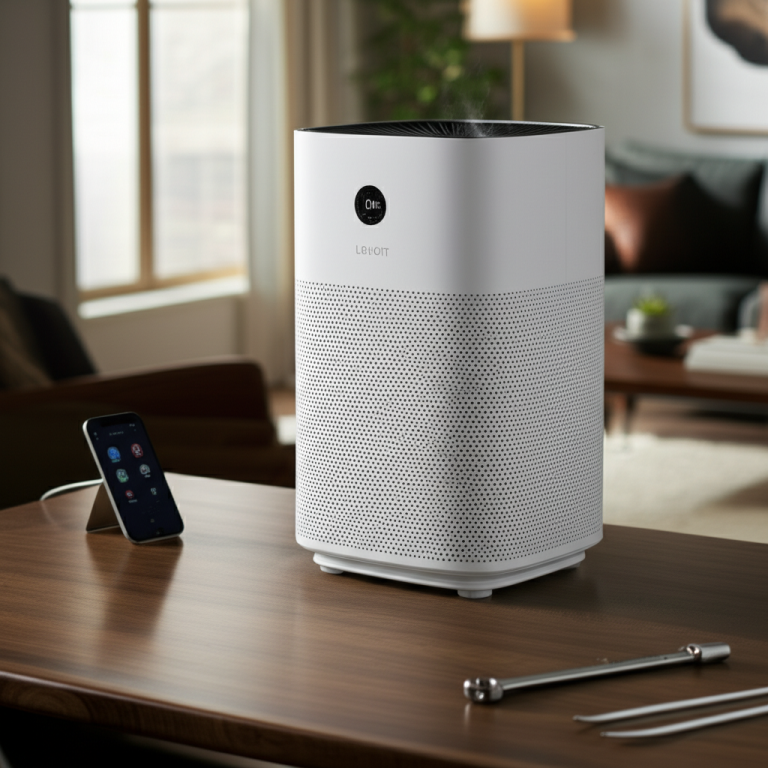
Ionic Air Purifier for Asthma Prevention: Essential Guide

An ionic air purifier for asthma prevention can significantly improve indoor air quality by removing allergens and irritants. This guide helps you understand how they work, their benefits for asthma sufferers, and how to choose the best one for your needs, ensuring a healthier home environment.
Breathing freely with asthma can be a daily challenge. Your home should be a safe haven, but invisible airborne particles like dust, pollen, and pet dander can trigger asthma symptoms. This can be frustrating and impact your quality of life. Fortunately, there are ways to fight these triggers right in your own home. We’ll explore how an ionic air purifier for asthma prevention can make a real difference. Get ready to learn how to create a cleaner, healthier breathing space.
How Do Ionic Air Purifiers Work for Asthma Prevention?
Ionic air purifiers work by releasing negative ions into the air. These negative ions attach themselves to airborne particles like dust, pollen, and smoke. This makes the particles heavier. They then fall to the ground or stick to surfaces. This process helps to remove these asthma triggers from the air you breathe.
The Science Behind Negative Ions

Negative ions are naturally found in places like waterfalls and forests. They are believed to have a positive effect on well-being. In an air purifier, a special component creates these ions. They then float into your room and do their work. This is a simple yet effective way to clean your air.
Key Benefits of Ionic Air Purifiers for Asthma Sufferers
Ionic air purifiers can be a game-changer for people with asthma. They actively target common allergens that cause breathing problems. This leads to fewer asthma attacks and a more comfortable living space.
Reducing Airborne Allergens
These purifiers are great at capturing tiny particles. This includes things like mold spores and dust mites. These are common culprits behind asthma symptoms. By removing them, the air becomes much cleaner.
Eliminating Odors and Smoke
Beyond allergens, ionic purifiers can also tackle unpleasant smells. This includes smoke from cooking or cigarettes. Fresher air means a more pleasant environment for everyone.
Quiet Operation
Many ionic air purifiers operate very quietly. This is a big plus for asthma sufferers. Loud noises can sometimes be a trigger. A quiet purifier won’t add to your stress.
Understanding Different Types of Air Purifiers
Not all air purifiers are the same. Some use filters, while others use ionization. It’s important to know the difference when looking for an ionic air purifier for asthma prevention.
HEPA Filters vs. Ionic Technology
HEPA filters are very effective at trapping particles. They physically catch things like dust and pollen. Ionic purifiers use electrical charges. They attract particles instead of trapping them. Some purifiers combine both methods for maximum effectiveness.
Potential Concerns with Ionizers
Some ionic purifiers can produce ozone. Ozone is a lung irritant. It can worsen asthma symptoms. It is important to choose a purifier that produces little to no ozone. Look for certifications that confirm this.
Choosing the Right Ionic Air Purifier for Asthma Prevention
Selecting the best ionic air purifier for asthma prevention requires careful consideration. You want a device that is effective and safe for your home.
Key Features to Look For
Consider the size of the room the purifier will be in. Check the Clean Air Delivery Rate (CADR) for the best performance. Look for models that are certified for low or no ozone production. Extra features like timers and filter replacement indicators are also helpful.
Ozone Production: A Critical Factor
As mentioned, ozone is a concern. The U.S. Environmental Protection Agency (EPA) warns about ozone. They state that even low levels can be harmful. Always check product specifications and certifications regarding ozone output.
Coverage Area and CADR Ratings
The CADR rating tells you how quickly a purifier cleans the air. Higher numbers mean faster cleaning. Make sure the purifier’s coverage area matches your room size. A purifier too small for a large room won’t be very effective.
Top Ionic Air Purifier Features for Asthma Relief
When you have asthma, certain features in an air purifier become essential. These features help ensure you get the most benefit.
Pre-filters for Larger Particles
A pre-filter catches bigger things like hair and lint. This protects the main filter or ionizer. It helps the purifier last longer and work better. It’s a good first line of defense against common household dust.
Activated Carbon Filters for Odors
Some purifiers have activated carbon filters. These are excellent at absorbing odors. They can remove smells from pets, cooking, and smoke. This adds to the overall air freshness.
Quiet Operation Modes
Look for models with a “sleep” or “quiet” mode. This allows the purifier to run at a lower fan speed. It makes it much quieter. This is ideal for use in bedrooms at night.
How to Use Your Ionic Air Purifier Effectively
Simply plugging in an air purifier isn’t always enough. Using it correctly maximizes its benefits for asthma prevention.
Placement Matters
Place the purifier in the room where you spend the most time. This is often the bedroom or living room. Ensure there’s space around it for air to flow freely. Don’t hide it behind furniture.
Regular Maintenance is Key
Clean or replace filters as recommended by the manufacturer. This ensures the purifier continues to work efficiently. Dirty filters can reduce airflow and effectiveness. Check the ionizer for any buildup that needs cleaning.
Running Your Purifier Consistently
For best results, run your ionic air purifier for asthma prevention continuously. This maintains a consistent level of clean air. Turning it on and off frequently can reduce its impact.
Real-World Impact: User Testimonials and Case Studies
Many people with asthma have found relief with ionic air purifiers. Their experiences highlight the real benefits.
User Story Example
Sarah, who has had asthma since childhood, shared her experience. “After getting an ionic air purifier, I noticed a significant difference. My nighttime coughing decreased, and I felt more rested. It truly helped me breathe easier.”
Expert Opinions
Dr. Anya Sharma, a pulmonologist, notes, “Air purifiers can be a valuable tool in managing asthma. They help reduce exposure to airborne triggers. However, they should be used as part of a comprehensive asthma management plan.”
Comparing Ionic Air Purifiers: Features and Price
Here’s a look at some common features and how they affect price. This can help you make an informed decision.
| Feature | Basic Models | Mid-Range Models | Premium Models |
| :—————— | :———– | :————— | :————- |
| Coverage Area (sq ft) | 150-300 | 300-500 | 500+ |
| CADR Rating | Moderate | High | Very High |
| Ozone Production | Low to None | Very Low | Negligible |
| Filter Types | Basic | Pre-filter, HEPA, Carbon | Advanced HEPA, Specialized Filters |
| Smart Features | No | App Control | App Control, Air Quality Sensors |
| Price Range ($USD) | 50-150 | 150-300 | 300+ |
This table shows that more advanced features often come with a higher price tag. However, for serious asthma prevention, the investment can be worthwhile.
Frequently Asked Questions About Ionic Air Purifiers for Asthma
Here are some common questions people ask about using these devices for asthma.
Can an ionic air purifier help with my asthma?
Yes, an ionic air purifier for asthma prevention can help by removing allergens like dust and pollen from the air. This reduces your exposure to triggers, potentially leading to fewer asthma symptoms.
Are ionic air purifiers safe for people with asthma?
Most are safe if they produce very little or no ozone. Ozone can irritate lungs and worsen asthma. Always choose models certified for low or no ozone output.
How often should I run my ionic air purifier?
For best results in preventing asthma symptoms, it’s recommended to run your ionic air purifier for asthma prevention continuously. This ensures the air quality remains consistently clean.
Do ionic air purifiers really work?
Yes, they can be effective at reducing airborne particles. Many users report improvements in air quality and fewer asthma flare-ups. Their effectiveness depends on the model and proper usage.
What is the difference between an ionic air purifier and a HEPA air purifier?
HEPA purifiers use physical filters to trap particles. Ionic purifiers use electrical charges to make particles fall out of the air. Some purifiers combine both technologies.
How do I know if an ionic air purifier is producing too much ozone?
Look for certifications from organizations like the California Air Resources Board (CARB). If a purifier is CARB-certified, it meets strict ozone emission limits. You can also check product reviews for user experiences.
Conclusion: A Breath of Fresh Air for Asthma Management
Creating a healthier indoor environment is crucial for managing asthma. An ionic air purifier for asthma prevention offers a powerful way to reduce airborne triggers. By understanding how they work and choosing the right model with low ozone output, you can significantly improve your home’s air quality. This can lead to fewer asthma symptoms and a better quality of life. Consider this technology as a valuable part of your asthma management strategy.
We hope this guide has been helpful in understanding the role of ionic air purifiers. For more tips on creating a healthy home environment, feel free to explore our other articles.