
Industrial Vacuum Cleaner: Essential For A Pristine Classroom

An industrial vacuum cleaner is vital for maintaining a truly clean and healthy classroom environment, going beyond standard vacuums to tackle tough messes and ensure better air quality.
It might seem strange to think about an industrial vacuum cleaner for a classroom. You probably picture a school custodian using one in the hallways after hours. But what if I told you this powerful tool is actually essential for keeping your child’s learning space as clean and healthy as possible, every single day? Standard vacuums just can’t handle the unique challenges a busy classroom presents, from tracked-in dirt and spilled snacks to fine dust that can affect little lungs. This article will show you why an industrial vacuum cleaner is the unsafest way to ensure a pristine classroom, and how it can make a big difference. We’ll explore what makes these machines so special and why they belong in our schools.
Why Standard Vacuums Fall Short in Classrooms
Standard household vacuum cleaners are designed for home use. They are good for carpets and small messes. However, classrooms face different kinds of dirt and debris. These vacuums often lack the power and filtration needed for a large, high-traffic area like a classroom. They can also stir up fine dust and allergens, making the air quality worse.
This is a problem because children are more sensitive to poor air quality. Allergens like dust mites, pet dander, and even chalk dust can trigger asthma or allergies. A standard vacuum simply pushes these tiny particles around. It doesn’t effectively trap them. Therefore, a more robust solution is needed to truly clean a classroom floor.
Understanding the Power of Industrial Vacuum Cleaners
An industrial vacuum cleaner is built for heavy-duty cleaning. It has a stronger motor than a regular vacuum. This means it can suck up more dirt and debris with ease. They are also designed to be more durable. This is important because they get used a lot in demanding environments.
These machines often have larger dustbins. This means you don’t have to stop cleaning as often to empty them. Many also come with specialized filters. These filters can trap very fine particles. This is crucial for improving the air quality in a classroom. Think of it like a super-powered vacuum for big jobs.
Key Features That Make Industrial Vacuums Classroom-Ready
Industrial vacuum cleaners offer several features perfect for schools. Their powerful suction is a major advantage. This allows them to clean carpets and hard floors thoroughly. They can pick up everything from tiny dust bunnies to larger crumbs from snack time.
Another important feature is their robust filtration system. Many use HEPA (High-Efficiency Particulate Air) filters. These filters are excellent at trapping 99.97% of particles as small as 0.3 microns. This includes dust, pollen, mold spores, and bacteria. This is far better than what most home vacuums can achieve.
Superior Suction Power for Deep Cleaning
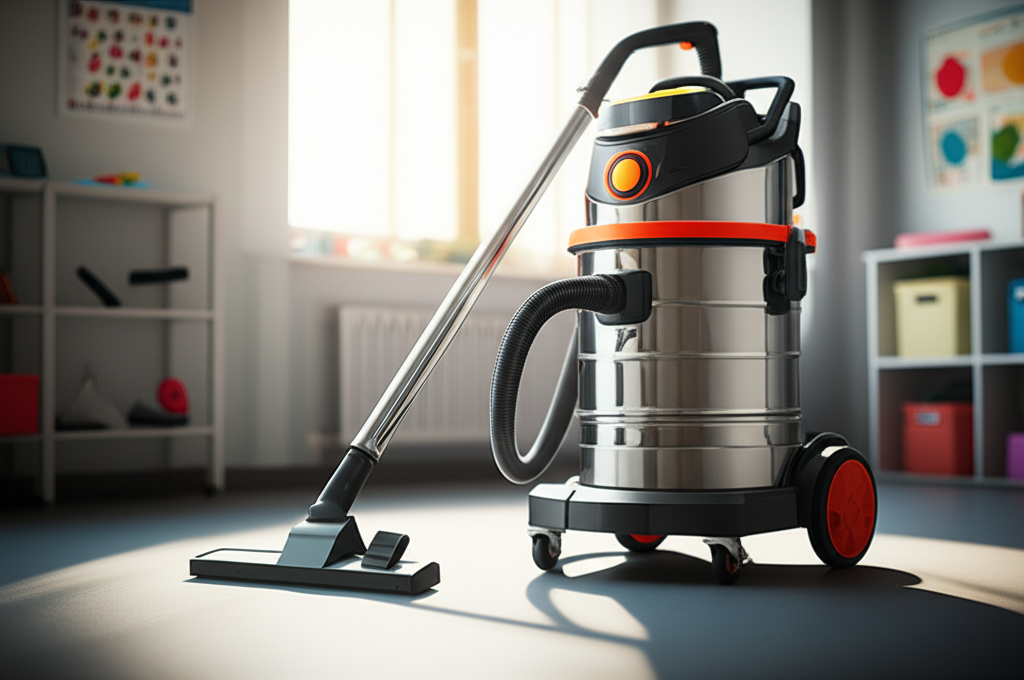
The suction power of an industrial vacuum cleaner is significantly higher. This allows it to lift dirt embedded deep within carpet fibers. It can also efficiently clean hard surfaces, removing dust and debris that might be missed by weaker machines. This deep cleaning action is essential for areas with heavy foot traffic.
Imagine tiny bits of paper, crayon shavings, or even dried mud being tracked in. A standard vacuum might just push these around. An industrial model will powerfully pull them up, leaving the floor truly clean. This superior suction ensures a more hygienic learning environment for students and staff.
Advanced Filtration for Healthier Air
The air in a classroom can get dusty quickly. Children often have allergies or asthma. Advanced filtration systems in industrial vacuums are a game-changer. They trap microscopic particles that can irritate airways. This means cleaner air for everyone to breathe.
HEPA filters are common in these machines. They work like a very fine net. This net catches tiny things like dust mites, mold spores, and even some viruses. By removing these from the air, they help prevent allergy flare-ups and respiratory issues. This makes the classroom a safer place to learn and play.
Durability and Robust Construction
Classrooms can be tough environments. Toys get dropped, furniture gets moved, and the vacuum might get bumped. Industrial vacuum cleaners are built to withstand this kind of use. They are made with stronger materials than typical home vacuums. This means they last longer and are less likely to break.
This durability saves schools money in the long run. Instead of replacing weaker vacuums often, an industrial model can last for many years. It can handle the daily demands of cleaning a busy classroom without needing constant repairs. This reliability is a key benefit for school maintenance staff.
Types of Industrial Vacuum Cleaners for Schools
There are a few main types of industrial vacuum cleaners that schools can use. Each has its own strengths. The best choice depends on the school’s specific needs and the types of floors.
Upright Vacuums: These are similar to home uprights but much more powerful. They are good for carpeted areas and easy to maneuver.
Canister Vacuums: These have a separate tank and hose. They are very versatile. You can use different attachments for different cleaning tasks. They are great for hard floors and reaching awkward spots.
Backpack Vacuums: These are worn on the back. They are lightweight and allow for great freedom of movement. They are excellent for cleaning large areas quickly, like hallways or gymnasiums.
Upright Models: For Deep Carpet Cleaning
Upright industrial vacuums are workhorses for carpeted classrooms. They have strong brush rolls that agitate carpet fibers. This helps loosen embedded dirt and debris. Their powerful motors then suck it all up effectively. Many models also feature adjustable height settings. This allows them to work well on different carpet thicknesses.
These vacuums are also often equipped with good filtration. This ensures that fine dust is captured rather than blown back into the air. They are relatively easy to operate, making them a practical choice for daily cleaning routines. They provide a deep clean that household vacuums simply cannot match.
Canister Models: Versatility for All Surfaces
Canister industrial vacuums offer incredible versatility. They typically come with a range of attachments. This makes them suitable for cleaning carpets, hard floors, furniture, and even tight corners. The powerful suction is delivered through a flexible hose. This allows you to easily clean under desks and around student belongings.
Many canister models also boast excellent HEPA filtration. This makes them ideal for classrooms where air quality is a concern. They can effectively clean up spills, chalk dust, and everyday grime from all surfaces. Their ability to adapt to different cleaning needs makes them a valuable asset.
Backpack Vacuums: Efficient for Large Spaces
For schools needing to clean large open areas like hallways or multipurpose rooms, backpack vacuums are a smart choice. They distribute weight evenly across the wearer’s back. This makes them comfortable to use for extended periods. Their design allows for quick and efficient cleaning without the need to constantly move a bulky machine.
The freedom of movement is a significant advantage. Custodial staff can clean around obstacles easily. These vacuums also often have powerful suction and effective filtration. They can cover a lot of ground quickly, maintaining cleanliness across the school.
The Impact on Classroom Health and Safety
A clean classroom is a healthy classroom. Industrial vacuum cleaners play a direct role in this. By removing dust, allergens, and other contaminants, they improve indoor air quality. This is especially important for young children whose respiratory systems are still developing.
Reduced allergens can mean fewer sick days for students and teachers. It can also help students with allergies or asthma feel more comfortable and focused. A truly clean environment supports better learning and overall well-being. It shows a commitment to the health of everyone in the school.
Reducing Allergens and Asthma Triggers
Classrooms can be breeding grounds for allergens. Dust mites thrive in carpets and fabrics. Pet dander can be tracked in from outside. Mold spores can grow in damp areas. These all trigger allergic reactions and asthma attacks in sensitive children. An industrial vacuum with a HEPA filter captures these tiny irritants.
By removing them from the environment, these vacuums actively reduce the risk of allergic reactions. This creates a safer space for all students. It allows children to focus on learning rather than dealing with uncomfortable symptoms. Investing in better cleaning equipment is an investment in student health.
Minimizing the Spread of Germs
Germs are a constant concern in any school. While vacuuming doesn’t kill germs, it removes the particles they can live on. Dust and debris can harbor bacteria and viruses. An industrial vacuum’s powerful suction cleans these surfaces thoroughly. This helps reduce the overall germ load in the classroom.
Regular and effective cleaning makes it harder for germs to spread. This can contribute to fewer outbreaks of common illnesses like colds and the flu. A pristine classroom environment supports a healthier school community.
Comparing Industrial vs. Standard Vacuums for Schools
Let’s look at how these vacuums stack up side-by-side for a school setting. The differences become quite clear when you consider the demands of a classroom.
| Feature | Standard Household Vacuum | Industrial Vacuum Cleaner |
| :—————- | :——————————————— | :———————————————- |
| Motor Power | Lower, designed for home use. | Higher, built for heavy-duty cleaning. |
| Filtration | Basic, may recirculate fine dust. | Advanced (often HEPA), traps micro-particles. |
| Durability | Less robust, prone to wear and tear. | Built with strong materials, long-lasting. |
| Dust Capacity | Smaller bins, frequent emptying. | Larger bins, less frequent emptying. |
| Cost | Lower initial cost. | Higher initial cost, but better long-term value.|
| Effectiveness | Good for light home cleaning. | Excellent for deep cleaning high-traffic areas. |
As you can see, the industrial vacuum cleaner offers significant advantages for a classroom environment. While the initial investment might be higher, the long-term benefits in terms of cleaning performance, durability, and health improvements are substantial. This makes it a far more effective tool for maintaining a pristine learning space.
Essential Features to Look For in a Classroom Vacuum
When choosing an industrial vacuum cleaner for a classroom, several features are crucial. Prioritizing these will ensure you get a machine that meets the unique needs of a school environment.
HEPA Filtration: This is non-negotiable for improving air quality.
Powerful Suction: Essential for deep cleaning carpets and hard floors.
Durable Construction: The vacuum needs to withstand frequent use.
Bagged or Bagless: Bagged models can contain dust better during disposal, while bagless saves on bag costs. Consider what works best for your cleaning staff.
Noise Level: Quieter models are preferable in a school setting, especially if used during school hours.
* Weight and Maneuverability: Easy to handle and store.
Considering Bagged vs. Bagless Systems
The choice between bagged and bagless industrial vacuums is important. Bagged vacuums typically seal dust and allergens inside the bag. This makes disposal cleaner and can be better for those with severe allergies. However, you have ongoing costs for replacement bags.
Bagless models save money on bags. They use a collection bin that you empty. While convenient, emptying the bin can release some dust into the air if not done carefully. For a classroom, a high-quality bagged model might offer superior dust containment during emptying.
Maintenance and Best Practices for Longevity
To get the most out of an industrial vacuum cleaner, proper maintenance is key. Regular cleaning of filters and emptying the dustbin are essential. This ensures the vacuum maintains its powerful suction. It also helps prolong the life of the machine.
Always follow the manufacturer’s instructions for maintenance. Check the brush roll for tangled hair or debris. Keep the exterior clean. By taking good care of your industrial vacuum, you ensure it continues to provide a pristine classroom for years to come.
Filter Care: The Key to Performance
The filters are the heart of an industrial vacuum’s performance, especially its ability to clean the air. If filters become clogged, suction power drops dramatically. This makes the vacuum less effective at picking up dirt. It also means the filtration system can’t trap fine particles as well.
Regularly check and clean or replace the filters according to the manual. For HEPA filters, specific cleaning instructions often apply. This simple step is crucial for maintaining optimal cleaning power and ensuring healthy air quality in the classroom.
Real-World Examples and User Testimonials
Many schools and daycare centers already rely on industrial vacuum cleaners. Teachers and administrators often report a noticeable difference in classroom cleanliness and air quality. Parents also appreciate the efforts made to create a healthier learning environment.
“Before we switched to an industrial-grade vacuum with HEPA filtration, we noticed a lot more dust in the classrooms,” says Sarah Chen, a principal at a local elementary school. “Since then, we’ve had fewer reports of allergy-related absences, and the classrooms just feel cleaner.” This anecdotal evidence highlights the practical benefits.
Frequently Asked Questions About Classroom Vacuums
What is the main difference between a household and an industrial vacuum cleaner?
An industrial vacuum cleaner has a stronger motor for more power. It is also built with tougher materials to last longer with heavy use. Its filtration is usually much better, trapping finer dust.
Are industrial vacuums too loud for a classroom?
Some industrial vacuums can be loud, but many modern models are designed to be quieter. Look for models that specify a lower decibel (dB) rating. This makes them suitable for use even when students are present for light cleaning.
How often should I empty the dustbin of an industrial vacuum?
You should empty the dustbin when it is about two-thirds full. This maintains the vacuum’s suction power. For bagged models, replace the bag when it is full or the suction seems to decrease.
Can an industrial vacuum cleaner help with pet dander in classrooms?
Yes, absolutely. Industrial vacuums with HEPA filters are excellent at capturing pet dander. This is important because pet dander is a common allergen for children. Removing it significantly improves classroom air quality.
Is a wet/dry industrial vacuum necessary for a classroom?
A wet/dry vacuum is useful if you expect to clean up liquid spills regularly. For most typical classroom messes like dry dirt and dust, a dry industrial vacuum is sufficient. Consider your specific cleaning needs when deciding.
How does an industrial vacuum cleaner improve air quality?
They have advanced filters, like HEPA filters, that trap tiny particles. These particles include dust, pollen, mold spores, and even bacteria. By removing these from the air, they make the classroom environment healthier to breathe.
Conclusion: Investing in a Healthier Learning Space
In conclusion, an industrial vacuum cleaner is far more than just a janitorial tool; it’s an essential investment for any classroom aiming for true cleanliness and optimal health. Its superior power, advanced filtration capabilities, and robust construction far surpass standard household vacuums. By effectively removing allergens, dust, and debris, these machines create a healthier environment for students and staff alike. This directly contributes to better focus, fewer sick days, and an overall improved learning experience. Choosing the right industrial vacuum cleaner means prioritizing the well-being of your school community. Make the smart choice for a pristine and healthy classroom today.
