
The Ultimate Guide to Carbon and HEPA Hybrid Air Purifiers

What Are Carbon and HEPA Hybrid Air Purifiers?
Imagine walking into a room and taking a deep breath of air that feels as fresh as a mountain breeze. Sounds wonderful, doesn’t it? That’s the goal of Carbon and HEPA Hybrid Air Purifiers.
These devices combine the power of two different filters—activated carbon filters and HEPA filters—to give you comprehensive air purification. The HEPA filter traps tiny particles like dust, pollen, and pet dander, while the activated carbon filter absorbs odors, smoke, and harmful gases like VOCs (volatile organic compounds). Together, they create a cleaner and healthier living environment.
This hybrid technology is perfect for anyone who wants to tackle multiple air quality problems at once.
How Do Hybrid Air Purifiers Work?
So, how exactly do these purifiers clean the air? Let’s break it down into simple steps:
- Air Enters the Purifier: The air in your room is drawn into the purifier through a fan.
- Carbon Filter Takes Action: The first line of defense is the activated carbon filter. This filter absorbs smoke, odors, and chemical fumes, neutralizing smells from pets, cooking, or even paint.
- HEPA Filter Gets to Work: Next, the air passes through the HEPA filter, which traps tiny particles like dust, mold spores, and allergens.
- Clean Air is Released: Finally, the purified air is circulated back into the room, leaving it fresh and safe to breathe.
Fun Fact: HEPA filters can trap particles as small as 0.3 microns, which is about 300 times smaller than the width of a human hair!
Key Features of Carbon and HEPA Hybrid Air Purifiers
These purifiers stand out because of their versatility and efficiency. Let’s look at some of their standout features:
- Dual Filtration Power: By combining two filters, they can handle both particles and gases, making them more effective than single-filter systems.
- Odor Removal: Say goodbye to lingering smells from pets, cooking, or smoke. The activated carbon filter neutralizes them quickly.
- Allergy Relief: The HEPA filter is a lifesaver for people with allergies, trapping pollen, dust, and other irritants.
- Quiet Operation: Most models are designed to run quietly, so you can sleep or work without distractions.
- Energy Efficient: Many hybrid purifiers use energy-efficient technology, keeping your electricity bill low while improving your air quality.
Common Applications
Where can you use these powerful purifiers? Practically anywhere! Here are some common scenarios:
- Homes with Pets: Keep pet dander and odors under control.
- Smoker’s Rooms: Eliminate tobacco smoke and its lingering smell.
- Kitchens: Remove strong cooking odors from spices, frying, or grilling.
- Urban Apartments: Tackle city pollution and airborne toxins like car exhaust fumes.
- Renovated Spaces: Neutralize chemical smells from paint, glue, or new furniture.
Carbon and HEPA Hybrid Air Purifiers at a Glance
| Feature | Activated Carbon Filter | HEPA Filter |
| Primary Function | Removes odors, smoke, and harmful gases | Traps particles like dust and pollen |
| Best For | Chemical fumes, pet odors, VOCs | Allergens, mold spores, fine dust |
| Efficiency | Absorbs gases and odors | Captures 99.97% of particles |
Why Choose a Carbon and HEPA Hybrid Air Purifier?
If you’ve ever wondered whether these purifiers are worth the investment, the answer is simple: yes. They provide the best of both worlds—tackling particles and odors simultaneously.
These devices are perfect for:
- Allergy sufferers who want relief from dust and pollen.
- Families with kids or pets who want a healthier living space.
- Busy professionals looking for low-maintenance solutions for clean air.
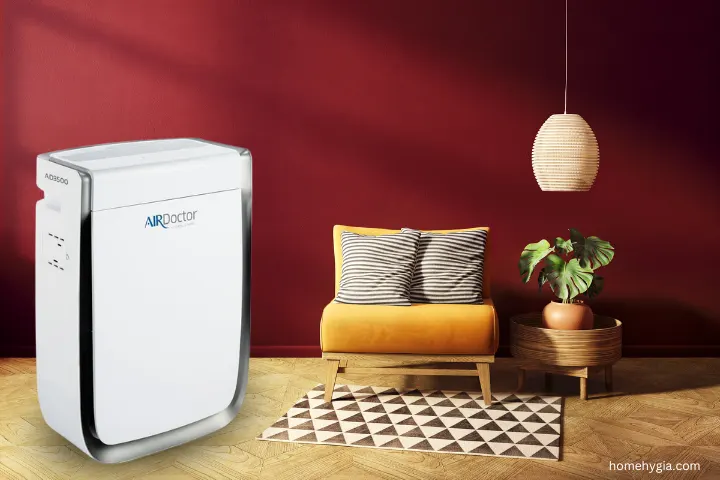
What Are the Benefits of Carbon and HEPA Hybrid Air Purifiers?
When it comes to improving indoor air quality, Carbon and HEPA Hybrid Air Purifiers offer unmatched advantages. Let’s explore why these devices are a game-changer:
1. Comprehensive Air Cleaning
These purifiers are like a double shield for your home.
- HEPA filters capture particles like pollen, dust, and mold.
- Activated carbon filters neutralize odors, smoke, and VOCs (volatile organic compounds).
This combination ensures your air is not only particle-free but also odorless and fresh.
Example: Whether you’re dealing with pet hair or lingering cooking smells, these purifiers handle it all.
2. Allergy and Asthma Relief
For people with allergies or asthma, these purifiers can make a noticeable difference.
- The HEPA filter traps airborne allergens, reducing symptoms like sneezing or itchy eyes.
- Carbon filters remove irritants like cigarette smoke and chemical fumes.
3. Odor Elimination
If you’re tired of unpleasant smells from pets, cooking, or smoke, these purifiers are a lifesaver.
- The activated carbon filter absorbs odor-causing molecules, leaving your home smelling clean.
Fun Fact: A single carbon filter can neutralize the smell of an entire meal cooked with garlic and spices!
4. Improved Indoor Air Quality
Did you know indoor air can be 2–5 times more polluted than outdoor air? Hybrid purifiers tackle pollutants like:
- Household dust
- Mold spores
- Pet dander
- VOCs from cleaning products or furniture
This creates a safer and healthier living environment, especially for children and seniors.
5. Versatility for Different Needs
Hybrid air purifiers are suitable for a variety of environments:
- Homes with pets: Remove fur, dander, and odors.
- Urban areas: Tackle pollution and car exhaust fumes.
- Offices: Improve air quality for better focus and fewer health issues.
Limitations of Carbon and HEPA Hybrid Air Purifiers
No device is perfect, and hybrid air purifiers are no exception. Let’s discuss some of their limitations:
1. Higher Upfront Cost
Hybrid air purifiers often cost more than single-filter models.
- The dual filtration system adds to the manufacturing cost.
- However, their comprehensive cleaning capabilities make them worth the investment.
2. Regular Maintenance Required
To keep these purifiers effective, you’ll need to maintain them:
- HEPA filters: Need replacing every 6–12 months.
- Carbon filters: May need replacement sooner, depending on the odor and gas levels in your home.
3. Limited Coverage for Large Particles
While excellent for fine particles and gases, hybrid purifiers may not trap larger particles like:
- Visible dust bunnies
- Large pet hair
For larger particles, you may need additional pre-filters or frequent cleaning of the area.
4. Noise Levels at High Speeds
Though many models are quiet at lower speeds, running them on high can increase noise levels. This may be distracting in bedrooms or offices.
Carbon and HEPA Hybrid Air Purifiers vs. Single-Filter Purifiers
Which one should you choose? Let’s compare hybrid air purifiers with single-filter models:
| Feature | Carbon and HEPA Hybrid | Single-Filter Models |
| Pollutant Removal | Particles, odors, gases | Particles or odors only |
| Cost | Higher upfront cost | Lower upfront cost |
| Maintenance | Regular filter replacements | Less frequent for single filters |
| Effectiveness | Comprehensive | Limited to specific pollutants |
Key Takeaway: If you’re dealing with multiple air quality issues, hybrid purifiers are the better choice.
Real-Life Use Cases
To help you see the value of hybrid air purifiers, here are a few real-world examples:
- Case 1: Family with Allergies
A family with two kids and a dog used a hybrid purifier to reduce pet dander and pollen. Within weeks, their sneezing and itchy eyes improved significantly. - Case 2: Urban Apartment Dweller
A city resident used a hybrid purifier to tackle car exhaust fumes and VOCs from nearby construction. The air smelled fresher, and headaches caused by fumes were reduced. - Case 3: Office Environment
An office with poor ventilation installed hybrid air purifiers to reduce dust and odors. Employees reported feeling more focused and less fatigued.
How to Choose the Right Carbon and HEPA Hybrid Air Purifier
With so many options on the market, finding the right air purifier might feel overwhelming. Here’s a simple guide to help you choose:
1. Room Size Coverage
Start by measuring the size of the room where you’ll use the purifier.
- For small spaces (up to 200 sq. ft.): Look for compact purifiers with lower fan speeds.
- For larger spaces (300 sq. ft. or more): Choose a model with higher CADR (Clean Air Delivery Rate).
Pro Tip: A purifier with a slightly higher capacity than your room size will deliver the best results.
2. Check for Certifications
Look for air purifiers with these certifications to ensure quality:
- AHAM Verified: Confirms accurate performance claims.
- CARB Compliance: Ensures low ozone emissions.
- Energy Star Certified: Guarantees energy-efficient operation.
3. Consider Your Air Quality Needs
Different homes have different air quality challenges. Match the purifier to your specific needs:
- For odors and gases: Prioritize models with advanced activated carbon filters.
- For allergens: Look for HEPA filters with high efficiency.
- For smoke: Choose a purifier with both HEPA and carbon filters for dual-action cleaning.
4. Budget and Maintenance Costs
While hybrid purifiers may have a higher upfront cost, they offer long-term value. However, also factor in:
- Filter replacement costs (carbon filters often need more frequent replacement).
- Energy efficiency to avoid high electricity bills.
Top-Rated Carbon and HEPA Hybrid Air Purifiers
Here are some excellent options based on room size and features:
| Model | Room Size Coverage | Key Features | Price Range |
| Coway Airmega 400 | Up to 1,560 sq. ft. | High CADR, dual filters, energy efficient | $500–$600 |
| LEVOIT Core 400S | Up to 400 sq. ft. | Smart features, quiet operation | $150–$200 |
| Blueair Classic 480i | Up to 434 sq. ft. | HEPA Silent tech, odor elimination | $400–$500 |


How to Maintain Your Carbon and HEPA Hybrid Air Purifier
Proper maintenance ensures your air purifier runs efficiently and lasts longer. Here are some practical tips:
1. Replace Filters Regularly
- HEPA Filters: Replace every 6–12 months, depending on usage and air quality.
- Carbon Filters: These may need replacement every 3–6 months if used in high-odor areas.
2. Clean the Pre-Filter
Many purifiers come with a pre-filter that traps larger particles. Wash or vacuum it regularly to extend the life of your main filters.
3. Monitor Air Quality Indicators
Modern purifiers often have indicators that signal when filters need replacing. Pay attention to these alerts for timely maintenance.
4. Keep the Unit Clean
Dust and debris can block airflow and reduce efficiency. Wipe the exterior and air vents regularly with a damp cloth.
FAQs
1. How often should I replace filters?
Replace HEPA filters every 6–12 months and carbon filters every 3–6 months, depending on usage and air quality.
2. Are hybrid purifiers safe for pets and kids?
Yes, they’re safe and effective for removing pet hair, dander, and common allergens, making them ideal for family homes.
3. Do hybrid air purifiers help with smoke?
Absolutely! The carbon filter absorbs smoke particles and odors, while the HEPA filter traps fine smoke particles.
4. How do I know if a hybrid purifier is energy-efficient?
Look for the Energy Star certification, which guarantees low energy consumption.
5. Can hybrid air purifiers remove viruses?
While HEPA filters can trap airborne particles the size of viruses, additional features like UV-C light may offer better protection against microorganisms.
Conclusion
Carbon and HEPA Hybrid Air Purifiers are a smart choice for anyone looking to improve their indoor air quality. By combining the strengths of both HEPA and activated carbon filters, these devices tackle a wide range of air pollutants, from allergens to odors and harmful gases.
To make the most of your investment:
- Choose a purifier based on your room size and specific air quality needs.
- Follow proper maintenance routines to keep it running efficiently.
Whether you’re an allergy sufferer, a pet owner, or someone seeking a fresher home environment, these purifiers are a reliable solution. Take a deep breath and enjoy cleaner, healthier air every day!
