
Levoit Air Purifier Vs Blueair: Essential Choice

Choosing between a Levoit air purifier and a Blueair model? This guide breaks down key differences in performance, features, and price to help you make the essential choice for your home’s air quality.
Breathing clean air at home is super important. But with so many air purifiers out there, picking the right one can feel like a puzzle. Two big names you’ll see are Levoit and Blueair. They both make great machines, but they do things a little differently. This can make choosing between a Levoit air purifier vs Blueair confusing. Don’t worry, I’m here to help you sort it out. We’ll look at what each brand offers, so you can find the best fit for your family’s health and your wallet. Let’s get started on making your home air cleaner.
Why Air Purifiers Matter for Your Home
Air purifiers help remove tiny particles from the air. These particles can include dust, pollen, pet dander, and even smoke. They can make breathing harder, especially for people with allergies or asthma. A good air purifier can make a big difference in how fresh your home feels. It helps create a healthier environment for everyone living there.
Understanding HEPA Filters: The Heart of Air Purification
Most good air purifiers use HEPA filters. HEPA stands for High-Efficiency Particulate Air. These filters are designed to trap at least 99.97% of particles that are 0.3 microns in size. This is a very, very small size. Think of it like a super fine sieve for the air. Both Levoit and Blueair use HEPA filters in their machines.
Levoit Air Purifiers: Value and Simplicity
Levoit air purifiers are often praised for being a great value. They offer good performance without a super high price tag. Many Levoit models are designed to be simple to use. You often just plug them in, turn them on, and they start cleaning your air. They are a popular choice for many homes.
Key Levoit Features to Consider
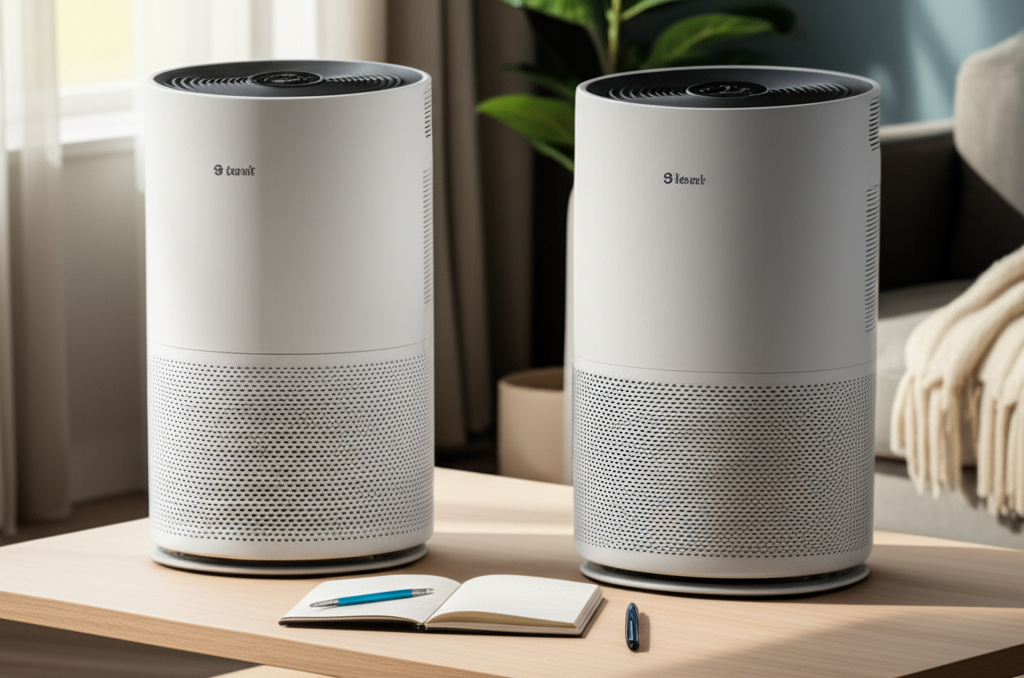
Levoit purifiers usually come with multiple fan speeds. They also often have a timer function so you can set them to run for a specific time. Some models include an air quality sensor that can adjust the fan speed automatically. This makes them easy to manage.
Levoit Pros and Cons
Pros:
Affordable price point.
Easy to operate.
Good performance for the cost.
Quiet operation on lower settings.
Cons:
May lack some advanced smart features found in pricier models.
Filter replacement costs can add up over time.
Levoit offers a straightforward approach to cleaner air. They focus on core purification needs at a budget-friendly price. This makes them an excellent entry point for many people.
Blueair Air Purifiers: Performance and Smart Technology
Blueair is known for its high-performance air purifiers. They often use a combination of mechanical filtration and electrostatic technology. This is called their HEPASilent technology. It’s designed to be very effective at capturing even smaller particles. Blueair models also tend to have more advanced features.
Blueair’s HEPASilent Technology Explained
HEPASilent technology uses both a filter and an electrical charge. The electrical charge helps to break down particles. This means the physical filter doesn’t have to work quite as hard. It can capture more pollutants. This technology is a key part of what makes Blueair purifiers so effective.
Blueair Smart Features and Connectivity
Many Blueair air purifiers connect to your Wi-Fi. You can control them using a smartphone app. This app can show you your indoor air quality. It can also let you adjust settings remotely. Some models even integrate with smart home systems like Amazon Alexa.
Blueair Pros and Cons
Pros:
Excellent purification performance.
Advanced smart features and app control.
Sleek and modern designs.
Often very quiet, even at higher speeds.
Cons:
Higher initial cost compared to Levoit.
Filter replacements can also be more expensive.
May be overkill for very small rooms.
Blueair aims for top-tier performance and user convenience. Their focus on technology and advanced features comes at a higher price. This appeals to users who want the latest in air cleaning.
Comparing Core Performance: Levoit Air Purifier vs Blueair
When we look at how well they clean the air, both brands do a good job. Levoit purifiers are tested and certified to meet high standards. They effectively reduce common allergens and pollutants. Blueair purifiers, with their HEPASilent technology, often show strong results in independent tests. They excel at removing very fine particles.
CADR Ratings: A Measure of Cleaning Power
CADR stands for Clean Air Delivery Rate. It measures how quickly an air purifier can clean a room of smoke, dust, and pollen. Higher CADR numbers mean faster cleaning. When comparing a Levoit air purifier vs Blueair, you should check the CADR ratings for the specific models you are interested in. This helps ensure it’s suitable for your room size.
Coverage Area: Matching the Purifier to Your Room
It’s crucial to choose an air purifier that’s the right size for your room. A purifier that’s too small won’t clean the air effectively. A purifier that’s too large might be more expensive than you need. Both Levoit and Blueair offer models for various room sizes, from small bedrooms to large living areas. Always check the recommended room coverage.
Design and Aesthetics: What Fits Your Home?
The look of an air purifier matters to many people. Levoit often opts for a clean, modern, and functional design. Their units are usually white or black and blend into most home decor. Blueair models are also designed with aesthetics in mind. They often have a more premium, Scandinavian-inspired look. Some Blueair units are quite stylish.
Noise Levels: Quiet Cleaning Power
Noise is a big factor, especially for bedrooms or living areas. Levoit air purifiers are generally quiet on their lower settings. You might hear them on higher speeds, but it’s usually a consistent hum. Blueair also prides itself on quiet operation. Their HEPASilent technology helps keep noise down. Many users find Blueair models to be among the quietest on the market.
Filter Replacement and Maintenance Costs
Both Levoit and Blueair require filter replacements. This is an ongoing cost to consider. Levoit filters are typically more affordable. Blueair filters can be more expensive. The frequency of replacement depends on usage and air quality. It’s wise to factor these recurring costs into your budget when deciding between a Levoit air purifier vs Blueair.
Price Point: Budget vs. Premium
This is often the biggest deciding factor for many. Levoit air purifiers generally fall into the budget to mid-range price category. They offer excellent value for money. Blueair air purifiers are usually in the mid-range to premium price category. You pay more for the advanced technology and features.
Levoit vs. Blueair: A Price Comparison Example
| Feature | Levoit Air Purifier (Example Model) | Blueair Air Purifier (Example Model) |
| :—————– | :———————————- | :———————————– |
| Price Range | $80 – $200 | $200 – $600+ |
| Core Tech | HEPA Filter | HEPASilent (HEPA + Electrostatic) |
| Smart Features | Basic/Optional | Advanced/Standard |
| Filter Cost | Lower | Higher |
| Best For | Budget-conscious, simple needs | Advanced users, higher performance |
Note: Prices are approximate and can vary based on model and sales.
This table shows a general difference. Levoit aims for accessibility, while Blueair targets those seeking premium performance.
Which Air Purifier is Right for You?
The choice between a Levoit air purifier vs Blueair really depends on your needs and budget. If you’re looking for effective, no-frills air purification at a good price, Levoit is a fantastic option. If you want the latest smart technology, top-tier performance, and are willing to invest more, Blueair might be the better choice.
Consider these questions:
What is your budget for the initial purchase and ongoing filter costs?
What specific air quality issues are you trying to address (allergies, pets, smoke)?
Do you want advanced smart features and app control?
* How large is the room you need to purify?
Frequently Asked Questions About Levoit and Blueair Air Purifiers
How often should I replace the filters in my Levoit or Blueair air purifier?
Most manufacturers recommend replacing filters every 6 to 12 months. This can change based on how much you use the purifier and how polluted your air is. Check your model’s manual for specific guidance.
Are Levoit air purifiers quiet enough for a bedroom?
Yes, Levoit air purifiers are generally quiet on their low settings. Many users find them suitable for bedrooms. Some models are specifically designed for quiet operation.
Is Blueair’s HEPASilent technology better than a standard HEPA filter?
HEPASilent technology combines HEPA filtration with electrostatic charging. This can make it more effective at capturing very small particles and may allow the filter to last longer. Both are effective, but HEPASilent is often considered more advanced.
Can I use an air purifier in a small apartment?
Absolutely! Both Levoit and Blueair offer compact models perfect for smaller spaces. Just be sure to choose a purifier with a CADR rating suitable for the room size.
Are air purifiers expensive to run?
The main running cost is electricity and filter replacements. Modern air purifiers are quite energy-efficient. Filter replacement costs vary by brand, as shown in our comparison.
Do air purifiers actually work for allergies?
Yes, air purifiers can significantly help reduce allergens like pollen, dust mites, and pet dander in the air. This can lead to fewer allergy symptoms for many people.
Conclusion: Making Your Essential Choice
Deciding between a Levoit air purifier vs Blueair involves weighing your priorities. Levoit offers reliable, accessible air purification for everyday needs. They are a smart choice if you want clean air without breaking the bank. Blueair provides a premium experience with advanced features and high-performance technology. It’s ideal for those seeking the very best and are willing to invest more. Both brands are excellent. The best choice is the one that perfectly fits your home, your health needs, and your budget. I hope this detailed look helps you make that essential choice for cleaner air.
