How Good Is Honeywell Air Purifier: Essential Clean Air

Honeywell air purifiers are generally considered good, offering effective air cleaning for various room sizes and pollutant types. They provide essential clean air solutions with reliable performance and user-friendly features.
The air we breathe indoors can significantly impact our health and well-being, often carrying unseen pollutants like dust, pollen, pet dander, and even VOCs. If you’re wondering, “how good is Honeywell air purifier” at tackling these issues, you’re not alone. Many people seek clear, reliable answers to ensure they’re investing in a product that truly delivers essential clean air. This guide will break down what makes Honeywell air purifiers a strong choice for your home.
Understanding Honeywell Air Purifier Performance
When assessing how good is Honeywell air purifier, it’s crucial to understand their core performance metrics. Honeywell units are designed to capture a significant percentage of airborne particles. Their effectiveness is often measured by their CADR (Clean Air Delivery Rate), which indicates how quickly they can filter pollutants.
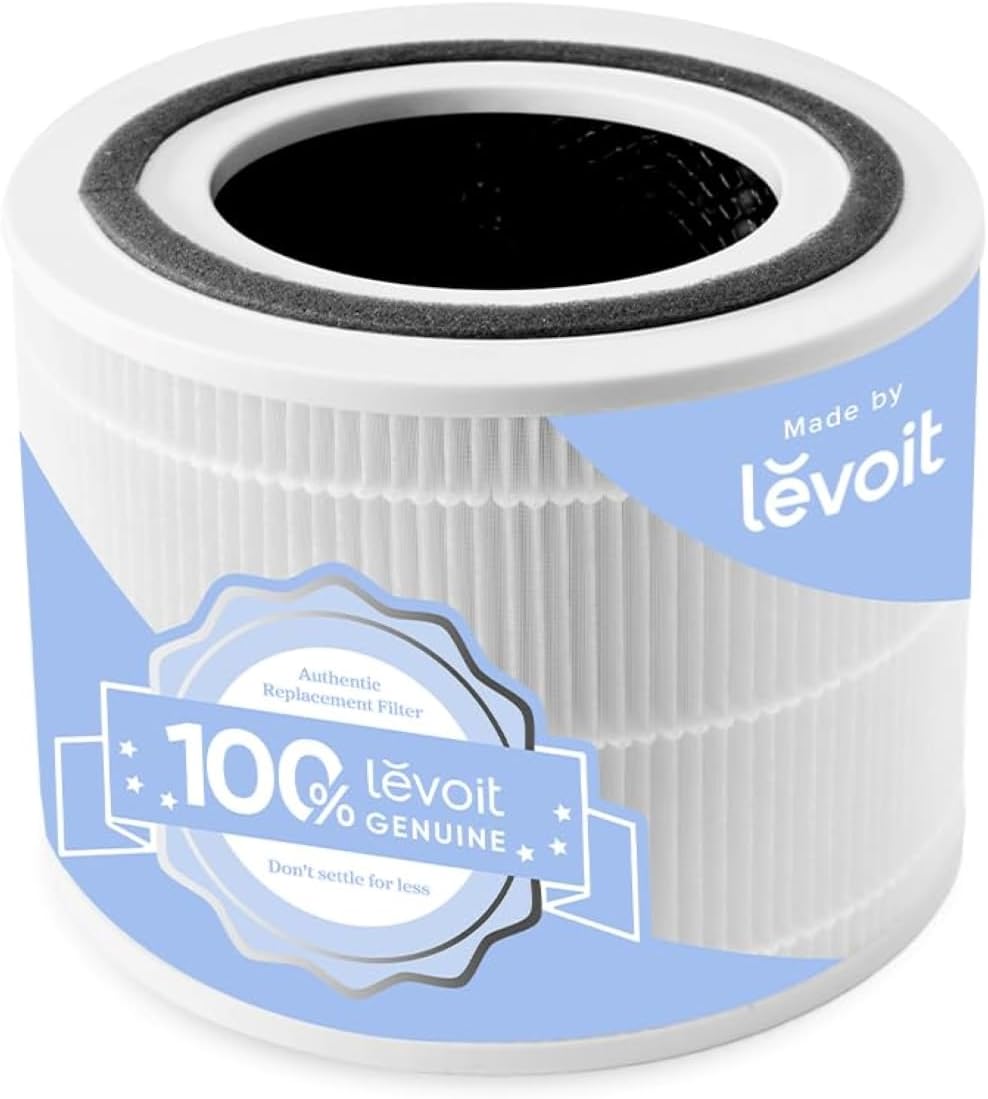
Honeywell air purifiers typically employ multi-stage filtration systems. This usually includes a pre-filter for larger particles like hair, an activated carbon filter to absorb odors and gases, and a HEPA filter to trap microscopic allergens and irritants. This comprehensive approach ensures a substantial reduction in common indoor air contaminants.
Key Features That Define Honeywell’s Quality
The quality of a Honeywell air purifier is often defined by its innovative features. Many models include smart sensor technology that automatically adjusts fan speed based on real-time air quality. This ensures optimal purification without constant manual intervention.
Other notable features include quiet operation modes, filter replacement indicators for hassle-free maintenance, and multiple speed settings to cater to different needs. These user-centric designs contribute to their overall good performance and ease of use.
Multi-Stage Filtration: The Heart of Clean Air
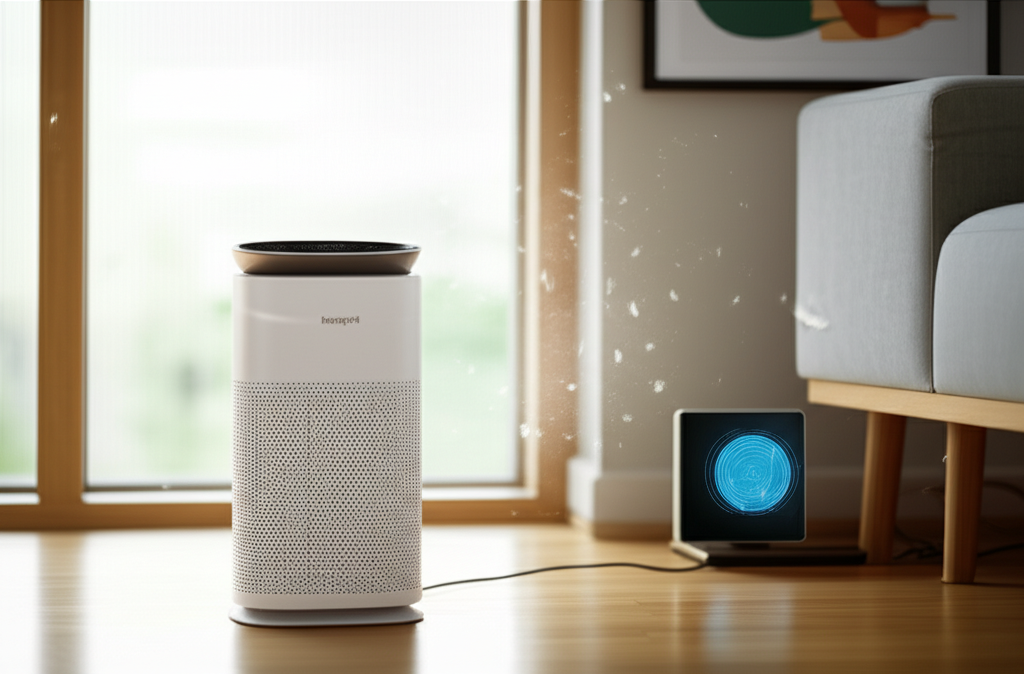
At the core of how good is Honeywell air purifier lies its multi-stage filtration. This system is designed to tackle a broad spectrum of airborne impurities. The pre-filter captures large particles, extending the life of subsequent filters.
The activated carbon filter is vital for removing odors from cooking, pets, or smoke, making your living space more pleasant. Finally, the True HEPA filter is the workhorse, capturing 99.97% of airborne particles as small as 0.3 microns, including allergens like pollen, dust mites, and mold spores.
Smart Sensor Technology and Auto Mode
Many Honeywell air purifiers come equipped with intelligent sensors. These sensors continuously monitor the air quality in your room. When pollutants are detected, the unit automatically adjusts its fan speed to increase purification.
This auto mode is a significant convenience factor, ensuring your air is consistently clean without you having to think about it. It’s a testament to how good is Honeywell air purifier at providing a “set it and forget it” solution for many users.
Honeywell Air Purifier Models and Their Strengths
Honeywell offers a diverse range of air purifiers, each tailored to specific needs and room sizes. Understanding these different models helps in choosing the one that best answers “how good is Honeywell air purifier” for your situation. From compact units for bedrooms to larger ones for living areas, there’s a Honeywell for almost every need.
For instance, their compact models are excellent for personal spaces, offering targeted purification. Larger, more powerful units are designed for open-plan living areas, capable of cleaning larger volumes of air effectively.
Compact Series for Personal Spaces
The compact Honeywell air purifiers are ideal for smaller rooms like bedrooms or home offices. They provide focused purification, ensuring the air you breathe most often is clean. Despite their size, they pack effective filtration capabilities.
These units are often praised for their quiet operation, making them unobtrusive for sleeping or working environments. They offer a simple yet effective way to improve indoor air quality in close quarters.
Larger Units for Whole-Room Purification
For living rooms, kitchens, or larger open spaces, Honeywell offers more robust models. These units are designed with higher CADR ratings to handle greater air volumes and more significant pollutant loads. They are built to provide comprehensive clean air solutions for the entire family.
Their increased power ensures that allergens, odors, and other airborne irritants are efficiently removed from larger areas. This makes them a valuable investment for homes with pets, allergy sufferers, or those living in areas with higher outdoor pollution.
User Reviews and Real-World Effectiveness
When asking “how good is Honeywell air purifier,” real-world user experiences offer valuable insights. Across various retail platforms and review sites, Honeywell air purifiers generally receive positive feedback. Users frequently commend their effectiveness in reducing allergens and improving noticeable air quality.
Many reviews highlight a reduction in allergy symptoms, less dust accumulation, and the elimination of pet odors. This anecdotal evidence strongly supports the performance claims made by the brand.
A user on Amazon shared, “I used to wake up with a stuffy nose every morning. Since getting my Honeywell air purifier, I can breathe so much better. It’s quiet and really works!”
This sentiment is echoed by many, indicating a tangible positive impact on daily life. The reliability and consistent performance are often cited as key strengths.
Maintenance and Longevity
The long-term effectiveness of any air purifier depends on proper maintenance. Honeywell air purifiers are designed with user-friendly maintenance in mind, contributing to their overall value and longevity. Regular cleaning and timely filter replacement are key to keeping them running efficiently.
The availability of replacement filters and clear instructions on maintenance procedures make it easy for users to ensure their unit continues to perform at its best. This ease of upkeep adds to the question of “how good is Honeywell air purifier” over time.
Filter Replacement: A Simple Necessity
Filter replacement is a straightforward process for most Honeywell models. Many units feature illuminated indicators that alert you when it’s time to change the filters. This prevents guesswork and ensures your purifier maintains optimal performance.
Typically, pre-filters can be vacuumed or washed, while HEPA and carbon filters need periodic replacement, usually every 6-12 months depending on usage and air quality. This regular upkeep is essential for sustained air purification.
Durability and Build Quality
Honeywell is known for producing durable appliances, and their air purifiers are no exception. The build quality of their units is generally robust, suggesting a longer lifespan compared to less well-built alternatives. This durability is a significant factor in their overall good value.
Investing in a well-built appliance like a Honeywell air purifier means you can rely on it for consistent performance for years to come. This contributes to a positive long-term ownership experience.
Comparing Honeywell to Other Brands
Understanding how good is Honeywell air purifier also involves comparing it to other leading brands in the market. While brands like Dyson, Coway, and Levoit have their own strengths, Honeywell often stands out for its balance of performance, durability, and value.
Honeywell often offers a solid HEPA filtration system at a competitive price point. While some premium brands may boast more advanced smart features or sleeker designs, Honeywell focuses on delivering reliable, effective air purification.
Price vs. Performance Analysis
Honeywell air purifiers often provide a strong performance-to-price ratio. You can typically find effective HEPA air purifiers from Honeywell that are more budget-friendly than comparable models from some other high-end brands. This makes them an accessible option for many households seeking essential clean air.
This balance means you don’t necessarily have to break the bank to get a high-quality air purifier that significantly improves your indoor environment. It answers the question of “how good is Honeywell air purifier” for those on a budget.
Here’s a brief comparison of common features:
| Feature | Honeywell Air Purifiers | Premium Brands (e.g., Dyson) | Mid-Range Brands (e.g., Coway) |
| :—————- | :———————— | :————————— | :—————————– |
| Filtration | True HEPA, Carbon, Pre-filter | True HEPA, Carbon, advanced sensors | True HEPA, Carbon, Pre-filter |
| Price | Mid-range to Affordable | High | Mid-range |
| Smart Features | Basic to Moderate | Advanced (App control, air quality reports) | Moderate to Advanced |
| Design | Functional, Durable | Sleek, Modern, Integrated | Varies, often modern |
| Noise Level | Generally good, some models quieter | Often very quiet | Generally good |
Environmental Impact and Energy Efficiency
When considering how good is Honeywell air purifier, energy efficiency is also an important factor. Many Honeywell models are designed to be energy-conscious, operating at relatively low wattage, especially on lower fan speeds. This helps to keep electricity costs down.
Furthermore, by effectively removing allergens and pollutants, they contribute to a healthier indoor environment, which can have positive indirect effects on overall well-being. The long lifespan of their durable units also reduces the need for frequent replacements, lessening manufacturing impact.
Is a Honeywell Air Purifier Right for You?
To answer “how good is Honeywell air purifier” for your specific needs, consider your primary concerns. If you’re looking for effective HEPA filtration, reliable performance, and user-friendly operation without excessive bells and whistles, Honeywell is an excellent choice. They are particularly well-suited for allergy sufferers, pet owners, and anyone concerned about general indoor air quality.
Their range of models means you can find a unit appropriate for your room size and budget. The consistent positive feedback from users further solidifies their reputation as a dependable provider of essential clean air solutions.
Who Benefits Most from Honeywell?
Honeywell air purifiers are particularly beneficial for individuals suffering from allergies or asthma. The True HEPA filtration system is highly effective at capturing common allergens like pollen, dust mites, pet dander, and mold spores, which can trigger respiratory issues. For these individuals, the improvement in air quality can be life-changing.
Pet owners also find significant value in Honeywell units, as they help to control pet odors and dander, making homes more comfortable. Additionally, those living in urban areas with higher levels of outdoor pollution or in regions prone to wildfire smoke can benefit greatly from the added layer of air purification.
Frequently Asked Questions about Honeywell Air Purifiers
How often should I replace the HEPA filter in my Honeywell air purifier?
Generally, HEPA filters in Honeywell air purifiers need replacement every 6 to 12 months. This can vary depending on usage frequency and the level of pollutants in your air. Many models have a filter indicator light to help you know when it’s time.
Are Honeywell air purifiers noisy?
Honeywell air purifiers operate at various noise levels depending on the model and fan speed. Most units are designed to be relatively quiet, especially on lower settings, making them suitable for bedrooms. Some models even feature a “sleep” or “quiet” mode for minimal disruption.
Can a Honeywell air purifier help with smoke odors?
Yes, Honeywell air purifiers with activated carbon filters are very effective at reducing smoke odors. The carbon filter absorbs odor molecules, while the HEPA filter captures smoke particles, significantly improving air quality.
How do I know which Honeywell air purifier is best for my room size?
You should look at the CADR (Clean Air Delivery Rate) and the manufacturer’s recommended room size for each Honeywell model. Ensure the CADR is appropriate for the square footage of your room to guarantee effective purification.
Are Honeywell air purifiers energy efficient?
Many Honeywell air purifiers are designed with energy efficiency in mind. They typically use lower wattage, especially on lower fan speeds, and are ENERGY STAR certified in some cases, meaning they meet strict energy efficiency guidelines set by the EPA.
What is the difference between a Honeywell HEPA filter and a True HEPA filter?
A True HEPA filter captures 99.97% of airborne particles as small as 0.3 microns. Honeywell primarily uses True HEPA filters, which is a standard that guarantees a high level of filtration for microscopic allergens and irritants.
Conclusion: Honeywell Air Purifiers Deliver Essential Clean Air
In conclusion, when evaluating “how good is Honeywell air purifier,” the answer is overwhelmingly positive. They offer robust, effective air purification solutions that are accessible and reliable for everyday use. With their multi-stage filtration, user-friendly features, and durable build quality, Honeywell units consistently deliver on their promise of essential clean air.
Whether you’re battling allergies, dealing with pet dander, or simply seeking a healthier living environment, a Honeywell air purifier is a worthwhile investment that can significantly improve your indoor air quality.
Explore our guide to choosing the right air purifier to further refine your decision.