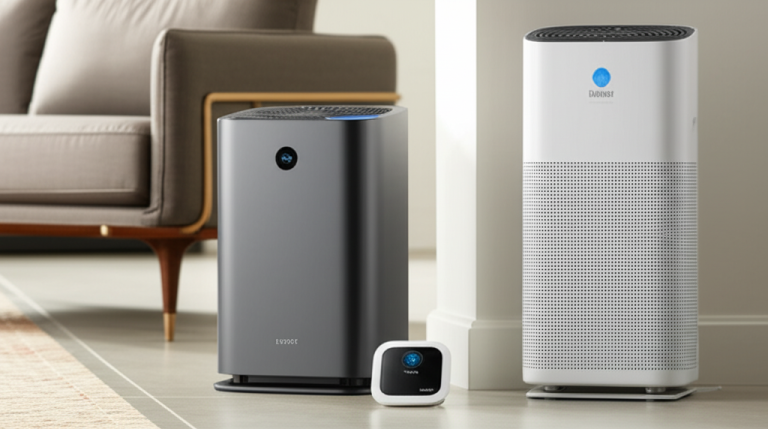
Honeywell vs Coway Air Purifier: Essential Guide

Honeywell vs Coway air purifier: This guide breaks down the key differences between Honeywell and Coway air purifiers, helping you choose the best model for cleaner air at home. We’ll compare features, performance, and value to make your decision easier.
Breathing fresh, clean air is something we all want for our homes. Yet, with common allergens, pollutants, and even odors constantly circulating, achieving that can be a challenge. Many homeowners find themselves wondering which air purifier brand truly delivers. If you’re comparing Honeywell and Coway, you’re not alone; these two giants dominate the market, but their approaches differ. This guide will cut through the confusion, offering a clear comparison to help you find the perfect air purifier for your needs.
Why Compare Honeywell and Coway Air Purifiers?
Both Honeywell and Coway are renowned for their commitment to air purification technology. They offer a wide range of models designed to tackle various air quality concerns, from dust and pet dander to smoke and VOCs. Understanding their unique strengths and weaknesses is crucial for making an informed purchase. This comparison will highlight what sets them apart, ensuring you invest wisely in your home’s air quality.
Honeywell: A Legacy of Innovation
Honeywell has a long-standing reputation for engineering excellence, and their air purifiers are no exception. They often focus on robust filtration systems and durable designs, catering to users who prioritize reliability and effective pollutant removal. Many Honeywell models are ENERGY STAR certified, reflecting their commitment to energy efficiency.
Coway: Smart Features and Sleek Design
Coway, on the other hand, has gained popularity for its innovative features and aesthetically pleasing designs. They often integrate smart technology, such as app control and air quality sensors, into their purifiers. Coway models are also known for their quiet operation and stylish appearance, fitting seamlessly into modern homes.
Key Comparison Factors: Honeywell vs. Coway
When deciding between Honeywell and Coway, several factors come into play. These include the type of filtration, room coverage, noise levels, additional features, and of course, price. Each brand excels in different areas, making the choice highly dependent on your specific requirements.
Filtration Technology: What’s Inside Matters
Both brands utilize multi-stage filtration systems, typically including a pre-filter, an activated carbon filter, and a True HEPA filter. True HEPA filters are essential as they capture 99.97% of airborne particles as small as 0.3 microns.
Honeywell: Often emphasizes the effectiveness of its HEPA filters and sometimes includes specialized filters for odor control or VOCs. Their systems are designed for maximum particle capture.
Coway: Also employs True HEPA filters and activated carbon. Some Coway models feature advanced sensors that automatically adjust fan speed based on detected air quality, optimizing filtration.
Room Coverage and CADR Ratings
Choosing an air purifier that’s appropriately sized for your room is paramount. Clean Air Delivery Rate (CADR) ratings indicate how quickly a purifier can clean the air in a specific room size. Higher CADR ratings mean faster purification.
Honeywell: Offers a broad range of models suitable for various room sizes, from small bedrooms to large living areas. Their CADR ratings are generally competitive for their respective room capacities.
Coway: Provides models designed for specific room sizes, often clearly stating the recommended square footage. Their purifiers are known for efficiently cleaning the air within their designated coverage areas.
Noise Levels: Quiet Operation is Key
The sound a purifier makes can be a significant factor, especially for bedrooms or home offices. Manufacturers usually provide decibel (dB) ratings for different fan speeds.
Honeywell: While generally effective, some Honeywell models can be noisier at higher settings compared to their Coway counterparts. However, many offer quieter low-speed options.
Coway: Is often praised for its exceptionally quiet operation, particularly on lower fan speeds. This makes them an excellent choice for those sensitive to noise.
Smart Features and User Experience
Modern air purifiers are incorporating smart technology to enhance user convenience and provide more control over air quality.
Honeywell: While some newer Honeywell models include smart features like app connectivity, they are generally more focused on core purification performance. Older models might be more basic in their functionality.
Coway: Excels in this area, with many models featuring Wi-Fi connectivity, smartphone apps for remote control and monitoring, and sophisticated air quality indicators. Features like timer functions and filter replacement alerts are standard.
Design and Aesthetics
The look of an appliance can matter, especially in a living space. Both brands offer different styles.
Honeywell: Tends to have a more utilitarian and robust design, focusing on functionality. Their units are often compact and built to last.
Coway: Is known for its sleek, modern, and often minimalist designs. Their purifiers are crafted to blend well with contemporary home decor.
Popular Models: A Closer Look
Let’s examine a few popular models from each brand to illustrate their differences in practice.
Honeywell HPA300 vs. Coway Airmega 200M
This comparison highlights a common choice for medium to large rooms.
| Feature | Honeywell HPA300 | Coway Airmega 200M |
| :————– | :———————————————- | :———————————————– |
| Room Size | Up to 465 sq. ft. | Up to 361 sq. ft. |
| CADR | 300 (Smoke), 320 (Dust), 300 (Pollen) | 254 (Dust), 246 (Smoke), 243 (Pollen) |
| Filtration | Pre-filter, Activated Carbon, True HEPA | Pre-filter, Deodorization, True HEPA |
| Noise Level | 35 dB (low) to 55 dB (high) | 24 dB (low) to 53 dB (high) |
| Smart Features | Basic controls, filter indicator | Eco Mode, filter indicator |
| Special Notes | Powerful, good for allergies | Quiet, energy-efficient Eco Mode |
| Price Range | Mid-range | Mid-range |
The Honeywell HPA300 is a powerhouse for larger spaces, offering robust filtration. It’s a great choice if you need to quickly clear the air of allergens and pollutants.
The Coway Airmega 200M, while covering a slightly smaller area, is celebrated for its quiet operation and energy-saving Eco Mode. This makes it ideal for bedrooms or living areas where noise is a concern.
Honeywell HPA100 vs. Coway AP-1512HH Mighty
This comparison focuses on popular compact models for smaller rooms.
| Feature | Honeywell HPA100 | Coway AP-1512HH Mighty |
| :————– | :———————————————- | :———————————————– |
| Room Size | Up to 310 sq. ft. | Up to 325 sq. ft. |
| CADR | 100 (Smoke), 100 (Dust), 110 (Pollen) | 120 (Dust), 118 (Smoke), 115 (Pollen) |
| Filtration | Pre-filter, Activated Carbon, True HEPA | Pre-filter, Deodorization, True HEPA |
| Noise Level | 30 dB (low) to 50 dB (high) | 22 dB (low) to 53 dB (high) |
| Smart Features | Basic controls, filter indicator | Auto Mode, air quality sensor, filter indicator |
| Special Notes | Compact, effective for small rooms | Auto Mode adjusts fan speed, very popular |
| Price Range | Entry-level to Mid-range | Entry-level to Mid-range |
The Honeywell HPA100 is a solid, no-nonsense option for smaller spaces needing reliable HEPA filtration. It’s straightforward to use and effectively tackles common airborne irritants.
The Coway AP-1512HH Mighty is a perennial favorite due to its excellent performance for its size and price. Its Auto Mode and air quality sensor offer a level of convenience often found in more expensive units.
Which Brand is Right for You?
The decision between Honeywell and Coway ultimately hinges on your priorities. Both brands offer excellent air purification capabilities, but they cater to slightly different user needs and preferences.
When to Choose Honeywell
You prioritize robust, no-frills purification performance.
You need to cover larger room sizes with powerful filtration.
Durability and a long track record are important to you.
You are less concerned with smart features and more with core functionality.
When to Choose Coway
You value quiet operation, especially for bedrooms or living areas.
You appreciate smart technology, app control, and automatic adjustments.
A sleek, modern design is important for your home decor.
You are looking for excellent performance in a compact, often more energy-efficient package.
Maintenance and Filter Replacement Costs
An often-overlooked aspect of owning an air purifier is the ongoing cost of filter replacements. Both Honeywell and Coway require periodic filter changes to maintain optimal performance.
Honeywell: Replacement filters are readily available and typically fall within a competitive price range. The frequency of replacement depends on usage and air quality, but HEPA filters usually last 6-12 months, and pre-filters need regular cleaning or replacement.
Coway: Filter costs are also a consideration. While their units are efficient, replacement filters can sometimes be slightly more expensive than generic alternatives. It’s crucial to factor these recurring costs into your overall budget. Always check the recommended replacement schedule for your specific model.
User Reviews and Real-World Performance
Looking at what actual users say can provide invaluable insights. Both brands consistently receive high marks for their effectiveness.
“I’ve struggled with allergies for years, and my Honeywell HPA300 has made a noticeable difference in my bedroom. I wake up feeling much clearer.” – Sarah K., Allergy Sufferer.
Coway units often receive praise for their quietness and ease of use.
“The Coway Airmega 200M is so quiet, I barely know it’s on, but my air feels so much fresher. I love the auto mode!” – Mark T., Homeowner.
These testimonials highlight that both brands deliver on their promises, with users often choosing based on the specific features that matter most to them.
Environmental Considerations and Certifications
When purchasing an air purifier, it’s also worth considering energy efficiency and environmental impact.
ENERGY STAR Certification: Many Honeywell and Coway models bear the ENERGY STAR label, indicating they meet strict energy efficiency guidelines set by the U.S. Environmental Protection Agency. This means they use less electricity, saving you money on your utility bills and reducing your carbon footprint. You can check for this certification on the product packaging or manufacturer’s website.
Material Sourcing and Durability: Both companies are increasingly focused on durable designs and responsible manufacturing. Longer-lasting units reduce waste, and considering the lifespan of a purifier is part of a sustainable approach to home appliance ownership.
Frequently Asked Questions
What is the main difference between Honeywell and Coway air purifiers?
The primary differences lie in their design philosophy and feature sets. Honeywell often focuses on robust, powerful filtration with durable build quality, while Coway emphasizes sleek aesthetics, quiet operation, and advanced smart features.
Which brand is better for allergies?
Both brands offer excellent True HEPA filtration, which is crucial for allergy sufferers. Honeywell’s powerful models might be slightly more advantageous for rapidly clearing allergens from larger spaces, while Coway’s consistent performance and quiet operation make it great for bedrooms.
Are Coway air purifiers worth the price?
For many users, Coway air purifiers are considered worth the investment due to their excellent performance, quiet operation, smart features, and attractive design. Their popularity and consistently positive reviews support this view.
How often do I need to replace filters for Honeywell and Coway?
Filter replacement frequency varies by model, usage, and air quality. Generally, True HEPA filters should be replaced every 6-12 months, and activated carbon filters every 3-6 months. Always refer to your specific model’s manual for precise recommendations.
Can I use a Honeywell air purifier in a large room?
Yes, Honeywell offers various models designed for different room sizes, including larger spaces. Always check the recommended room coverage area (often in square feet) and the CADR (Clean Air Delivery Rate) for the specific Honeywell model you are considering.
Are Coway air purifiers energy efficient?
Many Coway air purifiers are ENERGY STAR certified, indicating they are highly energy efficient. Features like Eco Mode on some models further reduce energy consumption when air quality is good.
Conclusion: Making Your Final Choice
Deciding between a Honeywell and a Coway air purifier involves understanding your personal needs and priorities. If you’re seeking a workhorse with a proven track record for powerful air cleaning, particularly in larger spaces, Honeywell is a strong contender. Their focus on core filtration and durability offers peace of mind.
However, if you desire a blend of advanced technology, whisper-quiet operation, and a modern aesthetic that complements your home, Coway might be the better fit. Their smart features and user-friendly designs often elevate the home air purification experience.
Ultimately, both brands are excellent choices for improving your indoor air quality. By considering the factors discussed—filtration, room size, noise, features, and budget—you can confidently select the air purifier that will best serve your home and family.
If you found this guide helpful, consider subscribing for more expert home appliance reviews and tips to create a healthier living environment.