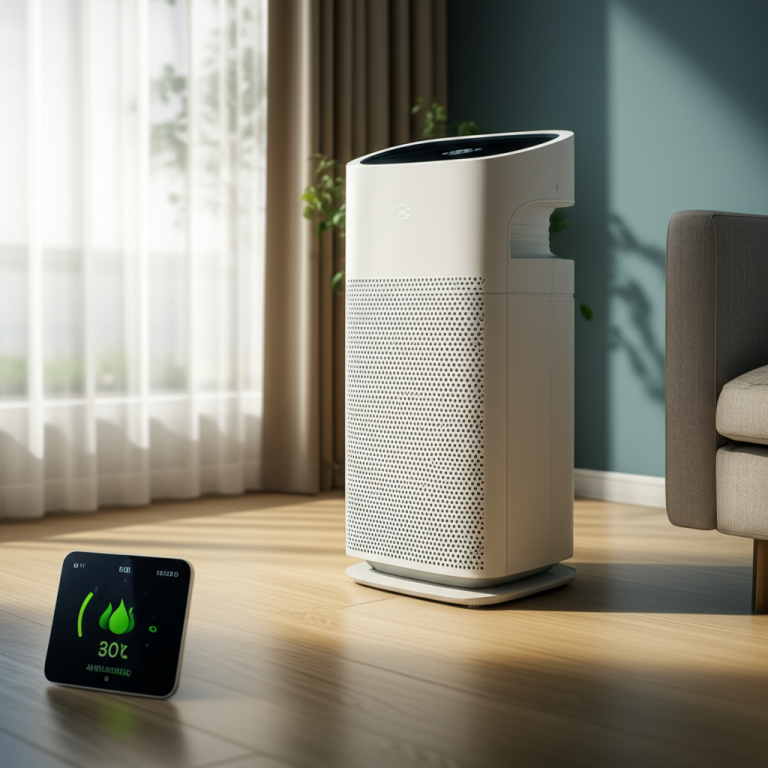
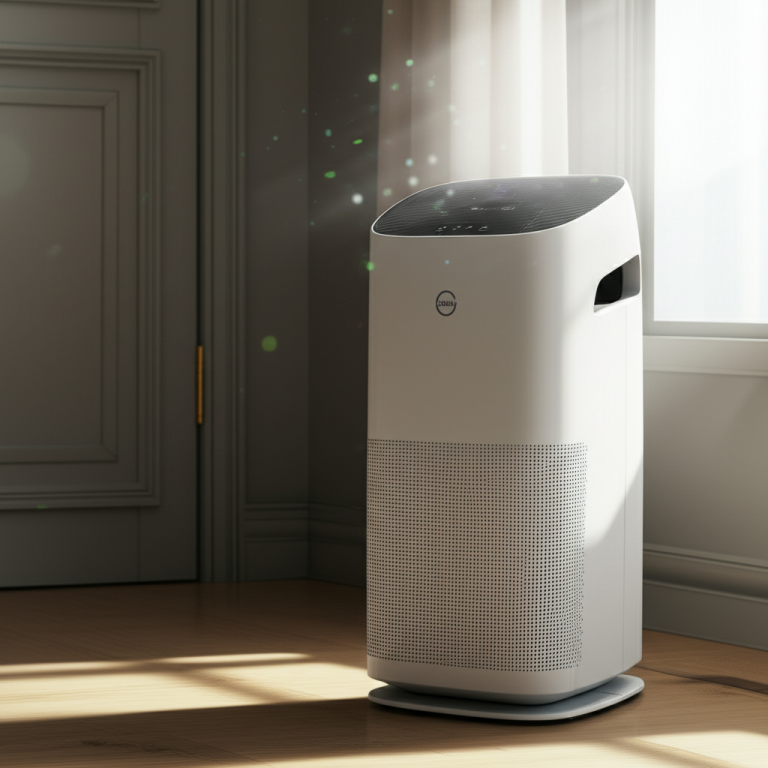
Honeywell True HEPA Tower Air Purifier Reviews: Essential Guide

Discover comprehensive Honeywell True HEPA Tower Air Purifier reviews in this essential guide. We analyze key features, performance, and user feedback to help you make an informed decision for cleaner indoor air.
Breathing fresh, clean air at home is more important than ever, especially with concerns about indoor air quality. You might be looking for an air purifier that effectively tackles allergens, dust, and odors. Many people struggle to find a model that is both powerful and user-friendly. This guide will walk you through everything you need to know about Honeywell True HEPA Tower Air Purifiers, making your choice simpler and giving you peace of mind.
Why Choose a Honeywell True HEPA Tower Air Purifier?
Honeywell True HEPA Tower Air Purifiers are a popular choice for many households seeking to improve their indoor air quality. They are known for their efficient filtration systems and sleek tower designs, which can fit seamlessly into various room decors. These units are designed to capture a significant percentage of airborne particles, contributing to a healthier living environment.
These purifiers are engineered to capture microscopic particles like pollen, pet dander, and dust mites, which can trigger allergies and respiratory issues. Their True HEPA filters are a core component, promising to remove 99.97% of airborne particles as small as 0.3 microns. This level of filtration is crucial for individuals with sensitivities or those living in areas with higher pollution levels.
Understanding True HEPA Filtration
True HEPA filters are the gold standard in air purification technology. They are certified to meet stringent performance standards set by regulatory bodies. This means they are highly effective at trapping the smallest airborne contaminants that can impact your health and home environment.
The “True HEPA” designation is important because it signifies a filter that meets a specific efficiency rating. Generic HEPA-type filters may not capture particles as effectively, so looking for “True HEPA” ensures you’re getting the best possible air cleaning performance for your investment.
Key Features of Honeywell True HEPA Tower Air Purifiers
When evaluating Honeywell True HEPA Tower Air Purifier reviews, several key features consistently stand out. These elements contribute to the overall effectiveness, user experience, and value of the product. Understanding these aspects will help you compare different models and identify the best fit for your needs.
These purifiers often boast multi-stage filtration systems, which go beyond just the HEPA filter. They typically include a pre-filter to capture larger particles like hair and lint, extending the life of the main HEPA filter. An activated carbon filter is also common, designed to absorb odors from cooking, pets, and smoke.
Multi-Stage Filtration Explained
A multi-stage filtration process ensures that your air is cleaned thoroughly. The pre-filter captures visible debris, preventing it from clogging the more delicate HEPA and carbon filters. This prolongs the lifespan of these crucial components and maintains optimal performance.
The activated carbon filter then works to neutralize common household odors, transforming stale air into a fresher environment. Finally, the True HEPA filter tackles the microscopic particles that can cause allergies and other health concerns. This layered approach provides comprehensive air purification.
Air Quality Sensors and Auto Mode
Many Honeywell tower purifiers are equipped with intelligent air quality sensors. These sensors continuously monitor the air for pollutants and automatically adjust the fan speed to maintain optimal air quality. This feature offers convenience and ensures the purifier is working efficiently without constant manual adjustment.
When the sensor detects an increase in airborne particles, the purifier will ramp up its fan speed to clear the air more quickly. Once the air quality improves, it will return to a quieter, lower setting. This “set it and forget it” functionality is a significant benefit for busy households.
Noise Levels and Sleep Mode
A common concern with air purifiers is noise. Honeywell models often include a “Sleep Mode” or quiet operation setting. This mode reduces the fan speed to its lowest setting and often dims or turns off the unit’s indicator lights, allowing for undisturbed sleep.
While no air purifier is completely silent, the lower settings on these tower models are generally unobtrusive. Many users find them comparable to a gentle fan noise, which can even be beneficial for masking other household sounds. Checking specific decibel ratings for models you’re considering is always a good idea.
Honeywell True HEPA Tower Air Purifier Models: A Comparison
Honeywell offers a range of True HEPA Tower Air Purifier models, each with slightly different capabilities and target room sizes. Understanding these variations helps you select the unit best suited for your specific needs, whether it’s for a small bedroom or a larger living area.
Here’s a look at some common model series and their general characteristics. Please note that specific features can vary between individual models within these series. Always check the product specifications for the exact model you are interested in.
Popular Model Series Overview
Honeywell HPA Series: This is one of Honeywell’s most popular lines, often featuring a robust True HEPA filtration system. Models like the HPA100, HPA200, and HPA300 are designed for medium to large rooms and are frequently cited in positive Honeywell True HEPA Tower Air Purifier reviews. They typically offer multiple fan speeds and an auto-off timer.
Honeywell HRF Series: While some HRF models might not be tower-style, many incorporate the core True HEPA filtration technology. These are often compact and suitable for smaller spaces like bedrooms or home offices.
Honeywell Compact Series: Designed for personal spaces or smaller rooms, these purifiers offer the essential True HEPA filtration in a space-saving design. They are ideal for dorm rooms, apartments, or as a secondary unit.
Performance Metrics: CADR and Room Size
When looking at Honeywell True HEPA Tower Air Purifier reviews, you’ll often see mentions of CADR ratings. CADR stands for Clean Air Delivery Rate, and it measures how quickly an air purifier can clean a room of specific pollutants (smoke, dust, pollen). A higher CADR generally means faster air cleaning.
Manufacturers typically recommend a maximum room size for each purifier based on its CADR. It’s crucial to match the purifier’s capacity to your room size to ensure effective air cleaning. Using a unit that’s too small for a large room will result in less efficient performance. For instance, a unit rated for 200 sq ft might struggle in a 400 sq ft space.
| Model Series (Example) | Recommended Room Size (Sq Ft) | Smoke CADR | Dust CADR | Pollen CADR |
| :——————— | :—————————- | :———- | :——– | :———- |
| HPA100 | Up to 150 | 100 | 110 | 120 |
| HPA200 | Up to 200 | 167 | 177 | 186 |
| HPA300 | Up to 230 | 197 | 208 | 218 |
Note: CADR values and room size recommendations are approximate and can vary by specific model and testing conditions. Always refer to the manufacturer’s specifications.
User Experience and Ease of Use
Beyond technical specifications, how a Honeywell True HEPA Tower Air Purifier performs in daily life is paramount. User reviews often highlight aspects like setup, filter replacement, and overall operation. A simple, intuitive design can make a significant difference in how satisfied you are with your purchase.
Most Honeywell tower purifiers are designed for straightforward setup. You typically just need to unbox the unit, remove any protective packaging from the filters, and plug it in. The controls are usually clearly labeled and easy to understand.
Filter Replacement: A Key Consideration
Filter replacement is an ongoing cost and a critical maintenance task for any air purifier. Honeywell True HEPA Tower Air Purifier reviews frequently discuss the ease of this process. Most models have indicator lights that alert you when it’s time to replace the filters, which is usually every 6-12 months depending on usage and air quality.
Replacement filters are readily available from Honeywell and various retailers. It’s important to use genuine Honeywell replacement filters to ensure your air purifier continues to operate at its optimal performance level. Using third-party filters could potentially void warranties or reduce filtration efficiency.
Control Panel and Settings
The control panels on Honeywell tower air purifiers are typically user-friendly. They usually feature buttons for power, fan speed selection, and timer settings. Some advanced models may also include controls for the air quality sensor sensitivity or a child lock feature.
The clarity of the display and the intuitiveness of the controls contribute significantly to the overall user experience. Many users appreciate the straightforward design that doesn’t require a complex manual to operate.
Effectiveness in Real-World Scenarios
To truly gauge the value of a Honeywell True HEPA Tower Air Purifier, it’s essential to look at its effectiveness in various real-world situations. How well does it perform for allergy sufferers, pet owners, or those dealing with smoke odors? User testimonials and independent tests provide valuable insights.
Many users report a noticeable improvement in indoor air quality after using a Honeywell True HEPA Tower Air Purifier. This can manifest as reduced allergy symptoms, less dust accumulation on surfaces, and a general feeling of fresher air.
Tackling Allergens and Pollen
For individuals suffering from seasonal allergies or sensitivities to common household allergens like dust mites and pet dander, a True HEPA filter is a game-changer. These purifiers are designed to capture these microscopic irritants, preventing them from circulating in the air you breathe.
Numerous Honeywell True HEPA Tower Air Purifier reviews from allergy sufferers confirm their effectiveness. Users often find that symptoms like sneezing, itchy eyes, and nasal congestion are significantly reduced when running the purifier in their bedroom or main living areas.
Odor Control and Smoke Reduction
Beyond allergens, Honeywell purifiers with activated carbon filters are also adept at neutralizing unpleasant odors. This includes common household smells from cooking, pets, and even smoke from fireplaces or wildfires. The carbon filter absorbs volatile organic compounds (VOCs) responsible for these odors.
While HEPA filters capture particles, the carbon filter is key to odor removal. For those concerned about lingering smells, ensuring the model includes a substantial activated carbon filter is important. The effectiveness can vary based on the amount of carbon used and the intensity of the odors.
Maintenance and Long-Term Costs
Investing in an air purifier means considering its long-term operational costs, primarily filter replacements and energy consumption. Understanding these factors will help you budget effectively and make a sustainable choice for your home.
The primary ongoing cost associated with Honeywell True HEPA Tower Air Purifiers is the replacement of filters. As mentioned, these typically need to be replaced every 6-12 months. The cost of these replacement filters can range from $30 to $70 or more, depending on the model and where you purchase them.
Energy Consumption
Honeywell air purifiers are generally designed to be energy-efficient, especially when operating on lower fan speeds or in auto mode. The energy consumption will vary depending on the model and the fan speed being used. For instance, running a unit on its highest setting will consume more electricity than on its lowest.
According to the U.S. Department of Energy, the average air purifier uses between 50 and 150 watts of power. Honeywell models typically fall within or below this range. Using the timer functions and auto mode can further help optimize energy usage by only running the purifier when necessary.
Filter Lifespan and Costs Table
Here’s a general idea of filter replacement frequency and estimated costs. Remember that actual lifespan can vary greatly based on your home’s air quality and how often the purifier is used.
| Filter Type | Typical Replacement Interval | Estimated Cost Range (per filter) |
| :—————– | :————————— | :——————————– |
| Pre-Filter | Monthly (washable) | N/A (or part of HEPA cost) |
| Activated Carbon | 6-12 Months | $20 – $40 |
| True HEPA | 6-12 Months | $30 – $70 |
Note: Costs are estimates and can vary significantly by retailer and region. Some models combine HEPA and carbon filters into a single unit, affecting replacement cost and frequency.
Pros and Cons of Honeywell True HEPA Tower Air Purifiers
Like any product, Honeywell True HEPA Tower Air Purifiers have their strengths and weaknesses. Weighing these pros and cons against your specific needs and expectations is a crucial step in making the right decision.
Many users find Honeywell purifiers to be a reliable and effective solution for improving indoor air quality. Their strong reputation and consistent performance in Honeywell True HEPA Tower Air Purifier reviews are significant advantages.
Advantages
True HEPA Filtration: Captures 99.97% of airborne particles.
Effective Odor Reduction: Activated carbon filters tackle smells.
User-Friendly Design: Easy to set up and operate.
Auto Mode: Intelligent sensors adjust performance automatically.
Reputable Brand: Honeywell has a long-standing reputation for quality home appliances.
Variety of Models: Options available for different room sizes and budgets.
Disadvantages
Filter Replacement Costs: Ongoing expense for replacement filters.
Noise on Higher Settings: Can be noticeable at maximum fan speeds.
Size: Tower designs, while space-efficient vertically, can have a noticeable footprint.
Indicator Lights: Some users find the lights too bright for dark bedrooms, though many models have dimming or off options.
Where to Buy and What to Look For
When you’re ready to purchase a Honeywell True HEPA Tower Air Purifier, knowing where to look and what to consider will ensure you get the best value and the right product for your needs. Availability and pricing can vary, so a little research goes a long way.
You can find Honeywell air purifiers at major online retailers like Amazon, Walmart, and Best Buy. They are also often available at home improvement stores and directly from the Honeywell website. Comparing prices across different platforms is recommended.
Making Your Final Selection
Consider the following when making your final choice:
Room Size: Ensure the CADR rating and recommended room size match your space.
Specific Needs: Are you primarily concerned with allergens, odors, or both?
Budget: Factor in the initial purchase price and the ongoing cost of replacement filters.
Noise Level: If you’re sensitive to noise, look for models with a quiet or sleep mode and check decibel ratings.
Extra Features: Do you need an air quality indicator, timer, or child lock?
Frequently Asked Questions (FAQ)
What is the lifespan of a Honeywell True HEPA filter?
A True HEPA filter typically lasts between 6 to 12 months, depending on usage and the level of pollutants in your home. Some models have filter replacement indicators to help you track this.
Are Honeywell True HEPA Tower Air Purifiers good for allergies?
Yes, Honeywell True HEPA Tower Air Purifiers are highly effective for allergy sufferers. Their True HEPA filters capture 99.97% of microscopic allergens like pollen, dust mites, and pet dander that can trigger allergy symptoms.
How often should I clean the pre-filter?
The pre-filter is usually washable and should be cleaned monthly to maintain optimal performance and extend the life of the HEPA filter. Check your specific model’s manual for cleaning instructions.
Can a Honeywell air purifier remove smoke smell?
Yes, models equipped with an activated carbon filter are effective at absorbing and removing smoke odors from the air. The effectiveness depends on the amount of carbon in the filter.
Are Honeywell air purifiers noisy?
Honeywell air purifiers operate at different noise levels depending on the fan speed. They typically have a quiet or sleep mode for nighttime use, which significantly reduces noise. Higher settings will be more audible.
Conclusion
After reviewing numerous Honeywell True HEPA Tower Air Purifier reviews, it’s clear that these units offer a compelling blend of effective filtration, user-friendly design, and reliable performance. They are a solid choice for anyone looking to improve their home’s indoor air quality, whether you’re battling allergies, pet dander, or general airborne pollutants and odors.
By understanding the True HEPA filtration technology, multi-stage cleaning processes, and key features like air quality sensors, you can confidently select a Honeywell model that best suits your room size and specific needs. While ongoing filter replacement costs are a factor, the benefits of cleaner, fresher air for your health and well-being are often well worth the investment. Consider your priorities, compare models, and breathe easier knowing you’ve made an informed decision for a healthier home environment.