Hepa Ionic Air Purifier: Essential Clean Air

Breathe easier with a hepa ionic air purifier, your ultimate defense against indoor air pollutants. This guide unlocks the secrets to truly clean air, ensuring a healthier home environment for you and your loved ones.
The air inside our homes can be surprisingly polluted, often more so than the air outside. Dust, pet dander, pollen, mold spores, and even volatile organic compounds (VOCs) from everyday items can trigger allergies, asthma, and other respiratory issues. It’s a frustrating problem that impacts our comfort and well-being. But what if there was a simple, effective solution? This article will guide you through understanding and choosing the perfect hepa ionic air purifier to transform your indoor air quality.
Why Clean Air Matters for Your Health
Clean air is fundamental to our health, impacting everything from our energy levels to our immune system. Indoor air can trap pollutants that lead to headaches, fatigue, and worsen existing respiratory conditions. Investing in a hepa ionic air purifier is an investment in your family’s long-term well-being.
Understanding the Technology: HEPA and Ionizers
A hepa ionic air purifier combines two powerful air purification technologies. HEPA filters are designed to capture tiny particles, while ionizers release negative ions to neutralize airborne contaminants. This dual-action approach offers comprehensive air cleaning.
What is a HEPA Filter?
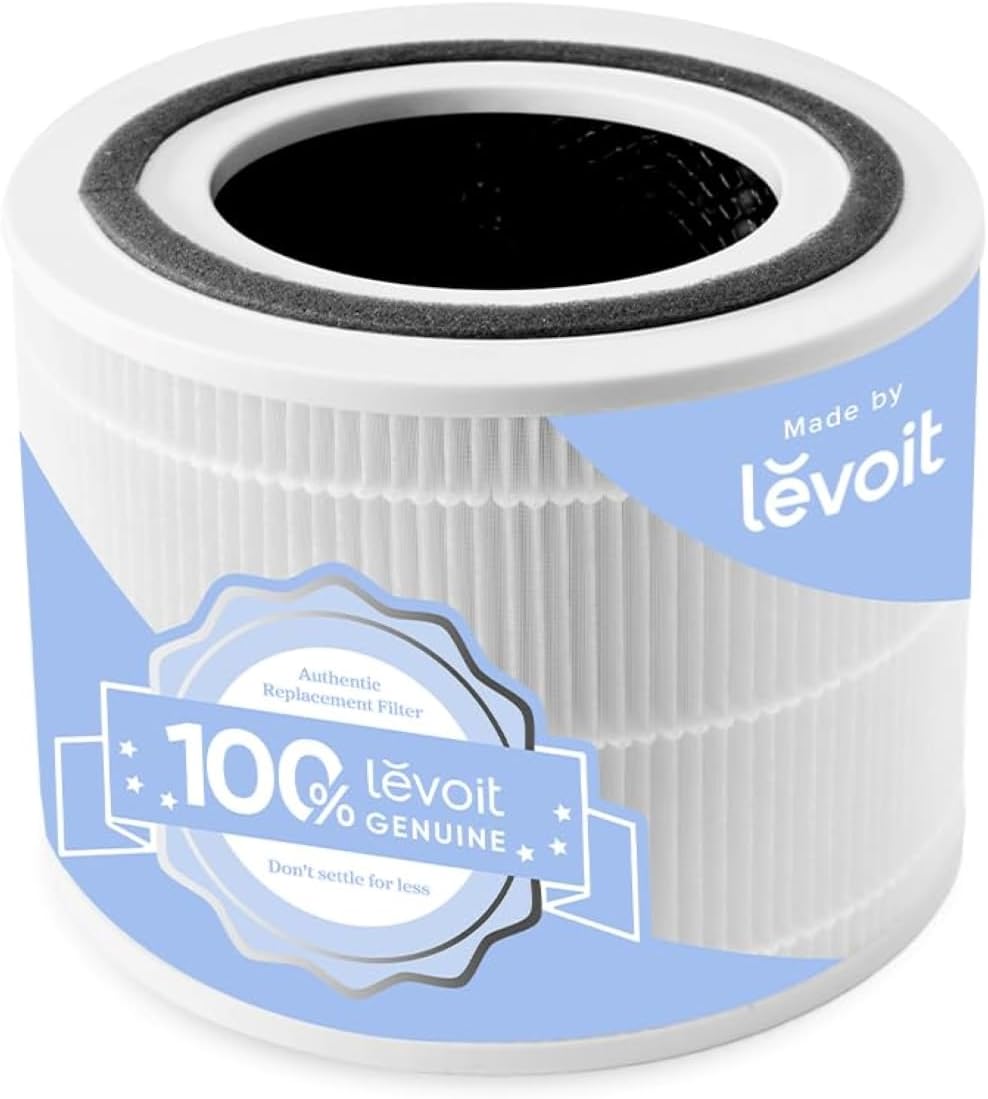
HEPA stands for High-Efficiency Particulate Air. A true HEPA filter is certified to remove at least 99.97% of airborne particles 0.3 microns in size. This includes common allergens like dust mites, pollen, and pet dander.
How Do Ionizers Work?
Ionizers release negatively charged ions into the air. These ions attach to positively charged particles like smoke, dust, and bacteria, causing them to clump together. These larger particles then fall to the ground or are more easily captured by the HEPA filter.
The Benefits of a HEPA Ionic Air Purifier
The advantages of using a hepa ionic air purifier extend beyond just cleaner air. They can significantly improve your living environment and overall health.
Allergy and Asthma Relief
For allergy and asthma sufferers, a hepa ionic air purifier can be a game-changer. By removing microscopic triggers from the air, it can reduce symptoms like sneezing, coughing, and wheezing. Many users report a noticeable improvement in their ability to breathe easily.
Odor Elimination
Beyond particles, these purifiers can tackle unpleasant odors. Ionizers, in particular, are effective at neutralizing smoke, cooking smells, and pet odors. This leaves your home smelling fresh and clean.
Removal of Airborne Germs
While not a medical device, the filtration capabilities of a hepa ionic air purifier can help reduce the concentration of airborne bacteria and viruses. This contributes to a healthier environment, especially during cold and flu seasons.
Reduced Exposure to VOCs
Volatile Organic Compounds (VOCs) are gases emitted from many household products. A hepa ionic air purifier with an activated carbon filter can help absorb and neutralize these harmful chemicals, improving indoor air quality. According to the U.S. Environmental Protection Agency (EPA), VOCs can cause a variety of health effects.
Key Features to Look For in a HEPA Ionic Air Purifier
When selecting a hepa ionic air purifier, consider several important features to ensure it meets your needs. Not all models are created equal, and understanding these aspects will help you make an informed decision.
Coverage Area (CADR Rating)
The Clean Air Delivery Rate (CADR) indicates how quickly an air purifier can clean a room. Look for a CADR rating that matches or exceeds the square footage of the room you intend to use it in. A higher CADR means faster purification.
Filter Type and Lifespan
Ensure the unit features a true HEPA filter. Also, check the lifespan of both the HEPA filter and any pre-filters or activated carbon filters. Longer-lasting filters mean less frequent replacements and lower ongoing costs.
Noise Level
Air purifiers can vary significantly in noise output. If you plan to use the unit in a bedroom or living area, opt for a model with a low decibel (dB) rating, especially on its lower settings. Many purifiers offer a “sleep mode” for quieter operation.
Additional Features
Consider features like multiple fan speeds, air quality sensors that automatically adjust settings, timers, and filter replacement indicators. Some advanced models also offer Wi-Fi connectivity and app control for convenience.
HEPA Ionic Air Purifier vs. Other Air Purifier Types
Understanding how a hepa ionic air purifier compares to other purification methods helps clarify its value. Each technology has its strengths and weaknesses.
HEPA Ionic vs. HEPA-Only Purifiers
HEPA-only purifiers excel at particle removal but may not be as effective against odors or some gaseous pollutants. A hepa ionic air purifier adds the benefit of ionizer technology for enhanced odor control and particle aggregation. However, some people have concerns about ozone production from ionizers.
HEPA Ionic vs. Activated Carbon Purifiers
Activated carbon filters are excellent at absorbing odors and VOCs. While many hepa ionic air purifier models include a carbon filter, a carbon-only purifier wouldn’t capture fine particulate matter as effectively as a HEPA filter. The combination offers the best of both worlds.
HEPA Ionic vs. UV-C Light Purifiers
UV-C light is used to neutralize microorganisms like bacteria and viruses. While effective for this purpose, UV-C light doesn’t remove particulate matter or odors. A hepa ionic air purifier provides a broader spectrum of air cleaning.
Potential Concerns and Safety Considerations
While beneficial, it’s important to be aware of potential concerns associated with ionizers. Responsible usage ensures you reap the benefits without drawbacks.
Ozone Production
Some ionizers can produce small amounts of ozone as a byproduct. While generally considered safe at low levels, individuals with respiratory sensitivities should look for models certified as low-ozone or ozone-free. Organizations like the California Air Resources Board (CARB) have strict standards for ozone emissions.
Ionizer Effectiveness and Particle Aggregation
The effectiveness of ionizers can vary between models. Some ionizers may cause fine particles to clump and settle on surfaces rather than being captured by the filter, requiring more frequent dusting. Always ensure your chosen hepa ionic air purifier has a robust HEPA filtration system.
Choosing the Right HEPA Ionic Air Purifier for Your Home
Selecting the ideal hepa ionic air purifier involves matching its capabilities to your specific needs and living space. Consider these practical steps.
Assess Your Air Quality Needs
Are you primarily concerned with allergies, pet dander, smoke, or general freshness? Identifying your main concerns will help you prioritize features. For severe allergies, a high CADR and true HEPA filter are crucial.
Determine Room Size and Placement
Measure the square footage of the room where you’ll primarily use the purifier. Ensure the unit’s coverage area is sufficient. Think about where you’ll place it – an open area often allows for better air circulation.
Compare Models and Read Reviews
Research different brands and models of hepa ionic air purifier. Pay attention to user reviews, expert ratings, and third-party testing results. Look for certifications like ENERGY STAR for energy efficiency.
Consider Your Budget and Maintenance Costs
Factor in the initial purchase price as well as the cost of replacement filters. Some filters are more expensive than others, and their replacement frequency can impact long-term ownership costs.
Top HEPA Ionic Air Purifier Features at a Glance
Here’s a quick comparison of common features to help you decide:
| Feature | Importance for HEPA Ionic Air Purifier | Notes |
| :——————- | :————————————- | :—————————————————————– |
| True HEPA Filter | Essential | Captures 99.97% of particles 0.3 microns and larger. |
| Activated Carbon | Highly Recommended | Absorbs odors, VOCs, and smoke. |
| CADR Rating | Very Important | Ensures effective room coverage and purification speed. |
| Noise Level | Important (especially for bedrooms) | Look for models with low dB ratings and sleep modes. |
| Ozone Emission | Important (for sensitive individuals) | Opt for CARB-certified or low-ozone models. |
| Filter Lifespan | Important for cost-effectiveness | Longer-lasting filters reduce maintenance frequency and cost. |
| Smart Features | Optional (for convenience) | App control, air quality sensors, timers add user-friendliness. |
Real-World Impact: User Testimonials
Many users have found significant relief and improved comfort with their hepa ionic air purifier systems. Sarah from Chicago shared, “Since getting my hepa ionic air purifier, my morning congestion has vanished. I can finally breathe deeply without sneezing!” Another user, Mark, noted, “The difference in my home’s air, especially after cooking, is remarkable. The smoky smell is gone within minutes.” These anecdotal experiences highlight the tangible benefits users often report.
Maintaining Your HEPA Ionic Air Purifier
Proper maintenance is key to ensuring your hepa ionic air purifier operates at peak efficiency. Regular care extends its lifespan and maintains air purification quality.
Cleaning Pre-Filters
Many models have a washable pre-filter that captures larger particles like hair and lint. Cleaning this regularly prevents it from clogging the main HEPA filter, extending its life.
Replacing HEPA and Carbon Filters
HEPA filters typically need replacement every 6-12 months, depending on usage and air quality. Activated carbon filters may need replacement more frequently. Always follow the manufacturer’s recommendations for filter changes.
General Cleaning
Wipe down the exterior of your air purifier with a damp cloth periodically. Ensure the air intake and output vents are free of dust and obstructions. Never use water or harsh chemicals on the internal components.
Frequently Asked Questions about HEPA Ionic Air Purifiers
What is the main benefit of a HEPA ionic air purifier?
The primary benefit of a hepa ionic air purifier is its dual-action approach to cleaning air. It effectively captures tiny particles with its HEPA filter and uses ionizer technology to neutralize odors and other airborne contaminants.
Are HEPA ionic air purifiers safe for children and pets?
Yes, when used correctly and with models certified as low-ozone or ozone-free, hepa ionic air purifier units are generally safe for children and pets. Always ensure the unit is placed out of reach of very young children or pets who might tamper with it.
How often should I replace the filters in my HEPA ionic air purifier?
Filter replacement frequency varies by model and usage. Typically, HEPA filters last 6-12 months, while carbon filters may need changing every 3-6 months. Always check your specific unit’s manual.
Can a HEPA ionic air purifier eliminate all allergens from my home?
While a hepa ionic air purifier significantly reduces allergens, it cannot eliminate them entirely. A comprehensive approach including regular cleaning and allergen management is still necessary for optimal allergy control.
Do HEPA ionic air purifiers use a lot of electricity?
Modern hepa ionic air purifier units are often designed for energy efficiency, with many earning ENERGY STAR certification. They generally use less electricity than a standard light bulb, especially on lower settings.
What is the difference between a HEPA filter and an ionizer?
A HEPA filter physically traps particles like dust and pollen. An ionizer releases charged ions that attach to particles, making them heavier so they fall or are more easily captured by the filter.
Conclusion: Your Path to Essential Clean Air
Investing in a hepa ionic air purifier is a proactive step towards creating a healthier, more comfortable living space. By understanding the technology, considering key features, and performing regular maintenance, you can ensure your unit provides essential clean air for years to come. Breathe easier, live better, and enjoy the peace of mind that comes with purified air in your home.