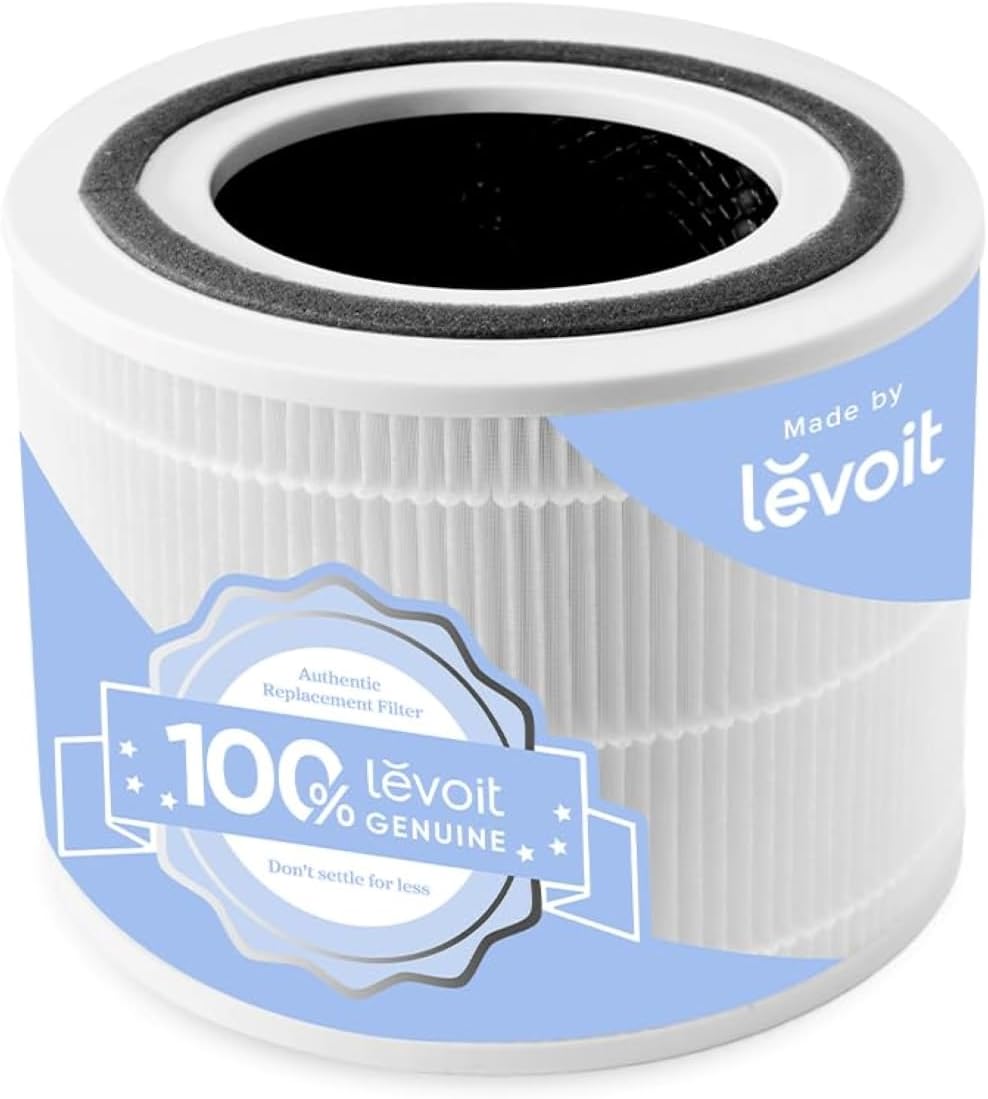
Hepa Air Purifier With UV: Essential Clean Air

A hepa air purifier with UV combines HEPA filtration for particles and UV-C light for germicidal action, offering comprehensive air purification for healthier indoor environments. This essential technology tackles allergens, pollutants, and airborne pathogens, ensuring cleaner, safer air for your home or office.
The air in our homes can be surprisingly dirty, often more polluted than outdoor air. Tiny particles like dust, pollen, pet dander, and even mold spores can trigger allergies and respiratory issues. Beyond these, invisible threats like bacteria and viruses can circulate, making us feel unwell. If you’re concerned about the air you breathe, a hepa air purifier with UV offers a powerful solution. It’s designed to tackle a wide range of airborne contaminants, creating a healthier sanctuary within your living space. Let’s explore how this advanced technology works and why it’s an essential addition to your home.
What is a HEPA Air Purifier with UV?
A HEPA air purifier with UV is an advanced air cleaning device that uses two primary technologies to purify your air. It incorporates a True HEPA filter to capture microscopic particles and a UV-C light to neutralize airborne microorganisms. This dual-action approach ensures a more thorough cleaning of your indoor air than single-technology purifiers.
This type of air purifier is crucial for individuals suffering from allergies, asthma, or other respiratory conditions. It effectively removes common allergens and irritants from the air. The UV-C light component adds an extra layer of defense against germs, making it ideal for maintaining a healthy living environment.
How Does HEPA Filtration Work?
HEPA, which stands for High-Efficiency Particulate Air, is a mechanical air filter. It is designed to remove at least 99.97% of airborne particles 0.3 micrometers in diameter. This includes microscopic irritants that are too small to be caught by most standard filters.
The filter material is a dense mat of randomly arranged fibers. As air passes through, particles collide with the fibers and become trapped. This process is highly effective at removing dust, pollen, mold spores, bacteria, and other microscopic debris.
The Role of UV-C Light in Air Purification
UV-C light, specifically at a wavelength of 254 nanometers, is a powerful germicidal agent. When airborne microorganisms like viruses, bacteria, and mold spores pass through the purifier’s UV-C chamber, the light damages their DNA and RNA. This damage renders them unable to reproduce and effectively inactivates them.
It’s important to note that UV-C light is most effective when microorganisms are exposed to it for a sufficient duration. Modern hepa air purifiers with UV are engineered to provide this necessary exposure time within the unit. This technology adds a critical layer of protection against invisible pathogens.
Why Combine HEPA and UV-C?
Combining HEPA filtration with UV-C light creates a synergistic effect for superior air purification. The HEPA filter captures the physical particles, including many microorganisms, while the UV-C light targets and inactivates any remaining or smaller airborne pathogens that might pass through. This comprehensive approach addresses a broader spectrum of air pollutants and contaminants.
This dual-action system is particularly beneficial in environments where airborne illness transmission is a concern. It ensures that both visible particles and invisible germs are dealt with effectively. The result is cleaner air that supports overall health and well-being.
Key Benefits of a HEPA Air Purifier with UV
Using a hepa air purifier with UV can significantly improve your indoor air quality and overall health. Beyond just cleaner air, these devices offer a range of advantages that contribute to a more comfortable and healthy living space.
Here are some of the primary benefits:
Allergen Reduction: Captures common allergens like pollen, dust mites, and pet dander, providing relief for allergy sufferers.
Germ Inactivation: UV-C light neutralizes bacteria, viruses, and mold spores, reducing the risk of illness.
Odor Elimination: While primarily for particles and germs, some purifiers with activated carbon pre-filters can also help reduce odors.
Improved Sleep: Cleaner air can lead to better sleep quality, especially for those with respiratory issues.
Reduced Asthma Symptoms: By removing triggers from the air, these purifiers can help alleviate asthma symptoms.
According to Statista, the global air purifier market is projected to continue its growth trajectory, highlighting an increasing consumer demand for cleaner indoor air solutions. This trend underscores the perceived value and effectiveness of devices like the hepa air purifier with UV.
Features to Look For in a HEPA Air Purifier with UV
When selecting a hepa air purifier with UV, several features can enhance its effectiveness and your user experience. Considering these aspects will help you find a model that best suits your needs and environment.
Here are some important features to consider:
True HEPA Filter: Ensure the unit uses a “True HEPA” filter, guaranteeing it meets the 99.97% efficiency standard for particles 0.3 microns.
UV-C Lamp Quality: Look for a UV-C lamp that operates at the optimal germicidal wavelength (around 254 nm) and is adequately shielded within the unit.
Coverage Area (CADR): Check the Clean Air Delivery Rate (CADR) and ensure it matches the square footage of the room you intend to purify.
Filter Replacement Indicator: A helpful feature that alerts you when it’s time to replace the HEPA and any other filters.
Noise Level: Consider the decibel (dB) rating, especially if placing the purifier in a bedroom or living area.
Energy Efficiency: Look for ENERGY STAR certified models to save on electricity costs.
Additional Filters: Some units include pre-filters for larger particles or activated carbon filters for odor control.
A well-designed hepa air purifier with UV will balance powerful purification with user-friendly features for optimal performance.
How to Optimize Your Air Purifier’s Performance
To get the most out of your hepa air purifier with UV, proper placement and maintenance are key. Following these guidelines ensures that your device operates at peak efficiency and provides the cleanest air possible.
Here’s how to optimize its performance:
Strategic Placement: Place the purifier in the room where you spend the most time, such as a bedroom or living room. Ensure there’s adequate airflow around the unit, avoiding corners or obstructions.
Regular Filter Maintenance: Adhere to the manufacturer’s recommendations for cleaning pre-filters and replacing HEPA and carbon filters. A clogged filter significantly reduces airflow and purification effectiveness.
UV-C Lamp Checks: Periodically check if the UV-C indicator light is on, signifying the lamp is functioning. Replace the UV-C bulb as recommended by the manufacturer, usually after a certain number of operating hours.
Run Time: For continuous air purification, especially during allergy seasons or when illness is present, run the hepa air purifier with UV for extended periods. Many models offer auto modes that adjust fan speed based on air quality.
Consistent maintenance is crucial for the longevity and effectiveness of any air purification system.
Choosing the Right HEPA Air Purifier with UV for Your Needs
Selecting the perfect hepa air purifier with UV depends on your specific requirements, room size, and budget. Different models offer varying features and purification capacities. Taking the time to assess your needs will lead to a more satisfying purchase.
Consider these factors when making your choice:
Room Size: Match the purifier’s CADR rating to the square footage of your intended space. A unit too small won’t be effective, while one too large might be overkill and noisy.
Specific Concerns: If you have severe allergies, prioritize models with high-efficiency HEPA filters and potentially additional allergen-specific features. For germ concerns, ensure the UV-C component is robust.
Budget: Prices can vary widely. Determine your budget and look for models that offer the best balance of features and performance within that range.
Noise Levels: If the purifier will be in a bedroom or quiet workspace, look for models with low dB ratings or specific quiet modes.
The ideal hepa air purifier with UV is one that effectively addresses your air quality concerns without disrupting your daily life.
Understanding HEPA Air Purifier with UV Specifications
Decoding the specifications of a hepa air purifier with UV can seem daunting, but understanding a few key terms will help you make an informed decision. These technical details often indicate the device’s capabilities and performance.
Here’s a breakdown of common specifications:
| Specification | Description | Importance for HEPA Air Purifier with UV |
| :———————- | :——————————————————————————— | :————————————————————————– |
| True HEPA Filter | Captures 99.97% of particles 0.3 microns in size. | Essential for removing fine dust, allergens, and microscopic irritants. |
| CADR (Clean Air Delivery Rate) | Measures the volume of clean air a purifier can deliver per minute. | Indicates how quickly and effectively the purifier cleans a room. |
| Coverage Area | The recommended room size (in square feet) for optimal performance. | Ensures the purifier is adequately sized for your space. |
| UV-C Wavelength | The specific light spectrum (nm) used for germicidal action (typically 254 nm). | Confirms the UV-C light is effective for inactivating microorganisms. |
| Noise Level (dB) | The sound output of the purifier, measured in decibels. | Important for comfort, especially in bedrooms or quiet areas. |
| Power Consumption | The amount of electricity the unit uses, often measured in Watts. | Affects energy bills; look for ENERGY STAR certification for efficiency. |
| Filter Life | The estimated lifespan of the HEPA and other filters before replacement is needed. | Helps estimate ongoing costs and maintenance schedule. |
When comparing models, pay close attention to the CADR rating and coverage area to ensure the hepa air purifier with UV is suitable for your room size.
Potential Limitations and Considerations
While a hepa air purifier with UV offers significant benefits, it’s important to be aware of its limitations. Understanding these aspects will help you manage expectations and use the device most effectively.
One key consideration is that UV-C light is most effective when microorganisms are directly exposed to it for a specific duration. If the airflow within the purifier is too rapid, or if the UV bulb is not positioned correctly, its germicidal effect might be reduced. Additionally, the UV-C light itself does not remove particles; it relies on the HEPA filter for that function.
Furthermore, UV-C light can degrade certain materials over prolonged exposure, though this is rarely an issue with modern, well-designed air purifiers where the light is contained. It’s also crucial to remember that air purifiers are not a substitute for good hygiene practices and ventilation.
Real-World Impact and User Experiences
Many users report significant improvements in their home environment after introducing a hepa air purifier with UV. Those suffering from allergies often notice a reduction in sneezing, itchy eyes, and congestion. For families with young children or elderly members, the added germicidal protection is a significant peace of mind.
For instance, a user in a densely populated city might find their indoor air quality dramatically improves, reducing the impact of external pollution. Another user with multiple pets might finally find relief from dander and associated allergens. The consistent operation of a hepa air purifier with UV contributes to a tangible sense of well-being and comfort.
Frequently Asked Questions About HEPA Air Purifiers with UV
Q1: Does a HEPA air purifier with UV actually kill germs?
Yes, the UV-C light component in a hepa air purifier with UV is designed to damage the DNA and RNA of airborne microorganisms like bacteria, viruses, and mold spores, rendering them inactive and unable to reproduce.
Q2: How often do I need to replace the HEPA filter and UV bulb?
This varies by manufacturer and model, but typically HEPA filters need replacement every 6-12 months, while UV bulbs may last 1-2 years. Always check your owner’s manual for specific recommendations.
Q3: Can a HEPA air purifier with UV remove odors?
While the HEPA filter captures particles and the UV light inactivates germs, odor removal is primarily handled by an activated carbon filter. Many hepa air purifiers with UV include a carbon filter for this purpose.
Q4: Is the UV light in an air purifier safe for people and pets?
Reputable hepa air purifiers with UV have safety mechanisms to ensure the UV-C light is fully enclosed within the unit. This prevents direct exposure, making them safe for use around people and pets.
Q5: How large of a room can a HEPA air purifier with UV clean?
The room size coverage depends on the purifier’s CADR (Clean Air Delivery Rate). Manufacturers specify the recommended room size, usually in square feet, for optimal performance. Always match the purifier to your room dimensions.
Q6: Do I need to turn off the UV light when I’m in the room?
No, modern hepa air purifiers with UV are designed with safety features so the UV-C light is fully contained. You do not need to turn it off when you are present in the room.
Conclusion: Essential Clean Air for a Healthier Life
Investing in a hepa air purifier with UV is a proactive step towards creating a healthier indoor environment. By combining the particle-capturing power of HEPA filtration with the germicidal action of UV-C light, these devices offer comprehensive protection against a wide array of airborne contaminants. From alleviating allergy symptoms to neutralizing harmful pathogens, the benefits for your well-being are substantial.
Choosing the right hepa air purifier with UV involves understanding your specific needs and the features offered by different models. With proper placement and regular maintenance, you can ensure your purifier works efficiently for years to come. Embrace the peace of mind that comes with breathing cleaner, safer air every day.
If you’re ready to experience the difference, explore our range of advanced air purification solutions at Home Hygia.