
Dyson Air Purifier Smells Like Fish: Essential Fixes

If your Dyson air purifier smells like fish, it’s likely due to a contaminated filter or a buildup of organic matter. This guide offers essential fixes, including cleaning, filter replacement, and preventative measures to restore fresh air quality.
Air purifiers are designed to improve your indoor environment, but what happens when your Dyson air purifier smells like fish? It’s a peculiar and often concerning issue that can leave you wondering if your air is getting cleaner or worse. Fortunately, this problem is usually fixable with a few straightforward steps. Let’s dive into why this happens and how to get your Dyson back to providing crisp, clean air.
Why Does My Dyson Air Purifier Smell Like Fish?
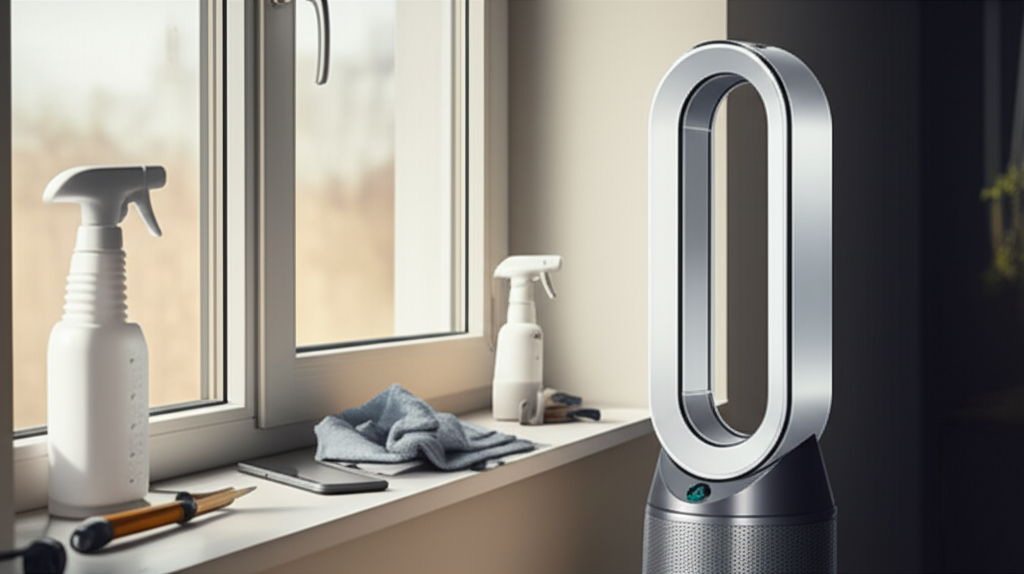
A fishy odor emanating from your Dyson air purifier often points to a specific culprit: a saturated or contaminated filter. This smell isn’t usually a sign of a serious malfunction but rather an indication that the filter has trapped organic compounds that have begun to decompose or react. Understanding the source is the first step to resolving the issue.
The Role of Filters in Odor Production
Dyson air purifiers use advanced filtration systems, including HEPA and activated carbon filters, to capture pollutants, allergens, and odors. When these filters become overloaded with organic particles like pet dander, mold spores, or even certain types of bacteria, they can become a breeding ground for odor-causing microorganisms. The activated carbon, designed to absorb odors, can eventually become saturated, leading to the release of unpleasant smells.
Common Causes of the Fishy Smell
Several factors can contribute to your Dyson air purifier smelling like fish. The most common include:
Saturated Activated Carbon Filter: The activated carbon layer is crucial for absorbing volatile organic compounds (VOCs) and odors. When it reaches its capacity, it can no longer effectively neutralize smells and may even start to emit them.
Trapped Organic Matter: Pet dander, dust mites, and other organic debris can accumulate in the filter. When exposed to moisture or humidity, these materials can break down and produce a fishy or musty odor.
Mold or Mildew Growth: In humid environments, mold or mildew can grow on the filter media or within the machine’s internal components if not properly maintained. This growth is a frequent source of musty or fishy smells.
Environmental Factors: If your home has recently experienced significant moisture issues, such as a flood or persistent high humidity, these conditions can accelerate the decomposition of trapped organic matter within the purifier.
Step-by-Step Guide to Fixing the Fishy Smell
Resolving the fishy odor from your Dyson air purifier involves a systematic approach, starting with the most likely causes and progressing to more involved solutions.
1. Check and Replace the Filter
The most direct solution is often to replace the filter. Dyson air purifiers have specific filter replacement schedules recommended for optimal performance.
Locate the Filter: Consult your Dyson manual for the exact location of the filter unit.
Remove the Old Filter: Follow the instructions to carefully detach the used filter.
Install the New Filter: Ensure the new, genuine Dyson filter is correctly seated.
Reset the Filter Indicator: Most Dyson models have a filter life indicator that needs to be reset after replacement.
Snippet-Ready Answer: Replacing the filter is the most common fix for a Dyson air purifier smelling like fish. A saturated activated carbon filter or accumulated organic matter can cause this odor. Always use genuine Dyson replacement filters and follow your model’s specific instructions for filter changes and indicator resets.
2. Clean the Exterior and Interior Components
Even with a clean filter, dust and debris can accumulate on other parts of the purifier, contributing to odors. Regular cleaning of the unit itself is essential.
Unplug the Device: Always disconnect the power before cleaning.
Wipe Down Surfaces: Use a soft, dry cloth to clean the exterior casing. For stubborn marks, a slightly damp cloth with mild soap can be used, but ensure it’s thoroughly dried afterward.
Clean Air Vents: Use a soft brush or a vacuum cleaner attachment to gently remove dust from the air intake and outflow vents.
Inspect the Fan Blades: If accessible, carefully wipe down the fan blades to remove any dust buildup.
3. Address the Pre-Filter (If Applicable)
Some Dyson models feature a washable pre-filter designed to catch larger particles. If yours has one, its cleanliness is vital.
Locate the Pre-Filter: This is usually the first layer of filtration.
Remove and Wash: Gently remove the pre-filter and wash it under cool running water.
Dry Thoroughly: Ensure the pre-filter is completely dry before reinserting it. This is crucial to prevent mold and mildew growth.
4. Deep Cleaning the Unit
If a simple wipe-down isn’t enough, a more thorough cleaning might be necessary.
Disassemble (If Recommended): Some parts of the Dyson purifier can be gently disassembled for better access. Refer to your user manual.
Use a Soft Brush: A soft toothbrush or a specialized cleaning brush can help dislodge dust from crevices.
Vacuuming Internal Areas: Use a vacuum with a brush attachment to carefully clean any accessible internal areas where dust might have settled.
Key Takeaway: Regular cleaning of both the filters and the unit’s components prevents the buildup of odor-causing organic matter and ensures optimal air purification.
5. Check for Environmental Humidity and Moisture
High humidity levels in your home can exacerbate the issue by promoting mold and mildew growth within the purifier.
Use a Hygrometer: Monitor your home’s humidity levels. Ideal indoor humidity is typically between 30-50%.
Employ Dehumidifiers: If humidity is consistently high, consider using a dehumidifier in the room where the Dyson is located.
Ensure Proper Ventilation: Good airflow in your home can help reduce moisture buildup.
6. Run the Machine on High for a Period
Sometimes, a persistent odor might be due to residual particles or a slight imbalance. Running the purifier on its highest setting can help clear the air.
Set to Maximum Power: Ensure the Dyson is set to its most powerful fan speed.
Operate Uninterrupted: Let the purifier run on high for at least a few hours, or even a full day if possible.
Ventilate the Room: Keep windows and doors open during this process to allow fresh air to circulate.
Snippet-Ready Answer: Running your Dyson air purifier on its highest setting for several hours can help clear lingering odors. This process forces more air through the filters and can dislodge residual particles, improving air quality and reducing the fishy smell. Ensure good room ventilation during this period.
7. Consider the Age and Usage of the Unit
Like any appliance, air purifiers have a lifespan. An older unit, or one that has been used extensively in a challenging environment, might be more prone to persistent odors.
Review Usage History: Think about how long you’ve had the purifier and how often it’s been in continuous use.
Check for Wear and Tear: Inspect the unit for any visible signs of damage or significant wear.
Consult Dyson Support: If the unit is still under warranty or you suspect a more complex issue, contacting Dyson customer support is advisable.
When to Seek Professional Help or Replace the Unit
If you’ve followed all the above steps and the fishy smell persists, it might be time to consider professional service or a replacement.
Persistent Odors: If the smell remains even after filter replacement and thorough cleaning, there could be a deeper issue.
Malfunctioning Components: Unusual noises or error messages could indicate a problem beyond simple maintenance.
Unit Lifespan: Dyson air purifiers, like all electronics, have a finite lifespan. If your unit is several years old and experiencing issues, replacement might be the most cost-effective solution.
Preventative Measures for Future Freshness
Maintaining a clean-smelling Dyson air purifier is easier with a proactive approach.
Regular Filter Replacement: Adhere strictly to Dyson’s recommended filter replacement schedule. This is the most critical preventative step.
Consistent Cleaning: Schedule regular cleaning of the unit’s exterior and accessible internal components.
Monitor Home Environment: Keep an eye on humidity levels and address any moisture issues promptly.
Strategic Placement: Avoid placing the purifier in areas prone to excessive dust, moisture, or strong odors without adequate pre-filtration.
How Often Should I Replace My Dyson Air Purifier Filter?
Dyson recommends replacing the combination filter (HEPA and activated carbon) typically every 12 months, depending on usage and air quality. Always refer to your specific Dyson model’s manual for the precise recommendation.
Can I Wash My Dyson Air Purifier Filter?
No, the main HEPA and activated carbon combination filters are not washable. They are designed for replacement. Only the pre-filter, if your model has one, is typically washable.
What if My Dyson Air Purifier Smells Like Burning?
A burning smell is a more serious concern than a fishy odor and could indicate an electrical issue. Immediately unplug the unit and contact Dyson support. Do not attempt to use the purifier if it smells like burning.
Can Pet Odors Cause a Fishy Smell?
While pet odors are often associated with musty or ammonia-like smells, the organic compounds in pet dander can contribute to a fishy odor when they decompose within the filter, especially if moisture is present.
Is the Fishy Smell Harmful to My Health?
The fishy smell itself is generally not directly harmful, but it indicates that your air purifier is not functioning optimally and that organic matter may be present. This could potentially harbor allergens or bacteria, so addressing the smell is important for maintaining good indoor air quality.
Conclusion: Restoring Your Dyson Air Purifier’s Performance
Dealing with a Dyson air purifier that smells like fish can be frustrating, but it’s usually a sign that your filters need attention or the unit requires a thorough cleaning. By systematically checking and replacing filters, cleaning the device, and managing your home’s environment, you can effectively eliminate these unpleasant odors. Remember, consistent maintenance is key to ensuring your Dyson air purifier continues to provide you with the clean, fresh air you expect. If problems persist, don’t hesitate to reach out to Dyson support for further assistance.
—
This article was researched and written by the Home Hygia team, experts in home appliance maintenance and optimization.
References:
Dyson Official Support
EPA Indoor Air Quality
