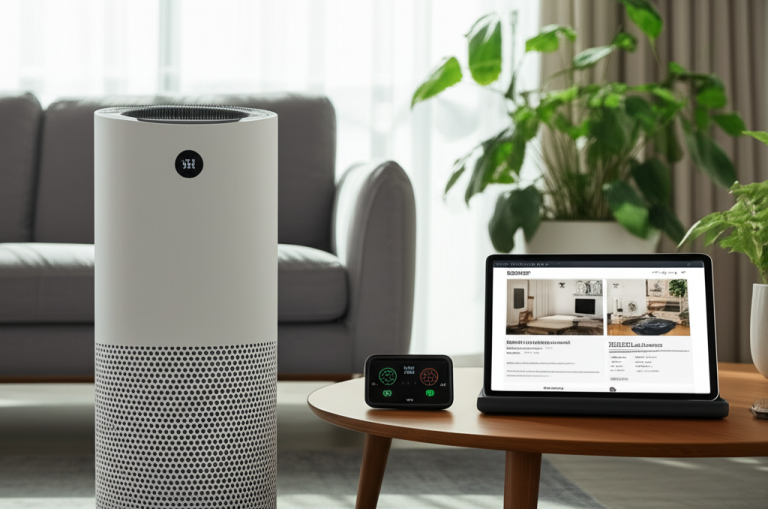
Does Air Purifier Need Water: Essential Guide

Does Air Purifier Need Water: The Essential Guide for Clean Air at Home
No, most standard air purifiers do not require water to function. Water is typically only needed for specific types of air treatment devices like humidifiers or some evaporative coolers, which are distinct from HEPA air purifiers designed solely for filtering pollutants.
The air we breathe indoors can be surprisingly dirty, filled with dust, pollen, pet dander, and even microscopic particles from cooking or cleaning products. Many homeowners turn to air purifiers to combat these invisible invaders, seeking cleaner, healthier air. A common question that arises is whether these devices need water to operate. This confusion often stems from the existence of other air-related appliances. I’m here to clear the air and provide you with a comprehensive guide to understand exactly how air purifiers work and whether water plays a role.
Understanding Air Purifiers vs. Humidifiers
Many people confuse air purifiers with humidifiers, leading to the question of whether air purifiers need water. Air purifiers are designed to filter pollutants from the air, trapping them in filters. Humidifiers, on the other hand, are designed to add moisture to the air, increasing humidity levels. They serve entirely different purposes in managing your indoor environment.
A true air purifier works by drawing in air, passing it through a series of filters (like HEPA and activated carbon), and then releasing cleaner air back into the room. This process is entirely dry and mechanical, relying on fan power and filter technology to remove airborne contaminants. Understanding this fundamental difference is key to answering your question about water.
How Standard Air Purifiers Work: Filtration is Key
Standard air purifiers, especially those using HEPA filters, operate on a principle of physical filtration. They use fans to pull air through a system of filters that trap particles. These filters can include pre-filters for larger particles, HEPA filters for fine particles like allergens and mold spores, and activated carbon filters for odors and VOCs.
The effectiveness of these purifiers relies on the quality and type of filters used, not on any added moisture. The air passes through these dense filter media, leaving pollutants behind. Once the air has been cleaned, it is then recirculated back into your living space, free from many common contaminants.
Why the Confusion? Humidifiers and Air Treatment Devices
The confusion about air purifiers needing water often arises because there are other devices that treat air and do use water. These include humidifiers, which add moisture, and some types of air washers or evaporative coolers. These devices often combine air cleaning with humidification, which can be confusing.
These multi-functional devices might use water to trap dust or cool the air, but their primary function isn’t solely purification in the way a dedicated HEPA air purifier operates. It’s important to distinguish between these different types of appliances to understand their specific needs.
Do HEPA Air Purifiers Need Water? The Direct Answer
No, HEPA air purifiers do not need water. Their core function is to trap airborne particles using physical filters. Adding water to a standard HEPA air purifier would not enhance its purification capabilities and could potentially damage the filters or the unit itself.
HEPA filters are made of fine fibers designed to capture microscopic particles. Introducing moisture could clog these fibers, reduce airflow, and compromise their ability to filter effectively. Always follow the manufacturer’s instructions for your specific model.
What About Air Washers? A Different Mechanism
Air washers are a category of devices that do use water, but they operate differently than traditional air purifiers. An air washer typically uses a rotating drum or disk system that dips into a water basin. As the drum rotates, it picks up airborne particles and washes them into the water.
While they can help remove some larger particles and add a bit of humidity, their filtration efficiency is generally lower than that of HEPA purifiers for very fine pollutants. These devices are a hybrid, offering both some level of air cleaning and humidification.
Evaporative Coolers and Air Treatment
Similar to air washers, some evaporative coolers also involve water in their operation. These units draw air through a wet pad, which cools the air through evaporation and can trap some airborne dust. Again, their primary function is cooling, with air cleaning being a secondary benefit.
These are not true air purifiers in the sense of removing microscopic allergens and pollutants with specialized filtration. Their effectiveness in air purification is limited compared to dedicated units.
Maintenance for Water-Based Air Treatment Devices
If you own a device that does use water, like an air washer or humidifier, regular maintenance is crucial. This involves cleaning the water basin, changing the water frequently, and ensuring all parts are dry to prevent mold and bacteria growth. This is a stark contrast to the maintenance of a standard air purifier.
For these devices, using distilled or demineralized water is often recommended to prevent mineral buildup, which can affect performance and require more frequent cleaning. Neglecting maintenance can turn a helpful device into a source of airborne contaminants.
Benefits of Using a Water-Free Air Purifier
Using a water-free air purifier, such as one with a HEPA filter, offers several advantages. The primary benefit is their specialized focus on removing a wide range of airborne pollutants without adding humidity, which can be problematic in already humid environments. They are also generally easier to maintain.
Targeted Filtration: Excellent at capturing fine particles like allergens, dust, and smoke.
No Added Humidity: Prevents potential issues like mold growth in humid climates.
Simpler Maintenance: Primarily involves cleaning or replacing filters.
Energy Efficiency: Often consume less power than water-based systems.
Choosing the Right Air Treatment Device for Your Needs
When selecting an air treatment device, it’s vital to understand your primary goal. If your main concern is allergies, asthma, or removing odors and smoke, a HEPA air purifier is likely your best bet. If you also struggle with dry air, you might consider a separate humidifier or a combination unit if available and suited to your needs.
Consider factors like room size, the specific pollutants you want to target, and your local climate. Researching different types of purifiers, such as those with activated carbon for odors or UV-C light for certain microorganisms, can help you make an informed decision.
Maintaining Your Water-Free Air Purifier
Maintaining a water-free air purifier is straightforward and primarily involves filter care. Most units have washable pre-filters that should be cleaned regularly, typically every 2-4 weeks depending on usage and air quality. The main HEPA and carbon filters usually need replacement, with lifespans varying from 6 months to several years.
Always consult your device’s manual for specific cleaning and replacement schedules. A well-maintained air purifier will continue to provide clean air efficiently for years to come.
Frequently Asked Questions (FAQ)
Q1: Can I put essential oils in my air purifier?
No, never add essential oils or any liquids to a standard air purifier. This can damage the filters and motor, voiding your warranty and potentially creating harmful byproducts. Essential oils are for diffusers, not purifiers.
Q2: How often should I replace the filters in my air purifier?
Filter replacement frequency varies by model and usage, but typically HEPA filters last 6-12 months, and carbon filters last 3-6 months. Some have indicator lights to signal replacement time.
Q3: Will an air purifier help with pet odors?
Yes, air purifiers equipped with activated carbon filters are very effective at absorbing and neutralizing pet odors. The HEPA filter will capture pet dander and hair.
Q4: Can an air purifier make my room too dry?
No, standard air purifiers do not add or remove moisture from the air. They only filter pollutants. Dryness issues are addressed by humidifiers.
Q5: What is the difference between an air purifier and an air filter?
An air filter is a component within an air purifier or HVAC system. An air purifier is the complete appliance that uses one or more air filters to clean the air.
Q6: Do air purifiers use a lot of electricity?
Most modern air purifiers are quite energy-efficient, especially on lower fan settings. The power consumption is generally comparable to a household fan.
Conclusion: Clean Air Without the Water Worries
In summary, the essential answer to “does air purifier need water” is a definitive no for the vast majority of devices designed for air purification. Standard air purifiers, particularly those featuring HEPA technology, rely on sophisticated filtration systems to capture airborne contaminants, not on the addition of moisture. Devices that do use water, like air washers and evaporative coolers, serve a slightly different purpose and require distinct maintenance routines. By understanding these differences, you can confidently choose the right appliance for your home and enjoy the benefits of cleaner, healthier indoor air.