Does Air Purifier Help With Flu: Proven Essential

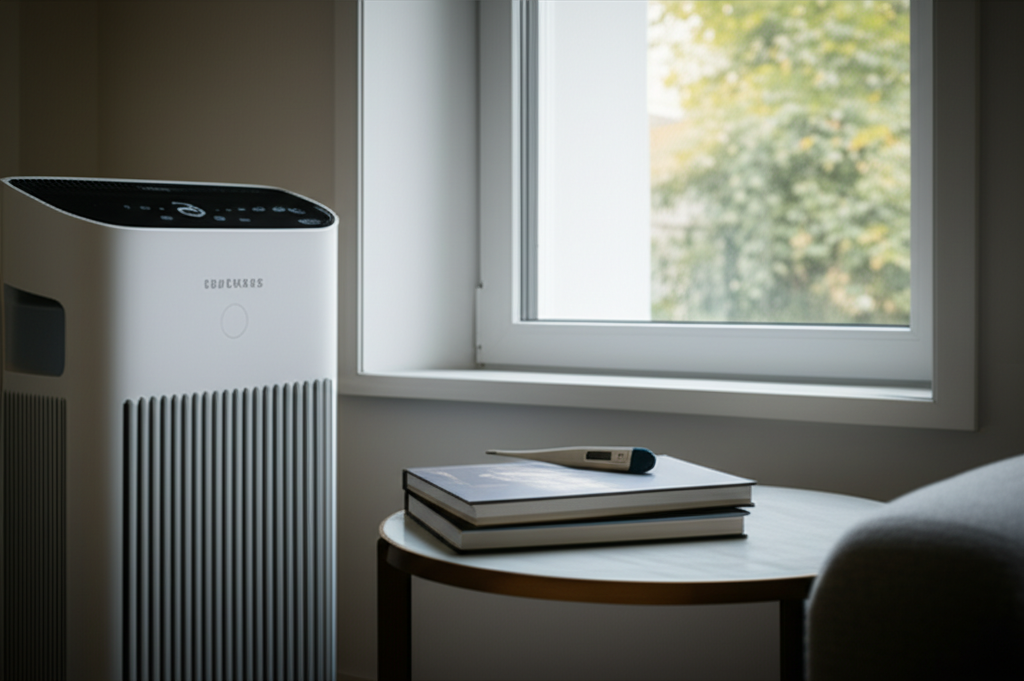
Yes, air purifiers can significantly help with flu by capturing airborne virus particles, reducing their concentration in your home and lowering the risk of transmission.
Does Air Purifier Help With Flu: Proven Essential for a Healthier Home
As flu season approaches, many of us are looking for ways to protect ourselves and our families. One question that frequently arises is, “Does air purifier help with flu?” The answer is a resounding yes, and understanding how they work can provide much-needed peace of mind. This article will delve into the science behind air purification and its proven effectiveness against airborne illnesses like the flu, guiding you toward a healthier indoor environment.
Understanding How Flu Spreads Indoors
Flu, caused by influenza viruses, is primarily spread through respiratory droplets expelled when an infected person coughs, sneezes, or talks. These tiny droplets can travel through the air and land on surfaces or be inhaled by others. Indoor environments, where air circulation is often limited, can become breeding grounds for these viruses, increasing the risk of infection for everyone present.
The Science Behind Air Purification and Viruses
Air purifiers are designed to capture airborne particles, including viruses, bacteria, and allergens, using various filtration technologies. By circulating indoor air through a series of filters, they effectively remove these microscopic threats before they can spread further. This process is crucial for reducing the viral load in your living space.
HEPA Filters: The Gold Standard for Flu Virus Capture
High-Efficiency Particulate Air (HEPA) filters are the cornerstone of effective air purification for flu viruses. A true HEPA filter is certified to capture at least 99.97% of airborne particles as small as 0.3 microns. Since influenza viruses are typically within this size range or attached to larger droplets, HEPA filters are highly effective at trapping them.
How HEPA Filters Work
HEPA filters employ a dense mat of randomly arranged fibers that trap particles through a combination of impaction, interception, and diffusion. The continuous airflow forces airborne particles to collide with these fibers, where they become stuck. This mechanical trapping action is incredibly efficient at removing even the smallest viral particles from the air you breathe.
Activated Carbon Filters: Tackling Odors and VOCs
While HEPA filters excel at capturing physical particles like viruses, activated carbon filters play a complementary role. These filters are porous and have a large surface area that adsorbs gases, odors, and volatile organic compounds (VOCs). While not directly targeting viruses, they improve overall air quality by removing unpleasant smells and harmful chemical vapors that can exacerbate respiratory issues.
The Synergy of HEPA and Activated Carbon
Many high-quality air purifiers combine HEPA and activated carbon filters. This dual-action approach ensures that both particulate matter (including viruses) and gaseous pollutants are addressed, offering comprehensive protection for your home’s air. This combination provides a more robust defense against a wider range of airborne contaminants.
UV-C Light Technology: An Additional Layer of Defense
Some air purifiers incorporate UV-C light technology, which uses ultraviolet light to kill or inactivate airborne pathogens. When viruses and bacteria pass through the UV-C light chamber, the radiation damages their DNA or RNA, rendering them harmless. This technology can provide an extra layer of assurance against flu viruses.
Effectiveness and Considerations for UV-C
While UV-C light can be effective, its efficiency depends on several factors, including the intensity of the light, the duration of exposure, and the airflow rate. It’s important to choose purifiers with well-designed UV-C systems to ensure optimal inactivation of viruses. Always ensure the UV-C light is enclosed within the unit for safety.
Air Purifiers and Flu Virus Transmission: What the Research Says
Numerous studies have demonstrated the efficacy of air purifiers in reducing airborne virus concentrations. Research published in reputable journals, such as those from the Centers for Disease Control and Prevention (CDC), often highlights the importance of ventilation and air cleaning in mitigating the spread of respiratory illnesses. By reducing the number of virus particles circulating in the air, air purifiers directly contribute to lowering the risk of transmission.
Key Findings from Scientific Studies
Studies have shown that air purifiers equipped with HEPA filters can significantly reduce the presence of airborne viruses in enclosed spaces. For instance, research has indicated that these devices can be effective in healthcare settings and schools, where the risk of transmission is high. This scientific backing provides a strong case for their use in homes, especially during flu season.
Choosing the Right Air Purifier for Flu Protection
Selecting the best air purifier for your needs involves considering several factors. The size of the room, the CADR (Clean Air Delivery Rate) of the unit, the type of filters used, and noise levels are all important considerations. For flu protection, prioritize units with true HEPA filters and an appropriate CADR for your space.
Key Features to Look For:
True HEPA Filter: Essential for capturing virus-sized particles.
High CADR: Ensures the unit can effectively clean the air in your room.
Activated Carbon Filter: For removing odors and VOCs.
Multiple Fan Speeds: Allows for adjustment based on air quality needs.
Quiet Operation: Important for use in bedrooms or living areas.
Air Purifier Placement and Usage for Maximum Impact
Where you place your air purifier and how you use it can greatly influence its effectiveness against flu viruses. For optimal results, position the unit in high-traffic areas where people spend the most time, such as bedrooms or living rooms. Ensure it has adequate space around it for proper airflow.
Best Practices for Air Purifier Use:
1. Run it continuously: Keep the air purifier running, especially during peak flu season.
2. Place it strategically: Position it in the room where you spend the most time.
3. Maintain filters: Replace filters as recommended by the manufacturer to ensure peak performance.
4. Ensure proper room sealing: Keep doors and windows closed when the air purifier is in use to maximize its effectiveness.
5. Consider multiple units: For larger homes, using multiple air purifiers in different areas can provide broader coverage.
Limitations of Air Purifiers in Flu Prevention
While air purifiers are a valuable tool, they are not a standalone solution for preventing the flu. They primarily address airborne transmission and do not protect against surface contamination or direct person-to-person contact. Therefore, it’s crucial to combine air purification with other preventive measures.
Complementary Flu Prevention Strategies:
Frequent handwashing: Wash your hands thoroughly with soap and water.
Vaccination: Get your annual flu shot.
Avoiding close contact: Stay away from sick individuals.
Disinfecting surfaces: Regularly clean and disinfect frequently touched surfaces.
Good ventilation: Open windows when possible to introduce fresh air.
Air Purifier Brands and Models to Consider
When researching air purifiers, you’ll encounter many reputable brands known for their quality and performance. Brands like Coway, Levoit, Blueair, and Winix consistently receive high ratings for their effective filtration systems and user-friendly designs. Many of these brands offer models specifically designed for larger rooms or with advanced features.
| Brand | Popular Model | Key Features | Best For |
| :—— | :—————— | :—————————————– | :————————————- |
| Coway | Airmega 200M | True HEPA, Activated Carbon, Smart Sensors | Medium to Large Rooms, Allergy Sufferers |
| Levoit | Core 300S | True HEPA, App Control, Quiet Operation | Small to Medium Rooms, Budget-Conscious |
| Blueair | HealthProtect 7470 | HEPASilent, SmokeStop, Modern Design | Large Rooms, High-Efficiency Filtration |
| Winix | HR900 Air Purifier | True HEPA, PlasmaWave, Pet Odor Control | Homes with Pets, Allergen Reduction |
Note: Always check the latest product specifications and reviews before making a purchase.
Frequently Asked Questions About Air Purifiers and Flu
Q1: Can an air purifier completely prevent me from getting the flu?
No, an air purifier is not a guarantee against the flu. It significantly reduces airborne virus particles, but it doesn’t eliminate all transmission routes like surface contact or direct exposure.
Q2: How often should I run my air purifier for flu season?
It’s best to run your air purifier continuously during flu season, especially when someone in the household is sick or when there’s a high risk of exposure.
Q3: Do air purifiers with ionizers help with flu?
Some air purifiers use ionizers, which can help particles clump together and fall out of the air. However, some ionizers can produce ozone, which is a lung irritant. Look for models with ozone-free certification or ensure the ionizer function can be turned off.
Q4: What is the most important filter type for catching flu viruses?
The most important filter type is a true HEPA filter, as it’s certified to capture at least 99.97% of airborne particles down to 0.3 microns, which includes flu virus particles.
Q5: Can an air purifier help if someone in my house already has the flu?
Yes, an air purifier can be very helpful if someone in your house has the flu. It will help capture virus particles released into the air, reducing the chance of others in the household getting infected.
Q6: How do I know if my air purifier is working effectively against viruses?
Ensure it has a true HEPA filter and that you are using it in the correct-sized room. Regularly check and replace filters according to the manufacturer’s instructions, as clogged filters reduce efficiency.
Conclusion: A Proactive Step for Flu-Free Living
In conclusion, the question “does air purifier help with flu” is answered with a definitive yes. By effectively capturing airborne virus particles and improving overall indoor air quality, air purifiers are a proven essential tool in creating a healthier home environment, especially during flu season. While they are not a substitute for other preventive measures like vaccination and hygiene, incorporating a quality air purifier into your home can significantly reduce the risk of flu transmission. Making an informed choice about the right unit and using it correctly will provide you and your family with a vital layer of protection, offering peace of mind and a breath of fresher, healthier air.