Can You Clean Dyson Air Purifier Filters? Essential Guide

Can You Clean Dyson Air Purifier Filters? Your Essential Guide
Yes, you can clean some Dyson air purifier filters, but not all. Understanding which parts are washable and which require replacement is crucial for maintaining optimal performance and ensuring the longevity of your Dyson machine. This guide will demystify the process, offering clear steps and essential tips.
Having a Dyson air purifier is a significant investment in your home’s air quality. When it comes time to maintain these sophisticated machines, a common question arises: can you clean Dyson air purifier filters? It’s a natural thought, especially when faced with replacement costs. I understand the desire to get the most out of your device and keep it running efficiently without unnecessary expense. Let’s dive into what you need to know to properly care for your Dyson filters.
Understanding Dyson Air Purifier Filter Types
Dyson air purifiers typically feature multiple filtration stages, each designed to capture different types of pollutants. Not all these components are created equal when it comes to cleaning. It’s vital to distinguish between washable elements and those that necessitate replacement to avoid damaging your unit.
Washable Components: What You Can Clean
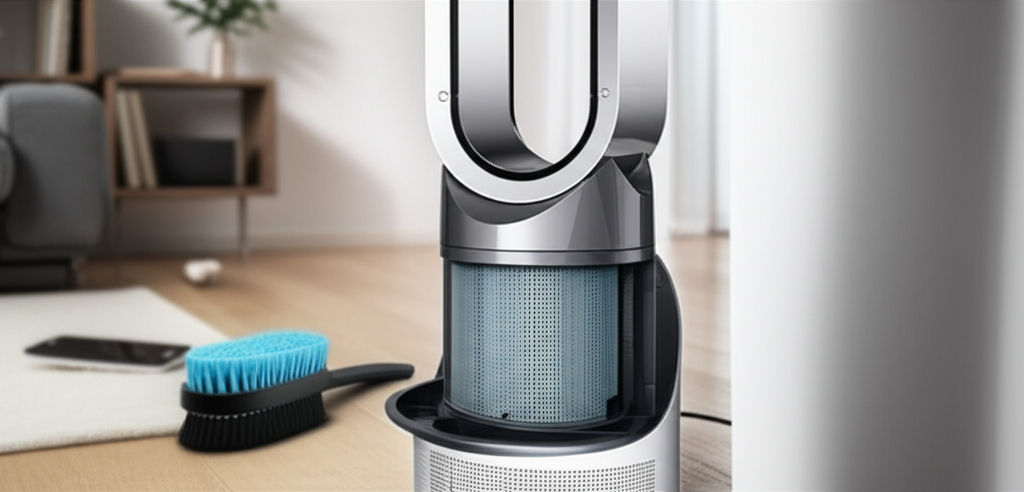
Some Dyson models include a pre-filter or a specific part of the main filter that is designed to be washed. These are usually the coarser layers intended to trap larger particles like dust and hair. Always refer to your specific Dyson model’s manual for confirmation, as designs can vary.
The primary washable component is often a mesh pre-filter, which captures larger debris before it reaches the more sensitive HEPA and activated carbon layers. This pre-filter is typically made of a durable material that can withstand gentle rinsing. It’s the first line of defense in your Dyson’s filtration system.
Non-Washable Components: When to Replace
The heart of your Dyson’s air purification lies in its HEPA and activated carbon filters. These advanced filters are not designed for washing. Attempting to clean them can compromise their structure and ability to capture microscopic particles and odors.
HEPA filters trap 99.97% of particles as small as 0.3 microns, including allergens and fine dust. Activated carbon filters absorb gases, VOCs, and odors. Once these filters reach their saturation point or become damaged, their effectiveness diminishes significantly, necessitating a full replacement.
When to Clean vs. When to Replace Dyson Filters
The decision to clean or replace your Dyson air purifier filters hinges on the specific filter type and its condition. Over-cleaning or attempting to wash non-washable parts can do more harm than good. Knowing the signs of a filter needing attention is key.
Signs Your Dyson Filter Needs Attention
Your Dyson air purifier is designed to alert you when its filters need attention. The machine itself will often display a notification or indicator light. Beyond these alerts, you might notice a decrease in air quality or an unusual smell.
Visible dust accumulation on washable pre-filters is a clear sign they need cleaning. For HEPA and activated carbon filters, look for a significant reduction in airflow or a persistent musty odor that the purifier can no longer eliminate. These are indicators that replacement is imminent.
The Importance of Regular Maintenance
Regular maintenance ensures your Dyson air purifier continues to function at its peak performance. Neglecting filter care can lead to reduced efficiency, increased energy consumption, and potentially shorter lifespan for the unit. Clean filters mean cleaner air for your home.
Consistent cleaning of washable parts and timely replacement of non-washable filters are essential practices. This proactive approach not only preserves the air quality but also protects your investment in a Dyson appliance. It’s about keeping your machine working as intended.
How to Clean Washable Dyson Air Purifier Filters
If your Dyson model features washable filters, the process is straightforward. It typically involves a gentle rinse and thorough drying. Always ensure the filter is completely dry before reinserting it into the machine to prevent mold or mildew growth.
Step-by-Step Cleaning Process
1. Identify the Washable Filter: Consult your Dyson manual to confirm which filter component is washable. This is usually the outermost mesh pre-filter.
2. Remove the Filter: Carefully detach the filter from your Dyson unit according to the manufacturer’s instructions.
3. Rinse Under Cold Water: Hold the filter under a gentle stream of cold running water. Avoid using soaps or detergents, as they can leave residue.
4. Gently Agitate: Lightly agitate the filter with your hands to dislodge dust and debris. Do not scrub or use brushes, which can damage the filter material.
5. Shake Off Excess Water: Gently shake the filter to remove as much excess water as possible.
6. Air Dry Completely: Place the filter in a well-ventilated area and allow it to air dry thoroughly. This can take 24 hours or more. Ensure it is bone dry before reinstallation.
Proper drying is the most critical step after washing a Dyson filter. Any residual moisture can lead to internal damage or the growth of harmful bacteria and mold, which defeats the purpose of air purification. Patience is key here.
Tools and Supplies Needed
For cleaning washable Dyson air purifier filters, you generally won’t need many specialized tools. The most important thing is to have access to clean water and a suitable drying space. Avoid using any harsh chemicals or abrasive cleaning materials.
Clean, cold running water
A well-ventilated area for drying
* Your Dyson air purifier manual (for reference)
Remember, the goal is to remove dust and debris without damaging the filter’s integrity. Always prioritize the instructions provided by Dyson for your specific model to ensure you are cleaning it correctly.
When Replacement is Necessary: Identifying Non-Washable Filters
The HEPA and activated carbon filters in your Dyson air purifier are sophisticated and designed for single-use filtration. They cannot be effectively cleaned and must be replaced periodically. Understanding their lifespan is key to maintaining air quality.
Signs Your HEPA Filter Needs Replacing
Your Dyson will typically notify you when the HEPA filter needs changing. However, other signs can indicate it’s time for a new one. A noticeable drop in airflow from the machine or a persistent, unpleasant odor that the purifier can no longer eliminate are strong indicators.
If the filter appears visibly clogged with dust or debris, and cleaning the washable pre-filter doesn’t improve performance, the HEPA filter is likely saturated. Replacing it ensures your purifier can continue to capture ultra-fine particles effectively.
Signs Your Activated Carbon Filter Needs Replacing
Activated carbon filters are responsible for absorbing gases, odors, and volatile organic compounds (VOCs). When these filters become saturated, they lose their ability to neutralize these airborne pollutants. This often manifests as lingering odors in your home that the purifier fails to address.
If you notice cooking smells, pet odors, or chemical scents persisting despite your Dyson running, it’s a strong sign that the activated carbon filter needs replacement. A fresh filter will restore the purifier’s odor-elimination capabilities.
The Dyson Filter Replacement Process
Replacing your Dyson air purifier filters is a user-friendly process designed to be done at home. Dyson provides clear instructions for each model, ensuring you can easily swap out old filters for new ones. This ensures your machine always operates at optimal efficiency.
How to Replace Dyson Filters
1. Turn Off and Unplug: Ensure your Dyson air purifier is switched off and unplugged from the power source.
2. Locate Filter Compartment: Identify the filter housing, usually accessible from the back or side of the unit.
3. Remove Old Filters: Open the compartment and carefully remove the old HEPA and/or activated carbon filters. Dispose of them properly.
4. Install New Filters: Insert the new, genuine Dyson replacement filters into their designated slots. Ensure they are seated correctly.
5. Close Compartment: Securely close the filter compartment.
6. Reset Filter Indicator: Power on the Dyson and follow the on-screen prompts or manual instructions to reset the filter life indicator.
Using genuine Dyson replacement filters is highly recommended. Third-party filters may not meet Dyson’s stringent quality standards, potentially impacting the performance and longevity of your air purifier.
Where to Buy Dyson Replacement Filters
Genuine Dyson replacement filters can be purchased directly from the official Dyson website. They are also available through authorized Dyson retailers, both online and in physical stores. Always ensure you are buying authentic Dyson parts to guarantee compatibility and performance.
Purchasing from reputable sources protects you from counterfeit products and ensures you receive filters designed specifically for your Dyson model. This guarantees optimal filtration and keeps your warranty valid.
Maintaining Your Dyson Air Purifier for Longevity
Beyond filter care, a few simple practices can help extend the life of your Dyson air purifier and ensure it continues to deliver clean air. Consistent attention to detail makes a significant difference in the overall performance and durability of the unit.
General Cleaning of the Unit
Regularly wipe down the exterior of your Dyson air purifier with a soft, dry cloth. For stubborn marks, a slightly damp cloth can be used, but ensure no moisture enters any vents or internal components. Keep the sensor lens clean for accurate air quality readings.
Periodically dust the exterior vents and grille. This prevents dust buildup that could impede airflow or strain the motor. A clean unit not only looks better but also functions more efficiently.
Optimal Placement for Performance
The placement of your Dyson air purifier within a room can significantly impact its effectiveness. Avoid placing it too close to walls or furniture that could obstruct airflow. Ensure it has ample space to draw in air and distribute purified air throughout the room.
Ideally, position your Dyson in a central location or where air circulation is most needed. This allows the unit to capture pollutants more effectively and distribute clean air evenly across the living space.
Can You Clean Dyson Air Purifier Filters? A Comparative Look
While the question “can you clean Dyson air purifier filters” is common, the answer depends entirely on the specific filter type within your Dyson model. Some components are designed for a rinse, while others are meant for replacement.
| Filter Type | Washable? | Replacement Frequency (Typical) | Purpose |
| :——————– | :——– | :—————————— | :——————————————- |
| Pre-filter (Mesh) | Yes | As needed (visual inspection) | Captures larger particles (dust, hair) |
| HEPA Filter | No | 6-12 months (or as indicated) | Traps 99.97% of particles 0.3 microns |
| Activated Carbon Filter | No | 6-12 months (or as indicated) | Absorbs gases, VOCs, and odors |
This table highlights the crucial distinction. While the pre-filter offers a reusable cleaning option, the core purification filters require periodic replacement to maintain their high level of performance. Always trust your Dyson’s indicators and manual.
Troubleshooting Common Filter Issues
Sometimes, even with proper care, you might encounter issues with your Dyson air purifier’s filters. Understanding common problems and their solutions can save you time and frustration. Most issues stem from incorrect cleaning or a need for replacement.
Reduced Airflow After Cleaning
If you’ve washed a pre-filter and notice reduced airflow, the most likely culprit is that the filter is not completely dry. Residual moisture can restrict air intake. Ensure it’s dried thoroughly for at least 24-48 hours before reinstallation.
Another possibility is that the filter was damaged during cleaning, or it’s simply time for a replacement of the HEPA or carbon filter. If drying doesn’t resolve the issue, consider replacing the non-washable components.
Persistent Odors Not Being Eliminated
If your Dyson continues to struggle with odors after you’ve cleaned the washable parts, it’s a strong indicator that the activated carbon filter is saturated. This filter is responsible for odor absorption and cannot be cleaned effectively.
The solution is to replace the activated carbon filter. Once replaced with a genuine Dyson filter, the unit should regain its ability to neutralize airborne smells. This is a common reason for replacement.
The Environmental Impact: Cleaning vs. Replacing
Choosing to clean washable Dyson filters when appropriate aligns with a more sustainable approach to appliance maintenance. It reduces waste and the resources required for manufacturing new components. However, it’s crucial to balance this with the need for effective purification.
Replacing non-washable HEPA and activated carbon filters is essential for maintaining air quality. While this generates waste, responsible disposal of old filters is important. Many electronic waste recycling programs can handle these components.
When considering the environmental impact, prioritize the health benefits of clean air. While cleaning washable parts is commendable, don’t compromise on replacing saturated HEPA and carbon filters. The long-term health of your family is paramount.
Frequently Asked Questions About Dyson Air Purifier Filters
Can I use soap to clean my Dyson air purifier filter?
No, you should not use soap or detergents to clean any part of your Dyson air purifier filter. Only cold water should be used for rinsing washable components. Soaps can leave residue that may affect performance or release harmful chemicals.
How often should I replace my Dyson HEPA filter?
Dyson typically recommends replacing HEPA and activated carbon filters every 6 to 12 months, depending on usage and air quality. Your Dyson machine will alert you when it’s time for a replacement.
What happens if I don’t replace my Dyson filters?
If you don’t replace your Dyson filters when indicated, the air purifier’s efficiency will decrease significantly. It will be less effective at capturing pollutants and odors, and the machine may even be damaged over time due to strain.
Can I wash my Dyson activated carbon filter?
No, activated carbon filters are not washable. They work by absorbing odors and gases, and once saturated, they need to be replaced. Washing will not restore their effectiveness and can damage them.
My Dyson filter looks dirty, can I just vacuum it?
You can vacuum the exterior of your Dyson air purifier unit and the mesh pre-filter to remove loose dust. However, you should never vacuum the HEPA or activated carbon filters, as this can damage their delicate structure and clog them further.
How do I know which Dyson filter is washable?
Always refer to your specific Dyson air purifier model’s user manual. It will clearly state which filter components are washable and which require replacement. Typically, it’s the coarser pre-filter that can be washed.
Conclusion: Clean Wisely, Replace When Needed
So, can you clean Dyson air purifier filters? Yes, but only specific components like the pre-filter, and only with cold water and proper air drying. The crucial HEPA and activated carbon filters are designed for replacement, not washing. Understanding this distinction is key to maintaining your Dyson’s optimal performance and ensuring the highest quality air in your home. By following the guidance on cleaning washable parts and knowing when to invest in genuine replacements, you’ll keep your Dyson air purifier running efficiently for years to come, providing you with cleaner, healthier air.