Air Purifier vs Humidifier For Asthma: Essential Choice

Choosing between an air purifier and a humidifier for asthma is crucial. While both can improve air quality, they serve different purposes. An air purifier tackles allergens and irritants, whereas a humidifier adds moisture to dry air, which can soothe airways. Understanding their distinct roles is key to making the essential choice for better asthma management.
Air purifiers and humidifiers are often discussed when improving indoor air quality, especially for those managing respiratory conditions like asthma. It’s a common point of confusion: which one is right for you, or do you need both? This decision can feel overwhelming, but I’m here to guide you through it step-by-step. We’ll break down exactly what each device does, how it impacts asthma, and help you make the essential choice for your health.
Air Purifier vs Humidifier For Asthma: Understanding the Core Difference
The fundamental distinction lies in their primary function. An air purifier actively removes pollutants from the air, while a humidifier increases the moisture content in the air. For asthma sufferers, understanding this difference is the first step in determining which device, if either, is the essential choice for their specific needs.
How Air Purifiers Help Asthma Sufferers
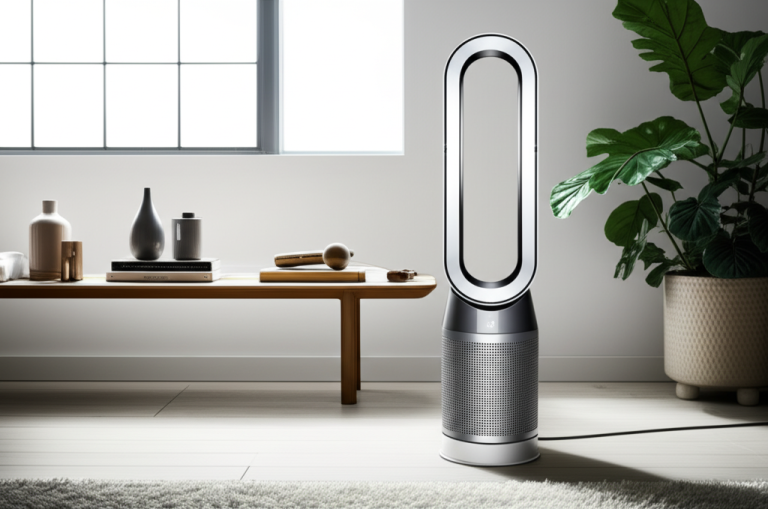
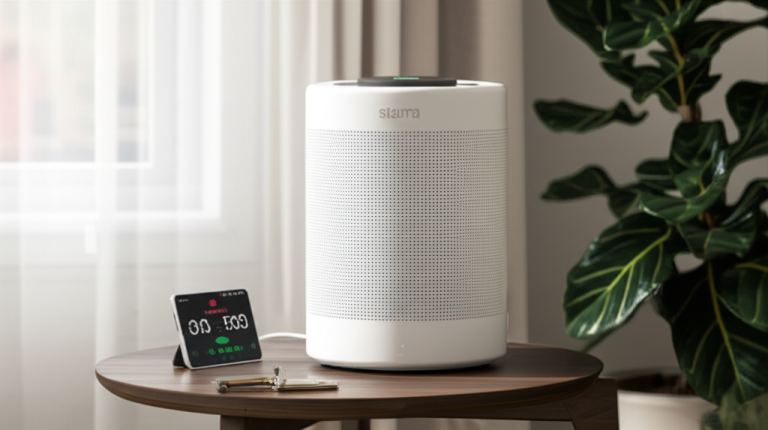
Air purifiers are designed to capture airborne particles that can trigger asthma symptoms. They work by drawing air through a filtration system, trapping allergens like dust mites, pollen, pet dander, and mold spores. For many with asthma, reducing exposure to these triggers in their home environment is paramount.
How Humidifiers Help Asthma Sufferers
Humidifiers add moisture to the air, which can be beneficial for asthma symptoms exacerbated by dry air. Dry air can irritate nasal passages and airways, making breathing more difficult and potentially leading to coughing or wheezing. A humidifier can help keep these passages moist and comfortable.
The Role of Air Quality in Asthma Management
Maintaining optimal indoor air quality is a cornerstone of effective asthma management. Pollutants and irritants in the air can significantly worsen symptoms, leading to more frequent or severe asthma attacks. Therefore, choosing the right air quality device can be an essential part of a comprehensive asthma care plan.
Identifying Asthma Triggers in Your Home
Common asthma triggers found indoors include dust mites, pet dander, mold, and volatile organic compounds (VOCs) from cleaning products or furniture. Recognizing these triggers is crucial when deciding if an air purifier is the essential choice for your home environment. These particles can remain suspended in the air and be inhaled, causing respiratory distress.
The Impact of Dry Air on Asthma
Conversely, very dry air can also be a significant asthma trigger. When the air lacks sufficient moisture, the mucous membranes in your airways can dry out. This makes them more sensitive and prone to inflammation, leading to symptoms like a persistent cough, sore throat, and increased wheezing.
Air Purifier Features Crucial for Asthma Management
When selecting an air purifier, certain features are more critical for asthma sufferers. The type of filter is paramount, with HEPA filters being the gold standard for capturing tiny particles. Consider the size of the room the purifier will be used in and its CADR (Clean Air Delivery Rate) for effective purification.
HEPA Filters: The Gold Standard
High-Efficiency Particulate Air (HEPA) filters are essential for asthma management as they are certified to capture at least 99.97% of airborne particles 0.3 microns in size. This includes most common allergens and irritants that can trigger asthma. Look for True HEPA filters for the best performance.
Activated Carbon Filters: Tackling Odors and VOCs
Beyond HEPA filters, many air purifiers also include activated carbon filters. These are effective at adsorbing gases, odors, and Volatile Organic Compounds (VOCs) which can also irritate airways and trigger asthma. This dual-filter approach offers comprehensive air cleaning.
Room Size and CADR Rating
Choosing an air purifier with a CADR rating appropriate for your room size is vital. A higher CADR indicates faster and more efficient air cleaning. Ensure the unit is rated for the square footage of the space where you spend the most time, like your bedroom or living room.
Humidifier Types and Their Benefits for Asthma
Humidifiers come in various types, each with pros and cons for asthma sufferers. Cool mist humidifiers are generally safer for homes with children as they don’t use heat, while warm mist humidifiers can kill some airborne bacteria and viruses. The key is maintaining an optimal humidity level.
Cool Mist Humidifiers: Safe and Effective
Cool mist humidifiers release a fine mist of water into the air without heating it. They are a popular choice for bedrooms and children’s rooms due to their safety and energy efficiency. Maintaining a humidity level between 30-50% is ideal for asthma relief.
Warm Mist Humidifiers: Soothing Steam
Warm mist humidifiers boil water to release steam into the air. This can provide a soothing effect for some individuals with asthma, helping to loosen mucus. However, the hot water and steam require caution, especially around children and pets.
Ultrasonic vs. Evaporative Humidifiers
Ultrasonic humidifiers use high-frequency vibrations to create a fine mist, operating quietly. Evaporative humidifiers use a fan to blow air through a wet wick, naturally humidifying the air. Both can be effective, but regular cleaning is crucial for both to prevent mold and bacteria growth.
Air Purifier vs Humidifier For Asthma: When to Use Which
The essential choice between an air purifier and a humidifier for asthma often depends on your specific symptoms and environmental conditions. If your asthma is triggered by allergens and airborne irritants, an air purifier is likely your primary need. If dry air exacerbates your symptoms, a humidifier will be more beneficial.
Air Purifier is Essential When:
Your asthma is triggered by dust, pollen, pet dander, or mold spores.
You live in an area with high outdoor pollution levels.
You have pets and are sensitive to their dander.
You experience seasonal allergies that worsen your asthma.
An air purifier directly addresses these airborne irritants, removing them from your breathing space and providing immediate relief. It’s a proactive measure against common asthma triggers.
Humidifier is Essential When:
Your asthma symptoms worsen in dry climates or during winter months.
You experience dry, irritated nasal passages or throat.
Your cough is often worse in dry environments.
Your doctor has recommended increasing indoor humidity.
A humidifier can help keep your airways moist and comfortable, reducing irritation and the likelihood of symptom flare-ups caused by dryness.
Can You Use Both an Air Purifier and a Humidifier Together?
Yes, it is often beneficial to use both an air purifier and a humidifier, especially if you experience a combination of trigger sensitivities. They serve complementary roles in improving indoor air quality for asthma sufferers. Using them together can create a more balanced and comfortable breathing environment.
The Synergistic Effect of Combined Use
When used together, an air purifier can remove irritants from the air, while a humidifier can maintain optimal moisture levels. This dual approach can provide more comprehensive relief than using either device alone. It creates a healthier indoor atmosphere tailored to your needs.
Potential Pitfalls of Combined Use
It’s crucial to use both devices correctly to avoid creating new problems. Over-humidification can lead to mold growth, which is a significant asthma trigger. Always monitor humidity levels with a hygrometer and ensure both devices are kept clean to prevent the spread of bacteria or mold.
Maintaining Your Air Purifier and Humidifier for Optimal Performance
Regular maintenance is non-negotiable for both air purifiers and humidifiers, especially for asthma sufferers. Dirty filters or stagnant water can turn these helpful devices into sources of harmful pollutants, exacerbating respiratory issues. Consistent cleaning ensures they continue to be beneficial.
Air Purifier Maintenance Checklist
Replace HEPA and carbon filters according to the manufacturer’s recommendations (typically every 6-12 months).
Clean pre-filters weekly or bi-weekly to catch larger particles and extend the life of the main filters.
Wipe down the exterior and fan blades regularly to prevent dust buildup.
Following these steps ensures your air purifier effectively removes allergens and irritants.
Humidifier Maintenance Checklist
Clean the water tank and components every 1-3 days to prevent mold and bacteria growth.
Use distilled or demineralized water to reduce mineral buildup and white dust.
Replace filters or wicks as recommended by the manufacturer.
Dry the unit completely before storing it.
Proper maintenance of your humidifier is vital for breathing clean, moist air.
Choosing the Right Device: Key Considerations for Asthma
When making the essential choice, consider your specific asthma triggers, your home environment, and your budget. An air purifier is often the primary recommendation for allergen-driven asthma, while a humidifier is crucial for those affected by dry air. Consulting with your doctor can also provide personalized guidance.
Factors to Evaluate:
Primary Asthma Triggers: Are they airborne particles or dry air?
Home Environment: What is your typical indoor humidity level? Is there a lot of dust or potential for allergens?
Room Size: Which rooms do you want to treat?
Budget: Consider the upfront cost and ongoing filter replacement expenses.
Maintenance Commitment: Are you prepared for regular cleaning and filter changes?
By carefully evaluating these factors, you can make an informed decision about the essential choice for your asthma management.
When to Consult a Healthcare Professional
If you are unsure about the best course of action for your asthma, always consult with your doctor or an allergist. They can help identify your specific triggers and recommend the most effective strategies, which may include the use of an air purifier, a humidifier, or both. Personalized medical advice is invaluable.
Air Purifier vs Humidifier For Asthma: A Comparative Table
Here’s a quick overview to help solidify your understanding of the air purifier vs humidifier for asthma debate. This table highlights their primary functions and benefits.
| Feature | Air Purifier | Humidifier |
| :—————- | :————————————————- | :—————————————————- |
| Primary Function | Removes airborne pollutants (allergens, dust, smoke) | Adds moisture to the air |
| Benefit for Asthma | Reduces exposure to triggers, improves air purity | Soothes dry airways, reduces irritation from dryness |
| Ideal For | Allergies, pet dander, dust, smoke sensitivity | Dry climates, winter months, dry nasal passages |
| Key Technology | HEPA filters, activated carbon filters | Water tank, misting mechanism (cool or warm) |
| Maintenance | Filter replacement, occasional cleaning | Regular cleaning of tank and components, filter changes |
This comparison underscores that they are distinct tools addressing different aspects of indoor air quality relevant to asthma.
Frequently Asked Questions About Air Purifiers and Humidifiers for Asthma
Here are answers to common questions about choosing between or using an air purifier and a humidifier for asthma.
Can a humidifier make asthma worse?
Yes, a humidifier can make asthma worse if it is not properly maintained. Over-humidifying a room can lead to mold and mildew growth, which are significant asthma triggers. It’s crucial to keep humidity levels between 30-50% and clean the humidifier regularly.
Do air purifiers help with asthma symptoms?
Absolutely. Air purifiers, especially those with True HEPA filters, are highly effective at removing common asthma triggers like dust mites, pollen, pet dander, and mold spores from the air, thereby reducing symptom flare-ups.
What humidity level is best for asthma?
The ideal indoor humidity level for asthma sufferers is generally between 30% and 50%. Levels below 30% can dry out airways, while levels above 50% can promote the growth of mold and dust mites. Using a hygrometer to monitor levels is recommended.
Which is better for nighttime asthma: an air purifier or a humidifier?
For nighttime asthma, the choice depends on your triggers. If dry air is an issue, a humidifier can help. If allergens or irritants are the problem, an air purifier is more beneficial. Many people find using both, with careful monitoring, provides the best relief.
Can I use essential oils in a humidifier if I have asthma?
It is generally not recommended to use essential oils in humidifiers if you have asthma. Many essential oils can be respiratory irritants and may trigger asthma symptoms. It’s best to err on the side of caution and avoid them.
How often should I clean my air purifier and humidifier?
Air purifiers typically require filter replacements every 6-12 months, with pre-filters needing weekly or bi-weekly cleaning. Humidifiers need more frequent cleaning, ideally every 1-3 days for the water tank and components, to prevent mold and bacteria.
Conclusion: Making the Essential Choice for Healthier Breathing
Navigating the options between an air purifier and a humidifier for asthma can feel complex, but understanding their distinct roles is key. If your asthma is driven by airborne allergens like dust, pollen, or pet dander, an air purifier is likely your most essential choice. Its ability to capture these irritants can significantly reduce your exposure and prevent symptom flare-ups.
Conversely, if dry air consistently aggravates your asthma, leading to coughing and throat irritation, a humidifier can provide much-needed relief by maintaining optimal moisture levels in your home. For many, the most comprehensive solution involves using both devices strategically, ensuring your indoor environment is both clean and comfortably humidified. Always remember to maintain both units diligently to maximize their benefits and avoid unintended consequences. By making an informed and essential choice, you can take a significant step towards easier, healthier breathing.