Best Air Purifier For Whole House: Proven Solution

Breathe Easy: Discover the best air purifier for the whole house, a proven solution to transform your indoor air quality and create a healthier living environment for everyone.
The air inside our homes can be surprisingly polluted, impacting our health and well-being. Finding the right solution to clean the air throughout your entire house can feel overwhelming. This guide will walk you through everything you need to know to select the best air purifier for the whole house, ensuring fresh, clean air in every room.
Why a Whole House Air Purifier is Essential for Your Health
A whole house air purifier is crucial for tackling widespread indoor air pollution, from allergens and dust to VOCs and odors. Investing in one means you’re creating a healthier sanctuary for your entire family, reducing respiratory issues and improving overall comfort. Let’s explore how to find the perfect unit for your needs.
Understanding Indoor Air Pollutants and Their Impact
Indoor air can contain a cocktail of pollutants, including dust mites, pet dander, pollen, mold spores, smoke, and volatile organic compounds (VOCs) from cleaning products and furniture. These invisible threats can trigger allergies, asthma, headaches, and long-term health problems. Recognizing these sources is the first step to mitigating their effects.
Common indoor air pollutants include:
Particulate Matter: Dust, pollen, pet dander, mold spores, smoke particles.
Gaseous Pollutants: VOCs from paints, carpets, furniture, and cleaning agents; nitrogen dioxide from gas stoves.
Biological Contaminants: Bacteria, viruses, and airborne germs.
Key Features to Look for in a Whole House Air Purifier
When choosing the best air purifier for the whole house, several features are paramount for effective performance. Prioritize units with robust multi-stage filtration systems, adequate coverage area, and energy efficiency. Consider noise levels and smart features for added convenience.
Essential features to consider are:
HEPA Filtration: True HEPA filters capture 99.97% of airborne particles down to 0.3 microns.
Activated Carbon Filters: These absorb gases, odors, and VOCs.
CADR (Clean Air Delivery Rate): This measures how quickly the purifier cleans a room of smoke, dust, and pollen. Look for a CADR that matches or exceeds your room size.
Coverage Area: Ensure the purifier is rated for the square footage of your entire home or the primary areas you wish to cover.
Noise Level: Measured in decibels (dB), lower numbers mean quieter operation, especially important for bedrooms.
Energy Efficiency: Look for ENERGY STAR certified models to save on electricity bills.
Smart Features: Wi-Fi connectivity, app control, and air quality sensors can enhance user experience.
Types of Whole House Air Purification Systems
There are several approaches to whole house air purification, each with its own strengths. Centralized systems integrate with your HVAC, while portable units offer flexibility. Understanding these options helps you determine the best fit for your home’s infrastructure and your specific needs.
The main types of whole house air purification systems include:
Central HVAC Air Purifiers: These are installed directly into your home’s heating, ventilation, and air conditioning system, treating air as it circulates. They offer seamless, whole-home coverage.
Portable Air Purifiers: While individual units are typically designed for specific rooms, using multiple high-capacity portable purifiers strategically placed can achieve a similar effect for larger homes.
Duct-Mounted Air Purifiers: These are installed within your ductwork and use technologies like UV-C light or electronic ionization to purify air as it passes through.
How to Calculate Your Home’s Air Purification Needs
Determining the right size and capacity for the best air purifier for the whole house involves a few calculations. You’ll need to consider your home’s square footage, ceiling height, and the severity of your air quality concerns. This ensures the unit you choose can effectively clean the entire volume of air.
To calculate your needs:
1. Measure your home’s total square footage.
2. Estimate your average ceiling height (typically 8 feet).
3. Calculate the total volume of air: Square Footage × Ceiling Height = Cubic Feet.
4. Determine the desired air changes per hour (ACH). For general air quality, 2-4 ACH is recommended. For severe allergies or pollutants, aim for 5+ ACH.
5. Calculate the required CADR: Total Air Volume × ACH = Required CADR.
A higher CADR rating indicates a more powerful unit capable of cleaning larger spaces faster. Always err on the side of a slightly larger capacity to ensure optimal performance.
Top Rated Whole House Air Purifier Options for 2024
After extensive research, I’ve identified several top-performing air purifiers that stand out for their effectiveness, features, and value. These models offer robust filtration and are well-suited for tackling a wide range of indoor air pollutants across an entire home.
Here are some of the best air purifier for the whole house contenders:
Coway Airmega 400S: Known for its excellent coverage area and smart features, this unit effectively tackles pollutants with its multi-stage filtration. Its air quality sensor automatically adjusts fan speed, making it a convenient choice for continuous operation.
Blueair HealthProtect 7770i: This premium option boasts superior filtration technology, including HEPASilent Ultra, which combines electrostatic and mechanical filtration for high efficiency and low noise. Its smart capabilities provide detailed air quality insights.
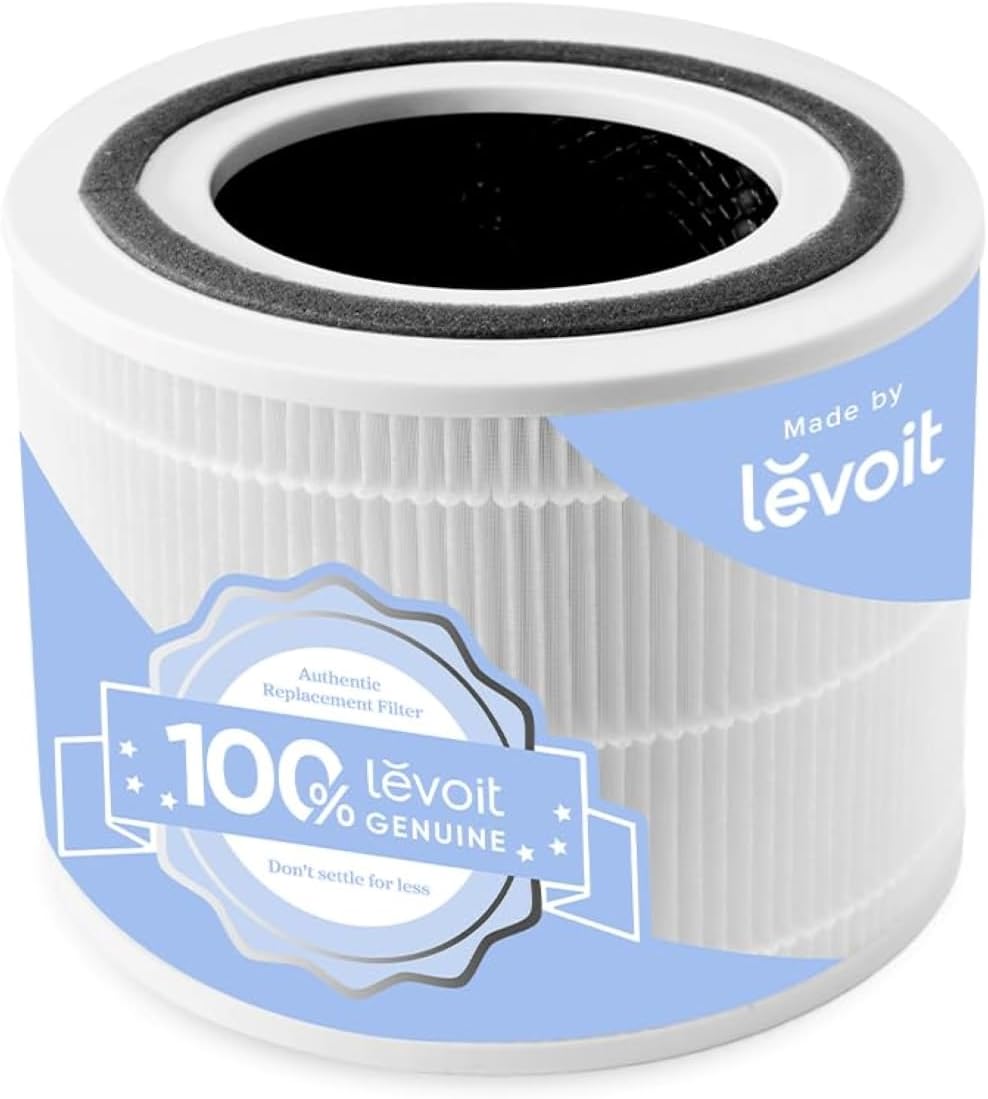
Levoit Core 300S (for multi-room strategy): While not a single whole-house unit, strategically placing multiple Levoit Core 300S purifiers can be a cost-effective way to improve air quality in larger homes. Its compact size and effective True HEPA filter make it versatile.
Honeywell HPA300: A popular choice for its powerful performance and straightforward operation, the HPA300 is capable of cleaning large rooms quickly. It’s a reliable option for those seeking a no-frills, effective solution.
Installation and Maintenance Considerations
Proper installation and regular maintenance are crucial for ensuring your best air purifier for the whole house operates at peak efficiency. For HVAC-integrated systems, professional installation is typically required. For portable units, placement is key, and filter replacement schedules must be adhered to.
Key considerations include:
HVAC Integration: Consult with an HVAC professional for installation to ensure proper fit and function.
Portable Unit Placement: Place units in central locations or high-traffic areas where air circulation is good. Avoid corners or behind furniture.
Filter Replacement: Follow the manufacturer’s recommendations for filter replacement. This is vital for maintaining filtration effectiveness.
Regular Cleaning: Dust the exterior of the unit and clean pre-filters (if applicable) regularly.
Smart Technology and Connectivity in Air Purifiers
Modern air purifiers often come equipped with smart technology, enhancing convenience and control. Wi-Fi connectivity allows you to monitor and adjust settings remotely via smartphone apps, while built-in sensors provide real-time air quality data. These features empower you to manage your home’s air quality proactively.
Smart features can include:
Remote Control: Adjust fan speed, set timers, and turn the unit on/off from your phone.
Air Quality Monitoring: Real-time feedback on PM2.5 levels, VOCs, and other pollutants.
Automatic Mode: The purifier adjusts its operation based on detected air quality.
Filter Life Indicators: Alerts you when it’s time to replace filters.
Comparing Centralized vs. Portable Whole House Solutions
Choosing between a centralized HVAC-integrated system and a strategy using multiple portable units depends on your home, budget, and preferences. Centralized systems offer the most seamless whole-home coverage but require a higher initial investment and professional installation. Portable units provide flexibility and can be more budget-friendly initially, but require careful placement and management.
Here’s a quick comparison:
| Feature | Central HVAC System | Multiple Portable Units |
| :—————- | :———————————————— | :—————————————————— |
| Coverage | Entire house, seamlessly integrated | Varies by unit placement; can cover multiple rooms |
| Installation | Professional HVAC installation required | No installation needed, plug-and-play |
| Initial Cost | Higher | Lower (per unit), but multiple units add up |
| Maintenance | Filter changes, occasional professional checks | Regular filter changes, unit cleaning |
| Flexibility | Limited; fixed in place | High; can be moved to different rooms as needed |
| Noise | Generally quieter as system is integrated | Varies by unit; can be noticeable in living spaces |
| Energy Use | Can be energy efficient, depends on system | Total energy use depends on the number of units running |
Dispelling Myths About Air Purifiers
Several misconceptions surround air purifiers that can hinder informed decision-making. For instance, not all filters labeled “HEPA” are truly effective; look for “True HEPA.” Also, UV-C light and ionization can sometimes produce ozone, which is a lung irritant, so always check for ozone-free certification.
Common myths debunked:
Myth: All HEPA filters are the same. Fact: Only “True HEPA” filters meet the standard of capturing 99.97% of particles.
Myth: Air purifiers with ionization or UV are always better. Fact: Some ionization technologies produce harmful ozone. Always choose ozone-free certified models.
Myth: Air purifiers are a one-time purchase. Fact: Filters need regular replacement to maintain effectiveness, making it an ongoing cost.
Frequently Asked Questions About Whole House Air Purifiers
What is the most important factor when choosing the best air purifier for the whole house?
The most critical factor is ensuring the purifier’s Clean Air Delivery Rate (CADR) and coverage area match or exceed the needs of your home’s square footage and desired air changes per hour.
Do I really need a HEPA filter for my whole house air purifier?
Yes, a True HEPA filter is essential for capturing the vast majority of microscopic allergens, dust, and other harmful particles that can affect respiratory health throughout your home.
How often should I replace filters in a whole house air purifier?
Filter replacement frequency varies by model and usage, but generally, HEPA filters should be replaced every 6-12 months, and activated carbon filters every 3-6 months. Always consult your manufacturer’s guidelines.
Can air purifiers eliminate odors from the whole house?
Yes, air purifiers equipped with substantial activated carbon filters are very effective at absorbing and eliminating a wide range of odors, from cooking smells to pet odors and smoke.
Are whole house air purifiers noisy?
Noise levels vary significantly by model. Central HVAC systems are generally quieter as the unit is separate from living spaces. Portable units have a decibel rating; look for models under 50 dB for quieter operation.
Is it better to get one large unit or multiple smaller units for whole house purification?
For true whole-house purification, a single, high-capacity unit integrated into your HVAC system is often the most effective. However, multiple well-placed portable units can be a viable alternative if HVAC integration isn’t feasible.
Conclusion: Invest in Your Health with the Best Air Purifier for the Whole House
Choosing the best air purifier for the whole house is a significant investment in your family’s health and well-being. By understanding your needs, evaluating key features, and selecting a reputable model, you can effectively combat indoor air pollution and enjoy a cleaner, fresher living environment. Don’t let allergens, dust, or VOCs compromise your comfort; take control of your indoor air quality today for a healthier tomorrow.