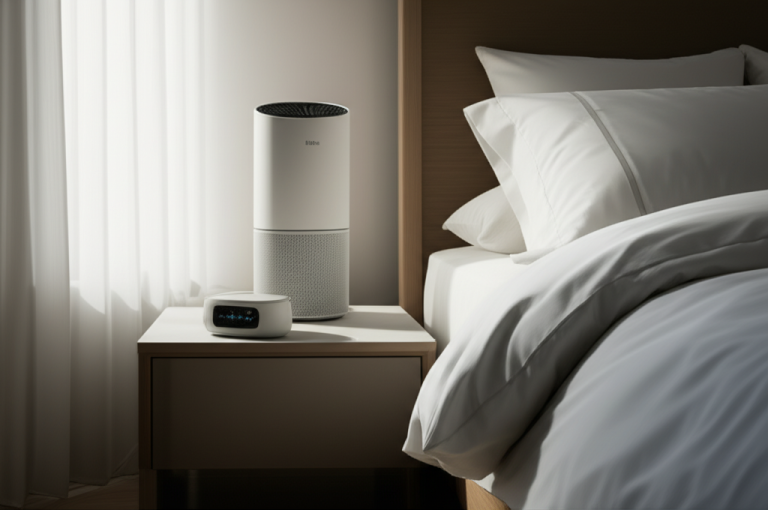
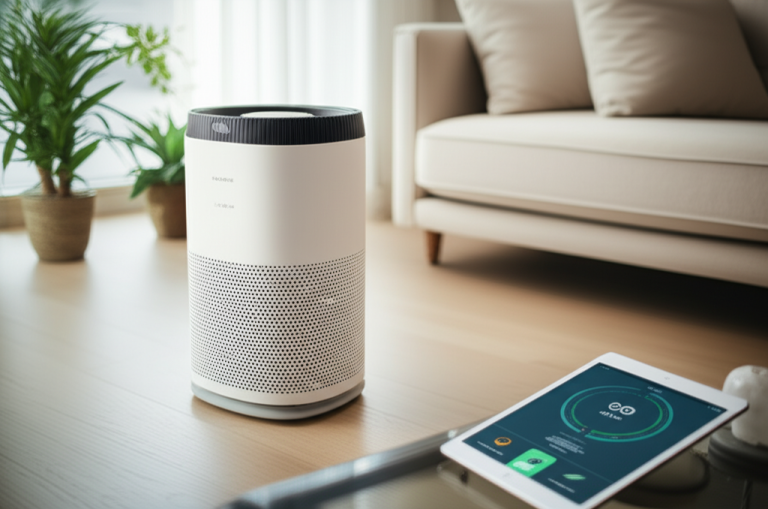
Does Air Police Air Purifier Really Work? Proven Essential

Yes, Air Police air purifiers can be a proven essential for improving indoor air quality, effectively removing common pollutants like dust, pollen, pet dander, and even some odors and VOCs when used correctly and matched to your specific needs. Their efficacy hinges on proper sizing, filter maintenance, and placement.
Does Air Police Air Purifier Really Work? Unpacking the Science and Evidence
Many of us wonder, “Does Air Police air purifier really work?” In our homes, invisible threats like dust, allergens, and volatile organic compounds (VOCs) can linger, impacting our health and comfort. Air purifiers promise a solution, but with so many options, it’s natural to question their effectiveness. This guide will delve into the science behind Air Police air purifiers, explore the evidence, and help you understand if they are a proven essential for your space. We’ll break down how they function and what factors contribute to their success.
Understanding How Air Police Air Purifiers Work
Air Police air purifiers work by drawing in indoor air, passing it through a series of filters, and then releasing cleaner air back into the room. This process effectively traps airborne particles that can cause respiratory issues and discomfort. Different models may employ various filtration technologies, but the core principle remains the same: mechanical filtration of pollutants. Understanding this basic mechanism is the first step in determining their true effectiveness.
The Crucial Role of HEPA Filters
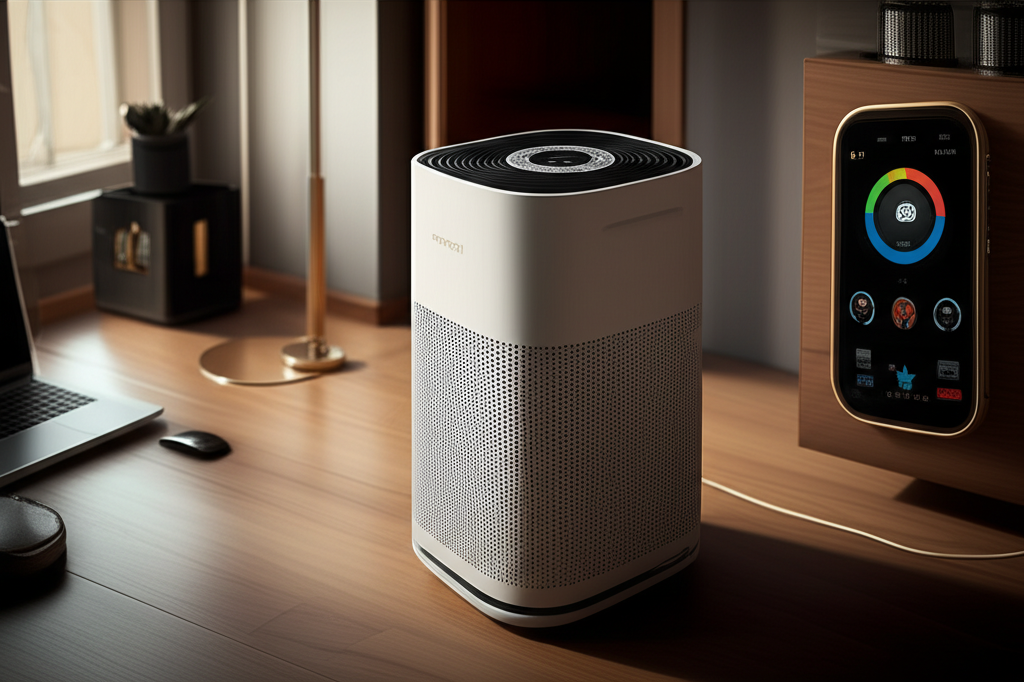
At the heart of most effective air purifiers, including many Air Police models, is the High-Efficiency Particulate Air (HEPA) filter. A true HEPA filter is certified to capture at least 99.97% of airborne particles 0.3 microns in size. This includes common allergens like pollen, pet dander, and mold spores, which are significant contributors to indoor air pollution. Ensuring your Air Police model features a genuine HEPA filter is paramount to its performance.
Beyond HEPA: Activated Carbon and Other Technologies
While HEPA filters excel at capturing particulate matter, some Air Police units incorporate activated carbon filters. These filters are porous and highly effective at adsorbing gases, odors, and VOCs that HEPA filters cannot trap. This combination offers a more comprehensive approach to air purification, tackling both solid particles and gaseous pollutants. Some advanced models might also include UV-C light or ionizers, though their effectiveness and potential byproducts are subjects of ongoing discussion.
Scientific Evidence Supporting Air Purifier Efficacy
Numerous studies have investigated the impact of air purifiers on indoor air quality. Research published in journals like the Journal of the American Medical Association has shown that air purifiers can significantly reduce levels of particulate matter and allergens in homes. For individuals suffering from allergies or asthma, the reduction in airborne irritants can lead to fewer symptoms and improved respiratory health. These findings provide strong scientific backing for the benefits of using air purifiers.
Allergy and Asthma Symptom Reduction
For those who suffer from allergies or asthma, the question “Does Air Police air purifier really work?” often comes down to symptom relief. Studies, including those by the Environmental Protection Agency (EPA), suggest that air purifiers can indeed help alleviate symptoms. By removing triggers like dust mites, pollen, and pet dander from the air, they create a healthier indoor environment. This can translate to less sneezing, coughing, and fewer asthma attacks.
Impact on Particulate Matter Levels
Air purifiers are particularly effective at reducing fine particulate matter (PM2.5) in indoor spaces. These tiny particles, often from cooking, smoking, or outdoor pollution infiltration, can penetrate deep into the lungs. Independent laboratory tests and real-world studies have demonstrated that air purifiers equipped with HEPA filters can substantially lower PM2.5 concentrations. This reduction is crucial for long-term respiratory health.
Factors Influencing Air Police Air Purifier Performance
The effectiveness of any air purifier, including Air Police models, isn’t solely about the technology; several external factors play a significant role. These include the size of the room, the air purifier’s Clean Air Delivery Rate (CADR), and how well it’s maintained. Understanding these elements helps ensure you’re getting the most out of your device and can confidently answer, “Does Air Police air purifier really work for my specific situation?”
Room Size and CADR Matching
A critical aspect of air purifier effectiveness is ensuring it’s appropriately sized for the room. The Clean Air Delivery Rate (CADR) indicates how quickly an air purifier can filter a specific pollutant. For example, a higher CADR for smoke means it can clean smoke-filled air faster. Matching the CADR to the square footage of your room, as recommended by manufacturers, is essential for optimal performance. An undersized unit will struggle to keep up, while an oversized one might be unnecessarily noisy or costly.
Filter Maintenance and Replacement Schedule
The performance of an Air Police air purifier degrades significantly if the filters are not maintained or replaced regularly. Clogged filters restrict airflow, reducing the amount of air that can be purified, and can even become a source of re-released pollutants. Following the manufacturer’s recommended replacement schedule for HEPA and carbon filters is non-negotiable for sustained effectiveness. This simple maintenance step is key to ensuring your air purifier continues to work efficiently.
Unit Placement for Maximum Airflow
Where you place your Air Police air purifier can also impact its effectiveness. For optimal performance, the unit should be placed in a location that allows for unobstructed airflow. Avoid placing it directly against walls or furniture, as this can impede the intake and outflow of air. Central locations within a room or areas where air circulation is generally good tend to yield the best results.
Are Air Police Air Purifiers a Proven Essential?
Considering the scientific evidence and the factors influencing performance, it’s clear that Air Police air purifiers can indeed be a proven essential for many households. They offer a tangible way to improve indoor air quality, reduce allergens, and mitigate the effects of common pollutants. However, their “essential” status is contingent on realistic expectations and proper usage. They are a tool to supplement, not replace, good ventilation and general cleaning practices.
Addressing Common Air Pollutants
Air Police air purifiers are designed to tackle a range of common indoor air pollutants. This includes dust mites, pet dander, pollen, mold spores, and even some bacteria and viruses, thanks to HEPA filtration. Activated carbon filters in some models also help neutralize odors from cooking, pets, or smoke, as well as VOCs emitted from furniture, cleaning products, and paints. This broad-spectrum action makes them valuable for enhancing the air you breathe daily.
What Air Police Air Purifiers CANNOT Do
It’s important to have realistic expectations about what air purifiers can achieve. While they are excellent at filtering airborne particles and gases, they cannot eliminate all indoor air pollution. They don’t remove larger debris like settled dust on surfaces or address issues like inadequate ventilation or high humidity, which can contribute to mold growth. For comprehensive air quality management, they should be used in conjunction with other strategies.
Air Police Air Purifier vs. Other Air Quality Solutions
When considering indoor air quality, air purifiers are just one piece of the puzzle. Comparing them to other solutions highlights their specific strengths and limitations. For instance, while opening windows provides fresh air, it can introduce outdoor pollutants. Other solutions like houseplants have minimal impact on overall air purification compared to mechanical filters.
The Role of Ventilation and Air Exchange
Ventilation, whether natural (opening windows) or mechanical (using exhaust fans or HVAC systems), is crucial for diluting indoor pollutants. While air purifiers filter existing air, ventilation exchanges indoor air with outdoor air. For optimal air quality, a combination of both is often recommended, especially in tightly sealed modern homes. Understanding this relationship helps determine if an Air Police air purifier is the right choice for your specific needs.
Comparing Air Purifiers to Other Home Solutions
Compared to solutions like houseplants, which have a very limited capacity for air purification, air purifiers offer a significant and measurable impact. Unlike dehumidifiers that target moisture, or humidifiers that add moisture, air purifiers focus on removing contaminants. They are distinct tools designed for specific purposes within a broader home hygiene strategy.
Expert Opinions and User Testimonials
While scientific studies provide a solid foundation, real-world experiences offer valuable insights. Many users report significant improvements in allergy symptoms and a general sense of fresher air after using Air Police air purifiers. Experts often emphasize the importance of choosing the right model and maintaining it diligently for optimal results. These testimonials and expert endorsements further support the idea that these devices can be highly effective.
What Experts Say About Air Purifier Effectiveness
Environmental health experts generally agree that well-chosen and properly maintained air purifiers can be beneficial, particularly for individuals with respiratory sensitivities. They often stress the importance of looking for third-party certifications, such as those from AHAM (Association of Home Appliance Manufacturers), which verify CADR ratings. This expert consensus reinforces the efficacy of quality air purification systems.
Real-World User Experiences with Air Police
User reviews for Air Police air purifiers often highlight specific benefits, such as reduced pet odors, less dust accumulation, and relief from seasonal allergies. Many users appreciate the quiet operation of certain models and the noticeable difference in air freshness. While individual experiences vary, the consistent positive feedback across many platforms suggests that these units deliver on their promises for a significant portion of users.
Choosing the Right Air Police Air Purifier for You
To ensure your Air Police air purifier is a proven essential and not just an expense, selecting the right model is key. Consider the size of the area you need to cover, the specific pollutants you’re most concerned about, and your budget. Looking for units with multiple stages of filtration, including HEPA and activated carbon, will provide the most comprehensive air cleaning.
Key Features to Look For
When purchasing an Air Police air purifier, prioritize models with true HEPA filters, substantial activated carbon capacity for odor and VOC removal, and a CADR that matches your room size. Features like pre-filters to catch larger particles, quiet operation modes, and filter replacement indicators can also enhance the user experience. Energy efficiency is another important consideration for long-term use.
Understanding Air Police Model Specifications
Each Air Police air purifier model will have specific certifications and performance metrics. Pay close attention to the stated CADR for smoke, dust, and pollen, and the recommended room coverage area. Check the filter types and expected lifespan, as well as the noise level (measured in decibels, dB). These specifications are crucial for making an informed decision and ensuring the unit will effectively address your air quality concerns.
Frequently Asked Questions About Air Police Air Purifiers
Here are answers to some common questions people have about whether Air Police air purifiers really work.
Q1: How quickly can I expect to see results from an Air Police air purifier?
You may notice a difference in air freshness and a reduction in odors within a few hours to a couple of days of continuous operation. Significant reductions in allergens and particulate matter will become more apparent over consistent use.
Q2: Do Air Police air purifiers help with smoke, like from wildfires or cigarettes?
Yes, models equipped with a true HEPA filter and a substantial activated carbon filter are effective at capturing smoke particles and adsorbing the associated odors and harmful gases.
Q3: How often do I need to replace the filters in my Air Police air purifier?
Filter replacement frequency varies by model and usage, but typically HEPA filters need replacing every 6-12 months, and carbon filters every 3-6 months. Always refer to your specific Air Police model’s manual.
Q4: Can an Air Police air purifier completely eliminate all allergens from my home?
While air purifiers significantly reduce allergen levels, they cannot eliminate them entirely. Regular cleaning and source control are also essential for managing allergies effectively.
Q5: Are Air Police air purifiers noisy?
Noise levels vary by model and fan speed. Many newer models offer quiet operation modes, often below 30 dB, which is comparable to a whisper, making them suitable for bedrooms.
Q6: Do Air Police air purifiers produce ozone?
True HEPA air purifiers generally do not produce ozone. However, some older or less reputable models, particularly those using ionization or UV-C without proper safeguards, might produce small amounts of ozone. Look for ozone-free certifications.
Q7: Is it worth investing in an Air Police air purifier for a home with no specific air quality concerns?
Even in homes without known issues, air purifiers can improve overall indoor air quality by removing everyday pollutants like dust, pet dander, and VOCs, contributing to a healthier living environment.
Conclusion: Air Police Air Purifiers – A Worthy Investment for Cleaner Air
In conclusion, the question “Does Air Police air purifier really work?” can be answered with a resounding yes, provided you select the right unit for your needs and maintain it properly. They are a proven essential for reducing airborne pollutants, alleviating allergy and asthma symptoms, and creating a healthier indoor environment. By understanding their technology, considering factors like CADR and room size, and committing to regular filter maintenance, you can confidently leverage an Air Police air purifier to enjoy cleaner, fresher air in your home.