Does A Salt Lamp Purify The Air? Proven Essential!

A salt lamp does not purify the air in a scientifically proven way. While they release negative ions that can attract airborne particles, the effect is minimal and not a substitute for proper air purification methods.
When you think about creating a healthier home environment, air quality often comes to mind. Many of us are looking for simple, beautiful ways to improve the air we breathe. Salt lamps, with their warm glow and natural origins, are often touted as a solution. But the big question remains: does a salt lamp purify the air? Let’s dive into the science and understand what these glowing crystals can truly do for your home’s atmosphere.
The Science Behind Salt Lamps and Air Purification
The claim that salt lamps purify the air is rooted in the idea that they release negative ions. These ions are thought to attach to positively charged particles like dust, allergens, and pollutants, making them heavier and causing them to fall out of the air. This process is known as hygroscopy, where the salt attracts moisture from the air.
How Salt Lamps Work: The Hygroscopic Effect
Salt lamps are made from Himalayan pink salt, which is naturally hygroscopic. This means it attracts water molecules from the surrounding air. When the lamp is heated by a light bulb, the water evaporates back into the air, potentially carrying with it some of the trapped impurities from the salt’s surface.
Negative Ions and Air Quality: What’s the Connection?
Negative ions are often associated with fresh, clean air, like near waterfalls or after a thunderstorm. Proponents suggest salt lamps emit these ions, which then neutralize positively charged pollutants. However, scientific studies on the actual ion output of salt lamps are limited and often show negligible results.
Do Salt Lamps Actually Clean the Air? The Scientific Evidence
Despite their popularity, the scientific community has not found conclusive evidence that salt lamps significantly purify the air. While the hygroscopic effect is real, the air purification claims are largely unsubstantiated by rigorous research.
What Does Science Say About Salt Lamp Air Purification?
Research, including studies published by organizations like the American Lung Association, generally does not support the idea that salt lamps can effectively clean indoor air. The amount of negative ions produced is typically too small to have a measurable impact on air quality.
The Role of Hygroscopy in Salt Lamp Function
The hygroscopic nature of salt is a well-established scientific principle. Salt crystals attract moisture from the air, which can lead to a slight reduction in humidity around the lamp. This is the most scientifically sound aspect of a salt lamp’s function.
Understanding the Claims: Positive Ions vs. Negative Ions
Many claims about salt lamps revolve around their supposed ability to balance positive and negative ions in the air. Let’s clarify what this means and why it’s relevant.
Positive Ions and Their Potential Impact
Electronic devices, pollution, and even general household activities can increase the number of positive ions in our indoor environments. Some believe that an excess of positive ions can contribute to feelings of fatigue and malaise, though this is also an area with limited scientific consensus.
Negative Ions: Nature’s Air Purifiers
Nature uses negative ions to help clean the air. For instance, waterfalls and ocean waves create negative ions that can help neutralize airborne irritants. The theory is that salt lamps mimic this natural process.
Are Salt Lamps a Form of Air Purifier?
While salt lamps are often marketed as air purifiers, their primary function and scientifically proven effects lie elsewhere. They are more of a decorative item with potential subtle benefits than a robust air cleaning device.
Comparing Salt Lamps to Traditional Air Purifiers
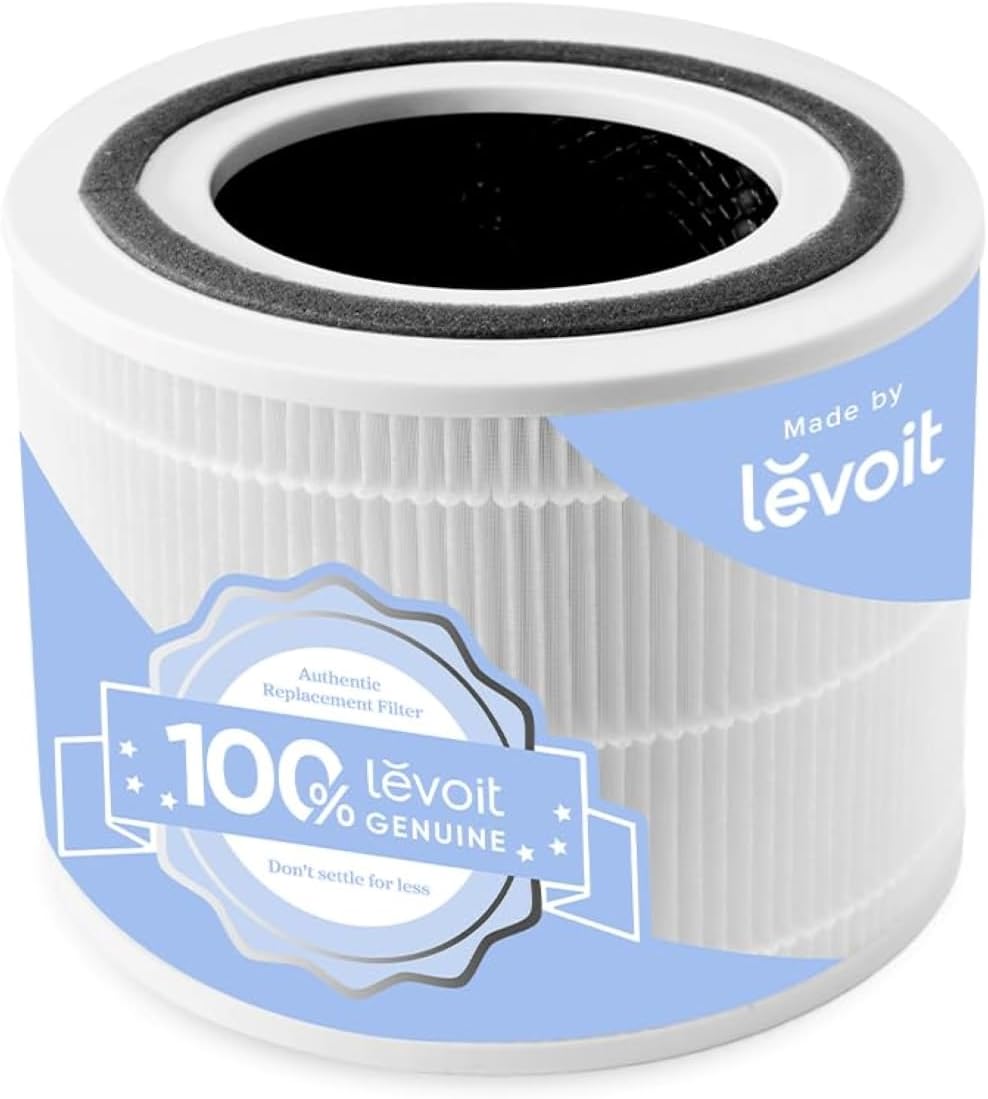
Traditional air purifiers use HEPA filters or activated carbon to physically trap or neutralize pollutants. They are designed with powerful fans and filtration systems to process large volumes of air. Salt lamps do not possess these mechanisms.
The Limitations of Salt Lamp “Purification”
The purported purification effect of a salt lamp is minimal at best. The amount of moisture it attracts and evaporates is small, and the negative ion emission is not significant enough to make a noticeable difference in air quality for most homes.
The Real Benefits of Having a Salt Lamp
Even if they don’t purify the air, salt lamps offer several aesthetic and potential mood-enhancing benefits that many people enjoy. Their warm, ambient glow can create a cozy and relaxing atmosphere.
Creating Ambiance and Mood
The soft, amber light emitted by salt lamps is known for its calming properties. Many users report that their salt lamp helps create a more relaxing and peaceful environment, which can be beneficial for stress reduction.
Potential Sleep Improvements
Some people find that the gentle light of a salt lamp is less disruptive to sleep cycles than brighter, bluer artificial lights. Using it as a bedside lamp might contribute to a more restful night’s sleep.
LSI Keywords and Entities for Deeper Understanding
To truly grasp the topic, let’s look at related terms and concepts. Understanding these can help you make informed decisions about your home’s air quality and ambiance.
Related Concepts and Products
Himalayan Pink Salt: The primary material used in these lamps.
Negative Ion Generator: Devices specifically designed to produce negative ions.
Air Purifier: Devices with filters (HEPA, activated carbon) to clean air.
Humidifier/Dehumidifier: Devices that control moisture levels in the air.
Allergens, Dust Mites, Pollutants: Common airborne particles.
Aromatherapy Diffusers: Another type of home ambiance device.
* Light Therapy: Using light to influence mood.
Expert Opinions and Scientific Studies
While direct studies on salt lamp purification are scarce, general principles of air quality and ion science are relevant. Look for information from environmental health organizations and scientific journals for objective data.
Practical Considerations: Using a Salt Lamp Safely and Effectively
If you choose to use a salt lamp for its aesthetic or mood-enhancing qualities, there are a few things to keep in mind for optimal enjoyment and safety.
Placement and Maintenance
Place your salt lamp on a stable surface, away from moisture sources like bathrooms or kitchens. Wipe it down occasionally with a dry cloth to remove dust. Ensure the bulb is properly fitted and the cord is in good condition.
Choosing the Right Salt Lamp
Consider the size of the lamp in relation to the room. Larger lamps might have a slightly more noticeable effect on humidity, though still minimal for air purification. Look for genuine Himalayan salt for the best aesthetic.
Common Misconceptions About Salt Lamps
It’s easy to get caught up in the hype surrounding products like salt lamps. Let’s debunk some common myths to provide a clearer picture.
Myth: Salt Lamps Replace Air Purifiers
This is perhaps the most significant misconception. A salt lamp cannot replace a dedicated air purification system designed for allergen removal or VOC reduction.
Myth: They Significantly Ionize the Air
While some ion emission might occur, it’s generally not at a level that provides significant air purification benefits compared to specialized ionizers or other air cleaning technologies.
Frequently Asked Questions About Salt Lamps and Air Quality
Do salt lamps attract dust?
Salt lamps attract moisture from the air, and this moisture can trap some dust particles. However, this trapping effect is very limited and does not actively remove dust from the air in a significant way.
Can salt lamps help with allergies?
While some users report relief, there’s no strong scientific evidence that salt lamps can effectively reduce allergens in the air to a degree that significantly helps with allergies. Dedicated air purifiers with HEPA filters are more effective for allergy sufferers.
How often should I use my salt lamp?
You can use your salt lamp as often as you like for ambiance. Some believe leaving it on continuously helps maintain its hygroscopic properties, but this is not essential for its decorative function.
What is the best way to use a salt lamp for relaxation?
Place it in a room where you want to create a calming atmosphere, such as your bedroom or living room, and use it during quiet activities like reading or meditating. Dimming the light can enhance its relaxing effect.
Are salt lamps safe for pets?
Salt lamps are generally safe for pets, but it’s always wise to supervise them. Ensure pets don’t chew on the salt or electrical components. Keep the cord tidy and out of reach.
How do I clean a salt lamp?
Gently wipe the salt lamp with a dry or slightly damp cloth. Avoid using harsh chemicals or soaking the lamp, as this can damage the salt. Ensure it’s completely dry before plugging it back in.
Conclusion: Salt Lamps for Ambiance, Not Air Purification
So, does a salt lamp purify the air? The answer, based on current scientific understanding, is largely no. While they possess hygroscopic properties and may emit a minuscule amount of negative ions, these effects are not substantial enough to qualify them as effective air purifiers.
However, this doesn’t mean salt lamps are without value. They excel at creating a warm, inviting, and calming ambiance in any room. If you’re looking for a beautiful, natural way to enhance your home’s atmosphere and potentially contribute to a more relaxed mood, a salt lamp can be a wonderful addition. Just don’t rely on it to clean your air; for that, consider investing in a reputable air purifier with a HEPA filter. Enjoy the glow, but manage your expectations regarding purification power.