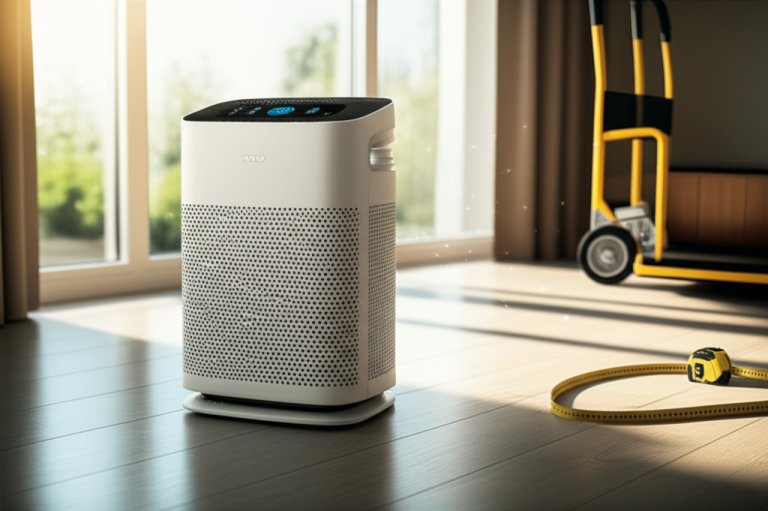
Do Air Purifiers Keep You Cool? Essential Guide

While air purifiers primarily clean your air, some models can offer a slight cooling effect due to their fan mechanisms, though they are not a substitute for dedicated cooling appliances like air conditioners or fans.
Air purifiers are fantastic for improving indoor air quality by removing pollutants. You might be wondering if this powerful circulation of air can also help combat rising temperatures in your home. It’s a common question, especially as we seek comfort during warmer months. While not their primary function, understanding how air purifiers work can shed light on their potential to make your space feel a bit more comfortable. Let’s explore the connection between air purification and keeping cool, so you can make informed decisions for your home environment.
Can Air Purifiers Actually Cool a Room?
Air purifiers don’t actively cool a room like an air conditioner does. Their main job is to circulate air through filters to trap particles. However, the fan inside an air purifier does move air, which can create a gentle breeze that might make you feel slightly cooler. This effect is minimal and depends heavily on the purifier’s fan speed and the room’s size.
How Air Purifiers Work: The Basics
At their core, air purifiers draw in air, pass it through a series of filters (like HEPA and activated carbon), and then expel cleaner air back into the room. This process involves a fan, which is the component that can contribute to air movement. The efficiency of this fan and the volume of air it processes determine how noticeable any cooling sensation might be.
The Role of the Fan in Air Circulation
The fan is the engine of any air purifier. It’s responsible for pulling air into the unit and pushing purified air out. The stronger the fan, the more air it can circulate, and the more noticeable the air movement will be. This continuous circulation can help to prevent stagnant air, which often feels warmer.
Comparing Air Purifiers to Dedicated Cooling Devices
It’s crucial to differentiate between an air purifier and a cooling device. Air conditioners actively lower the air temperature by removing heat and humidity. Fans, on the other hand, create airflow that helps evaporate sweat from your skin, making you feel cooler. An air purifier’s fan merely circulates existing air; it doesn’t change its temperature.
Factors Influencing the Cooling Effect of Air Purifiers
Several aspects of an air purifier’s design and operation can influence whether you perceive any cooling effect. These include the fan’s power, the unit’s size relative to the room, and the overall air exchange rate. Understanding these factors helps set realistic expectations for what an air purifier can achieve in terms of temperature comfort.
Fan Speed and Airflow (CADR)
The fan speed directly impacts how much air the purifier moves. Higher fan speeds mean more air circulation and a more pronounced breeze. A key metric for air purifiers is the Clean Air Delivery Rate (CADR), which measures how quickly the unit filters specific pollutants. While CADR is about purification, a higher CADR generally indicates a more powerful fan capable of moving more air, potentially creating a slight cooling sensation.
Room Size and Purifier Capacity
An air purifier is most effective when its capacity matches the room size. If a purifier is too small for a large room, its fan might struggle to create any noticeable airflow, let alone a cooling effect. Conversely, a powerful purifier in a small room might move air effectively, but the overall impact on perceived temperature will still be limited compared to a dedicated cooler.
Air Exchange Rate and Stagnant Air
Air purifiers increase the air exchange rate in a room, meaning the total volume of air processed over time. By constantly moving air, they can reduce stagnant pockets that might feel warmer. This continuous movement helps to distribute the air more evenly, which can contribute to a sense of comfort, even if the temperature doesn’t drop.
Potential Heat Generation from Air Purifiers
While the primary function isn’t cooling, it’s worth noting that any electronic device with a motor, like an air purifier’s fan, can generate a small amount of heat. This is typically negligible and unlikely to make a room feel warmer. In fact, the airflow generated often counteracts any minor heat produced by the motor.
Understanding Motor Heat Output
The motor powering the fan in an air purifier does produce some heat as a byproduct of its operation. However, modern air purifiers are designed for energy efficiency, and the heat output is generally very low. For most users, this minor heat generation is not a factor in room temperature.
The Net Effect: Airflow vs. Heat
The airflow generated by the fan is almost always greater than any heat produced by the motor. Therefore, the net effect is usually a feeling of air movement, not an increase in room temperature. This airflow can be a welcome sensation, especially in warmer environments.
When Air Purifiers Might Feel Like They’re Cooling
You’re more likely to notice a “cooling” sensation from an air purifier under specific conditions. These include when the ambient temperature is already moderate, when the purifier has a powerful fan, and when you are in close proximity to the unit. It’s about perceived comfort rather than actual temperature reduction.
High Fan Speeds and Proximity
Running your air purifier on its highest fan setting will maximize air circulation, creating a more noticeable breeze. If you’re sitting near the purifier, you’ll feel this airflow more directly, which can provide a refreshing sensation. This is similar to how a fan provides comfort by moving air across your skin.
Moderate Ambient Temperatures
In rooms that are already at a comfortable temperature or only slightly warm, the airflow from an air purifier can be enough to create a feeling of coolness. The air movement helps with evaporative cooling on your skin. When the room is extremely hot, the air being circulated is still warm, so the cooling effect will be less pronounced.
Maximizing Air Purifier Benefits Beyond Cooling
While the cooling aspect is minor, air purifiers excel at their primary mission: improving air quality. Focusing on their core benefits can lead to a healthier and more comfortable living environment, even if they don’t replace your air conditioner. Investing in a good air purifier means breathing cleaner air, reducing allergens, and eliminating odors.
Improving Indoor Air Quality
The most significant benefit of an air purifier is its ability to remove airborne pollutants like dust, pollen, pet dander, mold spores, and smoke. This is particularly important for individuals with allergies, asthma, or other respiratory conditions. Cleaner air means easier breathing and fewer allergy symptoms.
Reducing Allergens and Irritants
For allergy sufferers, an air purifier can be a game-changer. By trapping microscopic allergens, it significantly reduces triggers in your living space. This can lead to fewer sneezing fits, less itchy eyes, and overall relief from seasonal or year-round allergies.
Eliminating Odors
Many air purifiers, especially those with activated carbon filters, are excellent at absorbing and neutralizing odors from cooking, pets, smoke, and more. This leaves your home smelling fresher and more pleasant. A clean-smelling home often contributes to a greater sense of comfort and well-being.
Choosing the Right Air Purifier for Your Needs
When selecting an air purifier, consider its primary function: air purification. Look for models with HEPA filters, which capture 99.97% of particles 0.3 microns in size. Features like multiple fan speeds and quiet operation are also important. If you’re hoping for a slight cooling effect, a model with a strong fan and higher CADR might be preferable, but remember its limitations.
Key Features to Look For
Prioritize HEPA filtration for effective particle removal. Activated carbon filters are essential for odor control. Consider the CADR ratings to ensure the unit is appropriately sized for your room. Noise levels are also important, especially for bedrooms or living areas. Smart features like app control and air quality sensors can add convenience.
Understanding HEPA and Activated Carbon Filters
HEPA Filters: These are the gold standard for removing fine particles like dust mites, pollen, and pet dander. A True HEPA filter meets strict standards for efficiency.
Activated Carbon Filters: These filters are porous and excel at adsorbing gases, volatile organic compounds (VOCs), and odors. They work in tandem with HEPA filters to provide comprehensive air cleaning.
Energy Efficiency and Running Costs
Air purifiers vary in their energy consumption. Look for Energy Star certified models to ensure they operate efficiently. Consider the cost of replacement filters, as these are an ongoing expense. Running a purifier 24/7 on a lower setting is often more effective and energy-efficient than running it on high intermittently.
Air Purifier vs. Fan vs. Air Conditioner: A Quick Comparison
| Feature | Air Purifier | Fan | Air Conditioner |
| :—————- | :——————————————– | :——————————————— | :—————————————— |
| Primary Function | Cleans air by removing pollutants. | Moves air to create a cooling sensation. | Cools air by removing heat and humidity. |
| Cooling Effect | Minimal, due to airflow; doesn’t lower temp. | Perceived cooling via evaporation; doesn’t lower temp. | Actively lowers room temperature. |
| Air Quality | Significantly improves. | No impact on air quality. | Can improve air quality slightly (some models). |
| Energy Use | Moderate; varies by model and speed. | Low. | High. |
| Noise Level | Varies; can be noticeable on high settings. | Varies; typically moderate. | Varies; can be significant. |
| Best For | Allergies, asthma, odors, general air cleaning. | Temporary relief from heat, air circulation. | Significant temperature reduction, high heat. |
Maximizing Airflow for Perceived Cooling
If you own an air purifier and wish to maximize any potential cooling sensation, there are a few strategies. Ensure the unit is properly placed, use higher fan settings when needed, and consider its placement relative to other airflow sources. Remember, these are ways to enhance the feeling of coolness, not to lower the actual temperature.
Strategic Placement of Your Air Purifier
Place your air purifier in a location where it can effectively circulate air throughout the room. Avoid placing it directly against walls or furniture, which can obstruct airflow. Positioning it in a central area or near where you spend most of your time can maximize the sensation of moving air.
Utilizing Higher Fan Speeds
When you feel the need for more air movement, don’t hesitate to increase your air purifier’s fan speed. While this may increase noise and energy consumption slightly, it will create a more noticeable breeze. This is the most direct way to leverage the fan’s capacity for perceived cooling.
Combining with Other Airflow Methods
For enhanced comfort, you can strategically use your air purifier alongside other devices. For instance, placing an air purifier near an open window can help draw in fresh air and circulate it. You could also use it in conjunction with a ceiling fan or portable fan to create a more robust airflow system.
Are There Air Purifiers Designed for Cooling?
While dedicated “cooling” air purifiers aren’t a standard category, some manufacturers integrate fan functionalities that lean towards enhanced airflow. These might offer stronger fan motors or specific “wind” modes. However, it’s crucial to read product descriptions carefully and understand that even these units are not air conditioners. They still focus on air purification as their primary role.
Multi-Function Appliances
Some modern appliances combine air purification with other functions, such as humidification or even a basic fan. These are often marketed as 2-in-1 or 3-in-1 devices. While they offer convenience, their cooling capabilities are typically limited to moving air. Always check the specifications to understand the extent of each function.
What to Look for in a “Cooling-Focused” Purifier
If you’re specifically seeking an air purifier that might offer a more noticeable cooling sensation, look for models with:
High CADR ratings, indicating strong airflow.
Multiple fan speed settings, including higher options.
A design that promotes efficient air circulation.
Positive reviews mentioning noticeable airflow.
Frequently Asked Questions (FAQs)
Do air purifiers help cool a room?
No, air purifiers do not actively cool a room. They circulate air, and the fan can create a breeze that might make you feel slightly cooler, but they do not lower the ambient temperature.
Can an air purifier replace an air conditioner?
Absolutely not. An air conditioner is designed to significantly reduce room temperature and humidity, while an air purifier’s primary function is to clean the air.
Will running an air purifier make my room hotter?
Generally, no. While the motor generates a tiny amount of heat, the airflow produced by the fan is much more significant and tends to counteract any minor heat output, often creating a feeling of circulation.
How can I make my air purifier feel like it’s cooling me?
You can maximize the airflow by using higher fan settings and placing the purifier strategically to create a breeze. Being closer to the unit will also make the airflow more noticeable.
What is the difference between an air purifier and a fan?
A fan moves air to create a cooling sensation through evaporation. An air purifier removes pollutants from the air using filters, and its fan’s airflow can provide a secondary, minor cooling effect.
Can air purifiers help with stuffy air in hot weather?
Yes, they can help by circulating air and reducing stagnant pockets, which can make the air feel less stuffy and more comfortable, even if the temperature doesn’t decrease.
Conclusion
So, do air purifiers keep you cool? The answer is a nuanced no, with a slight caveat. While air purifiers are not designed to be cooling devices and cannot replace air conditioners or fans for temperature regulation, their fans do circulate air. This circulation can create a gentle breeze that offers a minor sensation of coolness, especially when running on higher settings or when you’re close to the unit. For those seeking to enhance comfort during warmer periods, an air purifier can contribute to a fresher, more breathable environment by improving air quality and reducing stuffiness, but its cooling capabilities are a secondary effect at best. Focus on their primary strength – cleaner air – for the most significant benefits to your home’s health and comfort.