Do Air Purifiers Help With Snoring? Proven Sleep Solution!

Do Air Purifiers Help With Snoring? A Proven Sleep Solution!
Air purifiers can indeed help with snoring by improving air quality, reducing allergens, and humidifying the air, leading to clearer airways and quieter sleep. Discover how this simple device can transform your nights.
Snoring is a common sleep disturbance, affecting millions worldwide and often leading to restless nights for both the snorer and their bed partner. You might be wondering if there’s a simple solution beyond nasal strips or lifestyle changes. This article explores the surprising connection between air quality and snoring, focusing on how air purifiers can offer a proven sleep solution. We’ll delve into the science, explore different types of purifiers, and guide you toward a quieter, more restful night.
The Link Between Air Quality and Snoring
Poor air quality can significantly contribute to snoring by irritating nasal passages and the throat. When the air you breathe is filled with pollutants, allergens, or is too dry, it can cause inflammation and swelling in your airways. This narrowing makes it harder for air to pass through smoothly, leading to the vibrations that cause snoring. Addressing these airborne irritants is key to finding relief.
This section explains the direct impact of airborne particles on your respiratory system during sleep. It sets the stage for understanding why improving air quality matters for snorers.
How Air Purifiers Improve Air Quality
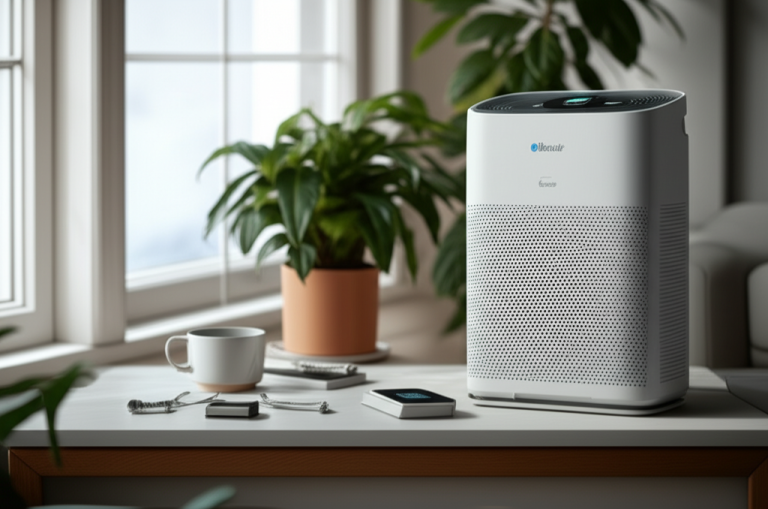
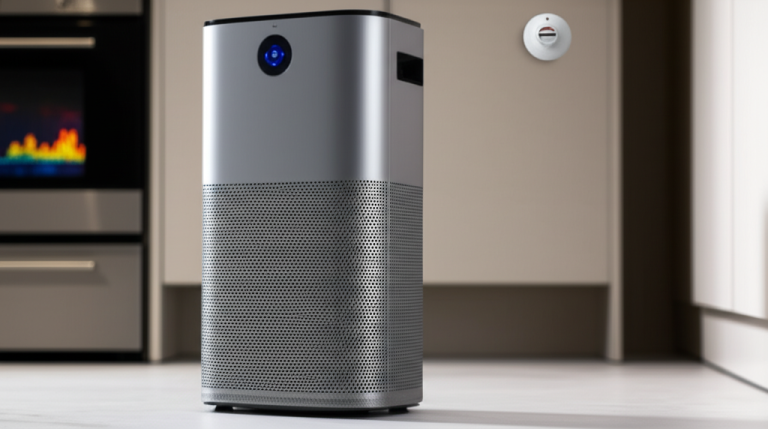
Air purifiers work by drawing in air, filtering out harmful particles, and releasing cleaner air back into the room. They typically use a multi-stage filtration system, often including a pre-filter for larger particles like dust and hair, an activated carbon filter to absorb odors and gases, and a HEPA filter to capture microscopic allergens such as pollen, pet dander, and mold spores. This process significantly reduces the irritants that can trigger snoring.
By removing these microscopic invaders, air purifiers create a cleaner breathing environment. This directly benefits your nasal and throat passages, potentially reducing the inflammation that leads to snoring.
Understanding Allergens and Their Role in Snoring
Common allergens like dust mites, pollen, pet dander, and mold spores are prevalent in many homes. When inhaled, these allergens can cause your nasal passages and throat to become inflamed and congested. This congestion narrows your airway, forcing air to move more forcefully, which can result in snoring. For individuals with allergies, this connection is particularly strong.
Reducing your exposure to these allergens during sleep can lead to a noticeable decrease in snoring. An air purifier acts as a shield against these common sleep disruptors.
The Impact of Dry Air on Snoring
The humidity level in your bedroom can also play a crucial role in snoring. When the air is too dry, it can dry out your nasal passages and throat. This dryness can lead to irritation, increased mucus production, and a feeling of congestion, all of which can exacerbate snoring. Optimal humidity levels are essential for comfortable breathing.
While not all air purifiers humidify, some models integrate this function or can be used alongside a humidifier. Maintaining balanced humidity helps keep airways moist and less prone to irritation.
Do Air Purifiers Directly Stop Snoring?
While air purifiers are not a direct cure for all types of snoring, they can significantly reduce snoring caused by environmental factors like allergies and poor air quality. By clearing the air of irritants and allergens, they help keep airways open and less inflamed. This can lead to quieter, more peaceful sleep for many individuals.
Therefore, if your snoring is linked to nasal congestion or throat irritation from airborne particles, an air purifier can be a very effective part of your sleep solution.
Types of Air Purifiers and Their Snoring Benefits
Different types of air purifiers offer varying benefits for snorers. HEPA filter purifiers are excellent for capturing allergens. Activated carbon filters are great for eliminating odors and VOCs (Volatile Organic Compounds) that can irritate airways. Some advanced models also include UV-C light technology to kill airborne germs, though their direct impact on snoring is less pronounced than filtration.
Choosing a purifier with a robust HEPA filter is often the most beneficial for allergy-related snoring. Look for models certified to remove at least 99.97% of particles as small as 0.3 microns.
HEPA Filter Purifiers
High-Efficiency Particulate Air (HEPA) filters are designed to trap even the smallest airborne particles. This makes them incredibly effective at removing allergens like dust mites, pollen, and pet dander, which are common culprits behind snoring due to nasal congestion. A clean home environment starts with clean air.
By ensuring your bedroom air is free from these microscopic irritants, HEPA purifiers help maintain open airways. This can lead to a significant reduction in snoring intensity and frequency.
Activated Carbon Filters
Activated carbon filters excel at absorbing odors, smoke, and chemicals from the air. While they don’t directly target allergens as HEPA filters do, they can remove irritants like volatile organic compounds (VOCs) released from cleaning products or furniture. These can also contribute to airway inflammation and snoring.
Removing these subtle airborne pollutants creates a more soothing environment for your respiratory system. This can indirectly ease congestion and reduce snoring.
Air Purifiers with Humidifier Functionality
Some advanced air purifiers combine air purification with humidification. These units can add moisture to dry air, preventing nasal passages and throats from becoming parched. This is particularly beneficial during dry winter months or in arid climates where dry air is a common problem.
Maintaining optimal humidity levels can soothe irritated airways. This makes breathing easier and less likely to trigger snoring.
Choosing the Right Air Purifier for Snoring Relief
When selecting an air purifier, consider the size of your room, the specific pollutants you’re concerned about, and the noise level of the unit. For bedrooms, a quieter model is essential for undisturbed sleep. Look for purifiers with a CADR (Clean Air Delivery Rate) appropriate for your room size.
Prioritize units with True HEPA filters and substantial activated carbon filters for comprehensive air cleaning. Check reviews for user experiences related to allergy relief and sleep quality.
Key Features to Look For
True HEPA Filter: Essential for capturing microscopic allergens and particles.
Activated Carbon Filter: Crucial for removing odors and chemical irritants.
Room Size Coverage (CADR): Ensure the unit is powerful enough for your bedroom.
Noise Level: Opt for models with low decibel ratings for quiet operation.
Timer and Sleep Modes: Useful features for automated operation during the night.
Filter Replacement Indicator: Helps you know when to change filters for optimal performance.
These features work together to create the most beneficial environment for reducing snoring triggers. Investing in these aspects will yield better results.
Integrating Air Purifiers into Your Sleep Routine
To maximize the benefits, run your air purifier in your bedroom for at least a few hours before you go to sleep, and ideally throughout the night. Ensure the unit is placed in a location where it can effectively circulate air, away from obstructions. Regularly cleaning or replacing filters is also critical for maintaining its effectiveness.
Making air purification a consistent part of your nightly routine is key to long-term snoring reduction. This proactive approach supports healthier sleep.
Potential Downsides and Considerations
While beneficial, air purifiers do have some considerations. They require ongoing costs for filter replacements, and some models can be noisy, potentially disrupting sleep if not chosen carefully. It’s also important to remember that air purifiers address symptoms related to air quality, not the underlying causes of all snoring types.
Always ensure the air purifier you choose is appropriately sized and has a low noise output for bedroom use. Consult your doctor if snoring persists or is severe.
Frequently Asked Questions About Air Purifiers and Snoring
Q1: Can an air purifier completely stop my snoring?
A1: An air purifier can significantly reduce snoring caused by allergens, dust, and dry air by improving air quality. However, it may not stop snoring caused by other factors like sleep apnea or anatomical issues.
Q2: How long does it take to see results from using an air purifier for snoring?
A2: Many users report noticing improvements in snoring within a few days to a couple of weeks of consistent use. This depends on the severity of air quality issues and the individual’s response.
Q3: What is the best type of air purifier for snoring?
A3: Air purifiers with True HEPA filters and activated carbon filters are generally considered the most effective for reducing snoring triggers like allergens and odors.
Q4: Do air purifiers help with snoring if I don’t have allergies?
A4: Yes, even if you don’t have diagnosed allergies, an air purifier can help by removing general airborne irritants like dust, pet dander, and pollutants that can still inflame airways and contribute to snoring.
Q5: How often should I replace the filters in my air purifier?
A5: Filter replacement frequency varies by model and usage, but typically, HEPA filters should be replaced every 6-12 months, and carbon filters every 3-6 months. Always check your manufacturer’s recommendations.
Q6: Can an air purifier help with snoring caused by a deviated septum?
A6: An air purifier cannot correct a deviated septum or other physical obstructions. However, by reducing inflammation and congestion from poor air quality, it might indirectly make breathing easier through the clearer nasal passage.
Q7: Are air purifiers noisy enough to disrupt sleep?
A7: Some older or less advanced models can be noisy. However, many modern air purifiers are designed for quiet operation, especially on lower fan settings or in dedicated sleep modes. Look for units with low decibel ratings.
Conclusion: A Breath of Fresh Air for Quieter Nights
In conclusion, the question “Do air purifiers help with snoring?” often receives a resounding yes, especially when snoring is linked to environmental factors. By diligently removing allergens, dust, and other airborne irritants, and by helping to maintain optimal humidity, air purifiers create a cleaner, more soothing breathing environment. This can lead to less congestion, reduced inflammation, and consequently, significantly quieter sleep for you and your partner.
Investing in a quality air purifier, particularly one with a True HEPA filter, can be a surprisingly effective and proven sleep solution. It’s a proactive step towards healthier airways and the peaceful, uninterrupted sleep you deserve.