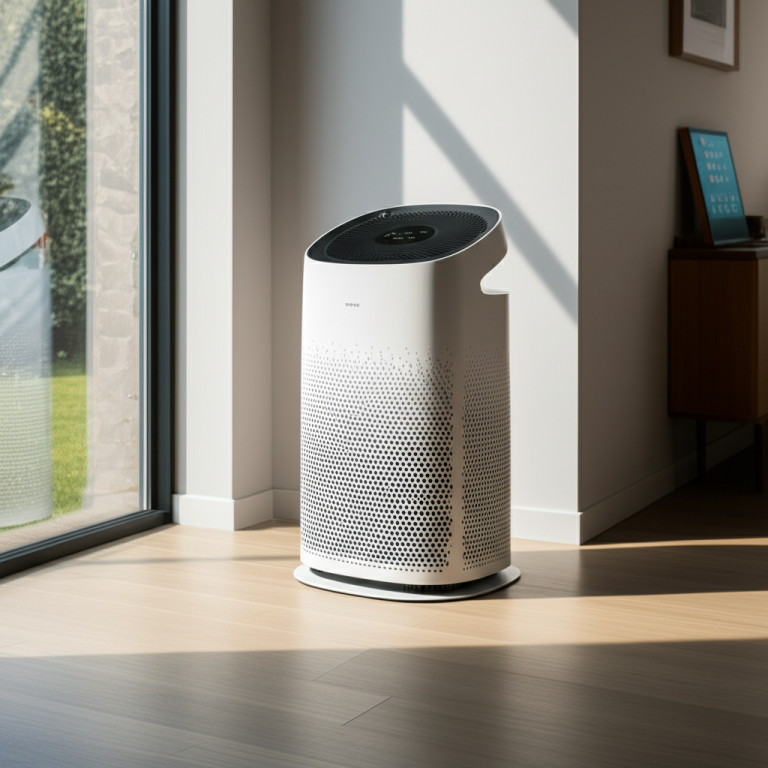
Do Air Purifiers Help With Pet Dander? Proven Relief

Do Air Purifiers Help With Pet Dander? Proven Relief for Allergy Sufferers
Yes, air purifiers are proven to significantly help with pet dander, offering tangible relief for allergy sufferers by capturing these microscopic allergens from your home’s air, creating a cleaner and healthier living environment.
Living with furry friends brings immense joy, but for many, it also means dealing with itchy eyes, sneezing, and respiratory discomfort caused by pet dander. This common allergen, shed by pets with fur or feathers, can linger in the air and on surfaces, making a comfortable home feel like a constant battle. If you’re wondering whether an air purifier can truly make a difference, you’re in the right place. I’m here to guide you through the science and the practical benefits, showing you how these devices offer proven relief and a breath of fresh air.
Understanding Pet Dander: The Tiny Culprit
Pet dander refers to microscopic flakes of skin shed by animals, along with proteins found in their saliva, urine, and dander. These allergens are incredibly small, often measuring less than 1/100th of an inch, allowing them to easily become airborne. Once in the air, they can circulate throughout your home for extended periods, triggering allergic reactions in sensitive individuals.
Even the most meticulous cleaning can struggle to eliminate these pervasive particles entirely. The constant shedding from your beloved pets means that dander is an ongoing presence in your living space. This is where the effectiveness of air purifiers truly shines, tackling the airborne aspect of this common allergen.
How Air Purifiers Combat Pet Dander
Air purifiers work by drawing in the air from a room, passing it through a series of filters, and then releasing cleaner air back into the environment. The key to their effectiveness against pet dander lies in the type of filters they employ, particularly HEPA filters. These filters are designed to capture at least 99.97% of airborne particles as small as 0.3 microns, which includes most pet dander.
By continuously circulating and filtering the air, an air purifier can significantly reduce the concentration of dander particles floating around your home. This reduction directly translates to fewer allergens in the air you breathe, providing much-needed relief for allergy sufferers. The process is akin to having an invisible cleaning crew constantly working to purify your indoor air.
The Science Behind HEPA Filters and Pet Dander
HEPA, which stands for High-Efficiency Particulate Air, is a standard set by the U.S. Department of Energy. To qualify as HEPA, a filter must remove at least 99.97% of airborne particles 0.3 micrometers (µm) in diameter. Pet dander particles typically range from 2.5 to 100 µm, making them well within the capture range of a true HEPA filter.
These filters use a dense mesh of fibers arranged randomly to trap particles through various mechanisms, including impaction, interception, and diffusion. This scientific design ensures that even the smallest dander particles are effectively removed from circulation. Many reputable sources, including the Asthma and Allergy Foundation of America, highlight HEPA filtration as a crucial tool for managing pet allergies.
Choosing the Right Air Purifier for Pet Dander
Not all air purifiers are created equal when it comes to tackling pet dander. Several factors are crucial for maximizing their effectiveness in a pet-friendly home. Look for units with True HEPA filters, as opposed to “HEPA-type” or “HEPA-like” filters, which may not meet the same rigorous standards.
Consider the CADR (Clean Air Delivery Rate) for smoke, dust, and pollen, which indicates how quickly the unit can filter these particles from the air. A higher CADR means faster purification. Also, pay attention to the room size the purifier is designed for; choose a unit that matches or slightly exceeds your room’s dimensions for optimal performance.
Here’s a quick comparison of key features to look for:
| Feature | Importance for Pet Dander | Notes |
| :————— | :———————— | :————————————————————————— |
| True HEPA Filter | Essential | Captures 99.97% of particles 0.3 microns and larger, including dander. |
| Activated Carbon Filter | Highly Recommended | Absorbs odors from pets, complementing dander removal. |
| Pre-filter | Beneficial | Captures larger particles like pet hair, extending the life of HEPA filter. |
| CADR Rating | Important | Higher ratings mean faster air cleaning for larger rooms. |
| Room Size Coverage | Crucial | Ensure the unit is rated for your specific room size or larger. |
Beyond HEPA: The Role of Activated Carbon and Pre-filters
While HEPA filters are the stars of the show for particle removal, other filter types play supporting roles in creating a dander-free environment. Activated carbon filters are excellent at absorbing odors, which can be a significant concern for pet owners. They work by trapping odor molecules, leaving your home smelling fresher.
Pre-filters are also valuable additions. These are typically washable filters placed before the HEPA filter to catch larger debris like pet hair and lint. This prevents the more expensive HEPA filter from becoming clogged too quickly, extending its lifespan and maintaining its efficiency.
Where to Place Your Air Purifier for Maximum Impact
The placement of your air purifier can significantly influence its effectiveness in capturing pet dander. Ideally, place the unit in the room where your pet spends the most time, or where you spend the most time when allergies are bothersome. This direct proximity ensures the air you’re breathing is being filtered most effectively.
Position the air purifier away from walls or furniture that might obstruct airflow. Allowing at least a foot of clearance on all sides ensures the unit can draw in air efficiently and circulate purified air throughout the space. For severe allergy sufferers, consider using multiple units in different rooms.
How Long Does It Take to See Relief?
The timeframe for experiencing relief from pet dander with an air purifier can vary. Immediately after turning on a well-chosen unit, you might notice a difference in air freshness due to odor reduction. However, significant reduction in airborne allergens like dander takes time and consistent operation.
For noticeable relief from allergy symptoms, it typically takes anywhere from a few days to a couple of weeks of continuous use. During this period, the air purifier will gradually capture a substantial amount of dander from the air, lowering your overall exposure. Consistency is key; running the purifier 24/7 will yield the best results.
Maintaining Your Air Purifier for Optimal Performance
To ensure your air purifier continues to effectively combat pet dander, regular maintenance is essential. This primarily involves cleaning or replacing the filters according to the manufacturer’s recommendations. Neglecting filter maintenance can severely impair the unit’s performance and even lead to reduced air quality.
Check your air purifier’s manual for specific instructions on filter replacement schedules and cleaning procedures. Most units will have indicator lights to remind you when it’s time for maintenance. A well-maintained air purifier is a long-term investment in your respiratory health and comfort.
Air Purifiers vs. Other Allergy Solutions
While air purifiers are highly effective for airborne allergens like pet dander, they are often part of a broader strategy for managing pet allergies. Other methods include frequent vacuuming with a HEPA-filter vacuum, washing pet bedding regularly, grooming your pet to reduce shedding, and regular cleaning of your home.
Medications, such as antihistamines, can also provide symptom relief. However, an air purifier addresses the root cause of airborne allergens by actively removing them from the environment. Many allergy experts recommend using air purifiers in conjunction with other management techniques for the most comprehensive approach.
Beyond Dander: Other Benefits of Air Purifiers
The benefits of using an air purifier extend beyond just pet dander. These devices are also effective at removing other common indoor air pollutants. This includes dust, pollen, mold spores, smoke particles, and even volatile organic compounds (VOCs) that can be emitted from household products.
By improving overall indoor air quality, air purifiers can contribute to better sleep, reduced headaches, and a generally healthier living environment for everyone in the household, not just those with pet allergies. This makes them a valuable addition to any home seeking to create a cleaner, more comfortable atmosphere.
Frequently Asked Questions About Air Purifiers and Pet Dander
Do air purifiers completely eliminate pet dander?
No, air purifiers significantly reduce airborne pet dander but cannot completely eliminate it. Dander is also present on surfaces, requiring other cleaning methods.
How often should I run my air purifier for pet dander?
For best results, run your air purifier continuously, 24/7, especially in rooms where pets and people spend the most time.
Can I turn off my air purifier at night?
While you can turn it off, running it overnight in bedrooms is highly recommended for allergy sufferers to ensure a dander-free sleeping environment.
How do I know if my air purifier is working for pet dander?
You’ll likely notice a reduction in allergy symptoms like sneezing and itchy eyes. Also, checking the HEPA filter periodically will show collected dander and dust.
Are air purifiers noisy?
Modern air purifiers vary in noise levels. Many have quiet modes or sleep settings that are barely audible, especially on lower fan speeds.
What is the difference between a HEPA filter and a standard filter?
A True HEPA filter captures 99.97% of particles 0.3 microns in size, whereas standard filters capture fewer and larger particles.
Conclusion: Breathe Easier with Cleaner Air
In conclusion, the answer to “do air purifiers help with pet dander?” is a resounding yes. By utilizing advanced filtration technology, particularly True HEPA filters, these devices are highly effective at capturing the microscopic allergens that cause so much discomfort for pet owners. They are a proven, proactive solution for reducing airborne dander and creating a healthier home environment.
Investing in a quality air purifier, maintaining it diligently, and placing it strategically can lead to significant relief from pet dander allergies. It’s a step towards enjoying your furry companions without the constant worry of sniffles and sneezes, allowing you to truly embrace the joys of pet ownership.