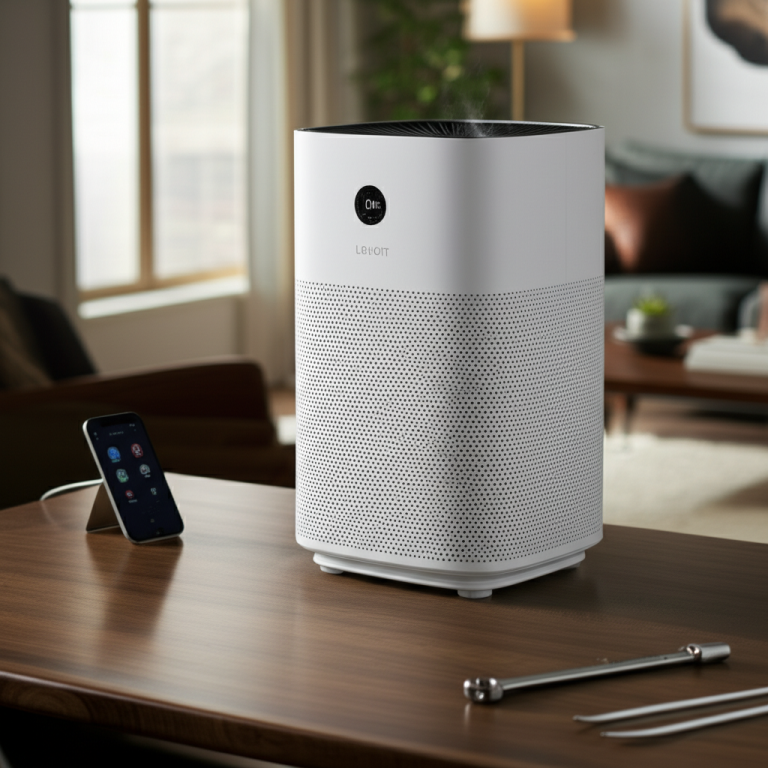
Do Air Purifiers Help With Animal Allergies: Essential Relief

Yes, air purifiers can significantly help with animal allergies by trapping airborne allergens like dander, saliva, and urine proteins, providing much-needed relief for sufferers.
Do Air Purifiers Help With Animal Allergies: Essential Relief
Living with beloved pets is a joy, but for many, it comes with the sniffles, sneezes, and itchy eyes of animal allergies. These common reactions are triggered by microscopic proteins found in pet dander, saliva, and urine, which easily become airborne. If you’re struggling to coexist with your furry friends due to allergies, you might be wondering: do air purifiers help with animal allergies? The answer is a resounding yes, offering a powerful tool to create a healthier home environment.
Understanding Pet Allergens and Their Impact
Pet allergens are tiny particles shed by animals with fur or feathers. These allergens, often too small to see, can linger in the air for months. They attach to dust particles and settle on furniture, carpets, and clothing, constantly re-entering the air with movement. This persistent presence makes managing pet allergies a daily challenge for millions.
The Science Behind Pet Allergies

When an allergic individual inhales pet allergens, their immune system mistakenly identifies these proteins as harmful invaders. This triggers the release of histamine and other chemicals, leading to common allergy symptoms like sneezing, runny nose, itchy eyes, and even asthma exacerbation. Understanding this immune response is key to appreciating how air purification can offer relief.
Common Triggers: More Than Just Dander
While pet dander is the most well-known allergen, it’s not the only culprit. Saliva, particularly from cats, contains proteins that are potent allergens. Urine proteins can also become airborne, especially from litter boxes or cages. These microscopic particles are what air purifiers are designed to capture, directly addressing the source of your discomfort.
How Air Purifiers Combat Pet Allergens
Air purifiers work by drawing in air, passing it through a series of filters, and releasing cleaner air back into the room. The effectiveness of an air purifier for pet allergies hinges on its filtration system, specifically its ability to capture the minuscule allergen particles. This process significantly reduces the concentration of allergens in your living space.
The Role of HEPA Filters
High-Efficiency Particulate Air (HEPA) filters are the gold standard for allergen removal. A true HEPA filter is certified to capture at least 99.97% of airborne particles as small as 0.3 microns. This includes pet dander, dust mites, pollen, and mold spores, making them indispensable for allergy sufferers.
Activated Carbon Filters for Odors and Gases
While HEPA filters tackle allergens, activated carbon filters address pet odors and volatile organic compounds (VOCs) that pets can contribute. These filters use adsorption to trap gas molecules, effectively neutralizing unpleasant smells and improving overall air quality. Many high-quality air purifiers combine HEPA and activated carbon for comprehensive cleaning.
Choosing the Right Air Purifier for Pet Allergies
Selecting an air purifier that effectively addresses pet allergies requires careful consideration of several factors. Not all purifiers are created equal, and some are far better suited for pet owners than others. A well-chosen unit can make a remarkable difference in your home’s air quality and your allergy symptoms.
Key Features to Look For
When shopping for an air purifier for pet allergies, prioritize models with true HEPA filters and substantial activated carbon filters. Look for a high CADR (Clean Air Delivery Rate) for the size of your room, indicating how quickly it can clean the air. Features like multiple fan speeds and a quiet mode for nighttime use are also beneficial.
Room Size and Placement Strategy
Ensure the air purifier is rated for the square footage of the room where it will be used most often, such as your bedroom or living area. Placing the unit in a central location, away from walls and furniture, allows for optimal air circulation. Consider using multiple units for larger homes or areas where pets spend significant time.
Do Air Purifiers Help With Animal Allergies: Evidence and Benefits
The positive impact of air purifiers on pet allergy symptoms is well-documented. By actively removing allergens from the air, these devices offer tangible relief, allowing allergy sufferers to enjoy their homes and pets more comfortably. The reduction in airborne allergens can lead to fewer allergy flare-ups and improved respiratory health.
Reduced Allergy Symptoms
Consistent use of an effective air purifier can lead to a noticeable decrease in sneezing, itching, watery eyes, and nasal congestion. Many users report waking up feeling more refreshed and experiencing fewer nighttime allergy symptoms. This improvement in daily comfort is a primary benefit for pet owners with allergies.
Improved Sleep Quality
Allergies can significantly disrupt sleep, leading to fatigue and reduced productivity. By clearing allergens from the bedroom air, air purifiers can promote deeper, more restful sleep. This benefit alone makes investing in an air purifier a worthwhile consideration for many allergy sufferers.
Healthier Home Environment
Beyond just allergy relief, air purifiers contribute to a generally healthier home environment. They can reduce the overall dust load in your home, making cleaning easier and less frequent. This creates a more pleasant and breathable atmosphere for everyone, including your pets.
Air Purifier Maintenance: Keeping Your Relief Working
To ensure your air purifier continues to provide essential relief from animal allergies, regular maintenance is crucial. Neglecting filter replacement or cleaning can diminish the unit’s effectiveness and even lead to secondary air quality issues. Following the manufacturer’s recommendations is key to maximizing performance.
Filter Replacement Schedule
HEPA and activated carbon filters have a limited lifespan and need to be replaced periodically. The frequency of replacement depends on the model, usage, and the level of pollutants in your environment, but typically ranges from 6 to 12 months. Some purifiers have indicator lights to remind you when it’s time for a change.
Cleaning Your Air Purifier
Beyond filter replacement, the exterior of your air purifier should be wiped down regularly to prevent dust buildup. The pre-filter, if your unit has one, can often be cleaned with a vacuum cleaner or a damp cloth, extending the life of the main filters. Always unplug the unit before cleaning.
Limitations and Considerations
While air purifiers are highly effective, it’s important to understand their limitations. They are a tool for managing allergies, not a cure, and should be used as part of a comprehensive allergy management plan. Other strategies are also vital for creating an allergen-free zone.
Air Purifiers vs. Other Allergy Solutions
Air purifiers work best when combined with other allergy-friendly practices. These include frequent vacuuming with a HEPA-filtered vacuum, regular pet grooming, washing pet bedding often, and designating pet-free zones in your home, especially the bedroom. Medical advice from an allergist is also paramount for severe allergies.
Not a Substitute for Veterinary Care
It’s important to remember that air purifiers are for human allergy relief and do not address underlying health issues your pet might have. If your pet is experiencing skin issues or discomfort, consulting a veterinarian is essential.
Top Air Purifiers for Pet Allergies (Examples)
While specific recommendations can change with new models, certain brands and types of air purifiers consistently perform well for pet owners. These often feature robust filtration systems and are designed for continuous operation.
| Brand/Model Example | Key Features for Pet Allergies | Best For |
|—|—|—|
| Coway Airmega 200M | True HEPA filter, activated carbon filter, coverage up to 361 sq ft | Medium to large rooms, effective odor control |
| Levoit Core 300S | True HEPA filter, compact design, smart features | Small to medium rooms, budget-friendly option |
| Blueair Blue Pure 211+ Auto | HEPASilent technology, large particle capture, simple operation | Large living spaces, ease of use |
Note: Always check the latest specifications and reviews for current models.
Expert Insights on Air Purification for Pet Allergies
Leading allergy organizations and medical professionals often recommend air purifiers as a valuable component of an allergy management strategy. Their ability to reduce airborne allergens is a key factor in their endorsement. Consulting with an allergist can provide personalized advice on the best approach for your specific situation.
What Allergists Say
Allergists frequently advise patients with pet allergies to use air purifiers with HEPA filters in key areas of their homes, especially bedrooms. This simple intervention can significantly improve symptom control and quality of life. For instance, the Asthma and Allergy Foundation of America (AAFA) provides guidance on air purifiers as part of a comprehensive allergy action plan.
The Impact on Asthma
For individuals with asthma triggered by pet allergens, air purifiers can be particularly beneficial. By removing allergens that can provoke asthma attacks, these devices contribute to better respiratory control and can reduce the need for rescue medications. This is a critical aspect of managing co-existing conditions.
Frequently Asked Questions About Air Purifiers and Pet Allergies
Here are answers to some common questions pet owners have about using air purifiers for allergy relief.
Can an air purifier eliminate all pet allergens?
While air purifiers significantly reduce airborne allergens, they cannot eliminate them entirely. Allergens also settle on surfaces, so regular cleaning is still necessary.
How often should I run my air purifier?
For maximum benefit, it’s recommended to run your air purifier continuously, especially in rooms where you spend the most time or where pets are present.
Are air purifiers noisy?
Many modern air purifiers are designed to be quiet, especially on lower fan settings. Look for models with a low decibel rating or a “sleep mode” for nighttime use.
Do air purifiers kill pet dander?
Air purifiers don’t “kill” dander; they capture it. The HEPA filter traps the dander particles from the air, preventing them from being inhaled.
Which is better for pet allergies: a whole-house system or a portable unit?
Both can be effective. Portable units are great for targeting specific rooms, while whole-house systems offer broader coverage but are a larger investment.
Do air purifiers help with shedding?
Air purifiers capture airborne dander and fur, but they do not reduce the amount of shedding from your pet. Regular grooming is still essential.
Conclusion: Breathing Easier with Air Purifiers
So, do air purifiers help with animal allergies? Absolutely. By strategically employing air purifiers with effective HEPA and activated carbon filters, you can dramatically reduce the presence of airborne pet allergens in your home. This leads to fewer allergy symptoms, improved sleep, and a healthier living environment for you and your family. Remember to choose a unit suited for your room size, maintain it diligently by replacing filters as recommended, and integrate its use with other allergy-management strategies. Taking these steps will allow you to enjoy the companionship of your pets without the constant burden of allergy symptoms, making your home a true sanctuary for both you and your furry friends.