Do Air Purifiers Harm Plants? Proven Safe Essential

Air purifiers are generally safe for plants and do not harm them. In fact, they can create a healthier environment by removing pollutants that might negatively affect plant growth. This guide explores how air purifiers work and why they pose no threat to your leafy companions.
For many plant lovers, the question of whether their trusty air purifier might be inadvertently harming their beloved greenery is a genuine concern. You’ve invested time and care into nurturing your plants, and the thought of a household appliance disrupting their delicate ecosystem is unsettling. Rest assured, in most scenarios, air purifiers are not only harmless but can even contribute to a healthier environment for your plants. Let’s delve into why this is the case and explore the science behind it, ensuring you can breathe easy, both for yourself and your plants.
Understanding How Air Purifiers Work
Air purifiers are designed to remove airborne particles and gases from indoor spaces. They typically use a fan to draw in air, which then passes through a series of filters. These filters capture pollutants like dust, pollen, pet dander, mold spores, and volatile organic compounds (VOCs). The clean air is then recirculated back into the room.
This process effectively cleans the air we breathe, but it’s important to understand that the filtration systems are not designed to extract anything vital from the air that plants require. The primary components plants need for photosynthesis are carbon dioxide, water, and sunlight. Air purifiers do not significantly alter the levels of these essential elements in a typical home environment.
The Essential Needs of Plants: CO2, Water, and Light
Plants primarily rely on carbon dioxide (CO2) for photosynthesis, the process by which they convert light energy into chemical energy. They absorb CO2 from the surrounding air through tiny pores on their leaves called stomata. Water is absorbed through their roots, and light energy is captured by chlorophyll in their leaves.
Standard air purifiers do not remove CO2 from the air in a way that would starve your plants. The concentration of CO2 in a typical home is usually abundant enough for plants to thrive. While some advanced air purification systems might include CO2 scrubbers for specific industrial or research applications, residential units are not equipped with such technology.
Do Air Purifiers Remove Essential Gases for Plants?
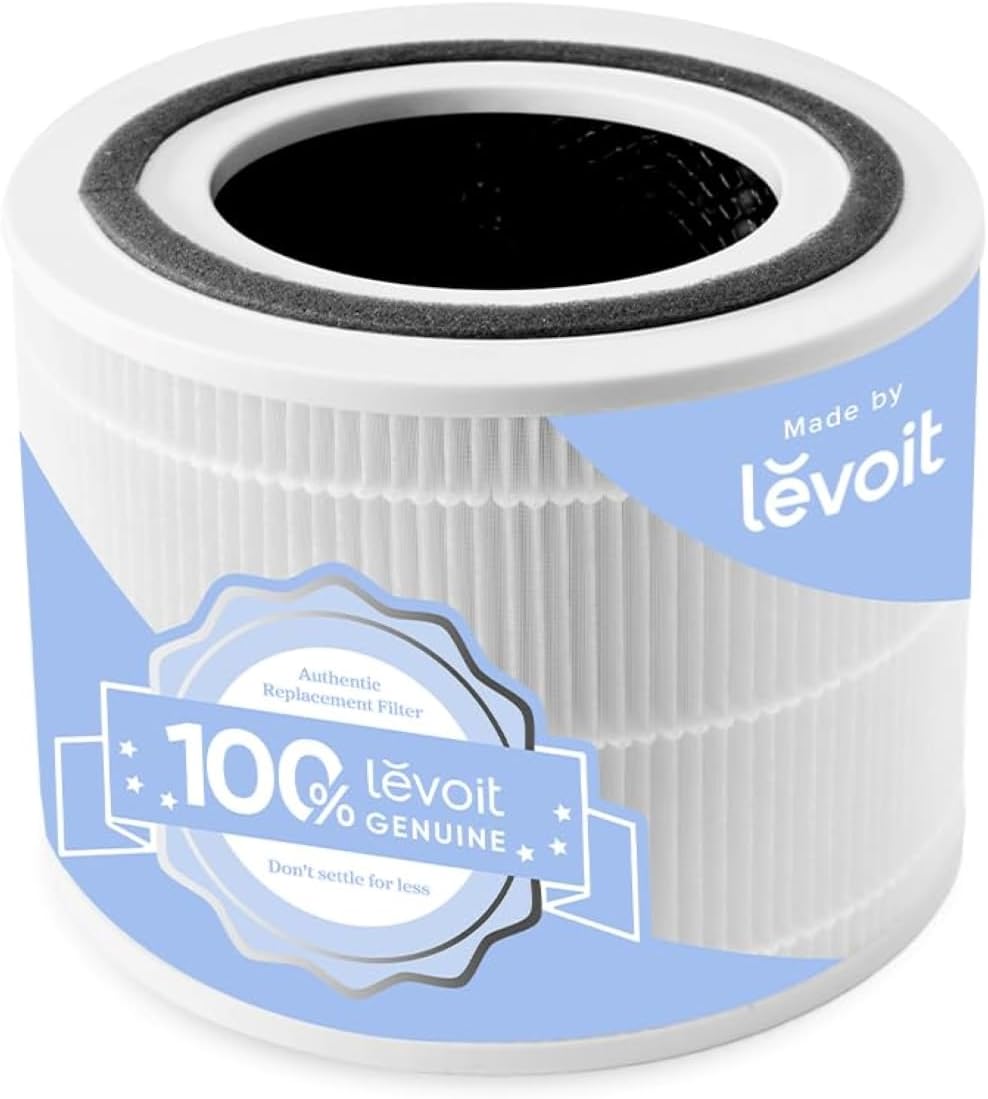
Residential air purifiers are not designed to remove gases that are essential for plant life. Their filtration mechanisms, such as HEPA filters and activated carbon filters, target specific pollutants. HEPA filters trap particulate matter, while activated carbon filters adsorb odors and VOCs.
Neither of these filter types will significantly deplete the ambient levels of oxygen or carbon dioxide that plants need. In fact, by removing harmful pollutants, air purifiers might indirectly benefit plants by creating a cleaner atmosphere. You can continue to enjoy the benefits of purified air without worrying about your plants.
Potential Indirect Benefits of Air Purifiers for Plants
While air purifiers don’t directly nourish plants, they can indirectly create a more favorable environment. By reducing airborne dust and allergens, they can prevent these particles from settling on plant leaves. A thick layer of dust can block sunlight and hinder photosynthesis, so cleaner leaves are beneficial.
Furthermore, by removing VOCs and other harmful chemicals, air purifiers can mitigate potential airborne toxins that could stress or damage sensitive plant species. This cleaner air can contribute to overall plant health and vigor.
The Role of Activated Carbon Filters
Activated carbon filters are a common component in many air purifiers. These filters are highly porous and have a large surface area, allowing them to adsorb a wide range of airborne chemicals and odors. This includes VOCs emitted from cleaning products, paints, and furniture.
While activated carbon is excellent at trapping these compounds, it does not adsorb significant amounts of the gases plants require. The amount of CO2 or oxygen that might be minimally affected by such filters is negligible in a typical room setting. Therefore, the presence of an activated carbon filter is not a threat to your plants.
HEPA Filters and Particulate Matter
High-Efficiency Particulate Air (HEPA) filters are designed to capture at least 99.97% of airborne particles 0.3 micrometers in size. This includes dust, pollen, mold spores, and pet dander. These filters work by physically trapping these particles as air passes through them.
Since plants do not rely on these microscopic particles for survival, HEPA filters pose no direct harm. In fact, by removing common allergens and irritants, they can contribute to a healthier living space for both humans and their botanical companions.
Are There Any Scenarios Where Air Purifiers Could Be an Issue?
While generally safe, there are a few niche scenarios where an air purifier’s operation might warrant consideration, though direct harm to plants is unlikely. For instance, if an air purifier is placed extremely close to a plant, the airflow might create a localized drying effect on the leaves. This is more a matter of air circulation than purification itself.
Another consideration could be the specific type of filter used. While standard filters are safe, some highly specialized industrial air purification systems might incorporate elements that could be detrimental if misused in a home setting. However, for typical residential air purifiers, these concerns are minimal to non-existent.
Placement and Airflow Considerations
Proper placement of your air purifier is key to maximizing its effectiveness and ensuring a harmonious environment for your plants. Avoid placing the unit directly next to a plant, especially if it has a strong fan setting. This direct airflow can cause leaves to dry out faster than usual, mimicking the effects of a draft.
Instead, position the air purifier a few feet away from your plants, allowing the purified air to circulate gently throughout the room. This ensures that your plants receive fresh, clean air without being subjected to excessive direct airflow.
Ozone-Producing Air Purifiers: A Potential Concern
Some older or less sophisticated air purifiers, particularly those using ionizers or UV-C light without proper filtration, can produce ozone as a byproduct. Ozone is a gas that, at high concentrations, can be harmful to both humans and plants. It can damage plant tissues, leading to leaf spotting, wilting, and reduced growth.
If you have a plant-sensitive individual or plants that are particularly delicate, it’s best to opt for air purifiers that are certified to be ozone-free or produce negligible amounts of ozone. Look for certifications like CARB (California Air Resources Board) compliance. Modern, reputable air purifiers are typically designed to minimize or eliminate ozone production.
Maintaining Optimal Air Quality for Plants and People
To ensure the best environment for both yourself and your plants, maintaining optimal air quality is essential. Regularly clean or replace your air purifier’s filters according to the manufacturer’s instructions. Clogged filters are less effective and can strain the unit’s motor.
Beyond air purification, remember the fundamental needs of your plants: appropriate watering, adequate sunlight, and suitable soil. A clean home environment, enhanced by an air purifier, complements these basic care requirements, fostering healthier growth.
FAQ: Do Air Purifiers Harm Plants?
Do air purifiers emit gases that hurt plants?
Reputable residential air purifiers, especially those with HEPA and activated carbon filters, do not emit harmful gases that negatively affect plants. Some older or ionizer-based models might produce ozone, which can be harmful, so it’s wise to choose ozone-free certified units.
Can the airflow from an air purifier damage plants?
Direct, strong airflow from an air purifier placed too close to a plant can cause localized drying of leaves. It’s recommended to place the unit a few feet away to allow for gentle air circulation rather than direct exposure.
Do air purifiers remove the CO2 that plants need?
No, standard home air purifiers do not remove significant amounts of carbon dioxide (CO2) from the air. Plants require CO2 for photosynthesis, and typical room levels are more than sufficient, unaffected by normal air purification processes.
Are air purifiers with activated carbon filters safe for plants?
Yes, activated carbon filters are safe for plants. They are designed to adsorb odors and VOCs, not essential gases like CO2 or oxygen.
Should I worry about HEPA filters harming my plants?
HEPA filters are designed to capture particulate matter like dust and pollen, which do not directly harm plants. They do not remove any elements plants need for survival.
What kind of air purifiers should I avoid for my plants?
You should be cautious of older air purifiers that heavily rely on ionizers or UV-C without proper ozone destruction mechanisms, as they might produce harmful ozone. Always look for ozone-free certifications.
Conclusion: Air Purifiers Are a Green Friend’s Ally
In conclusion, the question of do air purifiers harm plants can be definitively answered with a resounding no, provided you are using standard, modern residential units. These devices are engineered to enhance indoor air quality by removing pollutants that are detrimental to human health, and by extension, can create a cleaner, less stressful environment for your botanical companions. By understanding how air purifiers function and by ensuring proper placement, you can confidently integrate these beneficial appliances into your home, knowing they will not harm your beloved plants. Instead, they contribute to a healthier ecosystem where both you and your greenery can flourish.