Do Air Purifiers Go On The Floor? Essential Placement

Yes, air purifiers often go on the floor, but their ideal placement depends on several factors like room size, airflow, and your specific needs. This guide will help you find the perfect spot for optimal air purification.
There’s a common question many new air purifier owners ponder: “Do air purifiers go on the floor?” It seems simple, but where you place your purifier can significantly impact its effectiveness. You want to ensure you’re getting the most out of your investment, not just for aesthetics, but for cleaner, healthier air. Let’s demystify air purifier placement so you can breathe easier.
Air Purifier Placement: Why It Matters So Much
The placement of your air purifier is crucial for its performance and efficiency. A well-placed unit can effectively circulate and clean the air in a room, while a poorly placed one might struggle to do its job. Understanding the fundamentals ensures you maximize the benefits of your air purification system.
Understanding Airflow Dynamics and Placement
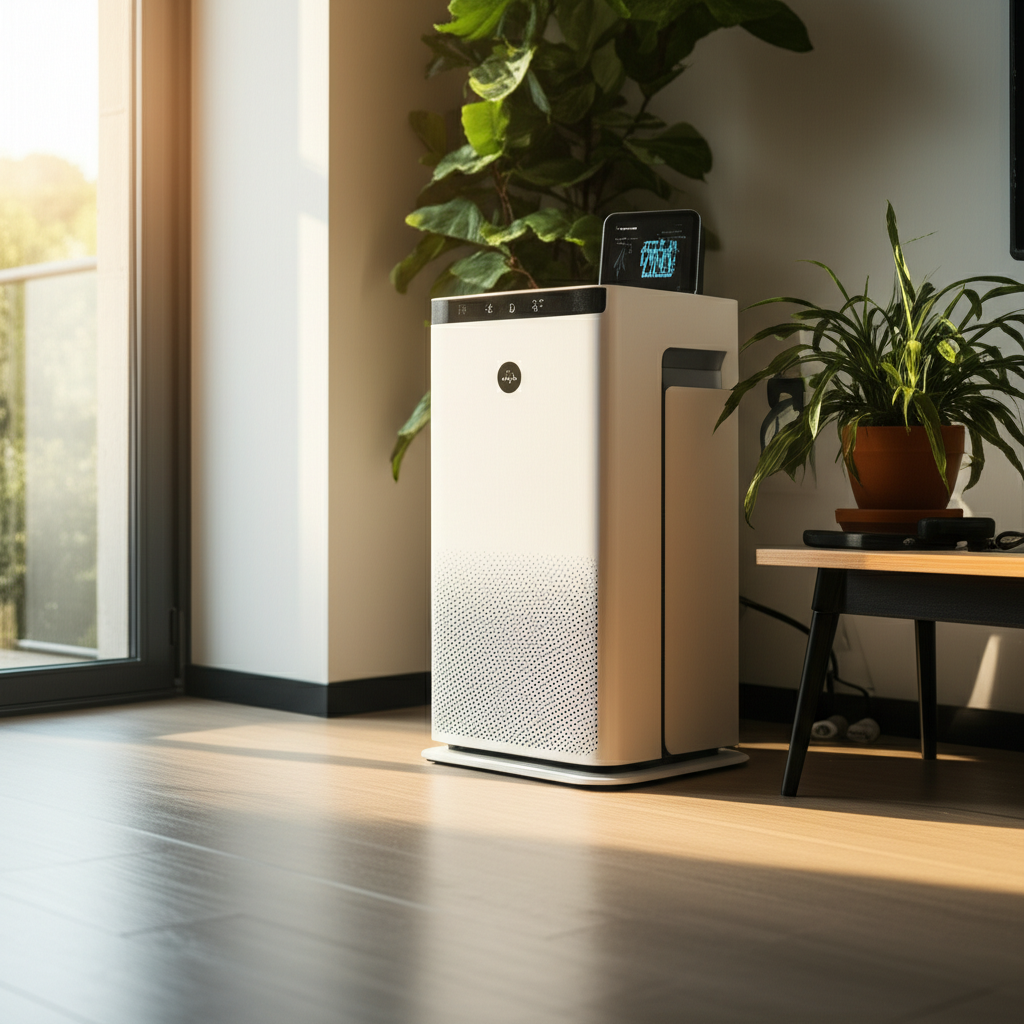
Air purifiers work by drawing in air, filtering it, and then releasing cleaner air back into the room. For this process to be most effective, the unit needs unobstructed airflow. Placing it in a location where air can easily enter and exit is paramount to achieving optimal purification.
The Case for Placing Air Purifiers on the Floor
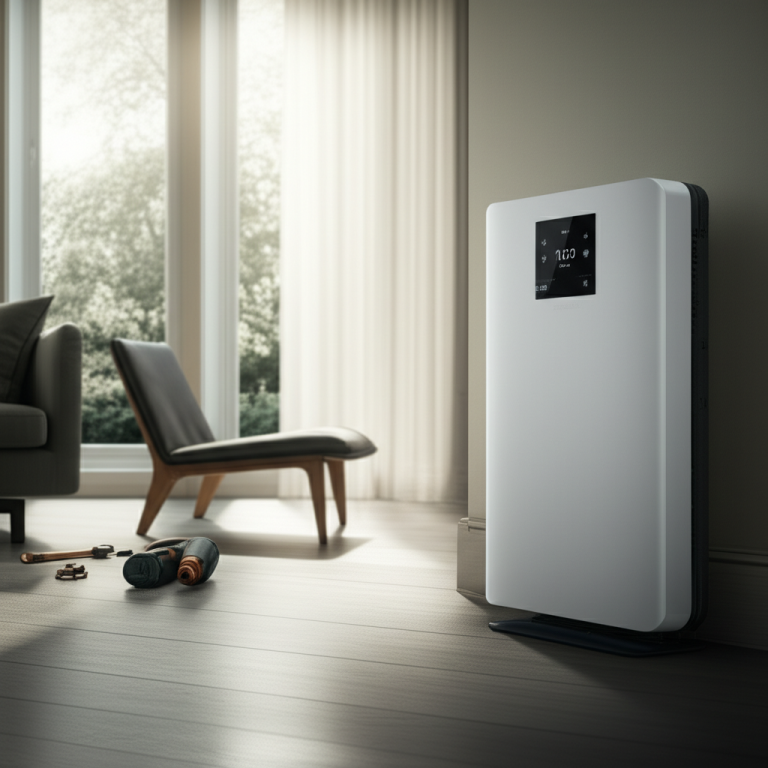
For many air purifiers, especially larger or mid-sized models, the floor is indeed the ideal placement. This allows them to draw in air from a wider area and prevents them from being too close to obstructions that could hinder their intake and output. Many units are designed with a low profile specifically for floor placement.
When to Elevate Your Air Purifier
While the floor is often best, there are situations where elevating your air purifier is beneficial. This might include situations where you have pets that could knock it over, or if you want to keep it out of reach of small children. It can also help in rooms with very high ceilings or where furniture significantly obstructs floor-level airflow.
Obstructions to Avoid for Optimal Airflow
Regardless of whether your air purifier is on the floor or elevated, avoiding obstructions is key. Walls, furniture, curtains, and even large plants can impede airflow, forcing the unit to work harder and less effectively. Aim for at least 1-2 feet of clear space around your air purifier.
Considering Room Size and Air Purifier Capacity
The size of your room and the Clean Air Delivery Rate (CADR) of your air purifier are critical factors. A small purifier in a large room, no matter where it’s placed, won’t be very effective. Conversely, an oversized unit in a small space might cycle air too quickly, not allowing for thorough filtration.
Strategic Placement for Different Room Types
Different rooms have unique airflow patterns and potential pollutant sources. In a bedroom, quiet operation and placement away from direct drafts are important. In a kitchen, placing it away from the immediate cooking zone but where it can capture cooking fumes is ideal.
Living Room Placement Strategies
In a living room, consider placing your air purifier near where people spend the most time, like near a sofa or armchair. This ensures the air you breathe most is being cleaned. Avoid placing it directly behind large furniture that blocks airflow.
Bedroom Placement Strategies
For bedrooms, prioritize quiet operation and place the unit where it won’t be a tripping hazard. Many people opt for a corner, ensuring there’s space around it for optimal circulation. It’s also wise to keep it a few feet away from your bed to avoid direct drafts.
Kitchen Placement Strategies
Kitchens are hotspots for airborne grease, odors, and particulate matter. Place your air purifier strategically to capture these pollutants. A good spot might be on a counter if it’s small and designed for it, or on the floor away from direct heat sources and splashes, but close enough to capture cooking fumes.
Home Office Placement Strategies
In a home office, placement near your desk can be beneficial, ensuring you breathe cleaner air while working. Ensure it doesn’t create a distracting noise or airflow directly on you. Placing it on a small stand or shelf can sometimes be more effective than on the floor if desk clutter is an issue.
The Impact of Air Purifier Design on Placement
Not all air purifiers are created equal, and their design dictates placement. Tower purifiers often have 360-degree intake, making them versatile. Others have front intake and top exhaust, requiring specific clearance. Always refer to your manufacturer’s guidelines.
Can Air Purifiers Be Placed on Furniture?
Placing an air purifier on furniture can be an option, but it requires careful consideration. Ensure the furniture is sturdy enough to support the weight and that there is adequate clearance around the unit for proper airflow. Avoid placing it on soft surfaces like ottomans or plush chairs, as this can block the intake.
Understanding Air Intake and Exhaust
Air purifiers draw air in through an intake vent and expel purified air through an exhaust. For maximum efficiency, both of these must be unobstructed. Placing a unit against a wall or too close to other objects will restrict this critical process.
How to Test Your Air Purifier’s Placement
A simple test can help you determine if your air purifier is optimally placed. Turn it on a medium setting and feel the airflow around the unit. You should feel air being drawn in from the sides or bottom and expelled from the top or front. If the airflow feels weak or restricted, adjust the placement.
Common Air Purifier Placement Mistakes to Avoid
Many people make simple mistakes when placing their air purifiers that can hinder their effectiveness. Being aware of these common pitfalls can save you frustration and ensure you’re getting the best possible air quality.
Mistake 1: Blocking the Airflow
This is the most common error. Pushing an air purifier into a corner, behind furniture, or under a desk without adequate space is detrimental. Always ensure at least 12-24 inches of clear space around the unit for optimal air intake and circulation.
Mistake 2: Placing Near Heat Sources or Humidity
Avoid placing your air purifier directly next to radiators, heaters, or in very humid areas like steamy bathrooms (unless specifically designed for such environments). Heat can affect the unit’s performance, and excessive humidity can damage the filters and internal components.
Mistake 3: Ignoring Manufacturer Instructions
Every air purifier model comes with specific placement recommendations from the manufacturer. These are based on the unit’s design and airflow capabilities. Always consult your user manual for the most accurate guidance tailored to your specific model.
Mistake 4: Placing Too Far Away From Pollutant Sources
While you don’t want to place it directly in a high-traffic area that could be a tripping hazard, placing it too far from where you spend most of your time or where pollutants are generated can reduce its immediate impact.
Mistake 5: Using it in a Closed-Off Space
Air purifiers work best when they can circulate air within a room. If a room is entirely sealed off with no ventilation, the purifier will struggle to draw in enough air to effectively clean. It’s always good practice to have some minimal air exchange.
Air Purifier Placement Checklist
To ensure you’ve found the perfect spot for your air purifier, use this quick checklist:
Clearance: Is there at least 1-2 feet of clear space around the unit?
Airflow: Can air freely enter and exit the purifier?
Obstructions: Is it away from walls, furniture, curtains, and large plants?
Room Type: Is the placement suitable for the specific room’s function?
Manufacturer Guidelines: Have you followed the advice in the user manual?
Safety: Is it in a stable location, away from potential hazards like heat sources or water?
* Noise: Is the placement conducive to a peaceful environment, especially in bedrooms?
Frequently Asked Questions About Air Purifier Placement
Do air purifiers need to be in the center of the room?
Not necessarily in the exact center, but placing your air purifier in a more open area of the room, away from walls and furniture, allows for better air circulation. This helps it capture pollutants from a wider area.
Can I place an air purifier in a closet?
It’s generally not recommended to place an air purifier in a closet. Closets typically lack proper ventilation, and the enclosed space can restrict airflow, making the unit work inefficiently and potentially overheat.
What is the best placement for an air purifier in a bedroom?
In a bedroom, place your air purifier on the floor or a stable surface, at least a few feet from your bed and out of direct paths of airflow. This ensures it operates quietly and effectively without disturbing your sleep.
How close should an air purifier be to a wall?
Aim for at least 12 to 24 inches of clearance between your air purifier and any wall or large furniture. This allows for unobstructed air intake and exhaust, maximizing the unit’s performance.
Can I put an air purifier on a rug?
Yes, you can place an air purifier on a rug, but ensure the rug is not too thick or shaggy, as this could potentially block the intake vents. It’s best to place it on a firmer surface or ensure the unit’s design allows for airflow even on carpet.
What is the ideal height for an air purifier?
For most standard air purifiers designed for floor placement, keeping them at floor level is ideal. Some units are designed for tabletop or shelf placement, so always refer to your specific model’s instructions.
Conclusion: Finding the Perfect Spot for Your Air Purifier
So, do air purifiers go on the floor? In most cases, yes, the floor is an excellent and often recommended placement for your air purifier. By understanding airflow dynamics, avoiding common obstructions, and considering the specific needs of each room, you can ensure your air purifier works at its peak efficiency. Remember to always consult your manufacturer’s guidelines for the best results. With the right placement, you’ll be well on your way to enjoying cleaner, fresher air in your home.