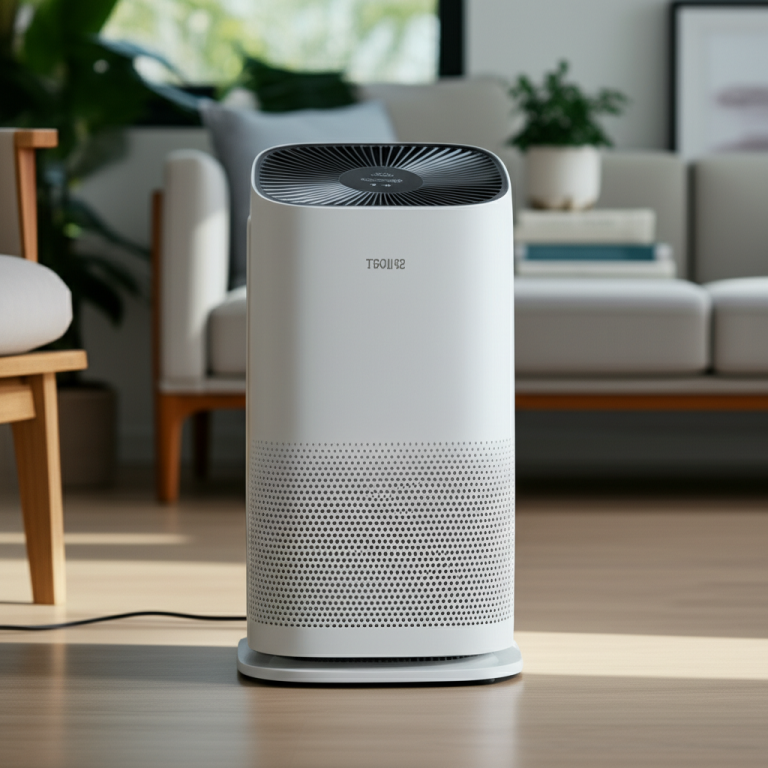
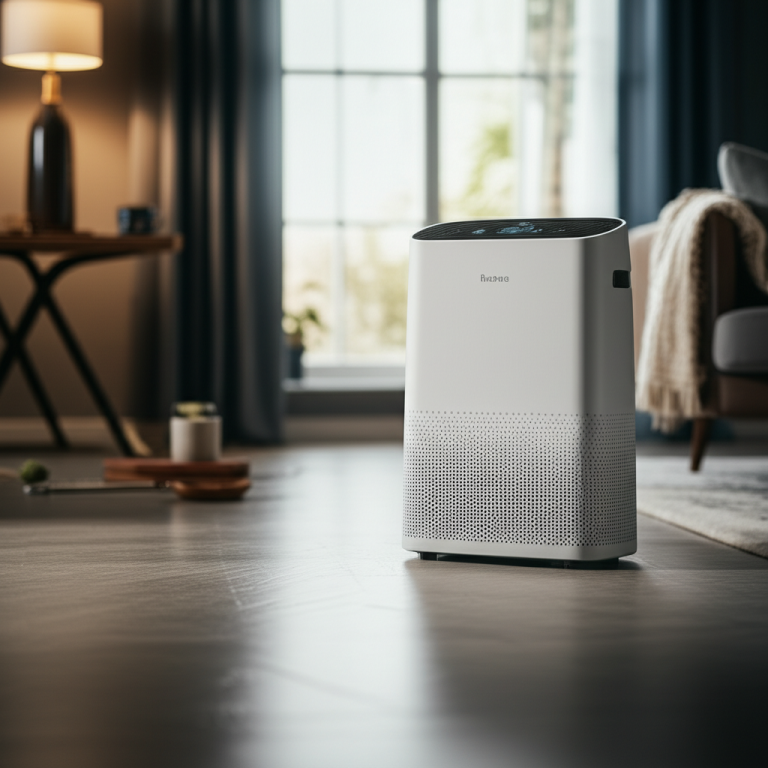
Do Air Purifier Remove Smells: Essential Guide

Yes, air purifiers can effectively remove smells, especially those equipped with activated carbon filters, which are designed to trap odor molecules. The effectiveness depends on the type of filter and the intensity of the odor source.
The lingering scent of last night’s dinner, pet odors, or that musty smell in the basement – these are common household nuisances that can make your living space feel less inviting. You might be wondering if an air purifier, often touted for allergy relief, can tackle these persistent odors. The good news is, they absolutely can, but understanding how they work is key to achieving truly fresh air. This guide will demystify the process and help you find the right solution for your smelly situations.
How Air Purifiers Combat Odors
Air purifiers work by drawing in air, passing it through a series of filters, and releasing cleaner air back into the room. Different filters target different types of airborne particles, and specific filters are crucial for odor removal. The most common and effective filter for smells is the activated carbon filter, a powerhouse for trapping odor-causing molecules.
The Science Behind Odor Removal in Air Purifiers

Odors are essentially tiny particles, often volatile organic compounds (VOCs) or gases, that our noses detect. Activated carbon, with its incredibly porous surface area, acts like a sponge, adsorbing these odor molecules onto its surface. This process effectively captures and neutralizes smells, rather than just masking them.
Activated Carbon Filters: The Odor Eliminators
Activated carbon filters are the undisputed champions when it comes to tackling smells. These filters are made from materials like charcoal that have been treated to be extremely porous. This vast network of tiny pores provides an enormous surface area, allowing it to effectively trap a wide range of odor molecules, from smoke and cooking fumes to pet dander and chemical off-gassing.
The Adsorption Process Explained
Adsorption is the key mechanism here, distinct from absorption. Adsorption is a surface phenomenon where molecules adhere to the surface of the adsorbent material (the activated carbon). Think of it like tiny magnets on the carbon’s surface attracting and holding onto the odor particles. This is why the amount and quality of activated carbon in an air purifier are critical factors in its odor-fighting capabilities.
Beyond Carbon: Other Filter Types and Their Role
While activated carbon is the star for odor removal, other filters in an air purifier play supporting roles. HEPA filters, for example, capture fine particles that can sometimes carry odors, such as pet dander or mold spores. Pre-filters catch larger debris, preventing them from clogging the more sensitive filters and indirectly helping to maintain overall air quality and odor control efficiency.
HEPA Filters and Odor Molecules
High-efficiency particulate air (HEPA) filters are designed to capture at least 99.97% of airborne particles 0.3 microns in size. While they primarily target allergens and dust, some smaller odor-causing particles can also be trapped. However, HEPA filters alone are not sufficient for significant odor elimination; they work best in conjunction with an activated carbon filter.
Pre-Filters: The First Line of Defense
A washable pre-filter is usually the first stage of filtration. It captures larger particles like hair, lint, and dust bunnies. By removing these, it protects the more advanced filters (HEPA and carbon) from premature clogging, ensuring they can perform their primary functions of particle and odor removal for longer.
When Do Air Purifiers Excel at Removing Smells?
Air purifiers are most effective at removing common household odors when they are equipped with a substantial amount of activated carbon. The type and source of the smell also play a role. For instance, they are excellent for persistent, low-level odors but may struggle with sudden, intense bursts of strong smells without immediate intervention.
Types of Smells Air Purifiers Can Tackle
Air purifiers with activated carbon filters are highly effective against a wide array of common household odors. This includes cooking smells (fish, curry, burnt food), pet odors (urine, dander, “wet dog”), smoke (cigarette, fireplace, wildfire), musty or moldy smells, and even VOCs released from new furniture, paint, or cleaning products.
Cooking Odors: From Garlic to Grilling
The aroma of cooking is often a welcome part of home life, but strong or lingering scents can be a nuisance. Air purifiers with robust activated carbon filters can efficiently capture the volatile compounds responsible for these smells, preventing them from permeating your home. For best results, run the purifier while cooking and for some time afterward.
Pet Odors: Keeping Your Home Fresh
Pet owners often struggle with persistent odors from litter boxes, bedding, or accidents. Air purifiers are a fantastic tool for managing these smells. The activated carbon traps odor molecules from pet dander and waste, while HEPA filters capture the dander itself, leading to a fresher-smelling environment for everyone.
Smoke and Fireplace Smells
Lingering smoke odors, whether from cigarettes, fireplaces, or even wildfire smoke that drifts indoors, can be particularly stubborn. A high-quality air purifier with a substantial activated carbon filter is crucial for adsorbing these pungent smoke particles and gases, significantly reducing their presence in your air.
Musty and Mildew Smells
Musty or mildewy smells often indicate hidden moisture issues and potential mold growth. While an air purifier can help reduce the smell, it’s crucial to address the underlying moisture problem. The activated carbon will adsorb the odor compounds, but eliminating the source is vital for long-term air quality.
Factors Influencing Odor Removal Effectiveness
Several factors determine how well an air purifier removes smells. The amount and quality of activated carbon in the filter are paramount. The size of the room relative to the air purifier’s coverage area (CADR rating) is also important, as is how frequently the filters are replaced.
The Role of Activated Carbon Volume
Not all activated carbon filters are created equal. The more activated carbon an air purifier contains, the greater its capacity to adsorb odor molecules. Thin, passive carbon sheets might offer minimal odor reduction, whereas thick, granular carbon beds provide much more effective and longer-lasting odor control.
Coverage Area and Air Changes Per Hour (ACH)
An air purifier’s effectiveness is also tied to its ability to circulate and clean the air in a given space. Look for the Clean Air Delivery Rate (CADR) for smoke, dust, and pollen, which indicates how quickly it cleans the air. A higher CADR and a suitable room size rating mean more air is processed, leading to faster odor removal. Aim for a unit that can achieve at least 4-5 air changes per hour (ACH) in your room.
Filter Lifespan and Replacement Schedule
Activated carbon filters have a finite lifespan. Once their adsorption capacity is reached, they can no longer trap odors and may even release previously trapped molecules. Regularly checking your air purifier’s manual for recommended filter replacement schedules is essential for maintaining effective odor removal.
Choosing the Right Air Purifier for Smells
When selecting an air purifier specifically for odor removal, prioritize models with substantial activated carbon filters. Consider the size of the space you need to cover and look for features that enhance convenience and performance, such as multiple fan speeds and filter replacement indicators.
Key Features to Look For
Substantial Activated Carbon Filter: This is non-negotiable for effective odor removal. Look for descriptions mentioning “granular activated carbon” or a significant weight of carbon.
High CADR for Smoke: While not a direct measure of odor removal, a high smoke CADR often correlates with better odor-fighting capabilities due to the nature of smoke particles.
Appropriate Room Size Coverage: Ensure the air purifier is rated for the square footage of the room where odors are most prevalent.
Filter Replacement Indicator: This takes the guesswork out of knowing when to change your filters, ensuring consistent performance.
* Multiple Fan Speeds: Allows you to increase the cleaning power when odors are strong and reduce noise when they are not.
Comparing Different Air Purifier Models
When comparing models, pay close attention to the specifications regarding the activated carbon filter. Some manufacturers are more transparent about the amount of carbon used than others. Reading reviews from users who have purchased the purifier for odor-related issues can also provide valuable insights into real-world performance.
Here’s a comparative look at common filter types for odor control:
| Filter Type | Primary Function | Effectiveness Against Smells | Notes |
| :—————– | :——————————– | :————————— | :——————————————————————- |
| Activated Carbon | Adsorbs gases and VOCs | Excellent | Crucial for odor removal; amount and quality matter significantly. |
| HEPA Filter | Captures fine particulate matter | Moderate | Traps particles that may carry odors but doesn’t neutralize gases. |
| Pre-Filter | Captures large particles (hair, dust) | Minimal | Protects other filters; indirectly aids odor control by maintaining efficiency. |
| Ionizer/Ozone | Releases ions to charge particles | Varies; potential concerns | Can help neutralize some odors but may produce ozone, a lung irritant. |
Popular Brands and Their Odor-Fighting Options
Many reputable brands offer air purifiers with effective odor control. Coway, Levoit, Winix, and Blueair are frequently cited for their performance in this area. For example, Levoit’s Core series often features large activated carbon filters, and Coway’s Airmega line is known for its multi-stage filtration systems that include substantial carbon. Always check the specific model’s filter specifications.
When Air Purifiers Might Not Be Enough
While air purifiers are powerful tools, they are not magic bullets for every odor problem. In cases of severe mold infestations, persistent strong chemical odors, or issues stemming from poor ventilation, an air purifier might only offer partial relief. Addressing the root cause is always the most effective long-term solution.
Addressing the Source of the Odor
The most effective way to eliminate smells is to remove their source. This could mean cleaning up pet accidents immediately, thoroughly cleaning a refrigerator, addressing leaks causing mold, or improving ventilation in areas prone to stale air. An air purifier can then help remove any residual odors.
The Importance of Ventilation
Proper ventilation is crucial for maintaining fresh indoor air quality. Opening windows and doors regularly allows stale, odor-filled air to escape and be replaced by fresh outdoor air. Air purifiers supplement ventilation by continuously cleaning the air, but they cannot replace the need for fresh air exchange.
When to Consider Professional Help
For significant issues like extensive mold growth, sewage backups, or strong, unidentified chemical smells, it’s best to consult professionals. Remediation specialists can safely address the source of the problem, ensuring your home is truly odor-free and safe. An air purifier can be used during and after professional cleaning to capture remaining airborne contaminants.
Maintenance for Optimal Odor Removal
To ensure your air purifier continues to effectively remove smells, regular maintenance is essential. This primarily involves cleaning pre-filters and replacing the main HEPA and activated carbon filters according to the manufacturer’s recommendations. Neglecting this can significantly reduce performance.
Regular Filter Cleaning and Replacement
Most air purifiers have a washable pre-filter that should be cleaned every few weeks. The HEPA and activated carbon filters typically need replacement every 6-12 months, depending on usage and air quality. Check your user manual for specific instructions and recommended replacement intervals.
Cleaning the Pre-Filter
The pre-filter is usually accessible by opening the back or side panel of the air purifier. Gently vacuuming it or washing it with mild soap and water (ensuring it’s completely dry before reinserting) will help extend the life of the other filters. This simple step can greatly improve overall air purification efficiency.
Replacing HEPA and Carbon Filters
When it’s time to replace the HEPA and activated carbon filters, follow the manufacturer’s instructions carefully. Using genuine replacement filters is generally recommended to ensure the best fit and performance. Many air purifiers have a filter replacement indicator light to remind you.
Cleaning the Air Purifier Unit
Beyond the filters, periodically wipe down the exterior of the air purifier with a damp cloth to remove dust. Ensure the air intake and outlet vents are also kept clear of obstructions to allow for optimal airflow. Never use harsh chemicals or abrasive cleaners on the unit.
Frequently Asked Questions (FAQs)
Can an air purifier remove the smell of smoke?
Yes, air purifiers with activated carbon filters are very effective at removing smoke odors from cigarettes, fireplaces, and even wildfire smoke. The carbon adsorbs the odor molecules, significantly freshening the air.
How long does it take for an air purifier to remove smells?
The time it takes varies depending on the intensity of the smell, the air purifier’s capacity, and room size. For mild odors, you might notice a difference within hours, while strong or persistent smells may take a day or more of continuous operation.
Will an air purifier remove pet odors?
Absolutely. Air purifiers equipped with activated carbon filters are excellent at neutralizing common pet odors, such as those from litter boxes or pet bedding. The HEPA filter also captures dander, which can contribute to smells.
Do I need a special air purifier for odors?
While any air purifier with a HEPA filter will capture some odor-causing particles, for effective odor removal, you specifically need a model with a substantial activated carbon filter. Look for units that emphasize odor control.
Can air purifiers remove cooking smells?
Yes, air purifiers are effective at removing a wide range of cooking smells, from strong spices to burnt food. Running the purifier while cooking and for a period afterward will yield the best results.
How often should I replace the carbon filter for odor removal?
Carbon filters typically need replacement every 6 to 12 months, depending on the manufacturer’s recommendations and the amount of odor they are treating. Heavily odor-prone environments may require more frequent replacements.
Will an air purifier remove all smells completely?
Air purifiers significantly reduce and remove many common household smells. However, extremely strong or pervasive odors, or those stemming from a severe underlying issue (like extensive mold), may require addressing the source or professional intervention for complete elimination.
Conclusion
In conclusion, air purifiers are indeed highly effective at removing a wide variety of household smells, provided they are equipped with the right technology – primarily a robust activated carbon filter. By understanding how these filters work and choosing a unit with sufficient carbon capacity for your space, you can significantly improve your home’s air quality and enjoy a fresher, more pleasant living environment. Regular maintenance, including timely filter replacements, is key to ensuring your air purifier continues its vital work of eliminating unwanted odors. Don’t let lingering smells detract from your home; invest in an air purifier and breathe easier.