Do Air Purifier Remove Mold Spores: Proven Essential

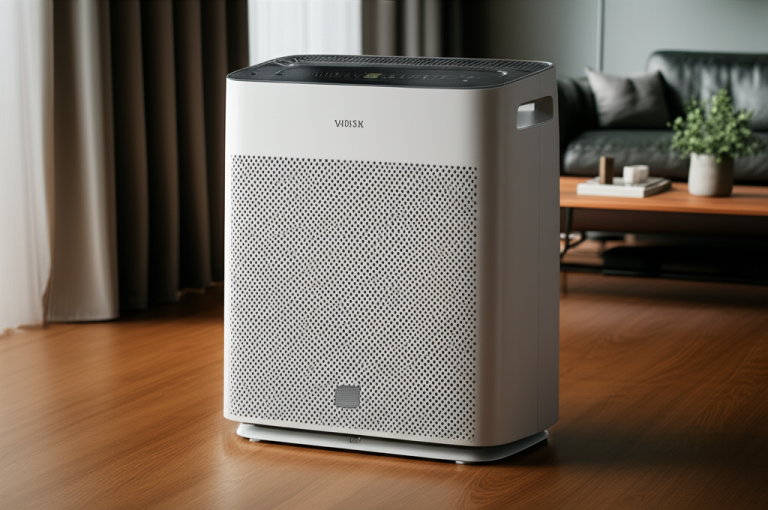
Yes, air purifiers can effectively remove mold spores from your home, especially those equipped with HEPA filters, making them an essential tool for improving indoor air quality and preventing mold-related health issues.
Do Air Purifiers Really Remove Mold Spores? Your Essential Guide
Dealing with mold in your home can be a persistent and concerning issue, impacting your health and comfort. You might be wondering if your air purifier can help tackle those invisible mold spores floating around. The good news is, with the right type of air purifier, you can significantly reduce mold spore concentration in your living spaces. This guide will walk you through exactly how air purifiers work against mold and what to look for to ensure you’re getting the best protection.
Understanding Mold Spores and Indoor Air Quality
Mold spores are microscopic particles that mold organisms release into the air to reproduce. They are naturally present both indoors and outdoors, but when they find a damp environment, they can multiply rapidly. High concentrations of mold spores in your home can trigger allergies, asthma, and other respiratory problems. This makes managing indoor air quality crucial for a healthy living environment.
How Air Purifiers Combat Mold Spores
Air purifiers work by drawing in the air from your room, passing it through a series of filters, and then releasing cleaner air back into the environment. The effectiveness of an air purifier against mold spores depends heavily on the type of filter it uses. Not all air purifiers are created equal when it comes to capturing these tiny, problematic particles.
The Crucial Role of HEPA Filters
High-Efficiency Particulate Air (HEPA) filters are the gold standard for capturing airborne particles, including mold spores. A true HEPA filter is designed to trap at least 99.97% of airborne particles as small as 0.3 microns. Since most mold spores are larger than this, HEPA filters are highly effective at removing them from the air.
Beyond HEPA: Other Filter Types
While HEPA filters are essential, some air purifiers incorporate other filter types that can further enhance mold spore removal. Activated carbon filters, for instance, are excellent at absorbing odors associated with mold. Pre-filters can capture larger particles, extending the life of the HEPA filter and improving overall performance.
Do Air Purifiers Prevent Mold Growth?
It’s important to understand that air purifiers do not prevent mold from growing. Mold needs moisture to thrive. Air purifiers primarily work by capturing and removing mold spores that are already airborne. To truly combat mold, you must address the underlying moisture problem that allows it to grow in the first place.
Choosing the Right Air Purifier for Mold Spores
When selecting an air purifier to combat mold spores, look for units with a true HEPA filter. Consider the Clean Air Delivery Rate (CADR) to ensure the purifier is appropriately sized for your room. Also, check for features like an activated carbon filter to tackle any associated odors.
Placement and Maintenance for Maximum Effectiveness
Proper placement of your air purifier is key to maximizing its effectiveness. Place it in areas where mold is a recurring issue or where air circulation is poor. Regular maintenance, including cleaning or replacing filters as recommended by the manufacturer, is vital to ensure your air purifier continues to capture mold spores efficiently.
Air Purifiers vs. Other Mold Remediation Methods
Air purifiers are a complementary tool in mold management, not a sole solution. While they excel at removing airborne spores, they don’t address the source of mold growth. Traditional methods like cleaning visible mold with appropriate solutions and fixing leaks are essential for complete mold remediation.
Benefits of Using Air Purifiers for Mold Allergies
For individuals sensitive to mold, air purifiers offer significant relief. By reducing the concentration of airborne mold spores, they can help alleviate allergy symptoms such as sneezing, coughing, itchy eyes, and respiratory irritation. This leads to a more comfortable and healthier indoor environment for allergy sufferers.
Limitations of Air Purifiers in Mold Control
While effective for airborne spores, air purifiers cannot remove mold that has already established itself on surfaces. They also cannot address the root cause of mold growth, which is excess moisture. Therefore, they should always be used in conjunction with other mold prevention and remediation strategies.
Frequently Asked Questions About Air Purifiers and Mold Spores
Can an air purifier remove mold from my walls?
No, air purifiers are designed to clean the air and cannot remove mold that has already grown on surfaces like walls. You’ll need to clean visible mold directly.
What is the best type of filter for removing mold spores?
A true HEPA filter is the most effective type of filter for capturing mold spores, as it can trap at least 99.97% of particles 0.3 microns in size.
How often should I run my air purifier for mold?
For optimal results, it’s recommended to run your air purifier continuously, especially in rooms prone to mold or where mold has been an issue.
Will an air purifier get rid of the musty smell of mold?
While HEPA filters capture spores, an activated carbon filter within the same unit is best for absorbing and neutralizing mold odors.
Are ozone-generating air purifiers safe for mold removal?
It’s generally advised to avoid ozone-generating air purifiers, as ozone can be a lung irritant and may not effectively remove mold while posing health risks.
Do air purifiers help with mold in bathrooms?
Yes, air purifiers with HEPA filters can help reduce airborne mold spores in bathrooms, but they must be used alongside proper ventilation and moisture control.
Conclusion: A Vital Tool for Cleaner Air
In conclusion, the answer to “do air purifiers remove mold spores” is a resounding yes, provided you choose the right one. An air purifier equipped with a true HEPA filter is an essential component of a healthy home environment, particularly for those concerned about mold. While they won’t eliminate the source of mold growth, they play a crucial role in capturing airborne spores, thereby improving indoor air quality and alleviating symptoms for mold-sensitive individuals. By understanding their capabilities and limitations, and by combining their use with diligent moisture control and cleaning, you can effectively manage mold spores and breathe easier.