
Do Air Purifier Prevent Dust? Essential Guide

Yes, air purifiers can significantly help prevent dust from accumulating in your home by capturing airborne particles, including dust, pollen, pet dander, and mold spores. While they won’t eliminate all dust, they dramatically reduce the amount that settles on surfaces, leading to a cleaner living environment.
Have you ever noticed how quickly dust settles on your furniture, even after you’ve just cleaned? It’s a common frustration that can make maintaining a clean home feel like an endless battle. You might be wondering if there’s a more effective way to combat this persistent problem. This guide will demystify how air purifiers work and explore their effectiveness in preventing dust, offering you a clear path to a cleaner, healthier home. We’ll break down everything you need to know, from how they capture dust to what to look for when choosing the right one.
How Air Purifiers Tackle Dust
Air purifiers actively work to reduce dust by drawing in the air from your room and passing it through a filtration system. These filters are designed to trap microscopic particles, including dust, that are floating in the air. By continuously cleaning the air, they prevent a significant portion of dust from ever landing on your surfaces.
This process means that even the fine dust particles you can’t see are being captured, leading to a noticeable reduction in the dust layer that typically accumulates. It’s a proactive approach to keeping your home cleaner between deep cleaning sessions.
The Role of HEPA Filters in Dust Capture
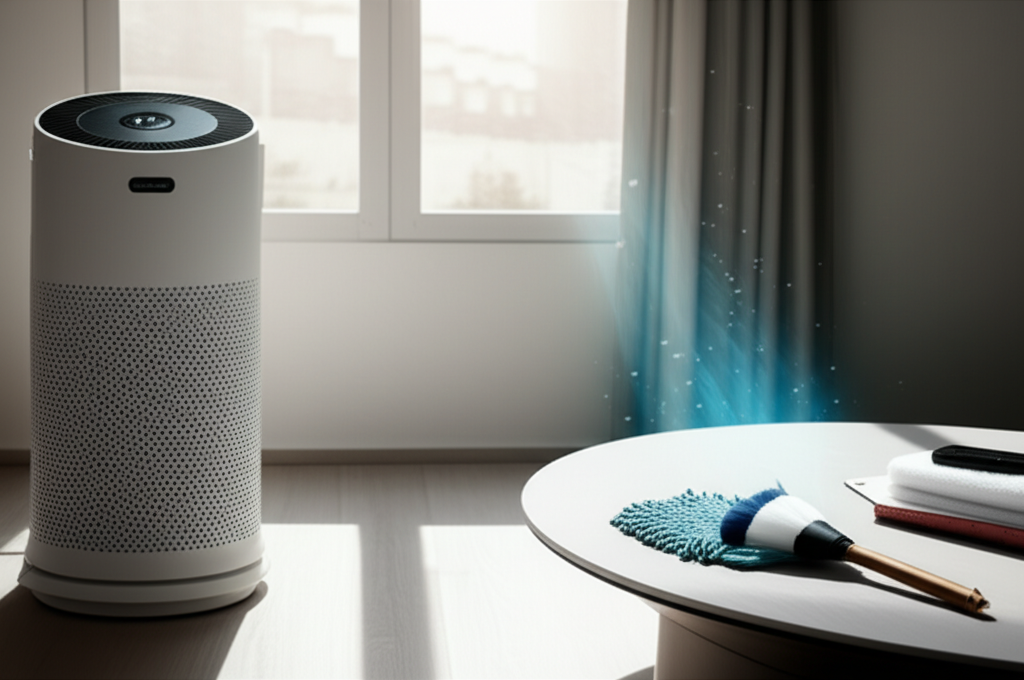
High-Efficiency Particulate Air (HEPA) filters are the gold standard for air purification and are crucial in preventing dust. A true HEPA filter is certified to capture at least 99.97% of airborne particles as small as 0.3 microns. Dust, in its various forms, falls well within this size range.
When air passes through a HEPA filter, these tiny dust particles are trapped within the filter’s dense mesh. This prevents them from recirculating back into your living space and settling on your belongings.
Beyond HEPA: Other Filtration Technologies
While HEPA filters are paramount for dust, some air purifiers incorporate other technologies that can indirectly assist. Activated carbon filters, for instance, are excellent at adsorbing odors and volatile organic compounds (VOCs). Though they don’t directly trap dust particles, they contribute to overall air quality.
Some purifiers also use pre-filters, often washable, which capture larger particles like pet hair and visible dust bunnies. This protects the HEPA filter, extending its lifespan and maintaining its efficiency in capturing finer dust.
Do Air Purifiers Prevent Dust Entirely?
It’s important to set realistic expectations: air purifiers cannot prevent dust entirely. Dust is a complex mixture of particles, including skin cells, fabric fibers, pet dander, and soil, which are constantly generated within and brought into our homes. Air purifiers significantly reduce airborne dust but cannot eliminate the sources of dust generation.
However, the impact they have on reducing settled dust is substantial, making them a valuable tool for dust-sensitive individuals and anyone seeking a cleaner home environment. They work best as part of a comprehensive cleaning strategy.
Understanding Dust Sources
To fully appreciate what an air purifier can do, it’s helpful to understand where dust comes from. Dust is generated from both inside and outside your home. Skin cells shed by humans and pets, microscopic fibers from carpets, upholstery, and clothing, and even tiny particles from cooking and burning candles all contribute.
Outdoor dust can also enter through open windows, doors, and even on clothing and shoes. Air purifiers effectively capture these airborne particles before they have a chance to settle.
The Limitations of Air Purifiers
Air purifiers are designed to capture particles that are airborne. Once dust has settled on surfaces like floors, furniture, and shelves, an air purifier can do little to remove it. Regular dusting, vacuuming, and wiping down surfaces are still essential for complete dust removal.
Think of an air purifier as a powerful ally in preventing new dust from accumulating in the air and then settling. It complements, rather than replaces, traditional cleaning methods.
Choosing the Right Air Purifier for Dust Control
When selecting an air purifier specifically for dust prevention, several features are key. Look for units with True HEPA filters, as they offer the highest level of particulate capture. Consider the size of the room you intend to use it in and ensure the air purifier has an adequate Clean Air Delivery Rate (CADR) for that space.
A higher CADR rating means the purifier can clean the air in a larger room more effectively and quickly. Many reputable brands offer models with excellent dust-capturing capabilities.
Key Features to Look For
True HEPA Filter: Essential for capturing 99.97% of particles down to 0.3 microns.
High CADR Rating: Ensures the unit is powerful enough for your room size.
Pre-filter: Captures larger particles and extends the life of the HEPA filter.
Coverage Area: Matches the purifier’s capacity to your room dimensions.
Noise Level: Important for living spaces, especially bedrooms.
Filter Replacement Indicator: Alerts you when it’s time to change filters.
Top Brands and Models for Dust Reduction
Several brands consistently receive high marks for their air purifiers’ effectiveness in reducing dust and other allergens. Brands like Coway, Levoit, Blueair, and Winix are often cited for their performance and reliability. For example, the Coway Airmega series is known for its robust filtration and smart features, while Levoit’s Core series offers affordable yet effective dust capture.
Researching specific models within these brands, paying attention to customer reviews focusing on dust reduction and allergen control, can help you make an informed choice. Always verify that the model explicitly states it uses a True HEPA filter.
How to Maximize Your Air Purifier’s Effectiveness Against Dust
To get the most out of your air purifier for dust prevention, placement and maintenance are critical. Position the unit in a central location within the room, away from walls or furniture that could obstruct airflow. Regular maintenance, including cleaning the pre-filter and replacing the HEPA filter as recommended, ensures optimal performance.
Running the air purifier consistently, especially during times when dust is likely to be stirred up (like during activities or when windows are open), will yield the best results.
Strategic Placement for Optimal Airflow
The best place for an air purifier to combat dust is where air circulates most freely. Placing it in a high-traffic area or near the source of dust (e.g., near a pet’s favorite resting spot or a frequently used doorway) can be beneficial. Ensure there’s at least a foot of clearance around the unit on all sides to allow for unobstructed intake and exhaust.
Avoid placing air purifiers directly on carpets, as this can clog the intake vents and reduce efficiency. A hard, flat surface is ideal.
Regular Maintenance and Filter Replacement
The effectiveness of your air purifier hinges on its maintenance schedule. Most manufacturers recommend cleaning the pre-filter weekly or bi-weekly, depending on the air quality and usage. This simple step removes larger dust particles, preventing them from reaching and clogging the HEPA filter.
HEPA filters typically need replacement every 6 to 12 months, though this can vary based on the model and the amount of dust and pollutants captured. A clogged filter significantly reduces the unit’s ability to clean the air and can even lead to motor strain. Always follow the manufacturer’s guidelines for filter replacement.
Air Purifiers vs. Other Dust Control Methods
While air purifiers excel at capturing airborne dust, they work best in conjunction with other dust control methods. Traditional methods like regular vacuuming with a HEPA-filtered vacuum, dusting with microfiber cloths, and washing bedding frequently are still essential. These methods address the dust that has already settled.
When combined, air purifiers and diligent cleaning create a powerful defense against dust, leading to significantly cleaner air and surfaces.
Vacuuming with HEPA Filters
Using a vacuum cleaner equipped with a HEPA filter is a crucial step in dust control. Standard vacuums can sometimes recirculate fine dust particles back into the air. A HEPA-filtered vacuum traps these particles, preventing them from becoming airborne again.
Regular vacuuming, especially of carpets and upholstery where dust can accumulate, is vital. Combined with an air purifier, this practice ensures that both settled and airborne dust are managed effectively.
The Importance of Regular Dusting and Wiping
Even with an air purifier running, some dust will inevitably settle on surfaces. Using a damp microfiber cloth for dusting is highly effective because it traps dust particles rather than just pushing them around. Wiping down hard surfaces like tables, shelves, and countertops regularly will prevent dust buildup.
This two-pronged approach—airborne capture by the purifier and surface removal through dusting—is the most comprehensive strategy for a dust-free home.
Who Benefits Most from Air Purifiers for Dust?
Individuals suffering from allergies and asthma often find significant relief with air purifiers. By reducing airborne dust, pollen, pet dander, and other allergens, these devices can lessen respiratory symptoms and improve overall air quality for sensitive individuals. Pet owners also benefit greatly, as purifiers capture pet dander and hair, reducing allergens and odors.
Anyone looking to maintain a cleaner living environment and reduce the frequency of dusting will also find air purifiers to be a valuable investment.
Allergy and Asthma Sufferers
For those with allergies or asthma, airborne dust is a major trigger for symptoms like sneezing, coughing, itchy eyes, and difficulty breathing. An air purifier with a True HEPA filter can dramatically reduce the concentration of these allergens in the air. This leads to fewer symptom flare-ups and a more comfortable living environment.
Many studies have shown the positive impact of air purifiers on indoor air quality for individuals with respiratory conditions. For instance, research published by the National Institutes of Health highlights the benefits of air filtration in reducing allergen exposure.
Pet Owners
Pet owners face the double challenge of pet dander and hair contributing to household dust. Air purifiers are highly effective at capturing these particles, which are common allergens. By reducing the amount of dander and hair circulating in the air, purifiers not only help with allergies but also contribute to a fresher-smelling home.
A good pre-filter can also help capture larger pet hairs, further enhancing the purifier’s performance and extending the life of the HEPA filter.
Factors Affecting Air Purifier Performance
Several factors can influence how well an air purifier prevents dust. The size of the room relative to the purifier’s capacity is paramount; an undersized unit will struggle to keep up. The quality and type of filter used are also critical, with True HEPA being the most effective for fine dust.
The environment itself plays a role; a home with many pets or located in a dusty area will require more frequent filter changes and potentially a more powerful unit.
Room Size and CADR Ratings
The Clean Air Delivery Rate (CADR) indicates how quickly an air purifier can clean a room of specific pollutants like dust, smoke, and pollen. It’s crucial to match the CADR rating to the square footage of your room. A general rule of thumb is to choose a purifier with a CADR rating that is at least two-thirds of the room’s square footage.
For example, a room that is 150 square feet would benefit from a purifier with a dust CADR of at least 100. Higher CADR ratings mean faster and more efficient dust removal.
Filter Quality and Lifespan
The quality of the filter directly impacts how much dust is captured. Always opt for “True HEPA” filters, as they meet strict standards for particle removal. Other filters, like “HEPA-type” or “HEPA-like,” do not offer the same level of performance.
The lifespan of a filter is also important for ongoing effectiveness. While HEPA filters can last many months, they will eventually become saturated with trapped particles and need replacement. Ignoring this can turn your purifier into a source of pollution.
The Long-Term Benefits of Using an Air Purifier for Dust
Investing in an air purifier for dust control offers numerous long-term benefits. Beyond visibly cleaner surfaces, improved indoor air quality can lead to better sleep, reduced allergy symptoms, and a generally healthier living environment. It contributes to a sense of well-being and reduces the constant chore of dusting.
By proactively managing airborne dust, you create a more comfortable and hygienic home for yourself and your family.
Healthier Living Environment
Reduced exposure to airborne dust particles can lead to fewer respiratory issues and allergy flare-ups. This translates to less time spent feeling unwell and more time enjoying your home. Cleaner air also means less microscopic debris for dust mites to feed on, which can further improve indoor air quality.
The cumulative effect of breathing cleaner air over time can have a significant positive impact on overall health and well-being.
Reduced Cleaning Effort
While air purifiers don’t eliminate the need for cleaning, they can significantly reduce the frequency and intensity of dusting. By capturing a large percentage of airborne dust before it settles, you’ll find that surfaces stay cleaner for longer. This frees up your time and energy for other activities.
Many users report needing to dust their homes only half as often after incorporating an air purifier into their routine.
Frequently Asked Questions About Air Purifiers and Dust
Q1: Can an air purifier eliminate all dust in a room?
No, an air purifier cannot eliminate all dust. It effectively captures airborne dust particles but cannot remove dust that has already settled on surfaces. Regular cleaning is still necessary.
Q2: How often should I run my air purifier for dust control?
For best results, run your air purifier continuously, especially in rooms where you spend the most time. This ensures constant circulation and filtration of airborne dust.
Q3: What is the most important feature to look for in an air purifier for dust?
The most crucial feature is a True HEPA filter, which is certified to capture 99.97% of airborne particles as small as 0.3 microns, including fine dust.
Q4: Will an air purifier help with pet dander dust?
Yes, air purifiers are very effective at capturing pet dander, which is a common component of household dust and a significant allergen for many people.
Q5: How often do I need to replace the HEPA filter in an air purifier?
HEPA filters typically need replacement every 6 to 12 months, depending on usage and the level of pollutants. Always check your manufacturer’s recommendations.
Q6: Can air purifiers help with very fine dust particles?
Yes, True HEPA filters are specifically designed to capture extremely fine dust particles, down to 0.3 microns in size, which are often invisible to the naked eye.
Conclusion: Your Path to a Less Dusty Home
In conclusion, air purifiers are a highly effective tool in the ongoing battle against household dust. While they won’t magically make dust disappear entirely, by employing True HEPA filtration, they actively capture a significant portion of airborne particles before they settle. This dramatically reduces the amount of dust that accumulates on your furniture, floors, and other surfaces, leading to a cleaner home and improved indoor air quality.
When combined with regular cleaning practices like dusting and vacuuming, an air purifier creates a powerful defense system against dust. By understanding how they work, choosing the right unit for your needs, and performing regular maintenance, you can significantly reduce dust in your home and breathe easier. Investing in an air purifier is an investment in a healthier, cleaner, and more comfortable living environment.
