Do Air Purifier Need Water? Essential Guide

Most air purifiers do not require water; they use filters to clean the air. Only humidifying air purifiers, which combine air purification with humidification, need water to add moisture to the air.
Do Air Purifiers Need Water? An Essential Guide
Are you wondering if your air purifier needs a refill of water to do its job? It’s a common question, especially as you see various devices designed to improve indoor air quality. Many people assume all air purifiers function similarly, leading to confusion about water requirements. Don’t worry; I’m here to clarify everything and help you understand exactly what your air purifier needs. We’ll break down the different types and their specific requirements, ensuring your air is clean and healthy.
Understanding Air Purifier Basics: No Water Required for Most
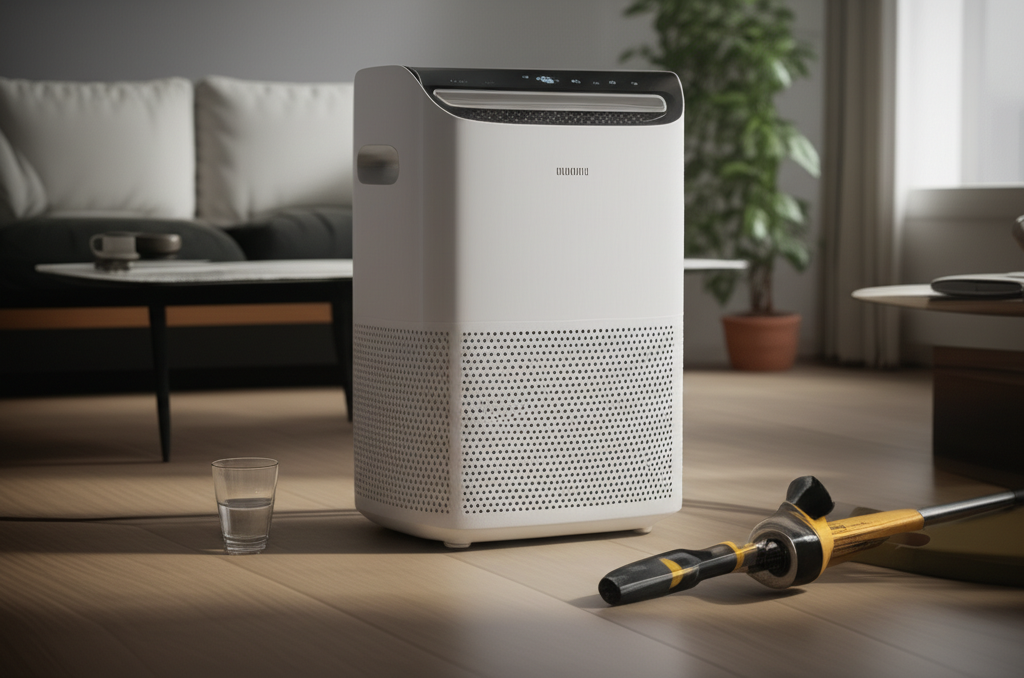
Most air purifiers you encounter are designed solely for filtration and do not require water. These devices work by drawing in air, passing it through a series of filters (like HEPA and activated carbon), and then releasing cleaner air back into your room. This process effectively captures dust, pollen, pet dander, smoke, and other airborne particles. Therefore, if you have a standard air purifier, you can set it and forget it regarding water.
These filter-based systems are incredibly effective at removing contaminants without adding any moisture to the air. Their primary function is purification, not humidification, so they operate dry. This makes them low-maintenance in terms of water needs, focusing instead on filter replacement schedules.
The Exception: Humidifying Air Purifiers
The confusion often arises because some devices combine air purification with humidification. These are not standard air purifiers but rather hybrid appliances. They contain a water tank and a mechanism to evaporate water, releasing moisture into the air.
These units are beneficial in dry climates or during winter months when heating systems can strip moisture from the air. By adding humidity, they can help alleviate dry skin, sore throats, and static electricity. It’s crucial to distinguish these from traditional air purifiers to understand their water needs.
How Humidifying Air Purifiers Work
Humidifying air purifiers typically use an evaporative or ultrasonic method to add moisture. Evaporative models often use a wick filter that draws water up from the tank and is then fanned to release moisture. Ultrasonic models use high-frequency vibrations to create a fine mist that is then dispersed into the air.
Both methods effectively increase humidity levels. However, they necessitate regular refilling and cleaning of the water tank to prevent mold and bacteria growth. This is the primary reason why some people might think all air purifiers need water.
Do Air Purifiers Need Water? Key Differences Summarized
| Air Purifier Type | Primary Function | Water Requirement | Maintenance Focus |
| :———————– | :——————————- | :—————- | :————————————————– |
| Standard Air Purifier | Air Filtration | None | Filter replacement, cleaning pre-filters |
| Humidifying Air Purifier | Air Filtration & Humidification | Yes | Water tank refilling, tank cleaning, filter replacement |
This table clearly illustrates that if your device is just an “air purifier,” it likely doesn’t need water. The need for water is specific to units that also offer humidification.
Why the Confusion? Marketing and Hybrid Devices
The market is flooded with devices designed to improve indoor air quality, and sometimes, the naming conventions can be misleading. Some products might be marketed broadly as “air purifiers” even if their primary or secondary function involves humidification. This overlap in features leads many consumers to believe that water is a standard component for all air purifiers.
Additionally, advancements in home appliance technology have led to multi-functional devices. A single unit might offer air purification, humidification, and even aromatherapy. Understanding the specific features of your chosen device is key to knowing its maintenance needs.
Benefits of Using a Humidifier Function
If you have a unit with a humidifying function, using it can offer several benefits, especially in dry environments. Properly humidified air can help soothe dry nasal passages and throats, making breathing more comfortable. It can also reduce dry, itchy skin and minimize static electricity that can be annoying.
For those suffering from respiratory issues exacerbated by dry air, a humidifier can be a welcome addition. However, it’s vital to maintain the correct humidity levels, typically between 30% and 50%, to avoid potential problems like mold growth.
Maintenance for Humidifying Air Purifiers
Since humidifying air purifiers require water, they also demand more diligent maintenance. The water tank needs to be emptied, cleaned, and refilled regularly, ideally daily or every other day, depending on usage. This prevents the stagnation of water, which can lead to mold, mildew, and bacterial growth.
Regular cleaning of the tank and any associated components, like wicks or ultrasonic discs, is essential. Following the manufacturer’s instructions for cleaning frequency and methods will ensure both the air quality and the longevity of your appliance. For instance, using distilled or demineralized water can help reduce mineral buildup.
When to Choose a Standard Air Purifier
If your primary concern is removing allergens, pollutants, and odors from the air, and you don’t have issues with dry air, a standard air purifier is likely your best choice. These units are simpler, often more affordable, and require less maintenance than hybrid models. Their focus is purely on delivering cleaner, purer air.
Standard air purifiers are ideal for most households, especially those in humid climates or where existing indoor humidity levels are adequate. They offer effective air cleaning without the added complexity or maintenance of a water tank.
When to Choose a Humidifying Air Purifier
You might consider a humidifying air purifier if you live in a region with consistently low humidity or during seasons when your home becomes very dry due to heating. If you experience symptoms like dry skin, chapped lips, static shocks, or irritated airways, adding humidity to your air could provide relief. These devices offer a two-in-one solution for air quality and comfort.
It’s a good idea to measure your home’s humidity levels with a hygrometer before investing in a humidifying unit. This will help you determine if adding moisture to the air is truly necessary and beneficial for your environment.
The Importance of Filter Maintenance for All Air Purifiers
Regardless of whether your air purifier uses water or not, filter maintenance is paramount. For standard air purifiers, HEPA filters typically need replacement every 6-12 months, while activated carbon filters may need replacement every 3-6 months, depending on usage and air quality. A dirty filter cannot effectively capture pollutants, rendering the device useless.
For humidifying air purifiers, you have both air filters and components related to humidification to maintain. Neglecting either aspect can compromise performance and potentially introduce new contaminants into your air. Always refer to your user manual for specific filter types and replacement schedules. Companies like HomeHygia offer detailed guides on filter care.
Can a Standard Air Purifier Be Modified to Use Water?
No, you should never attempt to modify a standard air purifier to use water. These devices are not designed with water tanks or mechanisms to handle moisture. Adding water to a standard air purifier could lead to severe damage to the internal components, including the motor and electronics.
This could create electrical hazards and render the unit inoperable. It’s essential to use appliances as they are intended by the manufacturer to ensure safety and optimal performance. If you need humidification, it’s best to purchase a dedicated humidifier or a hybrid humidifying air purifier.
Frequently Asked Questions About Air Purifiers and Water
Q1: My air purifier has a tank; does it need water?
A: Yes, if your air purifier has a visible water tank and is designed to release moisture, it’s likely a humidifying air purifier and requires water to function correctly. Standard air purifiers do not have water tanks.
Q2: How often should I refill the water in a humidifying air purifier?
A: You should refill the water daily or every other day, depending on how often you use the humidifying function and the ambient humidity levels. Always use clean, fresh water.
Q3: What type of water should I use in my humidifying air purifier?
A: It’s generally recommended to use distilled or demineralized water. Tap water contains minerals that can build up in the tank and components, potentially leading to white dust and reduced efficiency.
Q4: Can I use essential oils in a humidifying air purifier?
A: Some humidifying air purifiers are designed with a separate compartment for essential oils, while others are not. Adding oils to the main water tank can damage the unit. Always check your user manual before adding essential oils.
Q5: What happens if I don’t clean the water tank in my humidifying air purifier?
A: If the water tank isn’t cleaned regularly, stagnant water can become a breeding ground for bacteria, mold, and mildew. This can then be dispersed into the air, potentially worsening air quality and causing health issues.
Q6: How do I know if my air purifier needs water?
A: If your air purifier has a water tank, a mist output, or features related to humidification, it needs water. If it only has filters and no water-related components, it does not require water.
Conclusion: Water is Not for All Air Purifiers
So, to directly answer the question: do air purifiers need water? For the vast majority of air purifiers on the market, the answer is a definitive no. These devices rely on advanced filtration systems to clean your air. However, a specific category exists – humidifying air purifiers – which combine air purification with the addition of moisture to the air, and these do require water. Understanding your specific appliance is key to its proper use and maintenance. Always consult your user manual to ensure you’re providing the correct care for your unit, whether it involves refilling a water tank or simply replacing filters. Ensuring proper maintenance, including timely filter changes as discussed in resources like HomeHygia’s filter guide, is crucial for optimal air quality.