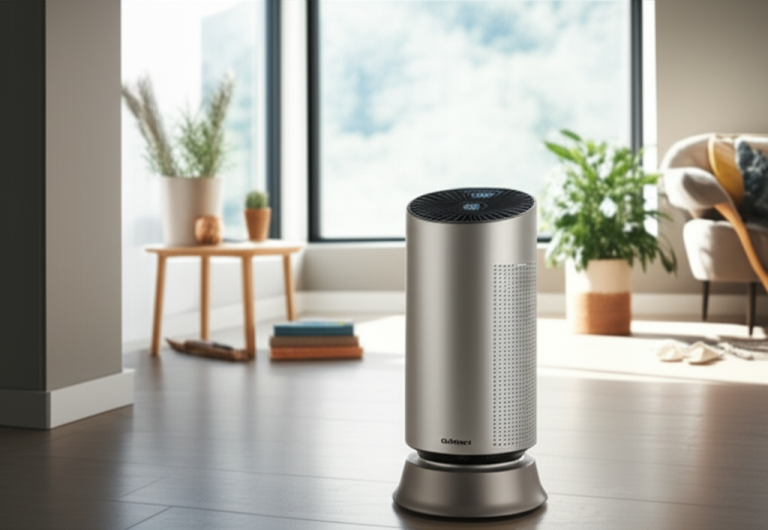
Do Air Purifier Make Room Smell Better? Essential Guide

Yes, air purifiers can significantly improve room smells by removing odor-causing particles, but their effectiveness depends on the type of purifier, its filters, and the source of the smell. This guide explores how they work and what to expect.
Do air purifiers make room smell better? It’s a question many of us ponder when battling persistent odors from cooking, pets, or stale air. The good news is that most modern air purifiers are designed with this very purpose in mind, acting as a powerful ally in creating a fresher, more pleasant living environment. Let’s dive into how they achieve this and what you need to know to get the best results.
How Air Purifiers Tackle Odors
An air purifier works by drawing in the air from your room and passing it through a series of filters. These filters are specifically designed to capture various pollutants, including those that cause unpleasant smells. The effectiveness of an air purifier in improving room smell is largely determined by the types of filters it employs and the nature of the odor itself.
The Role of Activated Carbon Filters

The real magic behind odor elimination in air purifiers often lies within the activated carbon filter. This porous material has an incredibly large surface area, allowing it to adsorb (not absorb) a wide range of volatile organic compounds (VOCs) and other odor-causing molecules. Think of it like a sponge, but for smells.
Beyond Carbon: Other Filter Technologies
While activated carbon is a superstar for odor removal, other filter types contribute to overall air freshness. HEPA filters capture fine particles like dust and pet dander, which can sometimes carry odors. Some purifiers also feature pre-filters to catch larger debris, extending the life of the main filters and indirectly helping with smell.
Understanding the Source of Room Odors
To truly appreciate how an air purifier works, it’s helpful to understand where those unwelcome smells come from. Identifying the source is the first step in choosing the right purifier and managing your home’s scent profile effectively. Common culprits include cooking fumes, pet dander and accidents, smoke, mold and mildew, and even off-gassing from furniture or cleaning products.
Cooking Smells: A Persistent Challenge
The aroma of a delicious meal is wonderful while it’s cooking, but the lingering smells can be less appealing. Cooking odors are complex mixtures of VOCs released from fats, proteins, and spices. An air purifier with a robust activated carbon filter is crucial for effectively neutralizing these airborne scent molecules.
Pet Odors: Dander and Beyond
Pets bring joy, but they can also bring odors. Pet dander, urine, and general “pet smell” are common concerns. Air purifiers can help by trapping dander (a primary source of allergens and odor) and filtering out the airborne molecules responsible for that distinctive pet scent.
Smoke and Its Lingering Presence
Whether from cigarettes, fireplaces, or wildfires, smoke particles are notoriously persistent and carry strong odors. Air purifiers, especially those with substantial carbon filters, are vital for removing smoke particles and the associated smell from indoor spaces.
Mold, Mildew, and Musty Air
Damp environments can lead to mold and mildew growth, which produce a distinct musty odor. While an air purifier can help remove airborne mold spores and the molecules causing the smell, it’s essential to address the underlying moisture issue to prevent recurrence.
Do Air Purifiers Eliminate All Smells?
It’s important to have realistic expectations. While air purifiers are excellent at removing many common odors, they aren’t a magic wand for every scent. The effectiveness depends on the type of odor, its concentration, and the purifier’s capabilities.
When Purifiers Might Struggle
Very strong, concentrated odors, or those deeply embedded in fabrics and surfaces, may take longer to dissipate or might not be entirely eliminated by an air purifier alone. For instance, a strong chemical spill smell might require ventilation and cleaning before a purifier can fully manage the residual scent.
Choosing the Right Air Purifier for Odor Control
When shopping for an air purifier specifically to combat odors, certain features are more important than others. Prioritizing models with substantial activated carbon filters is key. Look for purifiers that specify the amount of carbon used or offer multi-stage filtration systems.
Key Features to Look For
- Activated Carbon Filter: The more carbon, the better the odor absorption.
- Pre-filter: Catches larger particles, protecting the carbon filter and improving overall efficiency.
- HEPA Filter: Essential for capturing odor-carrying particles like dander and dust.
- CADR Rating: A higher Clean Air Delivery Rate (CADR) for smoke, dust, and pollen indicates faster air cleaning, which is beneficial for odor removal.
- Coverage Area: Ensure the purifier is sized appropriately for your room.
Understanding Filter Lifespan and Replacement
Activated carbon filters have a finite lifespan and will eventually become saturated with odors. It’s crucial to follow the manufacturer’s recommendations for filter replacement. Failing to replace filters means the purifier will lose its effectiveness in removing smells.
How to Maximize Your Air Purifier’s Odor-Fighting Power
Simply plugging in an air purifier isn’t always enough. A few simple strategies can significantly boost its ability to make your room smell better. Proper placement and regular maintenance are key to optimal performance.
Strategic Placement in Your Room
Place your air purifier in a location where air can circulate freely around it. Avoid corners or areas where it might be blocked by furniture. Ideally, position it near the source of the odor or in a central location for maximum air intake.
Regular Maintenance is Crucial
Keep your air purifier running efficiently by performing regular maintenance. This includes cleaning or replacing pre-filters as recommended and swapping out the activated carbon and HEPA filters on schedule. A clean unit functions better and lasts longer.
Comparing Air Purifiers for Different Odor Types
Different air purifiers excel at tackling specific types of odors. Understanding these nuances can help you select the best unit for your needs.
Table: Air Purifier Features vs. Odor Types
| Odor Type | Primary Filter Needed | Secondary Considerations |
|---|---|---|
| Cooking Smells | Substantial Activated Carbon | High CADR, good air circulation |
| Pet Odors | Activated Carbon & HEPA | Pre-filter for hair, effective particle capture |
| Smoke | Thick Activated Carbon | High CADR for smoke, frequent filter changes |
| Musty/Moldy Smells | Activated Carbon | Address moisture source, HEPA for spores |
| Chemical/VOCs | Specialized Activated Carbon (e.g., zeolite) | Check filter specifications for VOC removal |
This table highlights how the type and amount of activated carbon, along with HEPA filtration, play vital roles in neutralizing different smells.
Are There Downsides to Using Air Purifiers for Smells?
While generally beneficial, there are a few considerations when using air purifiers for odor control. Understanding these can help you make an informed decision.
Filter Replacement Costs
One of the main ongoing costs associated with air purifiers is the replacement of filters. Activated carbon filters, in particular, need regular replacement to remain effective, which can add up over time. This is a necessary expense for continued odor control.
Energy Consumption
Air purifiers consume electricity, and the cost will vary depending on the model and how often it’s used. Choosing an energy-efficient model can help mitigate this ongoing expense. Many modern purifiers are designed with low energy consumption in mind.
Noise Levels
Some air purifiers can be noisy, especially when operating on higher settings. This can be a concern for bedrooms or quiet living spaces. Look for models that advertise low noise levels or feature a “sleep mode.”
Expert Tips for Fresher Air
As someone who has spent years exploring home wellness solutions, I’ve found that combining an air purifier with other practices yields the best results. It’s not just about the device; it’s about a holistic approach to air quality.
Maintain Good Ventilation
Even with an air purifier, opening windows periodically to allow fresh air to circulate is beneficial. This helps to flush out stagnant air and reduce the concentration of pollutants and odors. Ventilation is a cornerstone of good indoor air quality.
Address the Root Cause of Odors
An air purifier is a fantastic tool for managing existing odors, but it’s always best to address the source. Clean up spills immediately, manage pet hygiene, control moisture to prevent mold, and ventilate well when cooking. This proactive approach is key.
Consider the Size of Your Space
Ensure the air purifier you choose is appropriately sized for the room it will be in. A unit that is too small will struggle to effectively clean the air and remove odors, while an oversized unit might be unnecessarily noisy and consume more energy. Check the manufacturer’s recommended room coverage.
Frequently Asked Questions
Q1: Can an air purifier remove the smell of a new carpet?
Yes, new carpets often off-gas VOCs that cause a distinct smell. An air purifier with a robust activated carbon filter is effective at adsorbing these odor-causing compounds and making the room smell better.
Q2: How long does it take for an air purifier to make a room smell better?
The time it takes varies depending on the size of the room, the intensity of the odor, and the purifier’s CADR. For mild odors, you might notice a difference within hours. For stronger smells, it could take a day or two of continuous operation.
Q3: Do air purifiers with ionizers or UV light help with smells?
Ionizers can help particles clump together, making them easier to filter, but some produce ozone, which can be an irritant. UV light is primarily for killing germs and mold, not directly for odor removal, though it can help if the odor is caused by microorganisms.
Q4: Can an air purifier help with cooking smells after I’ve finished cooking?
Absolutely. An air purifier with a good activated carbon filter is one of the best ways to eliminate lingering cooking odors. Running it during and after cooking significantly speeds up the process of making the room smell fresh again.
Q5: My air purifier isn’t making the room smell better. What could be wrong?
Several factors could be at play: the filter may be saturated and needs replacement, the purifier might be undersized for the room, or the odor source might be too strong or persistent. Ensure the unit is running continuously and check your filter status.
Q6: Do I need a special type of air purifier for pet odors?
While any air purifier with a HEPA filter will capture pet dander, an activated carbon filter is essential for neutralizing the actual pet odors. Look for models with a substantial carbon filter specifically designed for pet owners.
Conclusion: Do Air Purifiers Make Room Smell Better?
In conclusion, do air purifiers make room smell better? The answer is a resounding yes, provided you choose the right type of purifier and maintain it properly. By effectively trapping and adsorbing odor-causing particles and molecules, particularly with the help of activated carbon filters, these devices can dramatically improve the air quality and scent of your living spaces. Remember to consider the source of the odor, select a unit with adequate filtration, and commit to regular filter replacement for optimal performance. With the right approach, you can enjoy a consistently fresher and more inviting home environment.