
Do Air Purifier Kill Mold? Proven Essential Solution

Do Air Purifiers Kill Mold? The Proven Essential Solution for a Healthier Home
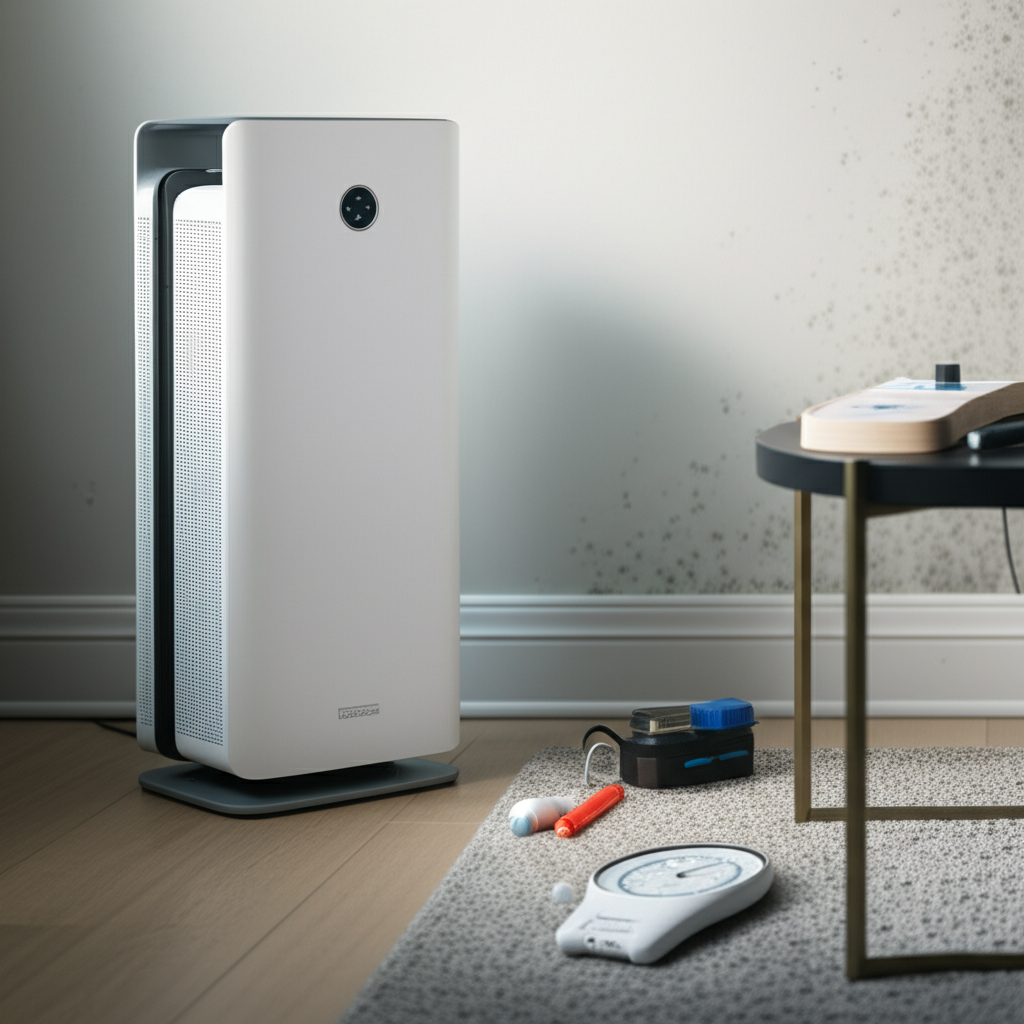
Air purifiers can help manage mold spores in the air, but they don’t kill mold at its source. They are an essential part of a comprehensive mold control strategy, capturing airborne spores and preventing their spread, making your home environment healthier.
Discovering mold in your home can be unsettling, bringing concerns about health and property damage. You might be wondering about quick fixes, and the idea of an air purifier doing the heavy lifting is appealing. While these devices are powerful tools for improving indoor air quality, understanding their specific role in combating mold is crucial for effective control.
Understanding Mold and Its Airborne Threats
Mold is a type of fungus that thrives in damp, humid environments, reproducing through tiny spores released into the air. These spores are microscopic and can easily travel throughout your home, settling on surfaces and potentially causing health issues. Identifying the source of moisture is the first step in any mold remediation effort.
Effectively managing mold requires understanding its lifecycle and how it spreads. Air purifiers play a specific role in this complex ecosystem.
How Air Purifiers Work Against Mold Spores
Air purifiers work by drawing in the air from a room and passing it through a series of filters. These filters are designed to trap airborne particles, including mold spores, dust, pollen, and other allergens. A HEPA (High-Efficiency Particulate Air) filter is particularly effective at capturing even the smallest mold spores.
By continuously cleaning the air, air purifiers reduce the concentration of mold spores circulating in your living spaces, contributing to better indoor air quality.
Can Air Purifiers Actually Kill Mold?
This is a common question, and the answer is nuanced. While air purifiers are excellent at capturing mold spores from the air, they do not actively kill or eliminate mold that has already grown on surfaces like walls, ceilings, or fabrics. Mold needs moisture and a food source to grow, and an air purifier cannot address these fundamental requirements.
Therefore, an air purifier is a complementary tool, not a standalone solution for eradicating established mold growth.
The Role of HEPA Filters in Capturing Mold Spores
High-Efficiency Particulate Air (HEPA) filters are the gold standard for air purification when dealing with mold spores. A true HEPA filter is certified to capture at least 99.97% of airborne particles that are 0.3 microns in size. Mold spores can vary in size but often fall within this range or are even larger, making them effectively trapped by HEPA filters.
Using an air purifier with a certified HEPA filter is essential for maximizing its effectiveness against airborne mold.
Air Purifiers vs. Mold Growth: A Comparison
It’s important to distinguish between managing airborne mold spores and eliminating active mold growth. Air purifiers excel at the former by removing spores from the air you breathe, thus reducing exposure and potential allergic reactions. However, they cannot kill mold colonies that have already established themselves on damp surfaces.
Mold remediation requires addressing the moisture source and physically removing the mold growth, a task beyond the scope of an air purifier.
When to Use an Air Purifier for Mold Concerns
An air purifier is most beneficial when you have identified or suspect airborne mold spores are contributing to poor indoor air quality. This is especially true in homes with existing or past moisture issues, or for individuals with mold allergies or respiratory sensitivities. It’s a proactive measure to maintain a cleaner air environment.
Using an air purifier can help prevent the spread of spores after cleaning or during periods of high humidity.
Choosing the Right Air Purifier for Mold Management
When selecting an air purifier for mold, look for models with a true HEPA filter and a high Clean Air Delivery Rate (CADR) suitable for your room size. Some purifiers also feature activated carbon filters, which can help neutralize mold odors. Consider the noise level and energy consumption as well.
Brands like Coway, Levoit, and Blueair often offer models with robust filtration systems that are well-suited for allergen and mold spore removal.
Beyond Air Purifiers: Essential Steps for Mold Control
To truly combat mold, you must address the root cause: moisture. This involves identifying and repairing leaks, improving ventilation in bathrooms and kitchens, using dehumidifiers in damp areas, and cleaning up any visible mold growth promptly and safely. Air purifiers should be seen as one part of a multi-faceted approach.
A comprehensive strategy ensures that mold doesn’t have the conditions it needs to thrive.
Table: Air Purifier Effectiveness Against Mold Components
| Mold Component | Air Purifier Effectiveness | Explanation |
|---|---|---|
| Airborne Mold Spores | High | HEPA filters capture a significant percentage of airborne spores. |
| Mold Mycelia (Filaments) | Moderate | Larger fragments may be captured, but less effective than spores. |
| Mold Colonies on Surfaces | None | Air purifiers do not kill or remove mold growing on walls, furniture, etc. |
| Mold Odors | Moderate to High (with carbon filter) | Activated carbon filters can absorb and neutralize odor molecules. |
This table highlights the specific areas where an air purifier can make a difference.
DIY vs. Professional Mold Remediation
For small, surface mold issues, you might be able to handle remediation yourself using appropriate cleaning solutions and protective gear. However, for larger infestations or mold found within walls or HVAC systems, professional mold remediation is strongly recommended. Professionals have the expertise and equipment to safely remove mold and prevent its recurrence.
An air purifier can be beneficial during and after professional cleaning to capture any remaining airborne spores.
The Importance of Regular Maintenance
To ensure your air purifier remains effective, regular maintenance is crucial. This includes cleaning the pre-filter and replacing the HEPA and activated carbon filters according to the manufacturer’s recommendations. Clogged filters reduce airflow and can become breeding grounds for bacteria and mold themselves, diminishing the unit’s performance.
Following a maintenance schedule guarantees optimal performance and continued protection.
FAQ: Your Air Purifier and Mold Questions Answered
Do air purifiers help with mold allergies?
Yes, by capturing airborne mold spores, air purifiers can significantly reduce exposure for individuals with mold allergies, leading to fewer allergic reactions and improved respiratory comfort.
Can an air purifier prevent mold from growing?
No, an air purifier cannot prevent mold from growing. Mold needs moisture and a food source to grow. Air purifiers only address airborne spores, not the conditions that allow mold to thrive.
How often should I run my air purifier for mold?
For best results, run your air purifier continuously, especially in rooms prone to dampness or where mold has been an issue. This ensures constant air filtration and reduces airborne spore concentration.
What is the best type of air purifier for mold?
The best air purifier for mold will have a true HEPA filter to capture small spores and a sufficient CADR for your room size. Models with activated carbon filters can also help with mold-related odors.
Can an air purifier kill mold on my walls?
No, an air purifier cannot kill mold growing on surfaces like walls. It is designed to filter particles from the air, not to treat or eliminate mold growth on solid materials.
Should I use an air purifier if I have a leaky pipe causing mold?
An air purifier can help manage airborne spores from the mold caused by a leaky pipe, but it’s crucial to fix the leak and dry the affected area. The purifier should be part of your solution, not the entire solution.
Conclusion: Air Purifiers as Part of Your Mold Defense Strategy
In conclusion, understanding the capabilities of an air purifier is key to effectively managing mold in your home. While do air purifiers kill mold is a common query, the reality is they excel at capturing airborne mold spores rather than eliminating established growth. They are an indispensable component of a healthy indoor environment, working best when combined with diligent moisture control, regular cleaning, and prompt remediation of any visible mold. By implementing these strategies, you can create a safer, healthier living space, free from the pervasive threat of mold.
