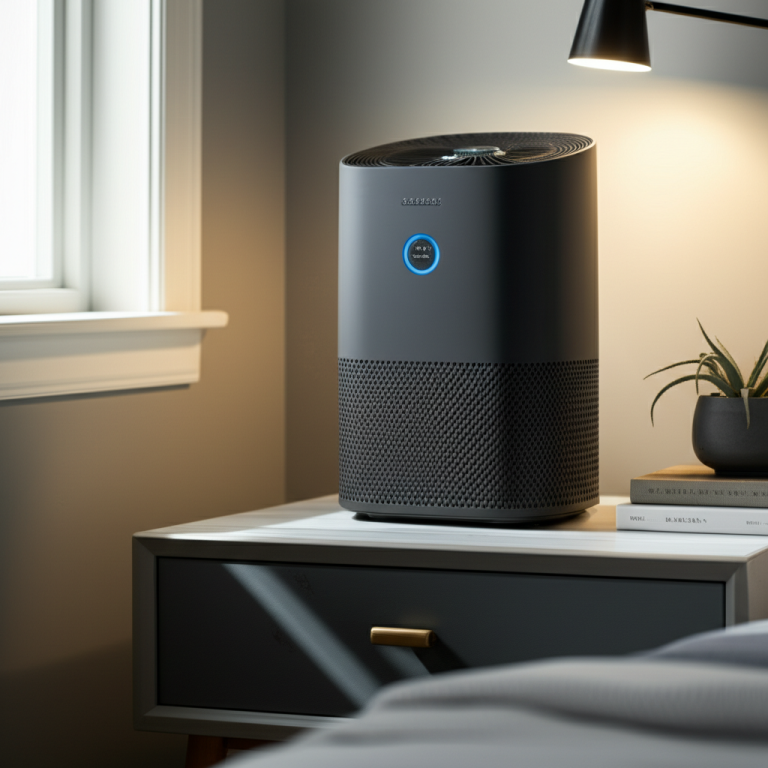
Do Air Purifier Clean Dust? Essential Guide

Yes, air purifiers are highly effective at cleaning dust from your home, capturing airborne particles as small as dust mites and pollen before they settle. This guide explains how they work, what to look for, and how to maximize their dust-fighting power.
Do Air Purifiers Clean Dust? Your Essential Guide to a Cleaner Home
Living with dust can be frustrating, leading to sneezing, allergies, and a constant battle with your vacuum cleaner. You might be wondering if there’s a more effortless solution to keep your air clear and your surfaces cleaner. Fortunately, the answer is a resounding yes! Air purifiers are designed to tackle airborne particles, including dust, significantly improving your indoor air quality. Let’s dive into how these devices can transform your living space and answer that burning question: do air purifiers clean dust effectively?
Understanding How Air Purifiers Capture Dust
Air purifiers work by drawing in the air from your room and passing it through a series of filters. These filters are specifically designed to trap various airborne contaminants, with dust being a primary target. The effectiveness of dust removal depends heavily on the type of filter used and the purifier’s overall design.
The Role of HEPA Filters in Dust Removal
High-Efficiency Particulate Air (HEPA) filters are the gold standard for capturing small particles. A true HEPA filter can trap at least 99.97% of airborne particles 0.3 microns in size. This includes common dust components like dust mites, pet dander, pollen, and mold spores, which are all major contributors to household dust.
What are Dust Mites and Why Do They Matter?
Dust mites are microscopic creatures that thrive in warm, humid environments and feed on dead skin cells. Their waste products are a common allergen, and while air purifiers don’t directly kill dust mites, they effectively remove their allergens and the dust particles they inhabit. This significantly reduces exposure and potential allergic reactions.
Beyond HEPA: Other Filtration Technologies
While HEPA filters are crucial, many air purifiers incorporate other technologies to enhance dust removal. Activated carbon filters, for instance, are excellent at absorbing odors and volatile organic compounds (VOCs) that often accompany dust. Some purifiers also use pre-filters to catch larger dust particles, extending the life of the main HEPA filter.
The Science Behind Air Purification and Dust
The process is quite straightforward: an internal fan pulls room air into the unit. As the air passes through the filters, particles like dust are physically trapped. The cleaner air is then recirculated back into the room, progressively reducing the amount of airborne dust.
Particle Size and Filter Efficiency
The size of dust particles varies, but even the smallest ones can trigger allergies. HEPA filters are engineered to capture particles much smaller than typical dust, ensuring a thorough cleaning. This makes them incredibly effective against even the most microscopic dust components.
Key Features to Look for in a Dust-Fighting Air Purifier
When choosing an air purifier for dust, several features are paramount. The presence of a true HEPA filter is non-negotiable. Additionally, consider the CADR (Clean Air Delivery Rate) and the size of the room the purifier is designed for.
What is CADR and Why is it Important for Dust?
CADR measures how quickly an air purifier can filter specific pollutants, including dust, smoke, and pollen. A higher CADR for dust indicates the purifier will be more effective at removing dust particles from a given room size. Always match the CADR to your room dimensions for optimal performance.
Room Size and Air Changes Per Hour (ACH)
Ensuring the air purifier is correctly sized for your room is vital. A unit that is too small will struggle to adequately filter the air. Aim for a purifier that can achieve at least 4-5 air changes per hour (ACH) for effective dust removal in your primary living spaces.
How to Maximize Your Air Purifier’s Dust-Cleaning Performance
Simply plugging in an air purifier isn’t enough; proper placement and maintenance are key to its dust-fighting prowess. Consistent use and filter care will ensure you’re getting the most out of your investment.
Strategic Placement for Optimal Airflow
Place your air purifier in a location where it can draw in air freely and circulate clean air effectively. Avoid corners or areas blocked by furniture. Placing it in the room where you spend the most time, like the bedroom or living room, will yield the best results for dust reduction.
Regular Filter Maintenance and Replacement
The filters are the workhorses of your air purifier. Regularly check and clean pre-filters (often washable) and replace HEPA and carbon filters according to the manufacturer’s recommendations. Clogged filters drastically reduce efficiency and can even become a source of allergens themselves.
Do Air Purifiers Eliminate Settled Dust?
Air purifiers primarily target airborne dust. While they significantly reduce the amount of dust that settles on surfaces by capturing particles before they land, they do not replace traditional cleaning methods like dusting and vacuuming. They work best as part of a comprehensive cleaning strategy.
The Synergy Between Air Purifiers and Cleaning Routines
Think of your air purifier as a powerful ally in your fight against dust. It tackles the invisible particles floating in the air, reducing the dust load that eventually settles. This means less frequent dusting and a generally cleaner environment.
Choosing the Right Air Purifier for Dust: A Comparison
Not all air purifiers are created equal when it comes to dust. Understanding the different types and features can help you make an informed decision.
| Feature | Benefit for Dust Removal | Considerations |
| :—————- | :—————————————————————————————– | :——————————————————————————————- |
| True HEPA Filter | Captures 99.97% of particles 0.3 microns and larger, including dust mites and allergens. | Ensure it’s a “True HEPA” filter, not “HEPA-type” or “HEPA-like.” |
| Pre-Filter | Traps larger dust particles, extending the life of the HEPA filter. | Often washable, making maintenance easier. |
| Activated Carbon | Absorbs odors and VOCs that can be associated with dust and general indoor air pollution. | Look for a substantial amount of carbon for better odor absorption. |
| CADR Rating | Indicates how effectively and quickly the unit cleans dust from a specific room size. | Match CADR to your room size for optimal performance. Higher is generally better. |
| Room Coverage | Specifies the square footage the purifier is designed to cover effectively. | Choose a unit rated for a slightly larger room than you have to ensure adequate air changes. |
Common Misconceptions About Air Purifiers and Dust
One common misunderstanding is that air purifiers eliminate all dust instantly. While they are highly effective at reducing airborne dust, they don’t magically make settled dust disappear. Another misconception is that all “air filters” are the same; the distinction between true HEPA and other types is crucial.
Air Purifiers vs. HVAC Filters: What’s the Difference?
Your home’s HVAC system has a filter, but it’s typically designed to protect the system itself from large debris rather than purifying the air for health benefits. Air purifiers, especially those with HEPA filters, are specifically engineered for indoor air quality and capture much finer particles, including the allergens found in dust.
Are Air Purifiers Worth It for Dust Control?
For individuals sensitive to dust, allergens, or those simply seeking a cleaner living environment, air purifiers are an excellent investment. They offer a proactive approach to reducing airborne dust, leading to fewer allergy symptoms and less frequent surface dusting. The continuous removal of particles makes a noticeable difference over time.
Frequently Asked Questions About Air Purifiers and Dust
Will an air purifier completely eliminate dust in my home?
No, air purifiers are designed to capture airborne dust particles, significantly reducing them. They don’t eliminate all dust, and regular cleaning like vacuuming and dusting is still necessary for settled dust.
How often should I run my air purifier for dust?
For optimal dust reduction, it’s recommended to run your air purifier continuously, especially in rooms where you spend the most time. This ensures constant filtration of airborne particles.
Can air purifiers help with dust allergies?
Yes, by capturing dust mite allergens, pet dander, pollen, and other fine particles that contribute to dust, air purifiers can significantly alleviate allergy symptoms for many individuals.
What is the best type of filter for capturing dust?
A true HEPA filter is the most effective for capturing fine dust particles, as it traps 99.97% of airborne particles 0.3 microns in size. Pre-filters also help capture larger dust.
How do I know if my air purifier is working effectively against dust?
You’ll likely notice less dust settling on surfaces over time, and if you suffer from allergies, you may experience fewer symptoms. Many purifiers also have indicators for filter life and air quality.
Do air purifiers make noise when cleaning dust?
Most air purifiers produce some level of noise due to the fan. Higher settings will be louder, but many models offer quiet or sleep modes for nighttime use.
Conclusion: Breathe Easier with an Air Purifier
So, do air purifiers clean dust? Absolutely, and they do so with remarkable efficiency by capturing airborne particles before they settle. By understanding the technology, choosing the right unit with a true HEPA filter, and maintaining it properly, you can significantly reduce dust in your home. Investing in a quality air purifier is a proactive step towards cleaner air, fewer allergens, and a more comfortable living environment for you and your family.