
Coway vs Xiaomi Air Purifier: Essential Guide

Choosing between a Coway and Xiaomi air purifier involves weighing their unique strengths in purification technology, smart features, and design. This guide will help you navigate the Coway vs Xiaomi air purifier debate to find the best fit for your home’s air quality needs.
Breathing clean air at home is more important than ever, but with so many air purifiers on the market, picking the right one can feel overwhelming. Two popular brands, Coway and Xiaomi, often come up in conversations about effective home air purification. You might be wondering which one offers the best performance, features, and value for your specific needs. This guide is here to simplify that decision, offering a clear, step-by-step comparison to help you confidently choose between a Coway vs Xiaomi air purifier. We’ll break down what makes each brand stand out, so you can breathe easier knowing you’ve made the right choice.
Why Air Quality Matters Indoors
Indoor air can be surprisingly polluted, often containing more contaminants than outdoor air. Dust, pet dander, pollen, smoke, and volatile organic compounds (VOCs) from household products can all affect your health. Poor indoor air quality can lead to allergies, asthma symptoms, headaches, and fatigue. Choosing an effective air purifier is a proactive step towards a healthier living environment for you and your family.
Coway Air Purifier: A Deep Dive
Coway is a well-established brand known for its commitment to powerful air purification. They often focus on robust multi-stage filtration systems designed to tackle a wide range of airborne pollutants. Their devices are frequently praised for their effectiveness in real-world conditions, making them a solid choice for those prioritizing performance.
Coway’s Filtration Technology
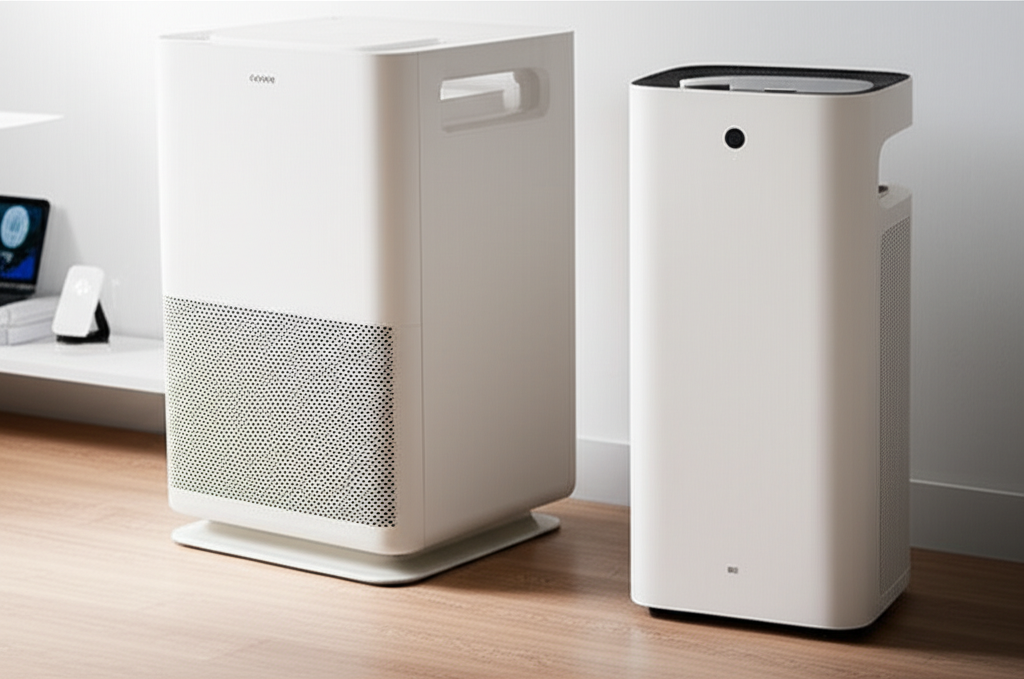
Coway purifiers typically employ a multi-stage filtration process. This usually includes a washable pre-filter for larger particles, an activated carbon filter to absorb odors and VOCs, and a high-efficiency particulate air (HEPA) filter to capture fine particles like dust, pollen, and pet dander. Some models may also feature specialized filters for specific concerns like viruses or allergens.
Key Coway Models and Features
Coway offers a range of models, from compact units for smaller rooms to larger, more powerful machines for whole-house coverage. Common features include advanced sensors that monitor air quality and automatically adjust fan speed, quiet operation modes, and filter replacement indicators. Their designs are often functional and understated, fitting seamlessly into most home decors.
Xiaomi Air Purifier: Smart and Stylish
Xiaomi has made a name for itself by integrating smart technology into everyday home appliances, and their air purifiers are no exception. They offer a compelling blend of performance, connectivity, and modern aesthetics, often at a competitive price point. This makes them an attractive option for tech-savvy consumers.
Xiaomi’s Smart Ecosystem Integration
A major draw of Xiaomi air purifiers is their seamless integration with the Xiaomi Home (Mi Home) app. This allows for remote control, scheduling, air quality monitoring, and even integration with other Xiaomi smart devices. You can easily check your home’s air quality and adjust settings from your smartphone, no matter where you are.
Xiaomi’s Filtration Approach
Similar to Coway, Xiaomi purifiers also utilize multi-stage filtration, typically including a pre-filter, an activated carbon filter, and a HEPA filter. Their cylindrical filter design is common, aiming for 360-degree air intake. The effectiveness of their filters is generally well-regarded for capturing common indoor pollutants.
Coway vs Xiaomi Air Purifier: Head-to-Head Comparison
When comparing Coway vs Xiaomi air purifier models, several key areas stand out. Both brands aim to deliver clean air, but their approaches to design, smart features, and filtration nuances can differ. Understanding these distinctions will help you make an informed decision tailored to your priorities.
Performance and Purification Effectiveness
Coway often emphasizes its long-standing expertise in air purification, with many models demonstrating exceptional CADR (Clean Air Delivery Rate) for their size. Their HEPA filters are generally highly effective at capturing fine particles. Xiaomi purifiers also offer good performance, with competitive CADR ratings, and their smart features allow for precise monitoring and control of purification levels.
Design and Build Quality
Coway units tend to have a more robust, traditional air purifier look, often built with durable materials. They prioritize functionality and quiet operation. Xiaomi purifiers are known for their minimalist, modern aesthetic, often featuring sleek white designs that blend well into contemporary homes. Their build quality is generally good, especially considering their price point.
Smart Features and Connectivity
This is where Xiaomi often takes the lead. Their extensive app integration provides a level of control and monitoring that is hard to match. You can view real-time air quality, set custom schedules, and receive filter life notifications. Coway offers smart features on many of its models, including app control and air quality indicators, but Xiaomi’s ecosystem integration is typically more comprehensive.
Ease of Use and Maintenance
Both brands generally offer user-friendly interfaces and straightforward maintenance. Filter replacement is usually a simple process for both Coway and Xiaomi air purifiers. Indicator lights or app notifications will alert you when it’s time to change filters, ensuring your unit continues to perform optimally. The Xiaomi Home app can simplify monitoring filter life.
Price and Value
Xiaomi purifiers often present a strong value proposition, offering a good balance of performance, smart features, and design at a competitive price. Coway models can sometimes be at a higher price point, reflecting their specialized focus on purification and often more robust build. However, both brands offer various models across different price ranges.
Key Differences Summarized
Here’s a quick look at how Coway and Xiaomi air purifiers stack up:
| Feature | Coway Air Purifier | Xiaomi Air Purifier |
| :—————— | :———————————————– | :—————————————————— |
| Primary Focus | Powerful, multi-stage purification performance. | Smart connectivity, modern design, and value. |
| Filtration | Robust, often specialized multi-stage systems. | Efficient multi-stage HEPA and carbon filtration. |
| Smart Features | Good app integration, sensors, auto modes. | Extensive app control, ecosystem integration, remote access. |
| Design | Functional, durable, often more traditional. | Minimalist, modern, sleek aesthetics. |
| Price Point | Mid-range to premium. | Budget-friendly to mid-range. |
| Target Audience | Those prioritizing maximum purification efficacy. | Tech-savvy users, smart home enthusiasts, budget-conscious. |
Which Air Purifier is Right for You?
The choice between a Coway vs Xiaomi air purifier ultimately depends on your personal priorities. If your absolute top concern is the most advanced and potentially powerful air purification technology, and you’re willing to invest more, a Coway might be your best bet. If you value seamless smart home integration, a modern aesthetic, and excellent value for money, a Xiaomi air purifier could be the perfect fit.
Consider Coway if:
You have significant air quality concerns like severe allergies or asthma.
You prioritize proven, robust filtration performance above all else.
You don’t mind a more traditional appliance design.
Your budget allows for a potentially higher initial investment.
Consider Xiaomi if:
You are already invested in or planning to build a smart home ecosystem.
You want to control and monitor your air purifier remotely via an app.
You appreciate modern, minimalist design.
You are looking for excellent performance at a more budget-friendly price.
User Experiences and Testimonials
Many users rave about the quiet operation of Coway purifiers, noting significant improvements in allergy symptoms. For example, a user on [a reputable tech review site] shared, “My Coway unit has been a game-changer for my seasonal allergies; I can finally sleep through the night without congestion.”
Xiaomi users often highlight the convenience of the app. “Being able to turn on my Xiaomi purifier from work on a hot day is fantastic,” says one reviewer. “Plus, the air quality readings are surprisingly accurate and helpful.” These anecdotal experiences can offer valuable real-world insights.
Where to Buy and What to Look For
Both Coway and Xiaomi air purifiers are widely available online through major retailers like Amazon, Best Buy, and directly from the brands’ official websites. When purchasing, always check the specific model’s specifications to ensure it meets your room size requirements and desired features. Pay attention to the filter types and replacement costs, as this is an ongoing expense.
Frequently Asked Questions
What is CADR, and why is it important for air purifiers?
CADR stands for Clean Air Delivery Rate. It measures how quickly an air purifier can clean the air in a room. A higher CADR indicates faster and more efficient purification, making it crucial for effectively cleaning larger spaces.
How often do I need to replace the filters?
Filter replacement frequency varies by model and usage, but generally, HEPA filters need replacing every 6 to 12 months, and carbon filters every 3 to 6 months. Many purifiers have indicator lights or app notifications to remind you.
Can air purifiers help with pet odors?
Yes, air purifiers with activated carbon filters are very effective at absorbing and neutralizing pet odors, as well as other household smells like cooking fumes and smoke. Both Coway and Xiaomi models often include robust carbon filtration for this purpose.
Are air purifiers noisy?
Noise levels vary by model and fan speed. Most modern air purifiers, including those from Coway and Xiaomi, offer a quiet or sleep mode that operates at a very low decibel level, often comparable to a soft whisper. Higher fan speeds will naturally produce more noise.
Which brand is better for allergies?
Both brands offer effective HEPA filtration that can significantly reduce allergens like pollen, dust mites, and pet dander. Coway is often highlighted for its specialized filtration and proven performance in allergy relief, but Xiaomi’s effective HEPA filters also provide substantial benefits.
Is a smart air purifier worth the extra cost?
If you value convenience, remote control, and detailed air quality monitoring, a smart air purifier like those from Xiaomi can be well worth the investment. For others, a simpler, non-smart model that focuses purely on purification might suffice.
Conclusion
Deciding between a Coway vs Xiaomi air purifier comes down to your personal needs and preferences. Coway stands out for its dedicated focus on powerful, multi-stage purification, making it an excellent choice for those prioritizing maximum air cleaning performance and allergen reduction. Xiaomi shines with its smart technology integration, modern design, and strong value, appealing to users who want seamless connectivity and a stylish appliance. Both brands offer effective solutions for cleaner indoor air. I recommend assessing your primary concerns—whether it’s advanced filtration or smart features—and your budget to make the most informed choice for your home.
—
Internal Links Suggestion:
1. Best Air Purifiers for Allergies: A Comprehensive Guide
2. Understanding HEPA Filters: What You Need to Know
3. Smart Home Gadgets to Improve Your Indoor Air Quality
