
Coway Vs Rabbit Air Purifier: Essential Guide

Choosing between a Coway vs Rabbit Air Purifier involves comparing their filtration, coverage, smart features, and price points to find the best fit for your home’s air quality needs. This guide will break down their key differences to help you make an informed decision.
Breathing cleaner air at home is a priority for many, but with so many air purifier brands on the market, the choices can feel overwhelming. Two popular contenders, Coway and Rabbit Air, often come up in discussions about effective home air purification. Both brands offer a range of models designed to tackle everything from allergens and pet dander to odors and VOCs. However, they approach air purification with slightly different philosophies and feature sets. If you’re wondering which brand will best serve your specific needs, you’ve come to the right place. I’ll walk you through a detailed comparison of Coway vs Rabbit Air purifiers, covering everything from their core technology to user experience, so you can confidently select the right purifier for your sanctuary.
Coway vs Rabbit Air Purifier: At a Glance
When comparing Coway vs Rabbit Air purifier models, understanding their core strengths is crucial. Coway is renowned for its robust filtration systems and strong performance in removing airborne particles, often at a more accessible price point. Rabbit Air, on the other hand, frequently emphasizes quieter operation, customizable filters, and a more premium, design-conscious aesthetic. Both brands are respected for their effectiveness, but the “better” choice hinges entirely on your individual priorities and home environment.
This section will provide a high-level overview of what sets each brand apart, preparing you for a deeper dive into their specific features. We’ll look at their general reputation for performance, build quality, and overall value proposition. This initial look will help you start forming an opinion before we explore the nitty-gritty details.
Understanding Air Purifier Technology: Filtration is Key
At the heart of any air purifier’s effectiveness lies its filtration system. Both Coway and Rabbit Air utilize multi-stage filtration, but the specific types and configurations of their filters can differ significantly. Understanding these differences is fundamental to deciding between Coway vs Rabbit Air purifier options.
A typical air purifier uses a combination of filters to capture various pollutants. This usually includes a pre-filter for larger particles like dust and hair, an activated carbon filter for odors and gases, and a HEPA filter for microscopic particles such as allergens, mold spores, and bacteria. Some advanced models might include additional technologies like UV-C light or ionizers, though these can sometimes be controversial due to potential ozone production.
Coway’s Filtration Approach
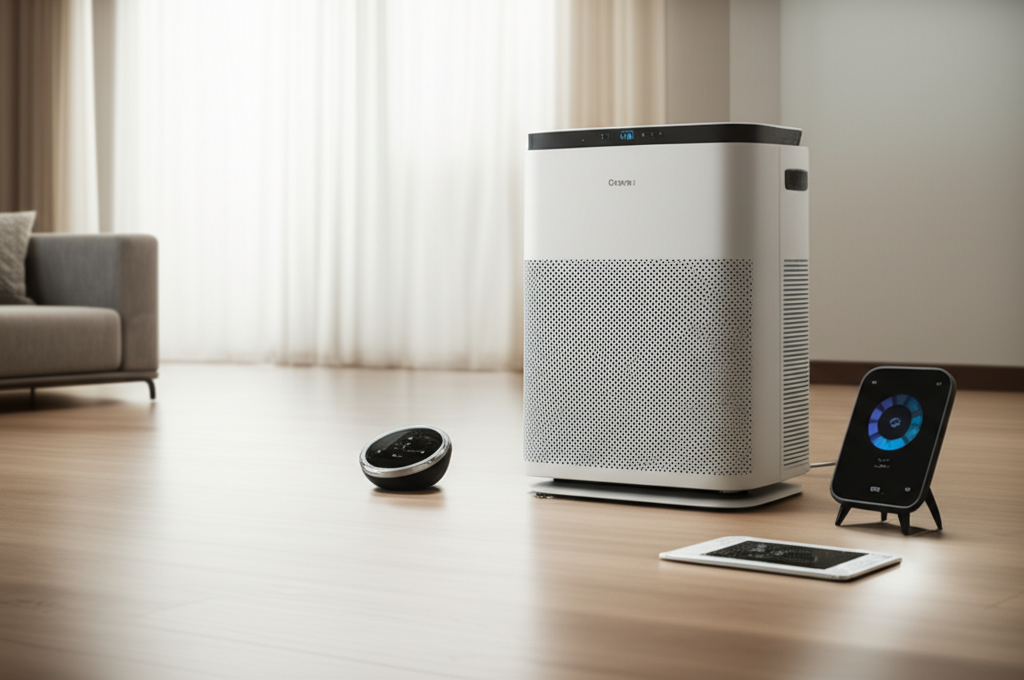
Coway models typically feature a robust four-stage filtration system. This often includes a washable pre-filter, an odor filter (activated carbon), a True HEPA filter, and sometimes an advanced filtration stage like a specialized filter for fine dust or a vital element filter. Their focus is on comprehensive particle removal and effective odor control.
The True HEPA filters used by Coway are designed to capture 99.97% of airborne particles down to 0.3 microns in size. This is a standard for high-efficiency particulate air filters and a critical component for allergy and asthma sufferers. Many users report significant improvements in air quality with Coway units, praising their ability to tackle pet dander and smoke odors.
Rabbit Air’s Filtration Strategy
Rabbit Air often offers a more customizable approach to filtration. Their signature five-stage filtration system typically includes a pre-filter, a medium filter, a True HEPA filter, an activated carbon filter, and a custom filter chosen by the user. This custom filter can target specific concerns like pet allergies, odors, or pollution.
This customization is a major draw for Rabbit Air, allowing users to tailor the purifier’s performance to their unique household needs. For example, someone with multiple pets might opt for a specialized pet filter to combat dander and odors more effectively. This bespoke approach differentiates them in the Coway vs Rabbit Air purifier comparison.
Coverage Area and Room Size Suitability
Choosing an air purifier that’s appropriately sized for your room is critical for optimal performance. Both Coway and Rabbit Air offer models designed for various room sizes, from small bedrooms to large living areas. However, their recommendations and the actual effectiveness in larger spaces can vary.
The Clean Air Delivery Rate (CADR) is a key metric indicating how quickly an air purifier can clean a room. Higher CADR ratings mean faster air purification. When looking at Coway vs Rabbit Air purifier specifications, pay close attention to the recommended room size and CADR ratings for each model.
Coway’s Room Coverage Options
Coway offers a wide range of air purifiers, from compact units suitable for bedrooms and offices to larger models designed for spacious living rooms. Many of their popular models, like the Airmega series, are engineered for significant coverage areas, often exceeding 1000 square feet for their higher-end units. They also emphasize multiple air changes per hour (ACH) within their recommended room sizes, ensuring air is filtered frequently.
For instance, the Coway Airmega 200M is often recommended for rooms up to 1,256 square feet, providing 1 ACH, or for smaller rooms up to 334 square feet for 4 ACH. This versatility makes Coway a strong contender for homes with diverse room sizes and air quality concerns.
Rabbit Air’s Room Coverage Solutions
Rabbit Air generally focuses on medium to large room coverage with its popular models. Their Rabbit Air MinusA2, for instance, is designed for rooms up to 815 square feet, providing 2 ACH. They also offer the BioGS 2.0 filter system, which is designed to capture particles down to 0.3 microns, similar to True HEPA.
While their stated coverage areas are often robust, some users find that Rabbit Air purifiers excel in smaller, more enclosed spaces where their quieter operation can be fully appreciated. When evaluating Coway vs Rabbit Air purifier options for larger, open-plan areas, it’s worth considering the CADR ratings and ACH recommendations carefully for both brands.
Design and Aesthetics: A Matter of Preference
Beyond performance, the physical design and aesthetic of an air purifier can play a significant role in your purchasing decision. How well a unit blends into your home decor, its footprint, and the user interface all contribute to the overall user experience. This is an area where Coway vs Rabbit Air purifier models often diverge.
Aesthetics are subjective, but some brands lean towards more utilitarian designs, while others prioritize sleek, modern looks that can act as a statement piece. Consider where you plan to place the purifier and how important its visual integration into your living space is.
Coway’s Functional Design
Coway purifiers often feature a functional, modern aesthetic that prioritizes performance and ease of use. Many models have a clean, cylindrical or rectangular shape with intuitive control panels. While not overtly flashy, they are designed to be unobtrusive and fit into most home environments without drawing excessive attention.
Their control interfaces are typically straightforward, with clear indicators for air quality and filter status. Some higher-end Coway models, like the Airmega series, incorporate smart features and a more sophisticated visual display, but the core design philosophy remains rooted in practical functionality.
Rabbit Air’s Stylish Integration
Rabbit Air often positions its purifiers as lifestyle appliances, with a strong emphasis on design. The Rabbit Air MinusA2, for example, can be wall-mounted or placed on a stand, offering flexibility in placement and a sleeker profile. They also offer decorative front panels for some models, allowing further customization to match home decor.
The control panels on Rabbit Air units are generally user-friendly, often featuring subtle lighting and clear digital displays. This blend of advanced technology and thoughtful design makes Rabbit Air purifiers appealing to those who prioritize both performance and a sophisticated look in their home appliances.
Smart Features and Connectivity
In today’s connected world, smart features and app control are increasingly important for home appliances, and air purifiers are no exception. Both Coway and Rabbit Air offer models with smart capabilities, allowing for remote control, scheduling, and real-time air quality monitoring. Comparing these features is key when looking at Coway vs Rabbit Air purifier options.
Smart features can enhance convenience and efficiency, allowing you to manage your air quality even when you’re not at home. This can include adjusting fan speeds, checking filter life, and receiving air quality alerts.
Coway’s Smart Capabilities
Many of Coway’s newer Airmega models come equipped with Wi-Fi connectivity and a dedicated mobile app. This allows users to monitor indoor and outdoor air quality, set schedules, change fan speeds, and receive filter replacement notifications remotely. The app also often provides historical air quality data, offering insights into pollution trends.
These smart features add a layer of convenience, enabling users to maintain optimal air quality with minimal effort. The integration is generally seamless, providing a user-friendly experience for tech-savvy homeowners.
Rabbit Air’s Connected Experience
Rabbit Air also offers smart models, particularly within their MinusA2 line, that connect via Wi-Fi to a mobile app. This app provides similar functionality to Coway’s, including remote control of all purifier settings, air quality monitoring, and filter life tracking. Rabbit Air’s app is known for its intuitive interface and ease of use.
The ability to customize settings and monitor air quality from anywhere adds significant value. For those seeking a connected home experience, Rabbit Air’s smart features are a compelling aspect of their offering in the Coway vs Rabbit Air purifier debate.
Noise Levels: Quiet Operation Matters
For many users, the noise level of an air purifier is a critical factor, especially for use in bedrooms, nurseries, or home offices. A loud purifier can be disruptive and counterproductive. Both Coway and Rabbit Air strive to offer quiet operation, but there can be noticeable differences between their models.
When comparing noise levels, look for decibel (dB) ratings. Lower dB ratings indicate quieter operation. Most purifiers have multiple fan speeds, with the lowest settings being nearly silent.
Coway’s Sound Profile
Coway purifiers are generally considered to have moderate noise levels. While their low settings are often very quiet, suitable for sleeping, higher fan speeds can produce a noticeable hum or white noise. This is typical for many high-performance air purifiers as they move more air.
Some Coway models feature an “Eco mode” that can automatically reduce fan speed when air quality is good, further minimizing noise and energy consumption. User reviews often mention that the noise is acceptable, especially for the purification power provided.
Rabbit Air’s Quiet Promise
Rabbit Air often emphasizes its quiet operation as a key selling point, particularly for the MinusA2 model. Many users and reviews highlight its exceptionally low noise levels, especially on the lower settings, making it an excellent choice for bedrooms or quiet workspaces. The brand aims to provide effective purification without significant auditory distraction.
The use of advanced motor technology and design helps Rabbit Air achieve these quieter performance metrics. If minimizing noise is a top priority for you, this could be a deciding factor in the Coway vs Rabbit Air purifier comparison.
Filter Replacement Costs and Maintenance
The ongoing cost of ownership for an air purifier includes filter replacement. HEPA and activated carbon filters have a limited lifespan and need to be replaced periodically to maintain optimal performance. This is an important consideration when evaluating the long-term value of Coway vs Rabbit Air purifier models.
Filter replacement frequency varies depending on usage, air quality, and the specific filter type. It’s wise to factor these recurring costs into your budget.
Coway Filter Costs
Coway’s replacement filters are generally reasonably priced, especially considering the performance they offer. The frequency of replacement typically ranges from 6 to 12 months for the main HEPA and carbon filters, depending on usage and environmental conditions. Some Coway models also have washable pre-filters, which helps extend the life of the more expensive filters.
For example, a replacement filter set for a popular Coway Airmega model might cost around $50-$80. This makes them a cost-effective option for long-term use.
Rabbit Air Filter Costs
Rabbit Air’s replacement filters, particularly the custom filters, can be slightly more expensive than those for comparable Coway models. The custom filter option, while beneficial for tailored purification, adds to the overall cost. However, Rabbit Air filters are designed for longevity, often lasting up to 12 months or more.
A full filter set for a Rabbit Air MinusA2 might range from $70-$100 or more, depending on the custom filter chosen. While the initial investment might be higher, the extended lifespan of some filters can help offset this. When comparing Coway vs Rabbit Air purifier costs, it’s essential to look at the total cost of ownership over several years.
Price Point and Value Proposition
The initial purchase price is often a major deciding factor for consumers. Both Coway and Rabbit Air offer a range of models with varying price points, catering to different budgets. Understanding the value proposition of each brand is crucial in the Coway vs Rabbit Air purifier comparison.
Generally, Coway models tend to offer a strong performance-to-price ratio, making them accessible to a broader audience. Rabbit Air units, particularly their higher-end models with advanced features and design, often come with a premium price tag.
Coway’s Value for Money
Coway is often lauded for providing excellent value. Their air purifiers deliver robust filtration and effective performance at competitive price points, making them a popular choice for budget-conscious consumers who don’t want to compromise on air quality. You can often find highly-rated Coway models for under $300.
This accessibility, combined with their proven effectiveness against allergens and pollutants, solidifies Coway’s reputation as a brand that offers substantial benefits without an exorbitant cost. This makes them a go-to for many seeking reliable home air purification.
Rabbit Air’s Premium Offering
Rabbit Air positions itself as a more premium brand, and its pricing reflects this. Their models often incorporate advanced technologies, unique design elements, and customizable filtration, which contributes to a higher cost. For example, the Rabbit Air MinusA2 can range from $300 to $500 or more, depending on the configuration.
The higher price point is justified by the enhanced features, quieter operation, and aesthetic appeal. For consumers prioritizing these aspects and willing to invest more in their home’s air quality and decor, Rabbit Air presents a compelling, albeit more expensive, option.
Coway vs Rabbit Air Purifier: Key Differences Summarized
To help you visualize the distinctions, here’s a table summarizing the core differences between Coway and Rabbit Air purifiers:
| Feature | Coway | Rabbit Air |
| :—————— | :———————————————– | :———————————————————- |
| Filtration | Robust multi-stage, often 4-stage, strong HEPA | Customizable 5-stage, user-selectable specialty filters |
| Room Coverage | Wide range, from small to very large rooms | Primarily medium to large rooms, excels in enclosed spaces |
| Design | Functional, modern, unobtrusive | Stylish, premium, often wall-mountable, decorative options |
| Smart Features | Wi-Fi enabled models with comprehensive app control | Wi-Fi enabled models with intuitive app control |
| Noise Levels | Moderate; quiet on low settings, noticeable on high | Generally quieter, especially on lower settings |
| Filter Costs | Reasonably priced, good long-term value | Can be slightly higher, especially with custom filters |
| Price Point | More accessible, strong value for money | Premium, higher investment |
| Best For | Allergy sufferers, general air quality improvement, budget-conscious buyers | Those prioritizing quiet operation, design, and customization |
This table highlights that the choice between Coway vs Rabbit Air purifier often comes down to balancing performance, features, aesthetics, and budget.
Which Air Purifier is Right for You?
Deciding between a Coway vs Rabbit Air purifier ultimately depends on your personal needs, priorities, and budget. If you’re looking for powerful, no-nonsense air purification with excellent particle removal capabilities at a competitive price, Coway is likely an excellent choice. Their models are well-regarded for tackling common allergens, pet dander, and odors effectively.
On the other hand, if you value a quieter operation, a more aesthetically pleasing design that can integrate seamlessly into your decor, and the ability to customize filtration for specific concerns, Rabbit Air might be the better fit. Their premium features and design often come at a higher cost, but for many, the benefits are well worth the investment.
Consider your room size, the specific pollutants you’re most concerned about, your tolerance for noise, and how much you’re willing to spend both initially and on ongoing filter replacements. Both brands offer excellent solutions for cleaner indoor air, but understanding these differences will guide you to the perfect match for your home.
Frequently Asked Questions (FAQ)
Q1: Are Coway air purifiers good for allergies?
Yes, Coway air purifiers are highly effective for allergy sufferers. They typically feature True HEPA filters that capture 99.97% of airborne allergens like pollen, dust mites, pet dander, and mold spores down to 0.3 microns.
Q2: Are Rabbit Air purifiers quiet?
Rabbit Air purifiers are known for their quiet operation, especially on lower fan speeds. Many users find them suitable for bedrooms and nurseries due to their minimal noise disruption.
Q3: How often do I need to replace filters for Coway and Rabbit Air?
Filter replacement intervals vary by model and usage, but typically range from 6 to 12 months for HEPA and carbon filters. Washable pre-filters on some Coway models can extend the life of other filters.
Q4: Which brand is more budget-friendly, Coway or Rabbit Air?
Coway generally offers more budget-friendly options with a strong value proposition. Rabbit Air purifiers, particularly their premium models, tend to be more expensive.
Q5: Can I use an air purifier in a very large room with both brands?
Both brands offer models designed for larger rooms. Coway’s Airmega series, for example, is often rated for very large spaces, while Rabbit Air also provides robust coverage for medium to large areas. Always check the specific CADR and ACH ratings for the model you’re considering.
Q6: Do these air purifiers produce ozone?
Most Coway and Rabbit Air purifiers that rely solely on HEPA and activated carbon filtration do not produce ozone. However, if a unit includes ionizer technology, there’s a potential for minimal ozone production, though reputable brands adhere to strict safety standards.
Conclusion: Your Healthiest Air Awaits
Choosing between a Coway vs Rabbit Air purifier is a significant step towards improving your home’s air quality. I’ve walked you through their core technologies, coverage areas, design philosophies, smart features, noise levels, and costs. Coway stands out for its powerful, accessible purification, making it a fantastic choice for those prioritizing effective allergen and pollutant removal without breaking the bank. Rabbit Air, with its emphasis on quiet performance, customizable filters, and premium design, offers a more tailored and aesthetically integrated solution for discerning users.
Ultimately, the best Coway vs Rabbit Air purifier for you will align with your specific needs. Whether you’re battling seasonal allergies, dealing with pet odors, or simply seeking a healthier living environment, both brands offer compelling options. Take a moment to reflect on what matters most to you—performance, price, design, or quiet operation—and make the choice that will bring you cleaner, fresher air.
For more insights on creating a healthier home environment, be sure to explore our other guides.
