
Charcoal Air Purifier For Dust: Essential Clean Air

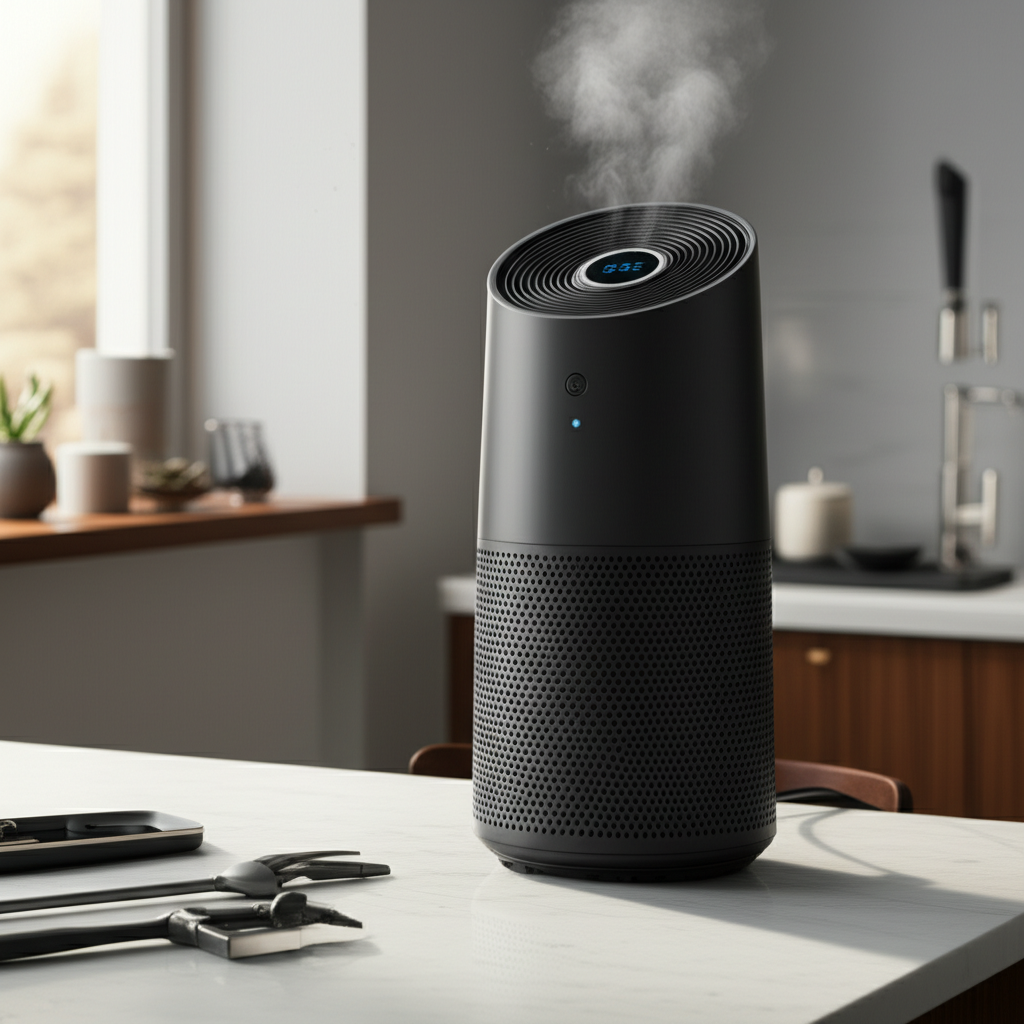
A charcoal air purifier for dust is a highly effective solution for trapping airborne particles, offering essential clean air by absorbing odors and VOCs alongside dust, making your home healthier and more comfortable.
Dust can be a real nuisance, settling on surfaces and circulating in the air we breathe. It’s not just unsightly; dust can trigger allergies and respiratory issues, impacting our well-being. If you’re tired of constant dusting and wish for fresher, cleaner air, you’re in the right place. I’ll guide you through how a charcoal air purifier for dust can be your secret weapon for a healthier home environment. We’ll explore what makes them so effective and how to choose the best one for your needs.
Why Dust is More Than Just an Annoyance
Dust is a complex mixture of tiny particles, including skin cells, fabric fibers, pet dander, pollen, and even microscopic insects. These particles don’t just sit on your furniture; they become airborne and can be inhaled, leading to a range of health problems. For many, dust is a primary trigger for allergies and asthma symptoms, causing sneezing, itchy eyes, and breathing difficulties. Beyond health concerns, a persistent layer of dust can make any home feel less welcoming and clean.
Understanding How Charcoal Air Purifiers Work
Charcoal, specifically activated charcoal or activated carbon, is a porous material with an incredibly large surface area. This unique structure allows it to act like a magnet for airborne contaminants. When air passes through the charcoal filter, dust particles and other pollutants are trapped within its pores. This process effectively removes not only visible dust but also odors and volatile organic compounds (VOCs) that often accompany dust.
The Science Behind Activated Charcoal Filters
Activated charcoal undergoes a special treatment process that significantly increases its porosity and surface area. This activation process creates millions of tiny pores that can adsorb (chemically bond to the surface) a wide range of molecules. Think of it like a microscopic sponge, but instead of water, it’s soaking up pollutants from your air. This adsorption capability is what makes charcoal filters so powerful in air purification.
Charcoal vs. HEPA Filters: What’s the Difference for Dust?
While HEPA filters are excellent at trapping particulate matter like dust, they have limitations. HEPA filters capture particles physically through a series of filters. Activated charcoal, on the other hand, excels at adsorbing gases, odors, and VOCs. For comprehensive air purification, many top-tier air purifiers combine both HEPA and charcoal filters. This dual approach ensures both particulate removal and odor neutralization for truly clean air.
Benefits of Using a Charcoal Air Purifier for Dust
The primary benefit is a significant reduction in airborne dust, leading to a cleaner living space. This is especially crucial for individuals with allergies or respiratory conditions. Beyond dust, these purifiers combat unpleasant odors from cooking, pets, or smoke. They also help remove harmful VOCs emitted from household products, contributing to better indoor air quality and overall health.
Key Features to Look For in a Charcoal Air Purifier
When selecting a charcoal air purifier for dust, consider the amount of activated charcoal used. A thicker, denser layer of charcoal generally means better adsorption capacity and longer filter life. Also, look for multi-stage filtration systems that include a pre-filter for larger particles, a HEPA filter for fine dust, and a substantial activated charcoal filter. Coverage area (CADR rating) and noise level are also important practical considerations for your home.
Top Charcoal Air Purifier Brands and Models
Several reputable brands offer excellent charcoal air purifiers for dust. Brands like Coway, Levoit, and Blueair are consistently praised for their performance and innovative features. For instance, the Coway Airmega series often features large charcoal filters and robust pre-filters designed for effective dust capture. Levoit’s Core series provides more compact, budget-friendly options that still incorporate effective charcoal filtration for smaller spaces. Always check specific model reviews for dust-handling capabilities.
Real-World Impact: User Experiences with Charcoal Air Purifiers
Many users report a noticeable difference in air quality shortly after using a charcoal air purifier. Allergy sufferers often share how their symptoms have improved significantly, with less sneezing and congestion. Pet owners frequently praise the elimination of lingering pet odors. One user on a popular review site mentioned, “I used to sneeze constantly in my living room, but after getting a charcoal air purifier, the dust seems to vanish, and I can finally breathe easier.”
Maintaining Your Charcoal Air Purifier for Optimal Performance
To ensure your charcoal air purifier for dust continues to perform effectively, regular maintenance is key. This typically involves cleaning or replacing the pre-filter regularly, as it catches larger dust particles. The HEPA filter should be replaced according to the manufacturer’s recommendations, usually every 6-12 months. Activated charcoal filters have a finite adsorption capacity and will eventually become saturated; they also need replacement, often annually, though this varies by model and usage.
Factors Influencing Filter Lifespan
The lifespan of your charcoal filter is influenced by several factors. The concentration of pollutants in your air is a major determinant; a dustier environment will saturate the filter faster. The size and quality of the charcoal filter itself also play a role, with larger, denser filters lasting longer. Running the air purifier on higher settings more frequently will also decrease filter life compared to lower settings.
How to Choose the Right Size and Capacity
Choosing the right size charcoal air purifier for dust depends on the room it will be used in. Look for the CADR (Clean Air Delivery Rate) rating, which indicates how quickly the unit can clean the air. A higher CADR means faster purification. Match the purifier’s recommended room size to your space. For example, a purifier rated for a 300 sq ft room might be ideal for a bedroom, while a larger unit is needed for a living area.
Integrating Charcoal Air Purifiers into a Healthy Home Routine
Incorporating a charcoal air purifier for dust is a simple yet powerful step towards a healthier home. Place it in rooms where you spend the most time, like bedrooms or living areas. Run it consistently, especially during peak dust times or when allergens are high. Combine its use with regular cleaning practices like vacuuming and dusting for maximum effectiveness. This proactive approach ensures you’re always breathing cleaner, fresher air.
Frequently Asked Questions About Charcoal Air Purifiers for Dust
How often should I replace the charcoal filter in my air purifier?
Typically, charcoal filters need replacement every 6 to 12 months, depending on the model, air quality, and usage. Some purifiers have indicators to alert you when it’s time for a change.
Can a charcoal air purifier eliminate all dust?
While a charcoal air purifier significantly reduces airborne dust, it works best in conjunction with a HEPA filter. The HEPA component traps the dust particles, while the charcoal adsorbs odors and gases.
Are charcoal air purifiers effective for pet dander?
Yes, charcoal air purifiers are very effective for pet dander, especially when combined with a HEPA filter. The HEPA traps the dander, and the charcoal helps neutralize the associated odors.
Do I need a separate air purifier for dust and odors?
Not necessarily. Many modern air purifiers, particularly those with activated charcoal and HEPA filters, are designed to tackle both dust and odors simultaneously. This dual functionality makes them a comprehensive solution.
What is the difference between activated charcoal and regular charcoal?
Activated charcoal is treated to be highly porous, giving it a much larger surface area for adsorption compared to regular charcoal. This increased porosity makes it far more effective at trapping pollutants from the air.
Can a charcoal air purifier help with smoke particles?
Yes, activated charcoal is highly effective at adsorbing smoke particles and the associated odors from the air. This makes charcoal air purifiers particularly useful for homes where smoking occurs or for areas affected by wildfire smoke.
Conclusion: Breathe Easier with a Charcoal Air Purifier for Dust
Investing in a charcoal air purifier for dust is investing in your health and comfort. These devices offer a powerful, natural way to cleanse your indoor air, removing not just dust but also unwelcome odors and harmful VOCs. By understanding how they work and choosing the right unit for your space, you can create a significantly healthier living environment. Start breathing easier and enjoy the benefits of truly clean air in your home.
For more tips on maintaining a healthy home environment, be sure to explore our other articles on home hygiene and air quality.
