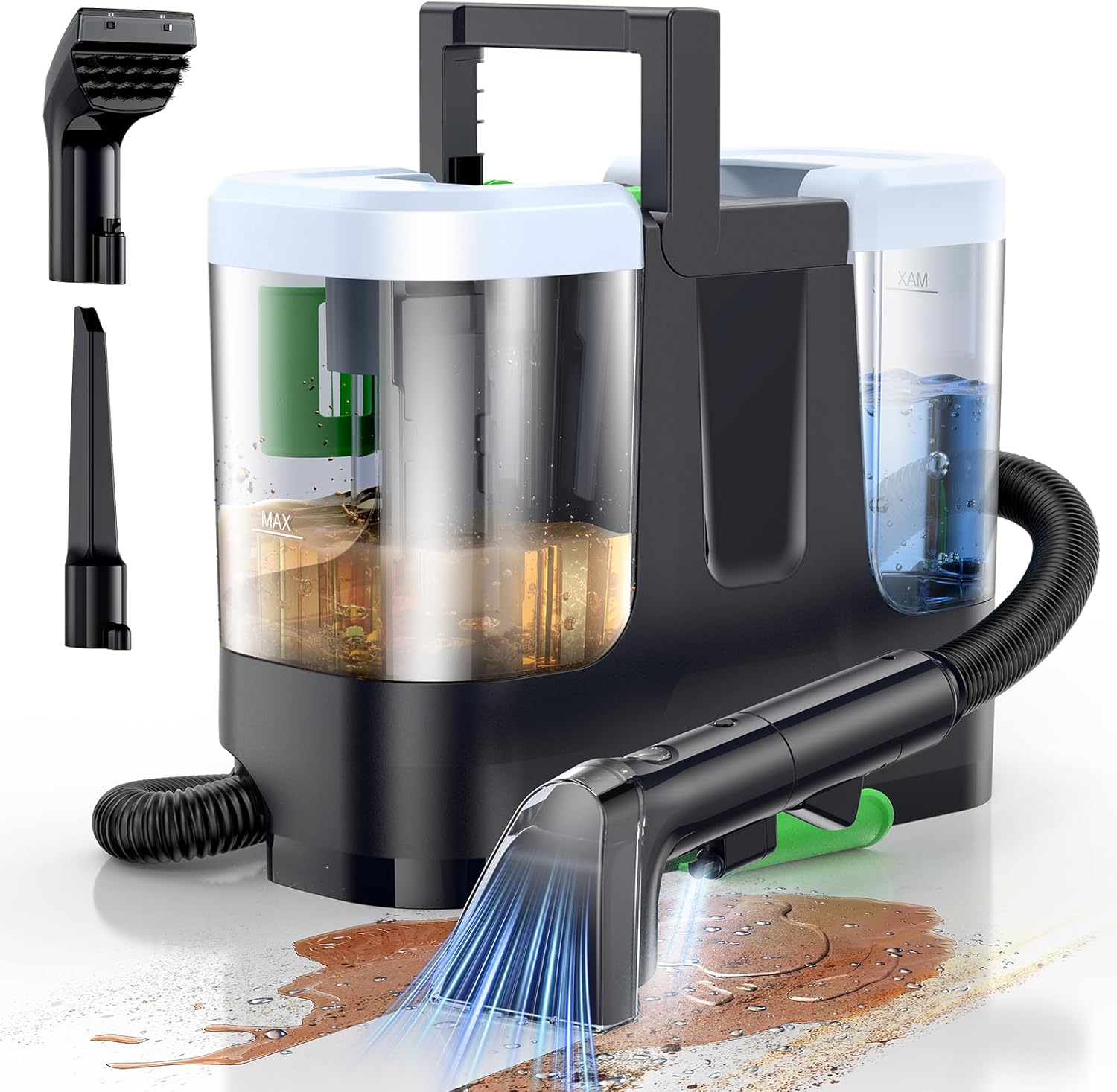
Cat Hair Vacuum Cleaner: Essential Pet Grooming Guide

Choosing the right cat hair vacuum cleaner can make a huge difference in keeping your home fresh, clean, and comfortable for both you and your pet.
Every cat owner knows the struggle. One moment, your cat is peacefully resting on the sofa. The next moment, the cushions, carpet, clothes, and corners of your home are covered with fine strands of fur. Cat hair is not only visible on surfaces, but it can also mix with dust and dander, making regular cleaning more difficult.
That is why a regular vacuum is not always enough. A proper cat hair vacuum cleaner is designed to lift stubborn fur, collect fine dander, and clean different surfaces more effectively. Whether you live in a small apartment or a large home, the right vacuum can save time, reduce frustration, and help create a healthier indoor environment.
For more helpful pet-care product ideas and smart home cleaning tips, you can also explore Petgadgetpro.com.
Why You Need a Dedicated Cat Hair Vacuum Cleaner
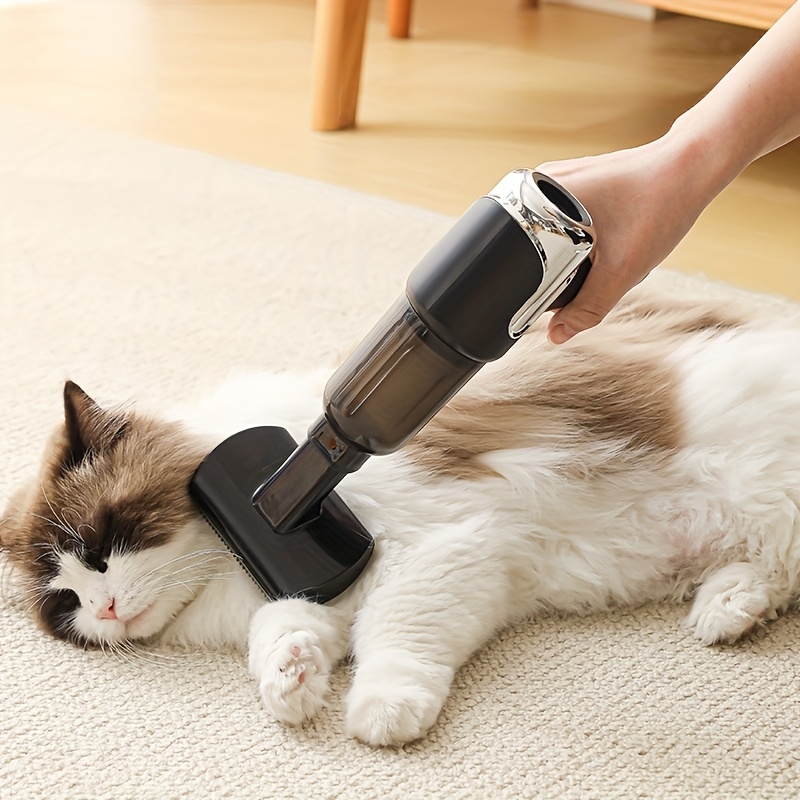
Cat hair is different from ordinary dust and dirt. It is light, fine, and often sticks tightly to fabric, carpets, rugs, and furniture. A basic vacuum may pick up surface-level hair, but it often fails to remove deeply embedded fur from upholstery and carpet fibers.
A dedicated cat hair vacuum cleaner is built for this exact problem. These vacuums usually come with stronger suction, pet-specific brush rolls, advanced filters, and attachments made for furniture, stairs, and corners. This makes cleaning faster and more effective.
If you have more than one cat, or if your cat sheds heavily, investing in a pet-hair vacuum can be a game-changer. It helps you stay ahead of daily shedding instead of waiting until hair builds up everywhere.
Understanding Cat Hair and Dander
To choose the best vacuum, it helps to understand what you are cleaning. Cat hair is thin and can easily get trapped in carpets, rugs, sofa covers, curtains, and bedding. It may look easy to remove, but once it settles into fabric, it becomes stubborn.
Dander is another important issue. It consists of tiny skin particles that cats naturally shed. Unlike visible hair, dander can float in the air and settle on surfaces around your home. For people with allergies, this can cause sneezing, irritation, and breathing discomfort.
That is why a good cat hair vacuum cleaner should not only remove visible fur but also capture fine particles through proper filtration.
Key Features to Look for in a Cat Hair Vacuum Cleaner

Not every vacuum is suitable for pet hair. Before buying one, focus on the features that directly improve hair removal, air quality, and ease of use.
1. Strong Suction Power
Suction power is one of the most important features in a cat hair vacuum cleaner. Cat hair can settle deep into carpet fibers, so weak suction may only clean the surface. A vacuum with strong suction can pull out embedded hair, dust, and dander more effectively.
If your home has thick carpets or rugs, prioritize a model known for deep-cleaning performance. For hard floors, strong suction is still useful because it helps collect hair before it spreads around the room.
2. Anti-Tangle Brush Roll
The brush roll is responsible for loosening hair from carpets and upholstery. However, pet hair can wrap around the brush and reduce cleaning performance. This is why an anti-tangle brush roll is extremely useful for cat owners.
Many modern pet vacuums use rubber brushes or special bristle designs to reduce hair wrapping. This saves time because you do not have to keep cutting hair from the roller after every cleaning session.
3. HEPA or High-Quality Filtration
Filtration is especially important if anyone in your home has allergies. A vacuum with a HEPA filter or high-efficiency filtration system can capture tiny particles such as pet dander, dust, pollen, and other allergens.
Without good filtration, a vacuum may collect visible dirt but release fine particles back into the air. For a cleaner and healthier home, filtration should be one of your top priorities.
4. Pet-Specific Attachments
Cat hair does not stay only on the floor. It collects on sofas, chairs, stairs, curtains, beds, and even inside cars. A good cat hair vacuum cleaner should include useful attachments such as:
- Mini motorized brush for sofas and stairs
- Crevice tool for corners and tight spaces
- Upholstery tool for fabric surfaces
- Soft dusting brush for delicate areas
These tools help you clean hidden hair from places that a standard vacuum head cannot reach.
5. Easy Maneuverability
A vacuum should be easy to move around furniture, under tables, and into narrow spaces. Lightweight designs, swivel steering, and cordless options can make cleaning more comfortable.
If you clean frequently, convenience matters. A heavy vacuum may offer power, but if it is difficult to use, you may avoid using it daily. The best option is one that balances power with comfort.
Types of Cat Hair Vacuum Cleaners

There are several types of vacuums available for pet owners. Each type has its own strengths, so the right choice depends on your home, flooring, budget, and cleaning habits.
Upright Vacuums
Upright vacuums are powerful and effective for large carpeted areas. They usually have wide cleaning heads and strong brush rolls, making them a solid choice for homes with heavy shedding.
Best for: Large homes, carpets, rugs, and deep cleaning.
- Pros: Strong suction, wide cleaning path, excellent carpet performance.
- Cons: Can be heavier and harder to use on stairs.
Canister Vacuums
Canister vacuums have a separate body and hose, which makes them flexible and easy to use around furniture. They are often great for hard floors, stairs, curtains, and detailed cleaning.
Best for: Mixed flooring, stairs, upholstery, and hard-to-reach areas.
- Pros: Flexible, powerful, good for detailed cleaning.
- Cons: Takes more storage space and may feel less convenient for quick cleaning.
Cordless Stick Vacuums
Cordless stick vacuums are lightweight and easy to grab for quick cleaning. They are perfect for daily cat hair pickup, especially on hard floors, small rugs, and furniture.
Best for: Quick cleanups, apartments, small homes, and everyday use.
- Pros: Lightweight, cordless, easy to store, convenient for frequent cleaning.
- Cons: Battery life and dustbin size may be limited.
Robot Vacuums
Robot vacuums are useful for maintaining daily cleanliness. They can automatically collect loose cat hair from floors while you focus on other tasks. However, they are usually better as a support tool rather than a complete replacement for deep cleaning.
Best for: Busy pet owners, daily maintenance, and hard floors.
- Pros: Automated cleaning, saves time, helps control daily shedding.
- Cons: May miss corners, can get stuck, and needs regular bin cleaning.
Bagged vs. Bagless Vacuums for Cat Hair
Both bagged and bagless vacuums can work well for cat hair, but they offer different advantages.
Bagged vacuums are often better for allergy sufferers because the dust, hair, and dander stay sealed inside the bag. When the bag is full, you simply remove and replace it with less dust exposure.
Bagless vacuums are convenient because you do not need to buy replacement bags. However, emptying the dustbin can release dust and dander into the air. If you choose a bagless model, look for one with a sealed filtration system and easy-empty bin.
How to Use a Cat Hair Vacuum Cleaner Effectively

Buying the right vacuum is only the first step. Using it properly will help you get better results and extend the life of the machine.
Vacuum Slowly
Do not rush over carpets or furniture. Moving the vacuum slowly gives the suction and brush roll enough time to lift embedded hair.
Clean in Different Directions
Cat hair can settle in different directions, especially on fabric. Vacuuming from multiple angles helps loosen and remove more hair.
Use Attachments on Furniture
Do not use only the main floor head. For sofas, chairs, stairs, and cushions, use a mini motorized brush or upholstery tool for better results.
Vacuum Frequently
For homes with cats, vacuuming two to three times per week is a good routine. If your cat sheds heavily, daily quick cleaning with a cordless vacuum or robot vacuum can help control buildup.
Maintenance Tips for Better Performance
Even the best cat hair vacuum cleaner needs regular maintenance. Pet hair can clog filters, wrap around brushes, and reduce airflow if the vacuum is not cleaned properly.
Empty the Dustbin or Replace the Bag
Do not wait until the dustbin is completely full. A full bin can reduce suction power. For bagless vacuums, empty the bin regularly. For bagged vacuums, replace the bag when needed.
Clean the Filters
Filters trap dust and dander, so they must be cleaned or replaced according to the manufacturer’s instructions. A clogged filter can weaken suction and reduce cleaning efficiency.
Check the Brush Roll
Hair can wrap around the brush roll over time. Check it regularly and remove tangled hair carefully. This allows the brush to spin properly and clean more effectively.
Inspect the Hose and Attachments
Pet hair and debris can sometimes block the hose or attachments. If you notice reduced suction, check these parts for clogs and clean them before using the vacuum again.
Frequently Asked Questions
What is the most important feature in a cat hair vacuum cleaner?
The most important features are strong suction, an effective brush roll, and good filtration. These three features help remove visible fur, embedded hair, and fine dander.
Can a normal vacuum remove cat hair?
A normal vacuum can remove light surface hair, but it may struggle with heavy shedding, carpets, and upholstery. A pet-specific vacuum is usually more effective.
How often should I vacuum if I have a cat?
Vacuuming two to three times per week is recommended for most cat owners. If your cat sheds a lot, daily quick cleaning can help keep hair under control.
Are bagged vacuums better for cat allergies?
Bagged vacuums are often better for allergies because they keep dust and dander sealed inside the bag. This reduces exposure when emptying the vacuum.
Why does my vacuum smell like pet hair?
Pet odors can build up when hair, dander, and dust stay inside the vacuum. Empty the bin, replace the bag, clean the filters, and check the brush roll regularly to reduce odors.
Final Thoughts
A good cat hair vacuum cleaner is more than a cleaning tool. It is an investment in a cleaner, fresher, and healthier home. Cat hair and dander can quickly build up on floors, furniture, and fabrics, but the right vacuum makes the job much easier.
When choosing a vacuum, focus on strong suction, anti-tangle brush design, quality filtration, pet-specific attachments, and ease of use. Whether you choose an upright, canister, cordless stick, or robot vacuum, the best option is the one that fits your home and cleaning routine.
With the right vacuum and regular maintenance, you can stay ahead of shedding, reduce allergens, and enjoy a cleaner living space with your cat. Start with the features that matter most, choose wisely, and make pet hair cleanup part of a simple, stress-free routine.