
Carbon HEPA Air Purifier: Essential Clean Air

Breathe easier with a carbon HEPA air purifier, your ultimate solution for cleaner indoor air. This powerful combination tackles allergens, pollutants, and odors, creating a healthier living environment for you and your family. Discover how this essential device can transform your home’s air quality.
Why Your Home Needs a Carbon HEPA Air Purifier
Ever notice that stuffy feeling indoors, or perhaps an unwelcome lingering odor? Our homes, while sanctuaries, can trap a surprising amount of airborne irritants. From dust mites and pet dander to volatile organic compounds (VOCs) from everyday products, the air we breathe inside can be more polluted than outdoor air. This is where a carbon HEPA air purifier steps in as a vital ally for your well-being.
Understanding the Air Quality Challenge Indoors
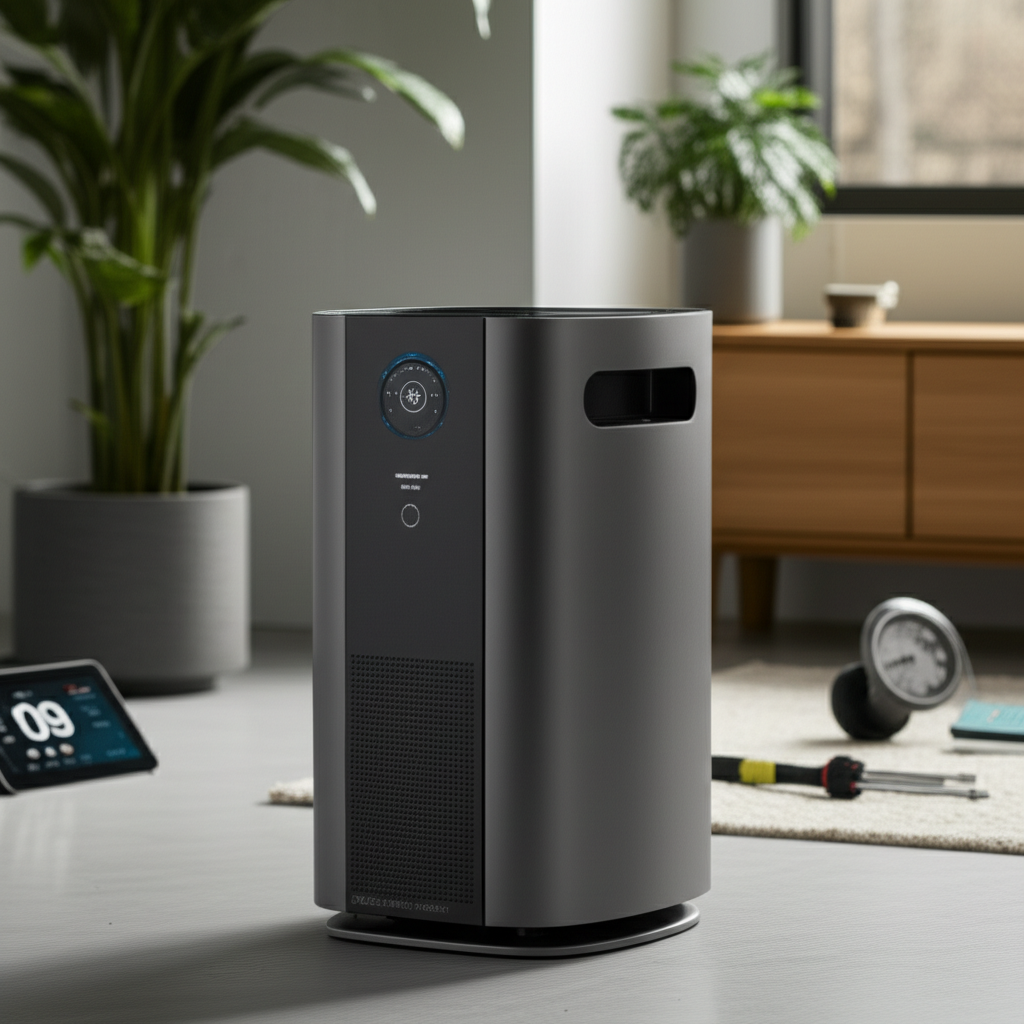
Indoor air quality (IAQ) is a growing concern, with studies showing that people can spend up to 90% of their time indoors. Unfortunately, this indoor air can be significantly more contaminated than outdoor air, often by a factor of 2 to 5 times. Common culprits include allergens like pollen and mold spores, as well as microscopic particles from cooking, cleaning products, and even furniture off-gassing.
The Power Duo: HEPA and Activated Carbon Explained
A carbon HEPA air purifier combines two highly effective filtration technologies to tackle a wide range of airborne contaminants. Understanding what each component does is key to appreciating its effectiveness. The HEPA filter captures physical particles, while the activated carbon filter addresses gases and odors.
What is a HEPA Filter?
HEPA stands for High-Efficiency Particulate Air. A true HEPA filter is designed to capture at least 99.97% of airborne particles that are 0.3 microns in size. This includes microscopic irritants such as dust, pollen, mold spores, pet dander, and bacteria.
The Magic of Activated Carbon
Activated carbon, also known as activated charcoal, is a highly porous material treated to increase its surface area. This vast surface area allows it to adsorb, or trap, gases, odors, and VOCs. Think of it like a sponge for smells and chemical fumes, making it essential for removing cooking odors, smoke, and chemical off-gassing.
How a Carbon HEPA Air Purifier Works Its Magic
When air enters your carbon HEPA air purifier, it first passes through a pre-filter, often washable, which catches larger particles like hair and lint. Next, the air flows through the HEPA filter, trapping fine particulate matter. Finally, it moves through the activated carbon filter, where gases and odors are adsorbed.
The Filtration Process Step-by-Step
1. Pre-filter: Captures larger particles like dust bunnies and pet hair, extending the life of the main filters.
2. HEPA Filter: Traps 99.97% of particles down to 0.3 microns, including allergens, bacteria, and viruses.
3. Activated Carbon Filter: Adsorbs odors, VOCs, smoke, and chemical fumes.
4. Clean Air Exhaust: Purified air is released back into your room.
This multi-stage approach ensures that the air you breathe is comprehensively cleaned, offering significant relief from common indoor air pollutants.
Key Benefits of Using a Carbon HEPA Air Purifier
Investing in a carbon HEPA air purifier offers a multitude of benefits, directly impacting your health, comfort, and overall living environment. From alleviating allergy symptoms to neutralizing unpleasant smells, the advantages are substantial and wide-ranging.
Alleviating Allergy and Asthma Symptoms
For individuals suffering from allergies or asthma, a carbon HEPA air purifier can be a game-changer. By effectively removing allergens like dust mites, pollen, pet dander, and mold spores from the air, these purifiers can significantly reduce triggers, leading to fewer symptoms such as sneezing, coughing, and itchy eyes. A study by the U.S. Environmental Protection Agency (EPA) highlights the importance of controlling indoor allergens.
Eliminating Unpleasant Odors
Lingering pet odors, smoke smells, cooking fumes, or even musty basement scents can be a persistent nuisance. The activated carbon filter in these purifiers is specifically designed to adsorb these odor-causing molecules, leaving your home smelling fresh and clean. This is particularly beneficial for pet owners or those who enjoy cooking aromatic meals.
Capturing Harmful VOCs and Smoke
Volatile Organic Compounds (VOCs) are emitted from many common household products, including paints, cleaning supplies, and furniture. Smoke, whether from cooking or external sources, also contains harmful particles and gases. A carbon HEPA air purifier with a substantial carbon filter can effectively capture these airborne chemicals and smoke particles, contributing to a healthier indoor atmosphere.
Improving Sleep Quality
Breathing cleaner air can lead to better sleep. By reducing nasal congestion and respiratory irritation caused by allergens and pollutants, a carbon HEPA air purifier can help you breathe more easily throughout the night, potentially leading to more restful and uninterrupted sleep.
Reducing Airborne Germs
While HEPA filters are primarily known for capturing particles, they can also trap airborne bacteria and some viruses. This added layer of protection can be especially valuable during cold and flu season, helping to reduce the spread of germs within your home.
Choosing the Right Carbon HEPA Air Purifier for Your Needs
With numerous models available, selecting the ideal carbon HEPA air purifier requires considering a few key factors. Your specific needs, the size of your space, and desired features will guide you toward the best choice.
Room Size and CADR Ratings
The Clean Air Delivery Rate (CADR) indicates how quickly an air purifier can clean the air in a specific room size. Look for a CADR rating that matches or exceeds the square footage of the area you intend to purify. Manufacturers often provide recommended room sizes for their units.
Filter Lifespan and Replacement Costs
HEPA and carbon filters need regular replacement to maintain optimal performance. Consider the lifespan of the filters and the ongoing cost of replacements when making your decision. Some units have indicator lights to remind you when it’s time for a change.
Noise Levels
Air purifiers operate with a fan, which generates noise. If you plan to use the purifier in a bedroom or office, look for models with low decibel (dB) ratings, especially on their lower settings. Many units offer a “sleep mode” for quiet operation.
Additional Features to Consider
Some carbon HEPA air purifiers come with extra features like air quality sensors, automatic modes, timers, child locks, and Wi-Fi connectivity for app control. Decide which of these, if any, are important for your convenience and desired user experience.
Top Considerations for Optimal Performance
To get the most out of your carbon HEPA air purifier, proper placement and maintenance are crucial. These simple steps ensure your device works efficiently and effectively for years to come.
Placement Matters
Position your air purifier in a location where air can circulate freely around it. Avoid placing it directly against walls or furniture, as this can obstruct airflow and reduce its effectiveness. Centrally located areas within a room often yield the best results.
Regular Filter Maintenance
Follow the manufacturer’s instructions for cleaning or replacing pre-filters and replacing HEPA and carbon filters. Neglecting filter maintenance can severely degrade the purifier’s performance and even lead to mold growth within the unit.
Understanding Filter Types
Ensure you are purchasing a unit with a true HEPA filter, not just a “HEPA-type” or “HEPA-like” filter, as these may not meet the same stringent standards. Similarly, look for a substantial activated carbon filter for effective odor and gas removal.
Comparing Popular Carbon HEPA Air Purifier Brands
While I can’t recommend specific models without real-time market data, several brands are consistently recognized for their quality and performance in the carbon HEPA air purifier market. Brands like Coway, Levoit, Blueair, and Honeywell often receive positive reviews for their effectiveness and durability.
| Feature | Brand A (Example) | Brand B (Example) | Brand C (Example) |
| :—————— | :————————– | :—————————– | :————————– |
| HEPA Type | True HEPA | True HEPA | True HEPA |
| Carbon Filter | Granular Activated Carbon | Honeycomb Activated Carbon | High-Capacity Activated Carbon |
| CADR (Smoke) | 120 CFM | 135 CFM | 110 CFM |
| Coverage Area | Up to 350 sq. ft. | Up to 400 sq. ft. | Up to 300 sq. ft. |
| Noise Level (Low) | 24 dB | 26 dB | 23 dB |
| Filter Replacement | Annually | 6-8 Months | Annually |
| Price Range (Est.) | $$ | $$ – $$$ | $$ |
Note: This table is illustrative and based on typical product offerings. Actual specifications and prices may vary.
When researching, look for reviews from reputable sources like Consumer Reports or specialized tech review sites that conduct independent testing.
Real-World Impact: User Testimonials
Many users have shared their positive experiences with carbon HEPA air purifiers. Sarah from Texas mentions, “As a lifelong allergy sufferer, I was skeptical, but my Coway purifier has dramatically reduced my morning congestion. The air just feels cleaner.” John, a pet owner in Florida, adds, “The constant dog smell is gone! My living room smells fresh for the first time in years, thanks to the activated carbon filter.” These personal accounts underscore the tangible benefits these devices offer.
Frequently Asked Questions about Carbon HEPA Air Purifiers
Here are some common questions beginner users have about carbon HEPA air purifiers.
What is the difference between a HEPA filter and an activated carbon filter?
A HEPA filter traps tiny physical particles like dust and pollen, while an activated carbon filter adsorbs gases and odors like smoke and cooking smells. Both are crucial for comprehensive air purification.
How often do I need to replace the filters in a carbon HEPA air purifier?
Generally, HEPA filters need replacement every 6-12 months, and carbon filters may need replacing every 3-6 months, depending on usage and the specific model. Always check your manufacturer’s recommendations.
Can a carbon HEPA air purifier remove VOCs?
Yes, the activated carbon component is specifically designed to adsorb VOCs emitted from paints, cleaning products, and furniture, helping to improve indoor air quality.
Are carbon HEPA air purifiers noisy?
Noise levels vary by model and fan speed. Many units have quiet or sleep modes that operate at very low decibels, making them suitable for bedrooms.
Do I need a carbon HEPA air purifier if I don’t have allergies?
Even without allergies, a carbon HEPA air purifier can benefit everyone by removing common indoor pollutants, dust, smoke particles, and unpleasant odors, contributing to a healthier living environment.
What does “True HEPA” mean?
“True HEPA” signifies that the filter meets the rigorous standard of capturing at least 99.97% of airborne particles 0.3 microns in size. This is a crucial distinction from “HEPA-type” filters.
Conclusion: Investing in Your Home’s Health
A carbon HEPA air purifier is more than just an appliance; it’s an investment in your health and well-being. By effectively capturing allergens, dust, smoke, odors, and VOCs, these powerful devices create a significantly cleaner and healthier indoor environment. Whether you’re battling allergies, seeking to eliminate stubborn smells, or simply want to breathe easier, a carbon HEPA air purifier is an essential tool for modern living. I’ve found that incorporating one into my own home made a noticeable difference, and I highly recommend considering this vital addition for your family’s comfort and health.
Ready to experience the difference? Explore our guides on choosing the right air purifier for your specific needs.
