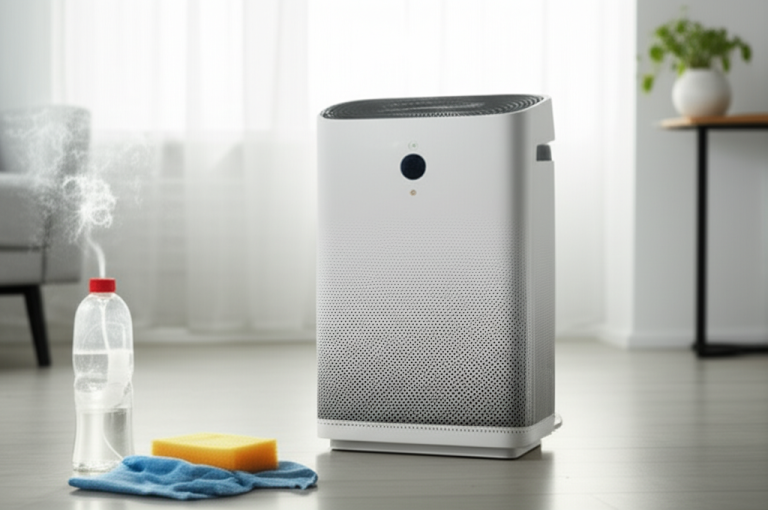
Carbon Air Purifier For Odor: Essential Odor Removal

A carbon air purifier for odor is your ultimate weapon against persistent smells, trapping them effectively for a fresher home. Discover why activated carbon is key to odor removal and how to choose the best unit for your needs.
The persistent smell of lingering cooking odors, pet dander, or even stale air can make your home feel less than welcoming. It’s a common frustration, leaving many searching for a reliable solution. Fortunately, the answer often lies in the powerful, natural properties of activated carbon. This guide will walk you through everything you need to know about using a carbon air purifier for odor removal, ensuring your living space smells as fresh as it looks. We’ll explore how these devices work, what to look for, and how to maximize their effectiveness.
Why Activated Carbon is a Game-Changer for Odor Removal
Activated carbon is a highly porous material with an incredibly large surface area, making it exceptionally effective at adsorbing odor molecules. Its unique structure allows it to trap and neutralize a wide range of volatile organic compounds (VOCs) that cause unpleasant smells. Unlike air fresheners that merely mask odors, a carbon air purifier for odor actively removes them from the air.
This process, known as adsorption, is a physical rather than chemical reaction. The carbon acts like a magnet for odor particles, pulling them out of circulation. Its effectiveness extends beyond simple household smells, tackling everything from smoke and pet odors to chemical fumes.
Understanding How a Carbon Air Purifier for Odor Works
At its core, a carbon air purifier for odor uses a fan to draw in air from your room. This air then passes through one or more filters, with the activated carbon filter being the star player for odor elimination. As the air flows through the carbon bed, odor-causing molecules chemically bond to the carbon’s surface. The purified air is then released back into the room, leaving it smelling noticeably fresher.
Many advanced air purifiers combine activated carbon filters with other filtration technologies, like HEPA filters, to tackle both odors and airborne particles. This multi-stage approach offers comprehensive air purification for a healthier home environment. The longevity of the carbon filter depends on the amount of pollutants it adsorbs and the overall air quality.
The Science Behind Activated Carbon’s Odor-Absorbing Power
Activated carbon is essentially charcoal that has been treated to become extremely porous. This treatment, often involving steam or chemicals at high temperatures, creates millions of tiny pores and cavities within the carbon structure. These pores dramatically increase the surface area available for adsorption. A single gram of activated carbon can have a surface area of over 3,000 square meters, which is about the size of a football field.
This vast surface area is what allows activated carbon to capture and hold onto a wide array of odor-causing compounds. These compounds, often referred to as VOCs, can be released from common household items, cleaning products, and even biological processes. The effectiveness of a carbon air purifier for odor is directly linked to the quality and quantity of activated carbon used in its filter.
Key Features to Look for in a Carbon Air Purifier for Odor
When selecting a carbon air purifier for odor, several features are crucial for optimal performance. The amount of activated carbon in the filter is paramount; a thicker, heavier carbon filter will generally last longer and absorb more odors than a thin, carbon-impregnated mesh. Look for units that specify the weight or density of their carbon filter.
Consider the type of carbon used, as well. Coconut shell carbon is often preferred for its high adsorption capacity. Additionally, check for pre-filters to capture larger particles like dust and hair, extending the life of the carbon filter. A good carbon air purifier will also have a CADR (Clean Air Delivery Rate) suitable for your room size.
Here’s a quick comparison of filter types:
| Filter Type | Primary Function | Odor Removal Effectiveness |
|——————|—————————————————|—————————-|
| Activated Carbon | Adsorbs VOCs, gases, and odor molecules | Excellent |
| HEPA Filter | Captures fine particulate matter (dust, pollen) | Minimal (for odors) |
| Pre-filter | Traps larger particles (hair, lint) | Minimal (for odors) |
Types of Odors a Carbon Air Purifier Can Tackle
A high-quality carbon air purifier for odor can effectively combat a wide spectrum of unpleasant smells. This includes persistent cooking odors from frying, baking, or strong spices. Pet owners will find relief from the distinct aroma of pet dander and litter boxes.
Smoke odors, whether from cigarettes, cigars, or even wildfire events, are another common target. VOCs released from new furniture, carpets, paints, and cleaning chemicals can also be significantly reduced. Even musty or damp smells associated with mold and mildew can be addressed, contributing to a healthier indoor environment.
Where to Place Your Carbon Air Purifier for Maximum Odor Control
Strategic placement of your carbon air purifier for odor is key to achieving the best results. For general odor control, place the unit in the room where odors are most frequently generated or where you spend the most time. This might be the kitchen, living room, or bedroom.
Ensure the air purifier has adequate space around it for unobstructed airflow. Avoid placing it directly against walls or furniture, as this can impede its ability to draw in air and circulate purified air. For specific odor issues, like a persistent pet smell in a particular room, placing the unit in that room will yield the fastest improvements.
Maintaining Your Carbon Air Purifier for Ongoing Odor Removal
Regular maintenance is essential to ensure your carbon air purifier for odor continues to perform effectively. The primary maintenance task is replacing the activated carbon filter. The lifespan of a carbon filter varies significantly based on the model, the amount of odor it’s treating, and the overall air quality in your home.
Most manufacturers recommend replacing carbon filters every 6 to 12 months. Some units have filter replacement indicators to help you keep track. Neglecting to replace the carbon filter will diminish its odor-absorbing capacity, rendering the purifier less effective. Always follow the manufacturer’s specific maintenance guidelines.
Carbon Air Purifiers vs. Other Odor Removal Methods
When comparing odor removal methods, a carbon air purifier for odor stands out for its effectiveness and long-term solution. Air fresheners, while convenient, only mask odors temporarily and can introduce their own set of chemicals into the air. Scented candles and diffusers offer a similar masking effect.
Baking soda and charcoal bags can absorb some odors, but their capacity is limited compared to a dedicated air purifier. Vinegar can neutralize some smells, but its own strong odor can be off-putting. A carbon air purifier offers a passive, continuous, and comprehensive approach to eliminating odors at their source.
Here’s a brief look at common odor removal techniques:
| Method | How it Works | Effectiveness for Odors |
|————————-|———————————————–|————————-|
| Carbon Air Purifier | Adsorbs odor molecules from the air | High |
| Air Fresheners | Masks odors with fragrances | Low (temporary) |
| Baking Soda/Charcoal | Absorbs some odor molecules | Medium (limited capacity) |
| Vinegar | Neutralizes some odor molecules | Medium (can leave scent) |
| Scented Candles/Diffusers | Releases fragrances to mask odors | Low (temporary) |
Choosing the Right Carbon Air Purifier for Your Needs
Selecting the perfect carbon air purifier for odor involves considering your specific needs and budget. For larger spaces or particularly stubborn odors, look for units with higher CADR ratings and a substantial amount of activated carbon. Smart features, such as app control and air quality monitoring, can add convenience for tech-savvy users.
Consider the noise level of the unit, especially if it will be used in a bedroom or living area. Some models offer multiple fan speeds, allowing you to adjust performance based on the odor intensity. Read reviews from other users who have similar odor challenges to gauge real-world performance.
When to Consider a Specialized Carbon Filter
While standard activated carbon filters are highly effective, specialized carbon filters exist for specific odor challenges. For instance, some purifiers offer enhanced carbon filters formulated to target particular types of VOCs, such as formaldehyde or ammonia. These are particularly useful for homes with new furnishings or those located near industrial areas.
For extreme smoke odor situations, such as after a fire, a filter with a significantly higher density and weight of activated carbon is recommended. These specialized filters offer a more robust adsorption capacity, ensuring thorough odor removal. Always check the product specifications to ensure the filter is designed for your specific odor concerns.
Frequently Asked Questions about Carbon Air Purifiers for Odor
What is the main benefit of using a carbon air purifier for odor?
The main benefit is its ability to effectively trap and neutralize odor-causing molecules from the air, rather than just masking them.
How long do carbon filters typically last?
Carbon filters usually need replacement every 6 to 12 months, depending on usage and the severity of odors.
Can a carbon air purifier remove all types of odors?
While highly effective for most common household odors, extremely strong or persistent chemical odors might require specialized filters or professional treatment.
Do I need a HEPA filter if I only care about odor removal?
A HEPA filter primarily removes particulate matter like dust and pollen. While it doesn’t directly remove odors, combining it with a carbon filter provides comprehensive air purification.
Can a carbon air purifier help with pet odors?
Yes, carbon air purifiers are excellent at removing pet dander odors and other pet-related smells from the air.
How much activated carbon is enough in an air purifier?
More activated carbon is generally better. Look for purifiers with a substantial amount of carbon, often indicated by filter weight or density.
Will a carbon air purifier make my home smell sterile?
No, it removes unpleasant odors, leaving the air smelling fresh and clean, not sterile.
Conclusion: Breathe Easier with a Carbon Air Purifier for Odor
Investing in a carbon air purifier for odor is one of the most effective strategies for maintaining a fresh and pleasant home environment. By understanding how activated carbon works its magic, you can confidently choose a unit that tackles your specific odor challenges. Remember to look for ample carbon, consider your room size, and adhere to regular filter maintenance for continuous odor-free living. With the right carbon air purifier for odor, you can finally say goodbye to lingering smells and enjoy the clean, inviting atmosphere you deserve.