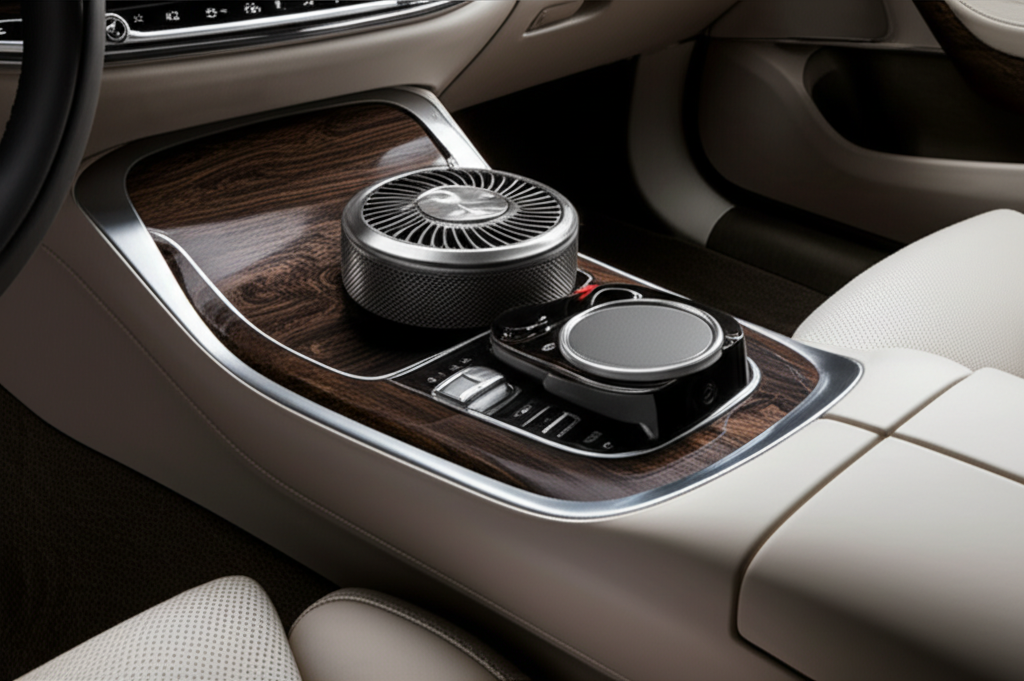
Car Air Purifiers: Essential Guide

Car air purifiers are vital for cleaner, healthier air inside your vehicle, removing pollutants like allergens, dust, and odors. This guide helps you choose the best car air purifiers for a more comfortable and safe driving experience.
The air inside your car can be surprisingly polluted, often containing more contaminants than the air outside. From dust and pollen to pet dander and exhaust fumes, your vehicle can become a breeding ground for airborne irritants. This can be particularly frustrating for allergy sufferers or anyone concerned about their health. Fortunately, a simple solution exists: car air purifiers. These compact devices are designed to tackle these airborne challenges, ensuring you breathe easier on every journey. Let’s dive into everything you need to know about finding the perfect car air purifier for your needs.
Why Are Car Air Purifiers Important?
Car air purifiers are crucial for removing harmful pollutants like allergens, dust, and VOCs from your vehicle’s cabin, leading to improved respiratory health and a more pleasant driving environment. They act as a shield against the invisible threats lurking in the air you breathe daily. This is especially important given that indoor air quality can be significantly worse than outdoor air.
Studies have shown that vehicle interiors can accumulate high concentrations of particulate matter. For instance, a 2017 study published in the journal Atmospheric Environment found that levels of fine particulate matter (PM2.5) inside cars can exceed those outside, particularly in urban traffic. Breathing in these pollutants over time can contribute to respiratory issues, allergies, and general discomfort.
How Do Car Air Purifiers Work?
Car air purifiers typically use a multi-stage filtration system to capture airborne particles, with HEPA filters being the most effective for removing microscopic contaminants. Many models also incorporate activated carbon filters to tackle odors and volatile organic compounds (VOCs). Some advanced units may even use UV-C light or ionization to further purify the air, though it’s wise to ensure these features are safe and don’t produce ozone.
The process generally involves a fan drawing air into the unit. This air then passes through various filters. The first filter might catch larger particles like hair, while subsequent filters trap smaller ones. Finally, the cleaned air is released back into your car’s cabin. This continuous circulation helps maintain a fresher environment.
Types of Car Air Purifiers
Car air purifiers come in various forms, including plug-in devices, those that fit into cup holders, and even models that integrate with your car’s existing air conditioning system. Each type offers different benefits in terms of coverage, power, and ease of use. Understanding these distinctions will help you select the right one for your specific vehicle and needs.
Here’s a breakdown of common types:
Plug-in (Cigarette Lighter/USB): These are the most common and plug directly into your car’s power outlet. They are generally compact and easy to set up.
Cup Holder Purifiers: Designed to fit snugly into your car’s cup holders, these are discreet and offer good air circulation.
Vent Clip Purifiers: These attach to your car’s air vents and use the airflow from your HVAC system to disperse purified air.
Larger Console/Under-Seat Models: These are more powerful and can cover a larger area but require more space for placement.
Integrated Systems: Some high-end vehicles come with built-in air purification systems, often linked to the climate control.
Key Features to Consider
When selecting car air purifiers, prioritize features like filter type (HEPA is key), coverage area, noise level, power source, and ease of maintenance. A good car air purifier should effectively remove pollutants without being overly disruptive or difficult to manage. Consider your car’s size and your primary air quality concerns.
Here are essential features to look for:
Filtration System:
HEPA Filter: Essential for capturing 99.97% of particles 0.3 microns in size, including allergens, dust mites, and mold spores.
Activated Carbon Filter: Crucial for absorbing odors from smoke, food, pets, and VOCs.
Pre-filter: Catches larger particles like hair and dust, extending the life of the main filters.
Coverage Area (CADR): Look for the Clean Air Delivery Rate (CADR), which indicates how quickly the unit can purify air in a specific space. Ensure it’s suitable for your car’s interior volume.
Noise Level: Most car purifiers operate quietly, but check the decibel (dB) rating if you’re sensitive to noise.
Power Source: Most use a 12V car outlet or USB.
Size and Design: Ensure it fits comfortably in your car without obstructing your view or controls.
Filter Replacement: Check how often filters need replacing and their cost.
Understanding Filtration Technology
The effectiveness of car air purifiers hinges on their filtration technology, with HEPA and activated carbon filters being the gold standard for removing particulates and odors, respectively. A multi-stage approach offers the most comprehensive air cleaning. Understanding these technologies will help you discern between basic models and those offering superior performance.
High-Efficiency Particulate Air (HEPA) Filters: These are mechanical filters that trap tiny particles. True HEPA filters are certified to remove at least 99.97% of airborne particles 0.3 micrometers (µm) in diameter. This includes pollen, dust, pet dander, and mold spores.
Activated Carbon Filters: These filters use charcoal that has been treated to be extremely porous. This porosity allows them to adsorb (not absorb) gases, odors, and chemicals like VOCs. They are excellent for eliminating smells from food, smoke, or even that “new car smell” which can be a VOC.
Pre-filters: These are typically washable mesh filters designed to capture larger debris like hair and lint. They protect the more delicate HEPA and carbon filters, extending their lifespan.
Ionizers and UV-C Light: Some purifiers use these technologies. Ionizers release negative ions to charge particles, causing them to clump and fall. UV-C light can kill bacteria and viruses. However, some ionizers can produce ozone, which is a lung irritant. Always check for ozone-free certifications.
Top Car Air Purifier Brands and Models
Several reputable brands offer effective car air purifiers, with models like the Dyson Purifier Cool, Molekule Air Mini+, and Blueair Blue Pure 411 excelling in performance and features. While specific model availability and features can change, these brands consistently receive positive reviews for their air cleaning capabilities. Researching current offerings from these and other trusted manufacturers is recommended.
Here are some brands known for quality air purification products:
Dyson: Offers advanced technology with sleek designs, often combining purification with fan functionality.
Molekule: Utilizes a unique PECO filter technology that destroys pollutants rather than just trapping them.
Blueair: Known for high-performance filtration systems and quiet operation.
Coway: A popular brand offering effective HEPA filtration at competitive price points.
* Levoit: Provides a range of affordable and effective air purifiers for various spaces, including cars.
When looking at specific models, always check recent reviews and specifications to ensure they meet your needs. For example, the Levoit Core 300S is a popular choice for its effectiveness and smart features, though primarily designed for room use, smaller versions are available for cars.
Installation and Maintenance Tips
Proper installation and regular maintenance are key to maximizing the performance of your car air purifiers, ensuring clean air and extending the device’s lifespan. Most units are straightforward to set up, but understanding filter replacement schedules and cleaning routines is crucial for ongoing effectiveness. Treat your car air purifier like any other appliance that requires upkeep.
Here’s how to keep your car air purifier running smoothly:
1. Placement: Position the unit where it won’t obstruct driving and allows for optimal air intake and circulation. A cup holder or a secure spot on the passenger seat are common choices.
2. Power Connection: Securely plug the power cord into your car’s 12V outlet or USB port. Ensure the cord is tidy and not a tripping hazard.
3. Filter Check: Refer to your manual for the recommended filter replacement schedule. This can range from 3 to 12 months depending on usage and air quality.
4. Filter Replacement: When it’s time, carefully remove the old filter and insert the new one, ensuring it’s properly seated.
5. Cleaning the Exterior: Wipe down the unit’s exterior with a damp cloth periodically. Avoid using harsh chemicals.
6. Pre-filter Cleaning: If your unit has a washable pre-filter, clean it according to the manufacturer’s instructions to remove larger debris.
Neglecting maintenance can lead to reduced airflow, decreased purification efficiency, and even potential damage to the unit.
Are Car Air Purifiers Worth the Investment?
Car air purifiers are a worthwhile investment for anyone concerned about air quality, especially those with allergies, asthma, or who frequently drive in polluted areas. The benefits of breathing cleaner air, reducing allergens, and eliminating odors significantly contribute to a healthier and more comfortable driving experience. Considering the relatively low cost compared to health impacts, they offer excellent value.
Think of it this way: you invest in keeping your home’s air clean; your car deserves the same attention. With advancements in technology, effective car air purifiers are more accessible and efficient than ever. They can transform your daily commute from a potential health hazard into a refreshing escape.
Frequently Asked Questions About Car Air Purifiers
What is the best car air purifier for allergies?
For allergies, look for a car air purifier with a true HEPA filter. This ensures it captures tiny allergens like pollen, dust mites, and pet dander effectively. Brands like Blueair and Coway often offer models with excellent HEPA filtration suitable for allergy sufferers.
How often should I replace the filter in my car air purifier?
Filter replacement frequency varies by model and usage. Typically, you’ll need to replace filters every 3 to 12 months. Always consult your device’s manual for specific recommendations and check if the filter looks visibly dirty.
Can car air purifiers remove smoke smell?
Yes, many car air purifiers are effective at removing smoke smell. Look for models with a substantial activated carbon filter, as this component is specifically designed to adsorb odor molecules from smoke and other sources.
Do car air purifiers use a lot of electricity?
Most car air purifiers are designed to be energy-efficient, drawing power from your car’s 12V outlet or USB port. They generally consume very little electricity, comparable to charging a smartphone, so they won’t significantly drain your car’s battery.
Are ozone-producing car air purifiers safe?
Ozone-producing air purifiers are generally not recommended for use in enclosed spaces like car cabins. Ozone is a lung irritant, and prolonged exposure can be harmful to your respiratory health. Opt for ozone-free certified models.
Conclusion
Investing in car air purifiers is a proactive step towards ensuring a healthier and more pleasant environment within your vehicle. By understanding the different types, key features, and maintenance requirements, you can confidently choose a device that effectively tackles pollutants, allergens, and odors. Breathe easier and enjoy every drive knowing your air is cleaner.
Explore our range of home air quality solutions at HomeHygia.com to extend that clean air experience beyond your car.