
Car Air Purifier HEPA Filter: Essential Clean Air

A car air purifier HEPA filter is crucial for trapping allergens, pollutants, and odors inside your vehicle, ensuring a healthier and more pleasant driving experience. This guide explores their benefits, how they work, and why choosing the right one is essential for clean air on the go.
You spend a significant amount of time in your car, and the air you breathe inside can be surprisingly polluted. From exhaust fumes and dust to allergens and lingering odors, your car’s interior can become a breeding ground for airborne irritants. This can impact your health and comfort, especially on longer drives or commutes. But what if there was a simple solution to ensure the air you breathe is clean and fresh?
In this guide, I’ll walk you through everything you need to know about the car air purifier HEPA filter. We’ll uncover why it’s an essential component for a healthier drive, how these filters work their magic, and what to look for when choosing the best one for your needs. Get ready to transform your car into a sanctuary of clean air.
Why Your Car Needs a HEPA Air Purifier
Your car’s cabin is a confined space where air circulates continuously. This trapped air can accumulate various contaminants, affecting your well-being. A HEPA filter is designed to combat these issues effectively.
A car air purifier HEPA filter is more than just an accessory; it’s a vital tool for improving your health and driving comfort. Studies have shown that indoor air quality can be significantly worse than outdoor air, and your car is no exception. Without proper filtration, you and your passengers are constantly exposed to microscopic particles that can trigger allergies, asthma, and other respiratory issues.
The Invisible Culprits in Your Car’s Air
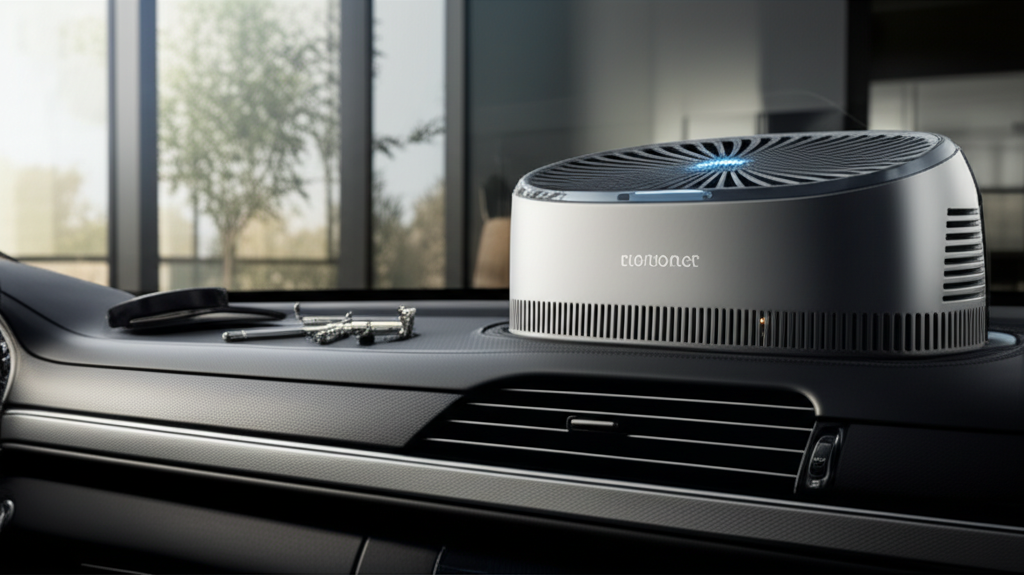
Think about what gets stirred up inside your car. Dust, pollen, pet dander, mold spores, and even microscopic bacteria and viruses can all become airborne. These particles, often too small to see, can easily be inhaled, leading to sneezing, coughing, itchy eyes, and more serious health concerns over time.
Furthermore, unpleasant odors from food, smoke, or even just general staleness can make your driving experience far from enjoyable. A standard car ventilation system might circulate air, but it doesn’t necessarily purify it effectively against these fine particles and persistent smells. This is where the power of a HEPA filter truly shines.
HEPA: The Gold Standard in Air Filtration
HEPA stands for High-Efficiency Particulate Air. A true HEPA filter is a mechanical air filter that works by forcing air through a fine mesh that traps a high percentage of airborne particles. To be classified as HEPA, a filter must remove at least 99.97% of particles that are 0.3 microns in size.
This incredibly fine filtration capability means a car air purifier HEPA filter can capture even the smallest and most harmful airborne contaminants. It’s the same technology trusted in hospitals and clean rooms to maintain sterile environments, now available to make your car a healthier space.
How a Car Air Purifier HEPA Filter Works
Understanding the mechanics behind a car air purifier HEPA filter demystifies its effectiveness. It’s a multi-stage process designed to capture a wide range of pollutants.
Essentially, a car air purifier uses a fan to draw in the air from your car’s cabin. This air is then passed through a series of filters, with the HEPA filter being the most critical component. As the air moves through the dense mesh of the HEPA filter, particles like dust, pollen, and smoke are physically trapped.
The Filtration Journey: From Dirty to Clean Air
Most car air purifiers incorporate a pre-filter to catch larger particles like hair and lint, extending the life of the HEPA filter. After the pre-filter, the air passes through an activated carbon filter, which is excellent at absorbing odors, gases, and volatile organic compounds (VOCs). Finally, the air reaches the HEPA filter, which captures the remaining microscopic irritants.
The purified air is then released back into your car’s cabin, creating a continuous cycle of cleaner air. This process significantly reduces the concentration of pollutants, making your driving environment much healthier.
The Science Behind HEPA Filtration
The effectiveness of a HEPA filter lies in its dense, fibrous material, typically made from borosilicate glass fibers. These fibers are arranged randomly, creating a complex network of pathways. Particles are trapped through several mechanisms:
Impaction: Larger particles collide directly with the filter fibers and stick.
Interception: Medium-sized particles follow the airflow but brush against fibers as they pass, getting caught.
* Diffusion: The smallest particles move erratically due to collisions with air molecules. This random movement increases their chances of hitting and adhering to a fiber.
This multi-pronged approach ensures that particles of various sizes are captured, making the car air purifier HEPA filter exceptionally effective.
Key Benefits of Using a Car Air Purifier with HEPA
Investing in a car air purifier HEPA filter offers a tangible improvement to your daily life. The benefits extend beyond just smelling fresher air.
The most significant advantage is the improved air quality for you and your passengers. For individuals with allergies or respiratory sensitivities, this can mean a dramatic reduction in symptoms. Driving can become a more comfortable and less irritating experience, free from the constant battle against airborne triggers.
Breathing Easier: Allergy and Asthma Relief
If you suffer from allergies or asthma, the air inside your car can be a major trigger. Pollen, dust mites, pet dander, and mold spores can accumulate rapidly. A HEPA filter effectively captures these allergens, significantly reducing your exposure and potential for allergic reactions or asthma attacks.
This can make commutes much more bearable and long road trips less stressful for those with respiratory conditions. It provides a personal bubble of cleaner air, no matter what the outdoor air quality is like or what your car’s interior harbors.
Eliminating Odors and Smells
Beyond allergens, a car air purifier HEPA filter system, especially with an activated carbon component, is superb at neutralizing odors. Whether it’s the lingering smell of fast food, cigarette smoke, or pet odors, these filters work to break down odor-causing molecules.
This means your car interior will smell consistently fresh, enhancing the overall driving experience. It’s like having a portable scent-free zone that continuously refreshes itself.
Reducing Exposure to Harmful Pollutants
Cars are exposed to a variety of external pollutants, including exhaust fumes, industrial emissions, and smog. These microscopic particles can penetrate deep into your lungs. A HEPA filter acts as a barrier, trapping many of these harmful airborne contaminants before they can be inhaled within the confines of your vehicle.
A study by the U.S. Environmental Protection Agency (EPA) highlights the significant impact of indoor air quality on health, and your car’s cabin is a prime example of an indoor environment. Using a HEPA purifier helps mitigate these risks.
What to Look for in a Car Air Purifier HEPA Filter
Not all car air purifiers are created equal. When choosing a car air purifier HEPA filter, consider several factors to ensure you get the best performance for your needs.
The primary consideration is the type of filter used. Ensure it explicitly states “HEPA” or “True HEPA” and not just “HEPA-type” or “HEPA-like,” as these are often less effective. Look for certifications that verify the filter’s performance.
True HEPA vs. HEPA-Type Filters
This distinction is critical for effectiveness. A “True HEPA” filter meets the strict standard of removing 99.97% of particles at 0.3 microns. A “HEPA-type” or “HEPA-like” filter may capture some particles but does not meet the same rigorous standard. Always opt for a true HEPA filter for maximum air purification.
Coverage Area and Airflow (CADR)
Consider the size of your car’s interior. A small, compact purifier might be sufficient for a sedan, while an SUV or larger vehicle might require a more powerful unit. Look for the Clean Air Delivery Rate (CADR), which indicates how quickly the purifier can clean the air in a given space. A higher CADR generally means better performance.
Additional Features to Consider
Some purifiers offer advanced features like multiple fan speeds, filter replacement indicators, and even UV-C light technology for additional sanitization. Consider your budget and specific needs when evaluating these extras. A quiet operation is also a plus for a more peaceful drive.
Filter Lifespan and Replacement Costs
HEPA filters need to be replaced periodically to maintain their effectiveness. Check the manufacturer’s recommendations for filter lifespan (often measured in months or hours of use) and the cost of replacement filters. This ongoing cost is an important part of the total ownership expense.
How to Maintain Your Car Air Purifier HEPA Filter
Proper maintenance is key to ensuring your car air purifier HEPA filter continues to deliver clean air effectively and efficiently. Neglecting maintenance can reduce its performance and shorten its lifespan.
The most crucial maintenance task is regular filter replacement. Over time, the HEPA filter becomes clogged with trapped pollutants, reducing airflow and its ability to capture new particles. Always follow the manufacturer’s recommended replacement schedule.
Understanding Filter Replacement Schedules
Manufacturers typically provide guidelines for how often the HEPA filter should be replaced. This is often based on usage hours or a set number of months. Factors like the air quality in your area and how frequently you use the purifier can affect its lifespan.
Pay attention to any filter indicator lights on your purifier, which signal when it’s time for a change. If you notice a decrease in airflow or a return of odors, it might be time to replace the filter sooner than recommended.
Cleaning Pre-filters and the Unit
Many car air purifiers have a washable pre-filter. Cleaning this regularly can help extend the life of the main HEPA filter by removing larger debris. Gently vacuuming or rinsing the pre-filter according to the manufacturer’s instructions is usually sufficient.
Periodically, you should also wipe down the exterior of the air purifier unit with a damp cloth to remove dust and ensure the air intake vents are clear. This prevents dust buildup that could impede performance.
Storing Your Purifier When Not in Use
If you need to temporarily remove the purifier from your car, store it in a clean, dry place. Ensure the filters are protected from excessive moisture or dust. This helps maintain the integrity of the filtration media until it’s back in use.
Common Car Air Purifier HEPA Filter Problems and Solutions
Even with the best intentions, you might encounter issues with your car air purifier HEPA filter. Knowing common problems and their solutions can save you time and frustration.
One frequent issue is reduced airflow. This is almost always a sign that the filter is clogged and needs replacement. If the unit suddenly stops working, check the power connection and ensure it’s properly plugged into your car’s power outlet.
Reduced Airflow or No Airflow
Problem: The purifier is running, but you don’t feel much air coming out, or it has stopped altogether.
Solution: This is typically caused by a clogged HEPA filter. Remove and inspect the filter; if it appears dirty or dusty, it needs replacement. Also, ensure the air intake and outlet vents are not obstructed by anything in your car.
Unusual Noises
Problem: The purifier is making strange grinding, rattling, or buzzing sounds.
Solution: Check for any foreign objects that might have gotten into the fan or filter housing. If the noise persists after ensuring nothing is obstructing the unit, it could indicate a problem with the fan motor, and you may need to contact the manufacturer for support.
Lingering Odors Despite Filtration
Problem: The purifier seems to be running, but unpleasant smells remain in the car.
Solution: This could mean the activated carbon filter component is saturated and needs replacement. If your unit has a separate carbon filter, check its condition. It’s also possible the HEPA filter is overwhelmed or the unit is too small for the car’s interior.
Filter Replacement Indicator Light Stays On
Problem: The indicator light signals a need for filter replacement, but you’ve just replaced it.
Solution: Most units require a reset procedure after changing the filter. Consult your purifier’s manual for specific instructions on how to reset the filter indicator. Sometimes, a faulty sensor can also cause this issue.
Choosing the Right Car Air Purifier for Your Needs
Selecting the perfect car air purifier HEPA filter involves matching its capabilities to your specific driving environment and personal requirements. It’s about finding a balance between performance, features, and cost.
Consider the primary reason you need an air purifier. Are you battling severe allergies, dealing with persistent odors, or simply seeking a healthier breathing environment? Your main concern will guide your choice of purifier and its features.
For Allergy Sufferers
If allergies are your primary concern, prioritize a purifier with a true HEPA filter that has a high CADR rating. Look for models specifically designed to capture fine particulate matter like pollen, dust mites, and pet dander. An additional layer of activated carbon can help with any associated odors.
For Odor Elimination
For those plagued by persistent odors, an activated carbon filter is essential, often in conjunction with a HEPA filter. The more activated carbon the purifier contains, the better it will be at absorbing and neutralizing smells from smoke, food, or pets.
For General Air Quality Improvement
If your goal is general air quality improvement and a fresher driving experience, a good quality car air purifier HEPA filter with a reasonable CADR will likely suffice. Look for a balance of filtration stages and ease of use.
Budget Considerations
Car air purifiers range in price. While it’s tempting to go for the cheapest option, remember that effectiveness often correlates with price. Invest in a reputable brand with certified HEPA filtration. Factor in the ongoing cost of replacement filters when making your decision.
Frequently Asked Questions (FAQ)
What is a HEPA filter in a car air purifier?
A HEPA filter in a car air purifier is a high-efficiency mechanical filter designed to capture at least 99.97% of airborne particles that are 0.3 microns in size, including dust, pollen, mold spores, and bacteria.
How often should I replace my car air purifier HEPA filter?
You should replace your car air purifier HEPA filter according to the manufacturer’s recommendations, typically every 6 to 12 months, depending on usage and air quality.
Can a car air purifier remove smoke smell?
Yes, a car air purifier with an activated carbon filter, in addition to a HEPA filter, can effectively absorb and neutralize smoke odors.
Are car air purifiers with HEPA filters worth the money?
For individuals with allergies, respiratory issues, or those concerned about air quality, a car air purifier with a HEPA filter is often worth the investment for improved health and comfort.
Do I need a car air purifier if my car has a built-in cabin air filter?
While built-in cabin air filters help, they often don’t meet HEPA standards and may not capture the smallest particles or effectively remove odors. A dedicated car air purifier with a HEPA filter provides a higher level of purification.
Can a car air purifier help with COVID-19 or other viruses?
A true HEPA filter can capture virus-sized particles, significantly reducing their concentration in the air. However, it’s important to remember that air purification is just one part of a comprehensive strategy for reducing virus transmission.
How do I know if my car air purifier has a true HEPA filter?
Look for the “True HEPA” designation on the product packaging or specifications. This indicates it meets the industry standard for capturing 99.97% of particles at 0.3 microns. Avoid “HEPA-type” or “HEPA-like” filters.
Conclusion
Investing in a car air purifier HEPA filter is a proactive step towards ensuring a healthier and more comfortable driving experience. These devices effectively combat the invisible pollutants, allergens, and odors that can accumulate in your vehicle’s cabin, offering significant benefits for your respiratory health and overall well-being. By understanding how they work, what to look for, and how to maintain them, you can make an informed decision to transform your car into a sanctuary of clean air on every journey. Don’t let poor air quality compromise your health; breathe easier with the power of HEPA filtration.
