Can You Vacuum Air Purifier? Genius Cleaning Tips

Yes, you can vacuum an air purifier, but with specific precautions to avoid damage. This guide offers genius cleaning tips to keep your air purifier running efficiently and effectively, ensuring cleaner air in your home.
The question “can you vacuum air purifier” is a common one for homeowners seeking to maintain their devices. Many wonder if the delicate components of an air purifier can withstand the suction of a vacuum cleaner. This article will demystify the process, providing clear, actionable steps to safely clean your air purifier using a vacuum, ensuring optimal performance and longevity. Get ready to discover how to keep your air crisp and clean with simple, effective techniques.
Understanding Your Air Purifier’s Cleaning Needs
Air purifiers work diligently to remove pollutants from your home’s air, which means their components, especially the filters, can accumulate dust and debris over time. Regular cleaning is crucial for maintaining their efficiency and preventing potential damage. Neglecting this can lead to reduced airflow, decreased effectiveness, and even strain on the motor.
Why Regular Cleaning Matters for Air Purifiers
A clean air purifier operates at its peak performance, ensuring you get the most out of its air-filtering capabilities. Dust buildup can clog filters, forcing the motor to work harder and consume more energy. This also means less clean air circulating in your home, defeating the purpose of the device.
Can You Vacuum Air Purifier Components? The Do’s and Don’ts
The short answer is yes, you can vacuum certain parts of your air purifier, but not all. Understanding which components are safe to vacuum and which require a gentler approach is key to avoiding damage. This knowledge empowers you to clean effectively without compromising your device’s functionality.
Vacuuming the Exterior Casing
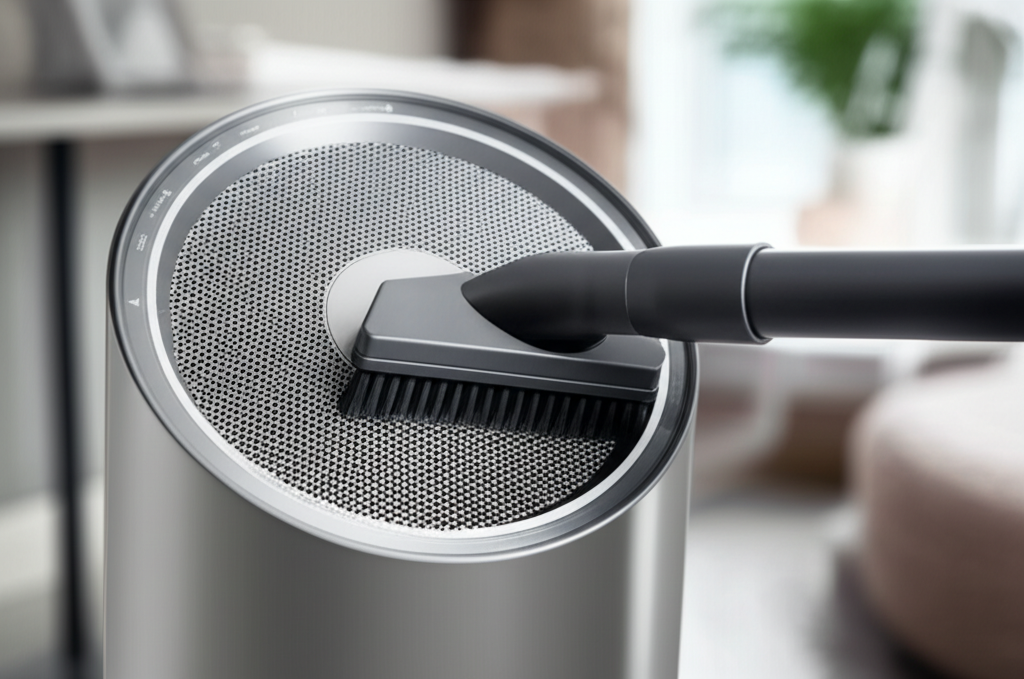
The outer shell of your air purifier is generally safe to vacuum. Use a brush attachment on your vacuum cleaner to gently remove dust and cobwebs from the surface. This simple step helps maintain the aesthetic appeal of your device and prevents dust from being drawn into the unit.
Cleaning the Pre-Filter: A Vacuum-Friendly Task
Many air purifiers feature a washable pre-filter, often made of mesh. This is the first line of defense against larger particles like hair and dust bunnies. You can often vacuum this pre-filter directly to remove accumulated debris before washing it.
What About Vacuuming HEPA and Activated Carbon Filters?
This is where caution is paramount. Vacuuming HEPA filters directly can damage their delicate fibers, reducing their ability to capture fine particles. Similarly, activated carbon filters can be compromised. Always refer to your air purifier’s manual for specific cleaning instructions for these crucial components.
Genius Vacuuming Techniques for Your Air Purifier
When you can vacuum your air purifier, doing so correctly is essential. Employing the right attachments and techniques ensures thorough cleaning without causing harm. These methods are designed to maximize effectiveness while protecting your investment.
Using the Right Vacuum Attachments
A brush attachment is your best friend for cleaning the exterior and accessible pre-filters. For more intricate areas or crevices, a crevice tool can be useful, but use it with a light touch. Avoid using the main vacuum head directly on any filter unless specifically instructed by the manufacturer.
The Gentle Approach: Suction Power Matters
Always use your vacuum cleaner on its lowest suction setting when cleaning near sensitive components. High suction can pull and tear delicate filter materials or dislodge internal parts. A gentle approach ensures that you are removing dust, not damaging the purifier.
Step-by-Step Guide: Vacuuming Your Air Purifier Safely
Follow these steps to safely vacuum your air purifier and maintain its optimal performance. This methodical approach ensures you address all necessary areas without risking damage.
1. Unplug the Air Purifier: Always disconnect the power before cleaning to prevent accidental activation and potential injury. This is the most critical safety step.
2. Disassemble Gently: Carefully remove the outer casing or filter access panel according to your model’s manual. Take note of how parts are assembled for easy reassembly.
3. Vacuum the Exterior: Use a soft brush attachment on your vacuum cleaner to remove dust from the outer surfaces. Pay attention to vents and grilles.
4. Address the Pre-Filter: If your pre-filter is vacuum-safe, gently vacuum it to remove loose debris. Avoid pressing too hard.
5. Inspect Other Filters: Visually inspect your HEPA and activated carbon filters. If they appear dusty on the surface and your manual permits light vacuuming, use the lowest suction and a brush attachment with extreme care. Never aggressively vacuum these filters.
6. Clean Internal Components (if accessible): If any internal areas are accessible and dusty, use a low-suction brush attachment to gently remove particles.
7. Reassemble Carefully: Put all components back together in the correct order. Ensure all panels and filters are properly seated.
8. Plug In and Test: Once reassembled, plug in the air purifier and turn it on to ensure it’s functioning correctly.
Pre-Filter Cleaning: A Deeper Dive
Many pre-filters can be removed and washed. After vacuuming to remove surface dust, a thorough wash with mild soap and water can restore it to its original condition. Ensure it is completely dry before returning it to the air purifier to prevent mold growth.
When to Avoid Vacuuming Your Air Purifier
While vacuuming can be a helpful cleaning tool, there are instances where it’s best to refrain. Understanding these limitations protects your air purifier from irreparable harm. Always prioritize the manufacturer’s guidelines over general advice.
Damaged Filters Require Replacement, Not Vacuuming
If your HEPA or activated carbon filters are visibly damaged, torn, or heavily discolored, vacuuming will not restore them. In such cases, it’s essential to replace them with new, genuine filters to maintain air purification effectiveness.
Over-Reliance Can Be Detrimental
Using a vacuum cleaner too aggressively or too often on sensitive parts can cause more harm than good. Sometimes, a simple wipe-down with a dry or slightly damp cloth is sufficient for exterior cleaning.
Alternative Cleaning Methods for Air Purifier Filters
When vacuuming isn’t the best option for certain filters, alternative cleaning methods can be employed. These techniques are often recommended by manufacturers and ensure the longevity of your filter media.
Washing Washable Filters
As mentioned, many pre-filters are designed to be washed. This is an effective way to remove deeply embedded dirt and grime, restoring them to optimal condition. Always allow them to air dry completely.
Replacing Filters: The Ultimate Solution
For HEPA and activated carbon filters, replacement is usually the only recommended method for restoring their effectiveness. The lifespan of these filters varies, so consult your manual for recommended replacement intervals. Buying filters from reputable sources like HomeHygia ensures you get genuine, high-quality replacements.
Maintaining Your Air Purifier for Peak Performance
Regular maintenance goes beyond just cleaning. A few simple habits can significantly extend the life of your air purifier and ensure it consistently delivers clean air. Think of it as an investment in your home’s health.
Regular Filter Checks
Make it a habit to check your filters monthly. This allows you to catch dust buildup early and decide whether a gentle vacuuming or a full replacement is needed. Prompt action prevents premature filter degradation.
Proper Placement and Usage
Ensure your air purifier is placed in a location that allows for good airflow. Avoid blocking the intake or output vents. Running the unit consistently on a medium setting is often more effective than frequent on-off cycles.
Common Air Purifier Brands and Their Cleaning Recommendations
Different brands may have slightly varying recommendations for cleaning their units. While general principles apply, always consult the specific manual for your air purifier model.
| Brand | Pre-Filter Cleaning | HEPA/Carbon Filter Cleaning | Exterior Cleaning |
| :———– | :—————— | :————————– | :—————- |
| Coway | Vacuum/Washable | Replace | Wipe down |
| Levoit | Vacuum/Washable | Replace | Wipe down |
| Blueair | Vacuum/Washable | Replace | Wipe down |
| Dyson | Vacuum/Washable | Replace | Wipe down |
Note: This table provides general guidance. Always refer to your specific product manual for definitive instructions.
Checking Manufacturer Websites
Most reputable brands, such as those from HomeHygia’s curated selection, provide detailed cleaning and maintenance guides on their official websites. These resources are invaluable for accurate information.
Troubleshooting Common Air Purifier Issues
Sometimes, even with regular cleaning, air purifiers can encounter problems. Understanding common issues and their solutions can save you time and money. Often, the fix is simpler than you might think.
Reduced Airflow
If you notice significantly reduced airflow, it’s likely due to clogged filters. Vacuuming the pre-filter and checking the HEPA filter for excessive dust are the first steps. If the problem persists after cleaning, it might be time for filter replacement.
Strange Noises
Unusual noises can indicate something is obstructing the fan or that a component has become loose. Always unplug the unit before investigating. Gently vacuuming around the fan area might dislodge debris.
FAQs About Vacuuming Air Purifiers
Here are answers to some of the most frequently asked questions about cleaning your air purifier with a vacuum.
Can I vacuum my air purifier’s HEPA filter?
Generally, it’s not recommended to vacuum HEPA filters directly as it can damage their fine fibers and reduce their effectiveness. Lightly brushing or using a very low suction with a brush attachment might be acceptable if your manual permits, but replacement is usually best.
How often should I vacuum my air purifier?
You should vacuum the exterior and accessible pre-filters of your air purifier about once a month, or more frequently if you live in a dusty environment or have pets. Always check your filters for dust buildup before deciding to vacuum.
Will vacuuming damage my air purifier?
Vacuuming can damage your air purifier if done incorrectly. Avoid high suction, and never aggressively vacuum HEPA or activated carbon filters. Always follow the manufacturer’s instructions.
Can I wash my air purifier’s filter?
Some filters, particularly pre-filters, are designed to be washed. HEPA and activated carbon filters are typically not washable and require replacement. Always check your user manual.
What should I do if my air purifier smells bad?
A bad smell often indicates a dirty filter, especially the activated carbon filter, which absorbs odors. Vacuuming the pre-filter and replacing the carbon filter are the most common solutions. Ensure the unit is clean internally as well.
Is it safe to vacuum the inside of my air purifier?
It’s safe to gently vacuum accessible internal components with a low-suction brush attachment, but only after unplugging the unit. Avoid touching any delicate electronic parts.
Conclusion: Keeping Your Air Purifier in Top Shape
So, can you vacuum an air purifier? Yes, with careful attention to which parts you are cleaning and how you are doing it. The exterior and pre-filters are generally safe for gentle vacuuming, but HEPA and activated carbon filters require a much gentler approach or complete replacement. By following these genius cleaning tips, you can effectively maintain your air purifier, ensuring it continues to provide you with clean, fresh air for years to come. Regular, mindful cleaning is the key to optimal performance and a healthier home environment.