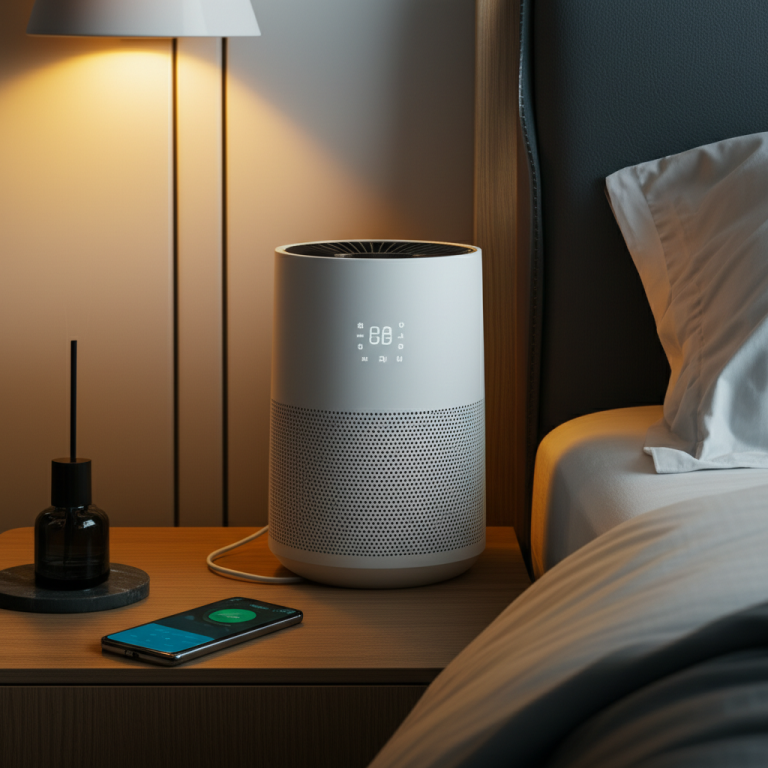
Can You Use HSA Card For Air Purifier? Essential Guide

Yes, you can often use your HSA card for an air purifier if it’s deemed medically necessary for a diagnosed condition. This guide breaks down the requirements, eligibility, and how to ensure your purchase qualifies for HSA reimbursement, making cleaner air accessible and affordable.
Breathing cleaner air at home is a growing priority for many, especially those managing respiratory conditions. You might be wondering if that high-quality air purifier you’ve been eyeing can be purchased using your Health Savings Account (HSA) card. It’s a common question, and the answer isn’t always a simple yes or no. This guide will walk you through everything you need to know, ensuring you can make an informed decision and potentially use your HSA funds to invest in your respiratory health.
Can You Use HSA Card For Air Purifier? The Core Rule
The fundamental rule is that HSA funds can be used for “qualified medical expenses.” Whether an air purifier fits this definition often hinges on medical necessity. If your doctor recommends an air purifier to alleviate symptoms of a diagnosed respiratory condition like asthma, allergies, or COPD, it likely qualifies. This necessity must be documented by a healthcare professional.
This distinction is crucial for HSA eligibility, turning a general household item into a necessary medical device. Always check with your HSA administrator for specific guidelines before making a purchase.
Understanding Qualified Medical Expenses and HSAs
Health Savings Accounts (HSAs) are tax-advantaged savings accounts designed to help individuals pay for qualified medical expenses. These accounts offer a triple tax advantage: contributions are tax-deductible, earnings grow tax-free, and withdrawals for qualified medical expenses are also tax-free. The IRS defines what constitutes a qualified medical expense, and this definition dictates whether an air purifier is eligible.
Generally, medical expenses are defined as costs incurred for the diagnosis, cure, mitigation, treatment, or prevention of disease, or for the purpose of affecting any structure or function of the body. This broad definition opens the door for certain home-use devices, including air purifiers, when prescribed for a specific medical need.
When is an Air Purifier a Qualified Medical Expense?
An air purifier typically becomes a qualified medical expense when it is prescribed by a licensed healthcare provider to treat or alleviate a specific medical condition. This isn’t about general air quality improvement but about addressing a diagnosed health issue. Conditions such as severe allergies, asthma, COPD, cystic fibrosis, or other respiratory ailments that are exacerbated by indoor air pollutants are prime examples.
Your doctor must provide a Letter of Medical Necessity (LMN) detailing how the air purifier will directly benefit your health condition. Without this documentation, the IRS may deem the purchase ineligible for HSA reimbursement.
The Importance of a Letter of Medical Necessity (LMN)
A Letter of Medical Necessity (LMN) is a critical document that bridges the gap between a general purchase and a qualified medical expense. This letter, written by your physician, explains why the air purifier is essential for treating your specific medical condition. It should detail the symptoms, the diagnosed condition, and how the air purifier will help mitigate those symptoms or prevent exacerbations.
Ensure the LMN is dated and clearly states the recommended product type (e.g., HEPA air purifier) and its intended medical use. Keep this letter with your purchase receipts for your records and in case your HSA administrator or the IRS requests it.
What Types of Air Purifiers Qualify?
While the core requirement is medical necessity, certain features of an air purifier may make it more likely to be approved. High-Efficiency Particulate Air (HEPA) filters are often recommended because they are highly effective at removing allergens, dust, pet dander, mold spores, and other airborne irritants that can trigger respiratory issues. Air purifiers with activated carbon filters to remove odors and volatile organic compounds (VOCs) may also be considered.
The key is that the purifier’s function directly addresses the medical need outlined in your LMN. Avoid models with features unrelated to medical treatment, such as UV-C light sanitizers that aren’t medically prescribed or ozone-generating features, as these might raise red flags.
Key Features to Look For in HSA-Eligible Air Purifiers
- HEPA Filtration: Essential for capturing microscopic allergens and pollutants.
- Activated Carbon Filters: Effective at removing odors and VOCs.
- Appropriate Coverage Area: Sized for the room where it will be used to treat the condition.
- Low Noise Levels: Important for comfort, especially during sleep.
- No Ozone Generation: Ozone can be a lung irritant.
Focusing on these features ensures the air purifier is designed for therapeutic benefit. This aligns the purchase with the medical necessity requirement. Always confirm with your HSA provider if they have specific brand or model preferences.
How to Purchase an Air Purifier with Your HSA Card
Using your HSA card for an air purifier is similar to using any other debit or credit card, with a few key differences. First, ensure you have the LMN from your doctor and that your HSA administrator has approved the purchase beforehand, if possible. When purchasing online, you may need to select a payment method that allows for manual submission of receipts if the merchant doesn’t directly accept HSA cards.
Some retailers may have specific procedures for HSA/FSA purchases. It’s often best to buy directly from the manufacturer or a reputable online retailer that is accustomed to these types of transactions.
Step-by-Step Purchase and Reimbursement Process
- Obtain LMN: Consult your doctor and get a Letter of Medical Necessity.
- Verify Eligibility: Check with your HSA administrator for specific guidelines.
- Find an Eligible Purifier: Choose a model that meets medical needs and has necessary certifications.
- Make the Purchase: Use your HSA card directly or pay out-of-pocket and submit for reimbursement.
- Keep Records: Save all receipts and the LMN.
- Submit for Reimbursement: If you paid out-of-pocket, submit a claim form and documentation to your HSA administrator.
Following these steps diligently simplifies the process. This ensures a smooth transaction and avoids potential issues with reimbursement. Being organized from the start is key to a successful HSA purchase.
Potential Pitfalls and What to Avoid
While many situations allow HSA use for air purifiers, there are common pitfalls. Purchasing an air purifier for general household use without a documented medical condition or LMN is the most frequent error. Additionally, some air purifiers generate ozone, which is a lung irritant and can disqualify the purchase. Over-sizing or under-sizing the unit for the intended space can also be problematic if not medically justified.
Always err on the side of caution and ensure you have all necessary documentation. If in doubt, contact your HSA provider before buying.
Common Mistakes and How to Prevent Them
- Lack of LMN: Always get a doctor’s note.
- Purchasing for General Use: Ensure it’s for a diagnosed condition.
- Ozone-Generating Models: Avoid these units.
- Not Verifying with Administrator: Confirm eligibility with your HSA provider.
- Incorrect Product Type: Ensure the purifier directly addresses the medical need.
Preventing these mistakes saves you time and potential financial headaches. Proactive verification and clear documentation are your best defense. This preparedness ensures your HSA funds are used correctly and effectively.
Alternative Reimbursement Strategies and Considerations
If your HSA administrator has strict rules or you prefer not to use your HSA card directly, you can always pay for the air purifier out-of-pocket and then submit for reimbursement using your LMN and receipt. Some employers also offer Flexible Spending Accounts (FSAs), which have similar but sometimes stricter rules regarding eligible expenses. It’s worth checking your FSA guidelines as well.
Another consideration is whether your health insurance plan might offer any coverage or rebates for medical equipment, though this is less common for air purifiers. Always review your specific health insurance policy details.
Comparing HSA, FSA, and Insurance Coverage
| Feature | HSA | FSA | Health Insurance |
|---|---|---|---|
| Portability | Yes, funds roll over annually and are yours to keep. | Generally “use it or lose it” annually, with some grace periods. | Varies by plan; may cover certain medical devices or have rebates. |
| Medical Necessity | Required for non-standard items like air purifiers. | Often stricter rules, but LMN is key for items like air purifiers. | Covers treatments and equipment deemed medically necessary for specific conditions. |
| Tax Benefits | Triple tax advantage (contributions, growth, withdrawals). | Pre-tax contributions, tax-free withdrawals for qualified expenses. | Tax deductions for premiums and out-of-pocket costs. |
| Air Purifier Eligibility | Often eligible with LMN for diagnosed conditions. | Can be eligible with LMN, but check plan specifics carefully. | Rarely covers general air purifiers; may cover specific medical-grade equipment. |
Understanding these differences helps you choose the most advantageous method for your situation. Each option has unique benefits and requirements. Prioritizing your specific health needs and financial circumstances is essential.
Choosing the Right Air Purifier for Medical Needs
When selecting an air purifier for medical reasons, prioritize performance and suitability for your condition. Look for certifications like AHAM Verifide for room coverage and CADR (Clean Air Delivery Rate) ratings, which indicate how quickly the unit can filter a room. Consider the filter type, noise level, energy efficiency, and ease of maintenance. A unit that is too loud or difficult to maintain might not be used consistently, diminishing its medical benefit.
Research brands known for quality and reliability. Reading reviews from users with similar respiratory conditions can also provide valuable insights into a product’s effectiveness in real-world scenarios.
Top Brands and Models Often Recommended for Health Conditions
While specific recommendations can vary based on individual needs and evolving product lines, brands like Coway, Blueair, Dyson, and Levoit are frequently cited for their effective air purification technologies. Many of these brands offer models with medical-grade HEPA filters and activated carbon layers, suitable for allergy and asthma sufferers. Always cross-reference product specifications with your doctor’s recommendations and your HSA administrator’s guidelines.
For example, a Coway Airmega model might be suitable for larger spaces, while a Blueair Blue Pure might be better for a bedroom. The key is matching the unit’s capabilities to the specific medical necessity. Consulting resources like the Asthma and Allergy Foundation of America can also provide guidance on features to look for.
Consulting Your Doctor and HSA Administrator
The most critical step before purchasing an air purifier with your HSA card is to have an open and thorough discussion with your healthcare provider. Explain your symptoms and ask if an air purifier could be a beneficial part of your treatment plan. If they agree, ensure they provide a detailed LMN. Equally important is contacting your HSA administrator.
Your HSA administrator can provide definitive guidance on their specific policies regarding air purifiers. They can confirm what documentation is required and whether certain types or brands are preferred or excluded. This proactive communication prevents potential issues and ensures your HSA funds are used appropriately.
Questions to Ask Your Doctor and HSA Administrator
- Doctor:
- Is an air purifier medically necessary for my condition?
- What specific features should the air purifier have (e.g., HEPA filter, CADR)?
- Can you provide a Letter of Medical Necessity for an air purifier?
- HSA Administrator:
- Is an air purifier considered a qualified medical expense?
- What documentation is required for reimbursement?
- Are there any preferred brands or types of air purifiers?
- Can I use my HSA card directly for the purchase?
Asking these targeted questions ensures clarity and preparedness. This detailed inquiry helps you navigate the process smoothly. Being informed empowers you to make the best decision for your health and finances.
Conclusion: Breathe Easier with Informed HSA Use
In conclusion, you can indeed use your HSA card for an air purifier, but it requires careful planning and adherence to specific rules. The key is demonstrating medical necessity through a Letter of Medical Necessity from your doctor for a diagnosed condition. By understanding what constitutes a qualified medical expense and consulting with both your healthcare provider and your HSA administrator, you can confidently use your HSA funds to invest in cleaner, healthier air at home. This approach ensures you not only improve your respiratory well-being but also maximize the tax benefits of your HSA.
Frequently Asked Questions (FAQ)
Can I use my HSA card for any air purifier?
No, you can typically only use your HSA card for an air purifier if it’s deemed medically necessary by a doctor for a diagnosed condition and you have a Letter of Medical Necessity.
What if I just want cleaner air, not for a specific illness?
If your purchase is for general home use and not to treat a diagnosed medical condition, it likely won’t qualify as a medical expense for HSA reimbursement.
How do I get a Letter of Medical Necessity?
You need to consult with your licensed healthcare provider. If they determine an air purifier is essential for your treatment, they can write and provide you with an LMN.
What documentation do I need to keep?
You should keep the Letter of Medical Necessity, the purchase receipt, and any other relevant documentation provided by the retailer or manufacturer.
Can I buy replacement filters with my HSA?
Replacement filters for an HSA-approved air purifier are often considered qualified medical expenses as well, but it’s always best to confirm with your HSA administrator.
What if my HSA administrator denies my claim?
If your claim is denied, review the reason provided. You may be able to appeal by providing additional documentation or clarification from your doctor. Double-checking eligibility beforehand is the best preventive measure.